Outdoor spaces have totally transformed the way we enjoy our homes and businesses these days. Whether it's a simple backyard patio where you kick back with coffee in the morning or a lively commercial deck full of people chatting over lunch, these areas feel like natural extensions of everyday life. They're spots for unwinding with a good book, throwing casual get-togethers, or just stepping outside to catch a breeze. But let's be honest—weather doesn't always play nice. Rain comes down hard, you hose off the tiles after a barbecue, or the sprinklers run longer than planned, and before you know it, water is sitting there turning a relaxing zone into a soggy headache. That's exactly why getting water management right matters so much. It protects the surfaces, keeps hidden problems from building up, and lets you actually use the space without constantly watching your step or mopping up messes.
Fixing the flow early on stops a ton of future frustration. Standing water can slowly chew away at stone or tile edges, invite mold into cracks, weaken what's underneath over time, or leave slick patches that go to slips. A good setup that moves liquid away fast turns those worries into something you barely think about anymore, keeping everything solid and ready no matter how many seasons roll through.
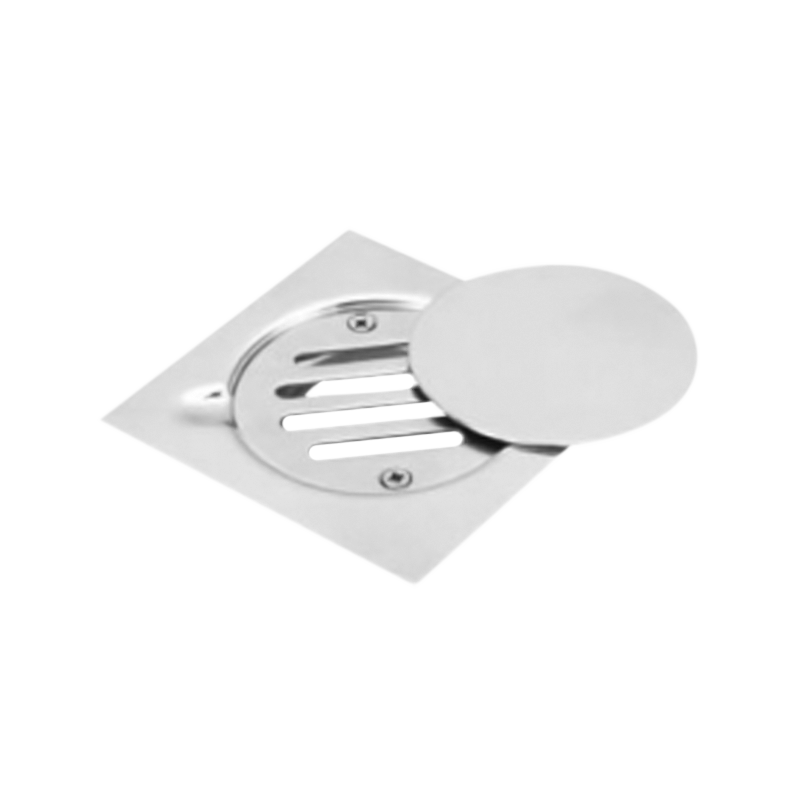
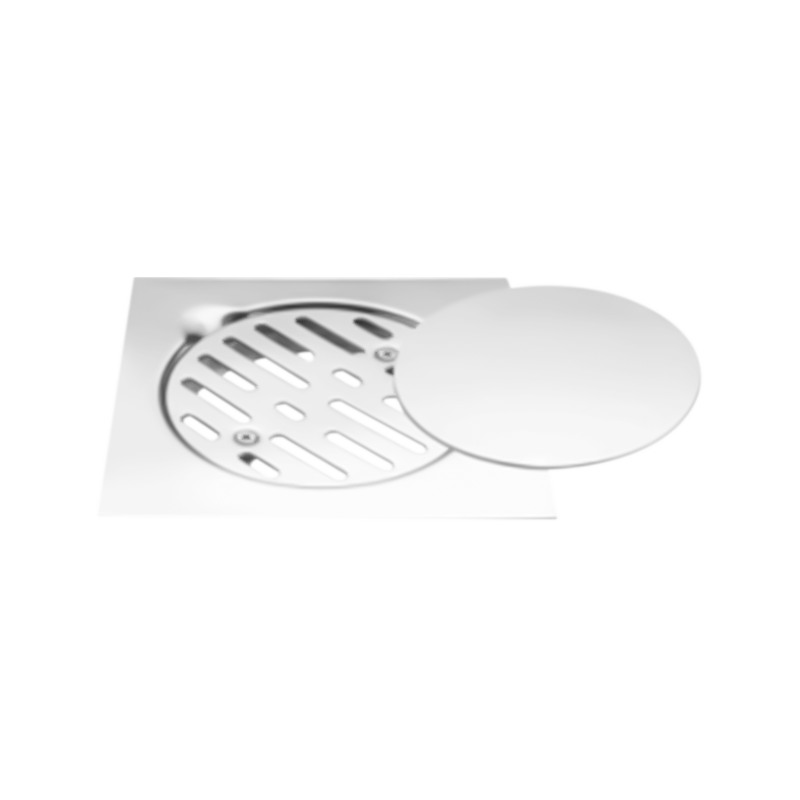
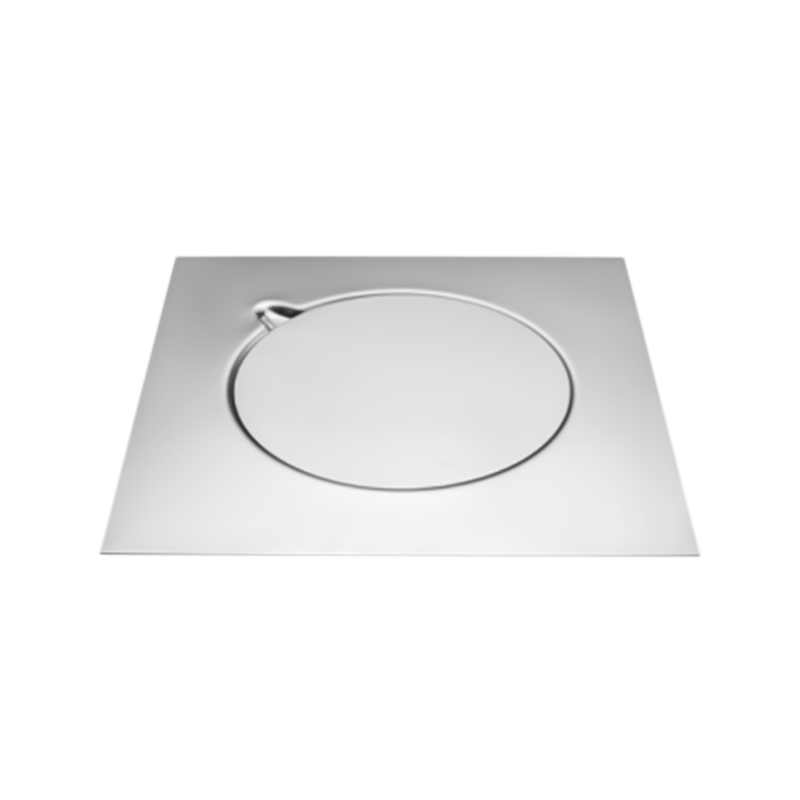
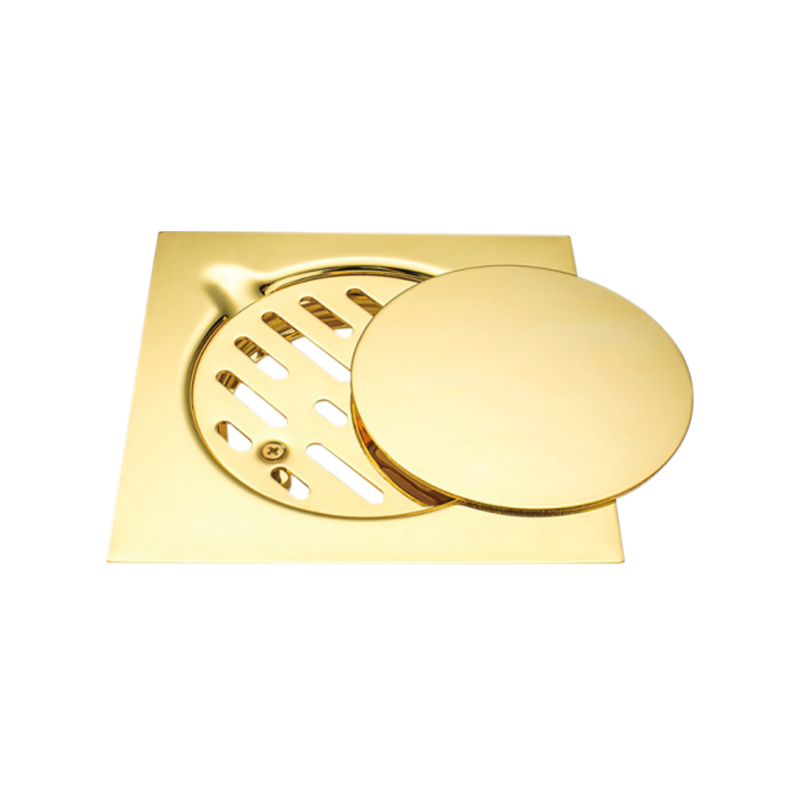
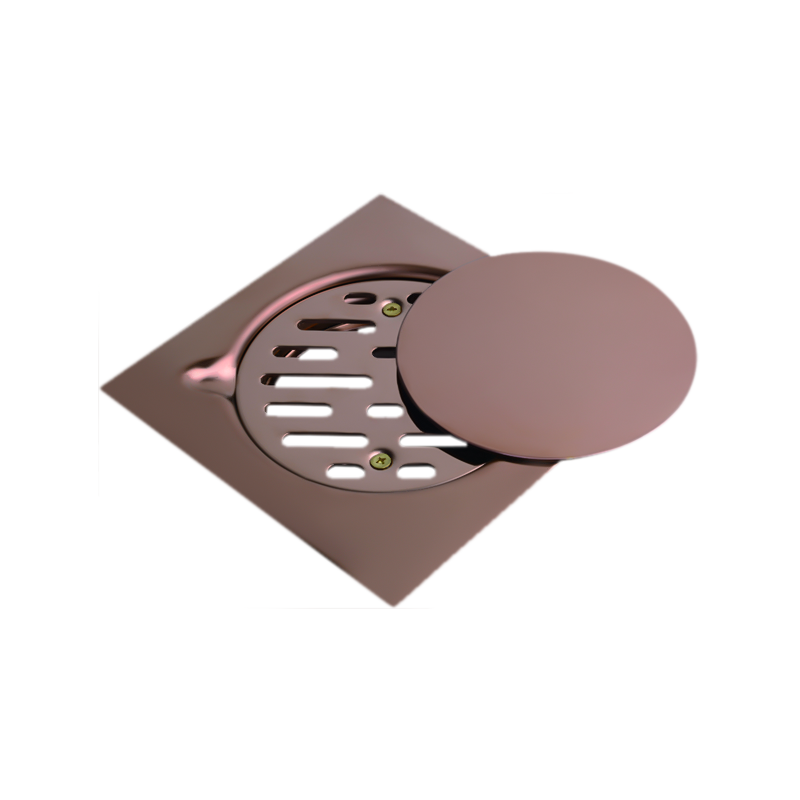
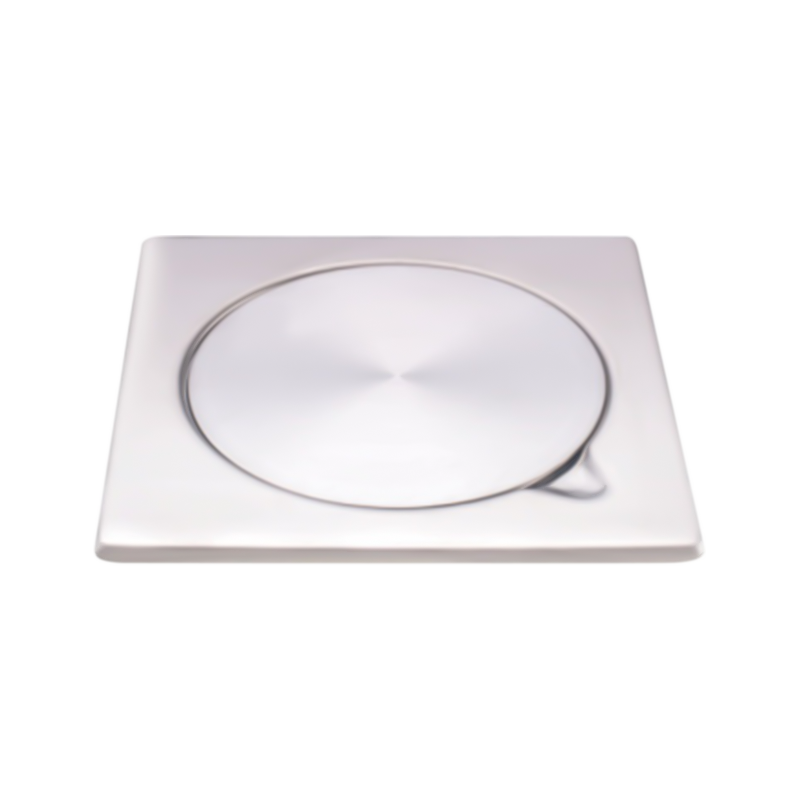
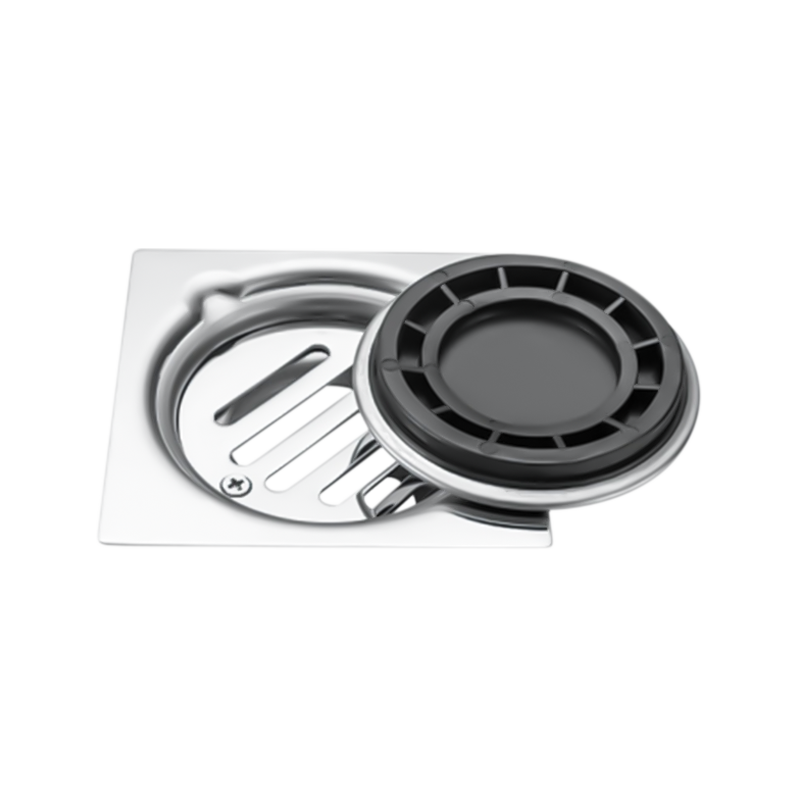
One choice that works really well for lots of setups is the Sale Terrace Floor Drain. It quietly does the heavy lifting of steering water exactly where it belongs, sliding right into all sorts of outdoor layouts without drawing attention away from the rest of the design.
At their core, these things operate in a straightforward way. They grab whatever liquid lands on the surface—whether it's a sudden storm, a quick rinse with the garden hose, or snow melting in spring—and guide it straight into the pipes below that carry it off safely. The goal is simple: create a drier, safer area that stays usable even after the sky opens up. When you plan them in from the beginning of a project, they feel like they've always been part of the space instead of an obvious add-on.
Appearance plays a bigger role than people expect. Modern versions come in dozens of finishes, shapes, and tones so you can match whatever vibe you're after—sleek and minimal for a contemporary look, warmer rustic details for something cozier, or anything in between. Choosing one that echoes the surrounding pavers, wood accents, or metal railings means it basically fades into the background while still handling its job every single time water shows up.
The stuff it's built from makes a huge difference in how long it lasts and how it holds up day after day. Tough, rust-resistant metals like certain stainless mixes, heavy cast pieces, or that classic brass feel top the list because they shrug off rain, sun, foot traffic, and the occasional bump from furniture. Each material brings its own subtle personality too, so you're not just picking for strength—you're picking something that actually adds to the overall character of the area.
Getting the size and location spot-on takes a little thought. You look at the total square footage, check typical rainfall or how the space usually gets used in your neck of the woods, and pay attention to the natural tilt of the surface. When it's done well, water heads straight for the outlet instead of collecting at the edges or seeping into joints below. It prevents erosion before it starts and keeps the whole structure stable for the long haul.
The visible part everyone walks over—the grate—works double duty as a practical cover and a small design detail. Some stay super simple with clean straight slots that let liquid pass quickly. Others lean artistic with gentle curves, repeating patterns, or shapes that pick up themes from nearby planters or lighting. The secret is picking something that feels like it belongs there, adding a quiet bit of style without screaming for attention.
Maintenance isn't rocket science, but skipping it entirely will catch up with you. Leaves, dirt, small twigs, or even pollen love to gather and slow things down if left alone. A quick sweep or rinse every couple of weeks, along with a basic screen that catches the bigger bits right at the start, usually keeps everything flowing smoothly without turning into a big weekend project.
Installation always needs to follow local building rules and safety standards. Those guidelines are there for solid reasons—to keep people safe and make sure water doesn't end up causing trouble somewhere else on the property. Bringing in folks who know what they're doing or chatting directly with a reliable supplier helps check every box and avoids headaches down the road.
These systems also slot nicely into more earth-friendly habits. Instead of letting the captured water just disappear, you can direct it toward barrels or tanks for later use on gardens, washing the car, or cleaning walkways. It trims down waste, eases pressure on local water supplies, and gives the whole outdoor area a smarter, lighter footprint.
If you're after something that feels completely personal, teaming up with makers who can customize from scratch opens the door to all kinds of ideas. They listen to exactly what you picture—specific dimensions, color matches, or unique patterns—and turn those thoughts into a piece that fits your space and your actual lifestyle like it was made just for you.
Safety stays top of mind whenever people are walking around. Textured surfaces on the grate help shoes grip even when things are wet, and the overall layout steers clear of any sudden dips or raised edges that could cause trips. Little decisions like these add up to a space where everyone feels comfortable moving around freely.
Dropping a well-chosen water handler into your home's exterior can quietly raise how attractive the whole property feels. Potential buyers pick up on details like this—they read it as thoughtful care and smart planning that sets the place apart without any obvious effort.
Letting experienced pros handle the actual install is always the smarter route. Trying it yourself sometimes leads to loose joints, slow leaks, or spots where water doesn't quite drain right, creating fixes that end up costing more time and money later. Teams who do this regularly know the small tricks that make seals tight and performance reliable from the very day.
Yes, a quality unit might sting a bit more upfront, but the payback shows up pretty fast. It stands up to heat waves, freezing nights, and constant use without needing constant attention, which means fewer repairs, fewer replacements, and way less hassle over the years. That reliability turns into real savings and a lot more peace of mind.
More often than not, these pieces become the final detail that ties an entire outdoor refresh together. When everything clicks just right, the space feels finished—practical, attractive, and genuinely ready for whatever comes its way.
A lot of people ask how these things actually perform once they're in place. In spots with changeable weather, a dependable system means the area bounces back fast after a heavy rain instead of staying damp for hours. Families who love weekend barbecues mention it makes a real difference—no more shifting chairs around puddles or ending the night early because the surface never quite dries. One neighbor told me about their deck that used to hold water right next to the seating; once they sorted the drainage properly, it cleared in minutes and turned into their favorite spot for evening meals under the stars.
The design choices keep getting better too. Some setups use long, slim channels tucked along edges so they stay invisible yet move steady streams without any fuss. Others center a compact unit that works as a low-key focal point, maybe with a pattern that echoes the tile or railing nearby. Bringing a sample out to the actual spot before deciding helps because sunlight, surrounding colors, and even the way shadows fall can change how it looks once everything's installed.
Keeping up with care over the years stays pretty easy when you start good habits right away. A monthly check to clear obvious buildup, plus a deeper clean once or twice a year using gentle cleaners that won't damage the finish, keeps performance steady. Matching the product to the material avoids dull spots or pitting that could shorten its life. For folks it just becomes another simple part of seasonal yard work rather than a dreaded chore.
Tying the system into larger property features brings even more benefits. Routing water into storage tanks or barrels lets you reuse it for watering plants during dry spells or power-washing later, which trims utility bills and helps the garden thrive. In apartment complexes or shared community spaces, coordinating these across different sections stops arguments about where runoff ends up. Smart planners weave these ideas into the early drawings, creating areas that feel effortless to live with no matter what the calendar says.
When keeping costs in check is important but you still want something solid for a particular job, taking a look at a Cheap Tub Floor Drain can be a practical move depending on the scale of the project and how the space gets used day to day.
Finding dependable parts built with everyday home life in mind often goes smoothest when you connect with a Residential Floor Drain Factory. They get the real-world needs, give straightforward advice, and back up what they sell, which makes the whole journey from questions to final setup feel a lot less stressful.
Seasons naturally affect how these units behave, of course. Wet months test how well they handle sudden downpours without backing up, while drier stretches show how simple it is to brush away dust or fallen petals. Homeowners scattered across different climates love swapping stories about how one smart addition turned a tricky corner of the yard into a reliable hangout that stays welcoming rain or shine.
Looking at the different styles side by side helps narrow things down. Straight slots focus on speed and no-nonsense function, while more detailed designs add personality that picks up on the rest of the decor. Weight ratings matter too, especially if you plan to set tables, chairs, or heavy planters right on top. A quick test with actual samples right where they'll sit usually reveals which one feels and looks in your exact setting.
Stepping back, it's clear why these solutions matter. They solve a common frustration quietly while lifting the entire outdoor experience up a notch. Whether you're refreshing an older area or starting fresh on a new build, paying attention to thoughtful details, skilled help, and pieces that match how you really live delivers results that hold up for years. The space ends up feeling more welcoming, more practical, and more like a true part of home—ready for quiet mornings with the paper, lively evenings with friends, or anything in between, through every season that rolls around.


 Add: No 3 District Xiaowufen Industrial Zone, Pengjie Town, Luqiao District, Taizhou City, Zhejiang Province, China.
 Tel: +86-576-89203599
 Fax: +86-576-89203598
 Email: [email protected],[email protected],[email protected]
Copyright © Taizhou Shenzhou Sanitary Ware Co., Ltd. All Rights Reserved.


 عربى
عربى 0
0
