Man, after crawling around under houses and in commercial kitchens for more than twenty years, I can tell you one thing for sure — the outlet you bury in the concrete is one of those things nobody notices until it starts causing problems. I've been called out to "beautiful" new bathrooms where water sat for days because the slope was off by a quarter inch. I've walked into restaurant prep areas at 2 a.m. because the smell was so bad the night crew couldn't work. A tough, rust-resistant base unit quietly prevents a lot of those late-night headaches.
These things show up in all sorts of places. Home showers, laundry rooms where the washing machine hose decides to burst at 3 a.m., busy restaurant kitchens, even some covered patios. What always gets me is how the better metal versions just keep working when the cheap plastic or coated stuff starts cracking and pitting after a few seasons. I've pulled out old units that looked like they'd been through a war — rusted, warped, full of gunk. But the solid metal ones installed around the same time? A quick rinse and they still looked decent.
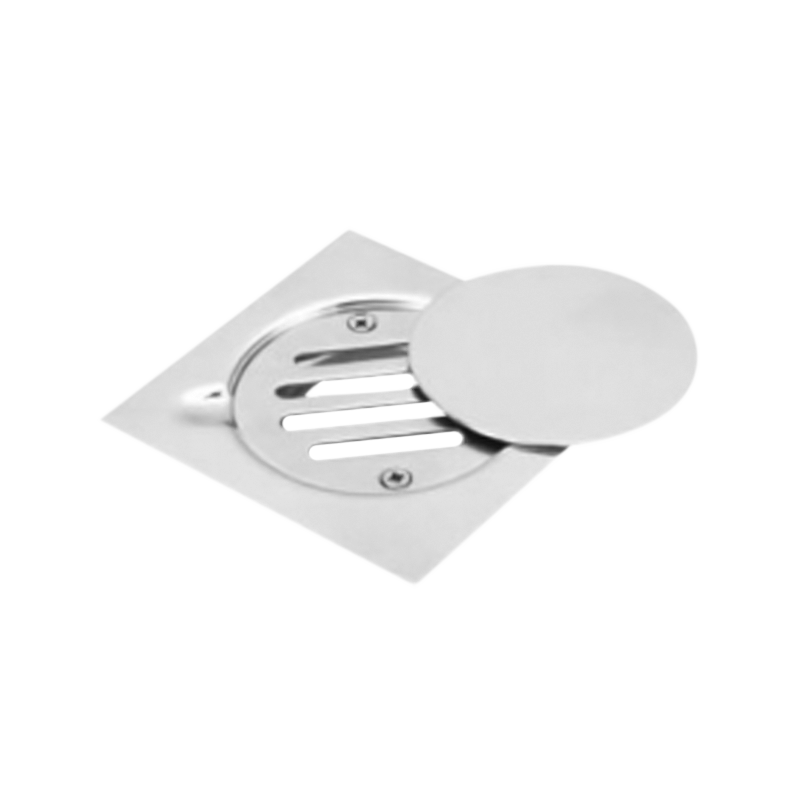
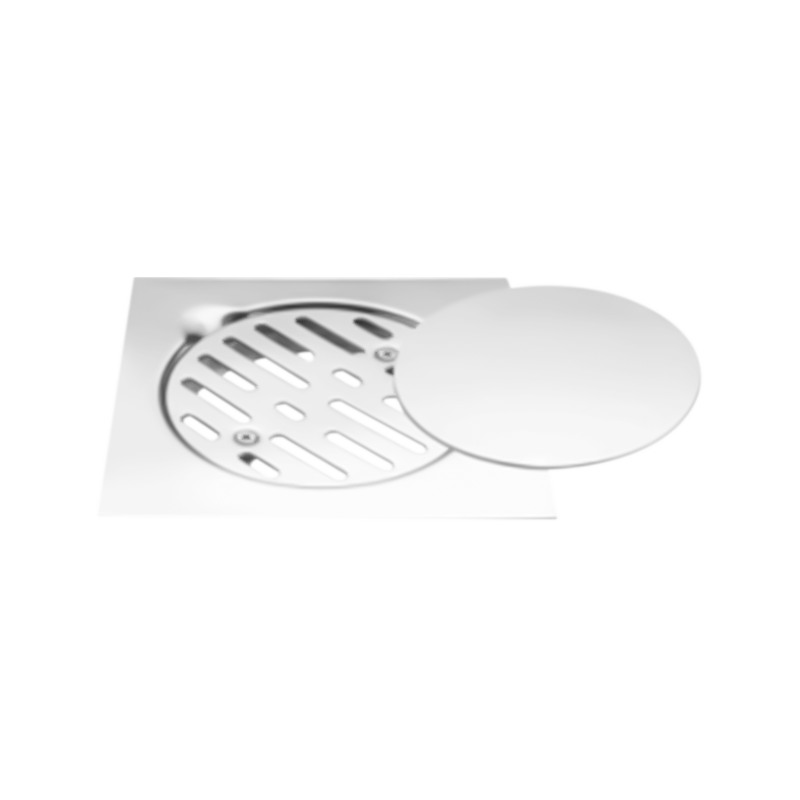
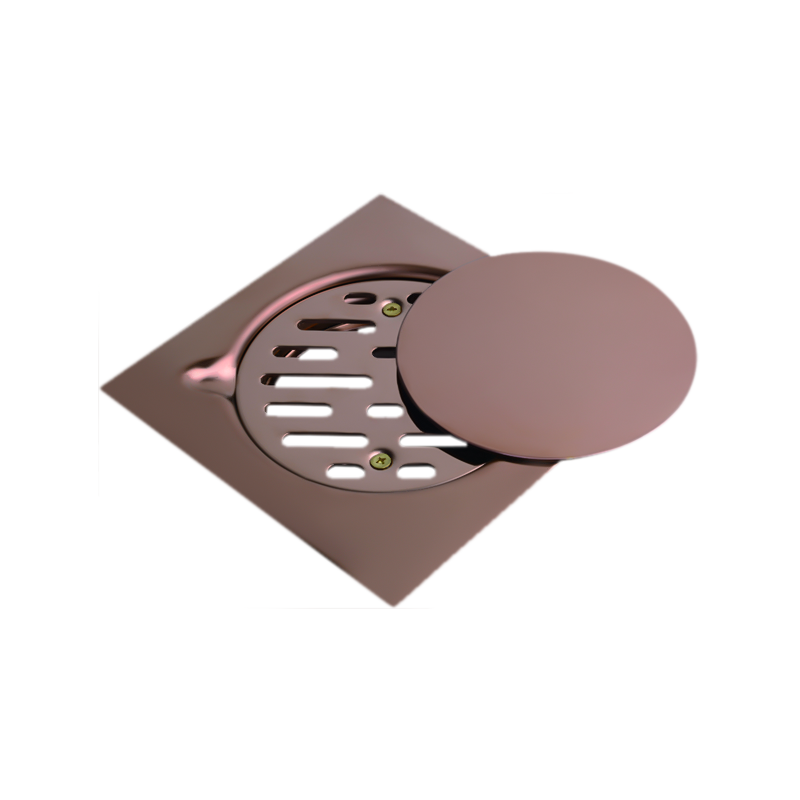
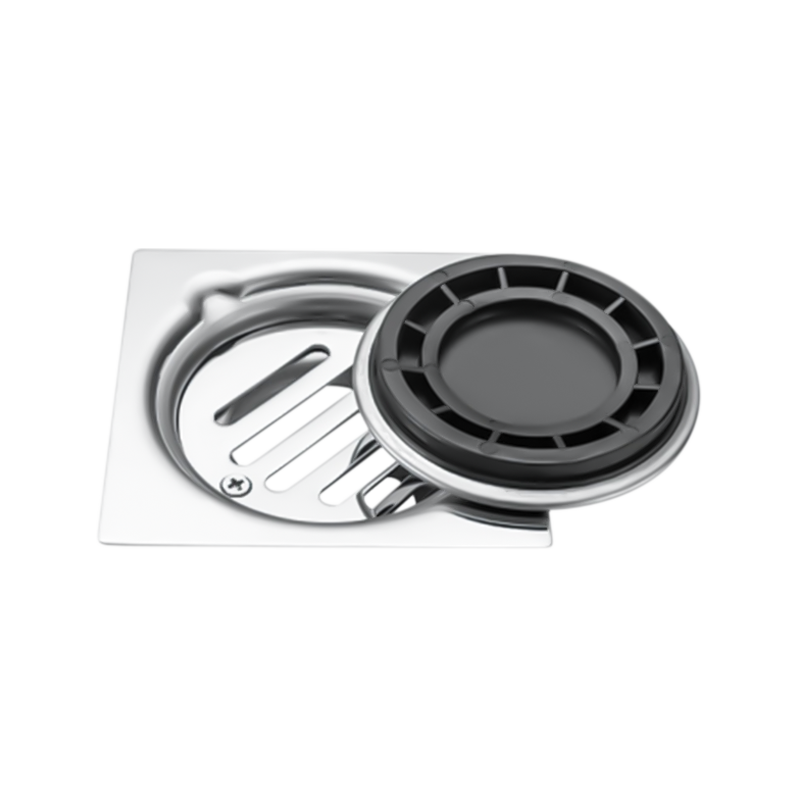
The whole point is simple: get the water down and away before it pools and turns into a slippery mess or starts seeping where it shouldn't. A decent unit has a slight built-in tilt inside so liquid heads straight for the pipe instead of spreading out across the surface. Much come with a lift-out top that catches hair, food bits, dirt — whatever tries to sneak through — while still letting water rush past.
That removable top is honestly a lifesaver. Pull it up, hose it off or rinse it in the sink, drop it back in. No special tools, no swearing at stuck pieces. I still remember one busy diner job early in my career. The old outlet kept backing up right in the middle of lunch rush. The cooks were ready to quit. We swapped it for a deeper metal version with a better basket, and suddenly the emergency calls disappeared. Water cleared fast, and cleaning the top took seconds instead of turning into a whole production every shift.
Size and shape make a huge difference depending on what the space throws at it. A compact round or square unit works fine for a regular home bathroom. Longer channels handle bigger areas like walk-in coolers or processing floors where a lot of water hits at once. The trick is matching the flow to real life — too small and you're dealing with backups during peak times; too big and you're just spending extra money for no good reason.
That cover sitting on top isn't just decoration. It stops bigger stuff from dropping straight into the pipe and creating clogs deeper down the line. Good designs have openings that balance fast flow with solid catching power. Some even add a little texture so the surface doesn't feel like an ice rink when it's wet.
I've learned the hard way to pay attention to how well the top holds up under real weight. In commercial spots where carts roll over it all day or people are constantly walking, cheap covers bend, crack, or shift out of place eventually. The tougher metal ones stay flat and keep doing their job for years. I've seen heavy-duty examples in loading docks that still sit perfectly level after taking daily abuse from equipment and foot traffic.
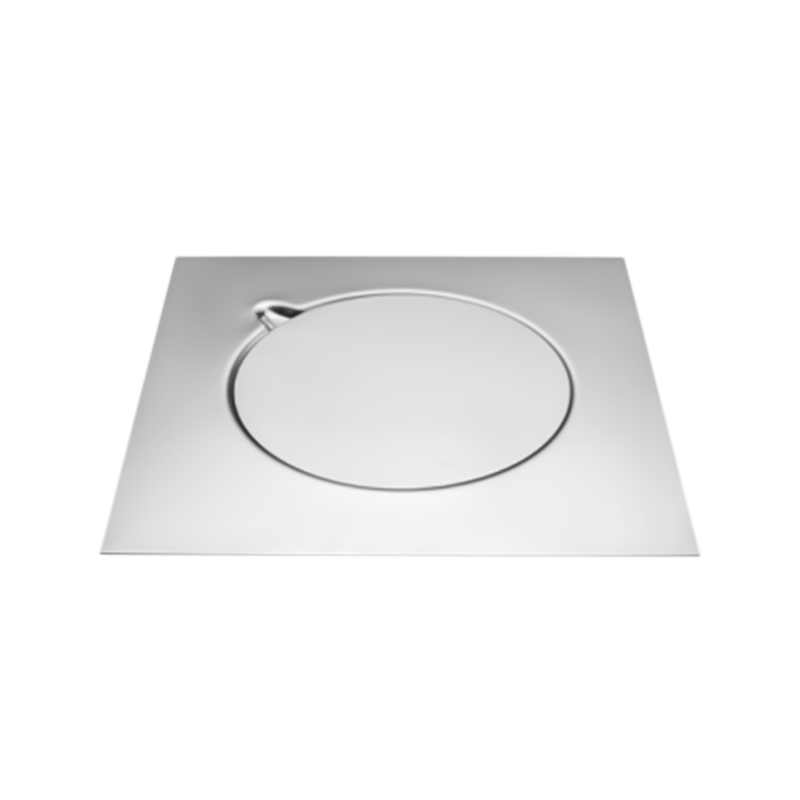
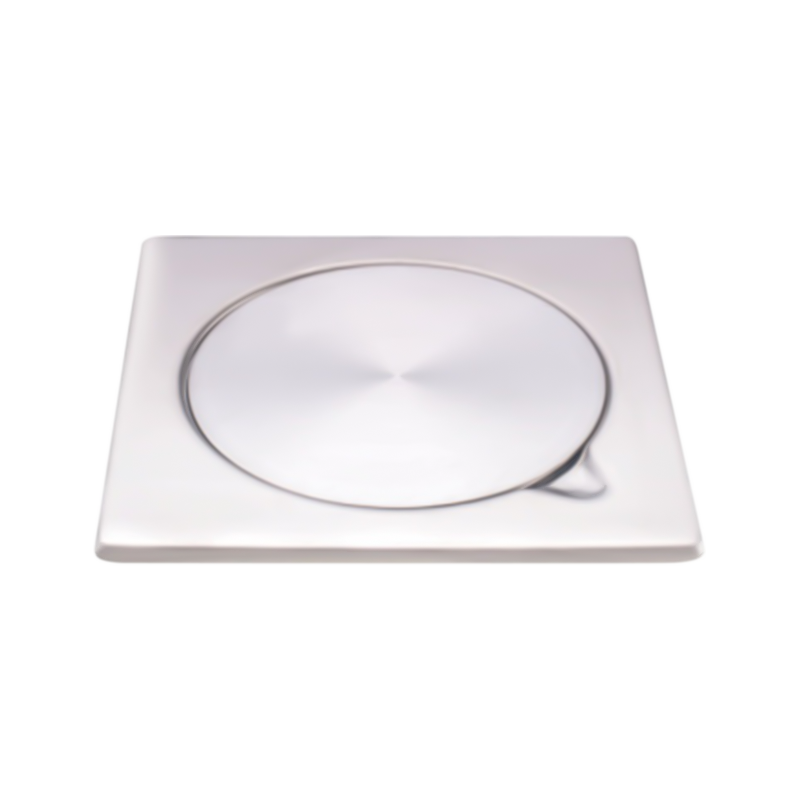
In homes, the look of the top can make or break the whole vibe. Some sit flush with the tile, or you can set matching material right into them so the outlet basically disappears. It keeps the space feeling clean and intentional instead of having an obvious utility spot staring up at you every time you walk by.
Wholesale stainless steel floor drain options often make sense when you're doing a whole building, multiple bathrooms, or any larger project where you need consistent quality without breaking the budget on every single piece.
Below the visible top sits the trap — that U-shaped section that holds a little water at all times. This creates a simple seal that stops sewer gases and bugs from rising back into the room. Without a reliable trap, even the good outlet can let through odors that make the whole place unpleasant.
I've been in way too many bathrooms where the trap dried out or got damaged, and the smell hit you the second you opened the door. A solid metal trap resists breaking down better and keeps that water barrier working even in humid spots or rooms that don't get used every day. In kitchens where grease builds up, this feature prevents a ton of long-term frustration.
Keeping it fresh isn't complicated. I usually tell folks to run some hot water or a mild cleaner through every couple of weeks. Skip the really aggressive chemicals that can eat away at finishes, and the unit stays sanitary without much effort.
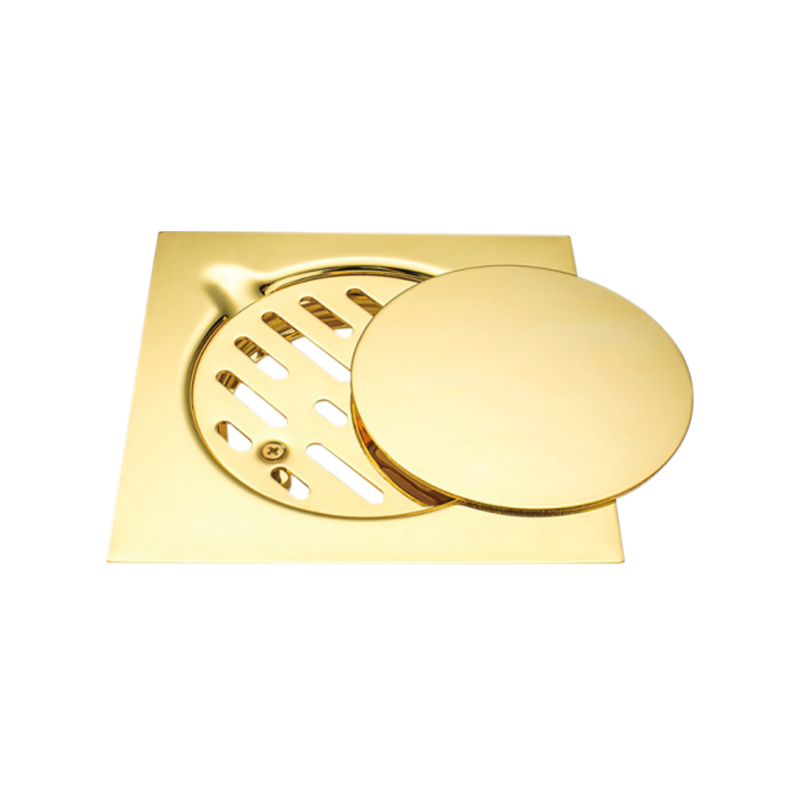
Custom stainless steel floor drain grate comes in handy when standard sizes don't quite match the weird layout you're dealing with, or when you need a specific thickness, hole pattern, or load rating to handle exactly what that space throws at it.
Getting the outlet set right makes a bigger difference than many people expect. The surrounding surface needs a gentle slope toward the center so water doesn't collect at the edges. I've seen plenty of DIY jobs where the slope looked okay on paper but water still pooled in one corner after the heavy shower.
Experienced installers always check the pipe connection below and make sure everything seals tight to avoid leaks around the edges. In remodels, it's smarter to plan the outlet early instead of cutting into finished flooring later. For new construction, talking with the plumber upfront avoids those painful alignment headaches down the road.
Once it's in place, these metal units need surprisingly little babysitting compared to other materials. A quick rinse of the top during normal cleaning keeps performance high. In busy areas, checking the trap every couple of months prevents dry-out issues before they turn into a smelly problem.
In regular home bathrooms and kitchens, the easy cleaning and neat appearance just make daily life smoother. Families with kids or pets notice how fast the area dries and how simple it is to keep things from getting gross.
Commercial kitchens and food service spots need something that stands up to constant scrubbing with strong cleaners and heavy daily traffic. The resistance to breakdown really shows its value there.
Industrial or warehouse floors often call for heavier versions that can take equipment rolling over them without bending or cracking. In those environments, durability directly cuts down on downtime and repair costs.
Even some semi-outdoor or covered areas benefit from the weather resistance these metal units offer.
Yeah, the initial price can feel higher than the cheap plastic stuff, but the lifespan usually balances it out. Many of these metal outlets keep working well for decades with no drama. That means fewer service calls, less disruption, and lower total spending over the years — especially in busy or hard-to-reach spots.
The smooth surface also tends to stay cleaner longer and doesn't harbor bacteria as easily as some textured materials. In homes or businesses where hygiene actually matters, this brings real peace of mind.
The finish holds up better too, so the outlet doesn't start looking worn and ugly after a few years of normal use.
Think about how the area is really used day in and day out. How much water flows through during normal activity? Will it see heavy traffic or just occasional use? Does the layout need something standard or a tailored fit?
For bigger projects or multiple locations, bulk purchasing routes can give you better per-unit value while keeping quality consistent. When the job has unique requirements — odd dimensions, special load needs, or a particular pattern — being able to adjust the design saves time and avoids later compromises.
Make sure the trap and top piece play nice together so you're not fighting clogs or odors months down the line.
Putting in a reliable metal outlet might not be the flashiest part of any renovation or new build, but it quietly makes the whole space work better and feel better. Less standing water, fewer surprise blockages, easier daily cleaning, and better odor control all add up to somewhere that's simply more pleasant to use over the long haul.
Whether you're updating a single bathroom, fitting out a new restaurant kitchen, or planning drainage for a larger facility, choosing a durable solution is one of those practical decisions that keeps paying off quietly for years. These corrosion-resistant units handle real-world conditions without demanding constant attention, letting you focus on the rest of the project or just enjoy the finished space without worrying about what's happening under the surface.
A lot of clients and fellow tradespeople I've worked with say the same thing once the job is done — they notice the difference every time the water disappears quickly and the area stays fresh. It's one of those behind-the-scenes choices that improves daily life in ways you don't always see right away, but you definitely feel over the years.


 Add: No 3 District Xiaowufen Industrial Zone, Pengjie Town, Luqiao District, Taizhou City, Zhejiang Province, China.
 Tel: +86-576-89203599
 Fax: +86-576-89203598
 Email: [email protected],[email protected],[email protected]
Copyright © Taizhou Shenzhou Sanitary Ware Co., Ltd. All Rights Reserved.


 عربى
عربى 0
0
