The shower floor is a basic but important part of any bathroom setup. It handles water drainage while giving you a solid, safe place to stand. As someone who makes bathroom products, I've seen how much the right choice here can change the whole space. In this article we'll go over why these surfaces matter, the materials that work well, the main types you see out there, and the key things to think about when adding them to your lineup.
This element does more than just let water run away. It supports the showerhead, faucets, and hoses, and it needs to stay steady underfoot even when everything is wet. That's why a textured, slip-resistant finish makes such a difference in preventing accidents. It also has to be strong enough to hold the weight of a person plus all that water without flexing or cracking. Beyond the practical side, a well-chosen option can make the whole bathroom feel more inviting and put-together.
These surfaces come in quite a few materials, and each one brings its own mix of strengths and trade-offs. Here are the ones that show up often.
Ceramic tiles stay popular because they hold up well against water and daily wear. They clean easily and come in plenty of colors and textures, so designers have lots of room to play.
Natural stone gives a warm, earthy look that many people like. The downside is the extra care it needs to avoid water stains or mold over time.
Acrylic is light, budget-friendly, and simple to wipe down. It can be shaped into different forms, which helps when you're matching a specific bathroom layout.
Fiberglass is another affordable choice that installs quickly.
You'll run into several styles when you start looking around. Each one fits different needs and installation situations.
Tiled versions are a common pick for their strength and design flexibility. They do require regular sealing and grouting to keep water from sneaking underneath.
Preformed ones, often made with acrylic or fiberglass, come ready to drop into place. They offer solid water resistance and built-in slip protection right out of the box.
Solid surface styles mix mineral fillers, resins, and pigments for a smooth, modern finish. They need very little upkeep and the surface stays easy to clean.
Choosing the right one for your product mix directly affects how happy your customers end up. A few practical points can help guide the decision.
Material choice matters a lot. Look at how well it stands up to water, how much care it needs, and whether it fits the expected lifespan of the bathroom.
Safety is non-negotiable. The surface should feel secure when wet, and the underside needs to stay put once installed.
Aesthetic appeal plays a role too. The finish and color should work with the rest of the bathroom style your customers want.
Customization options give you an edge. Being able to adjust size, shape, or texture to match special requests helps you stand out.
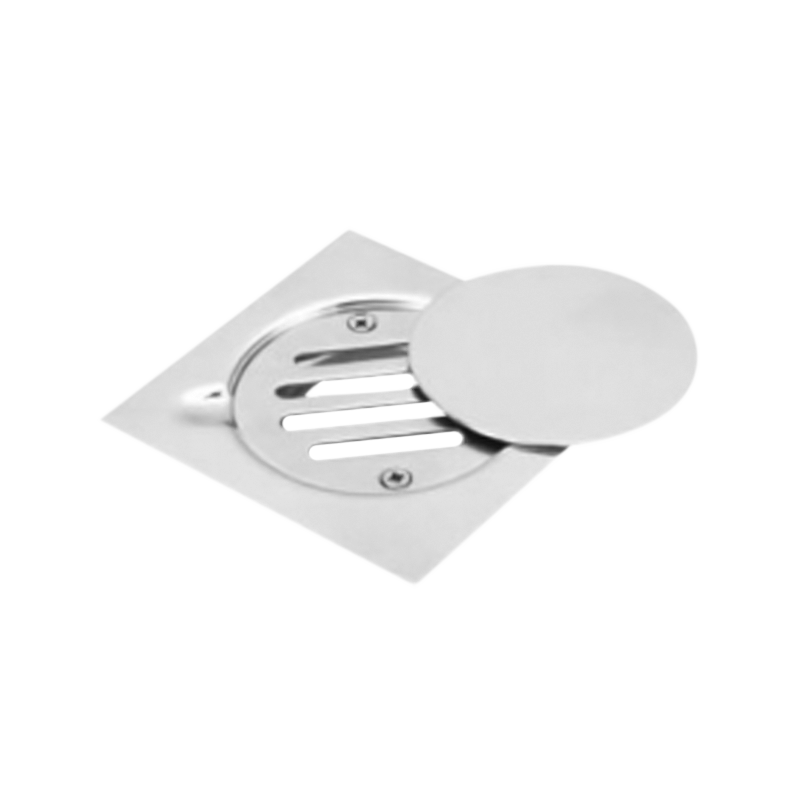
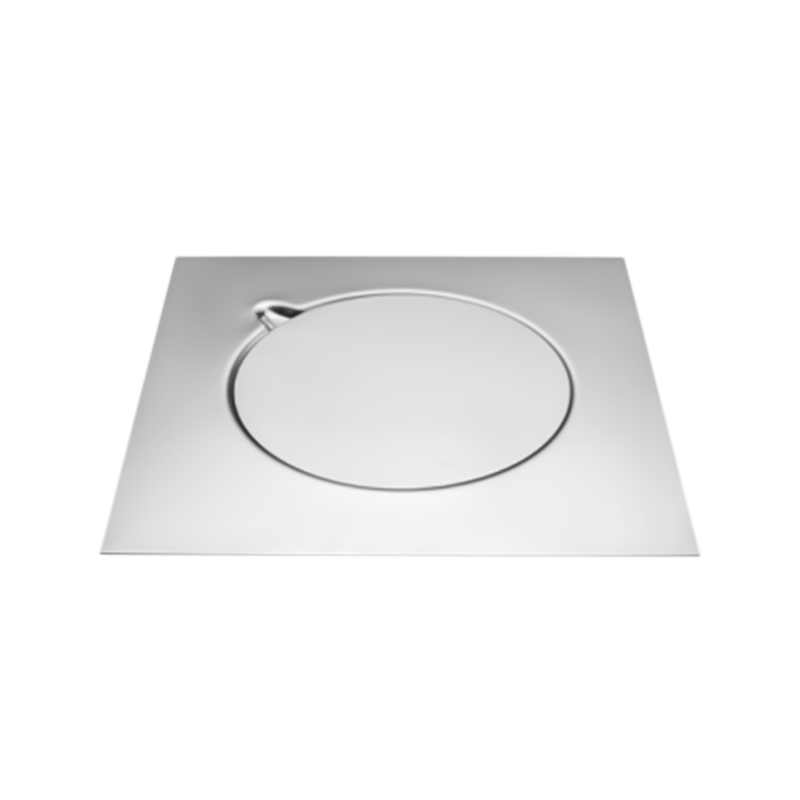
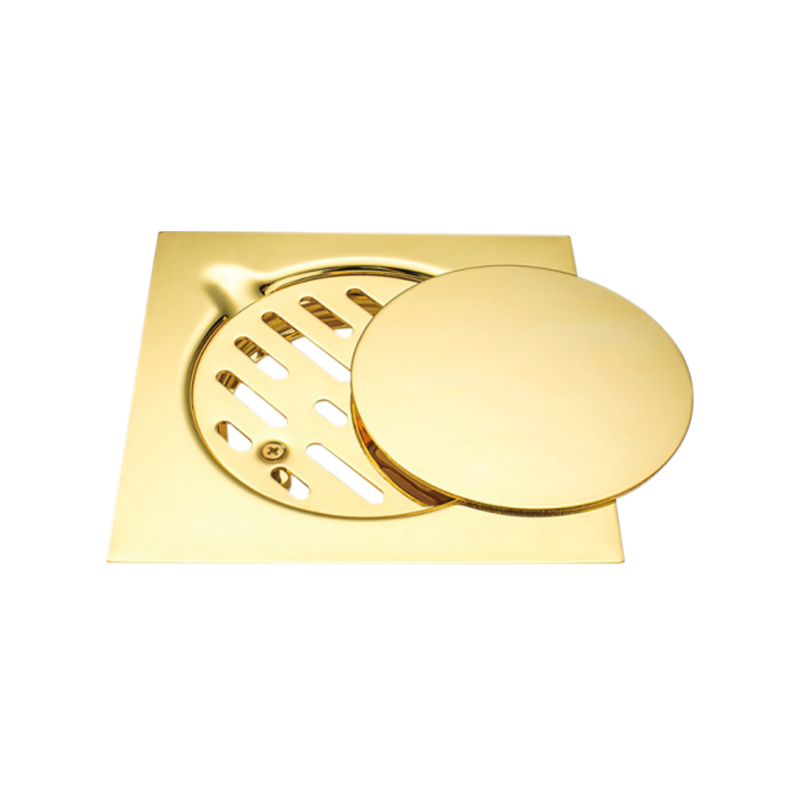
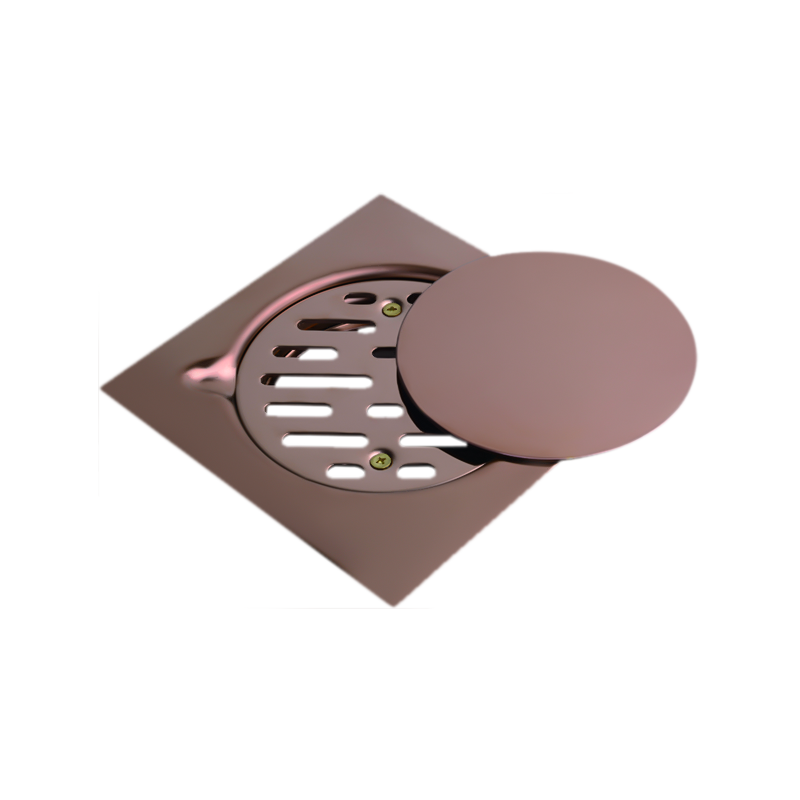
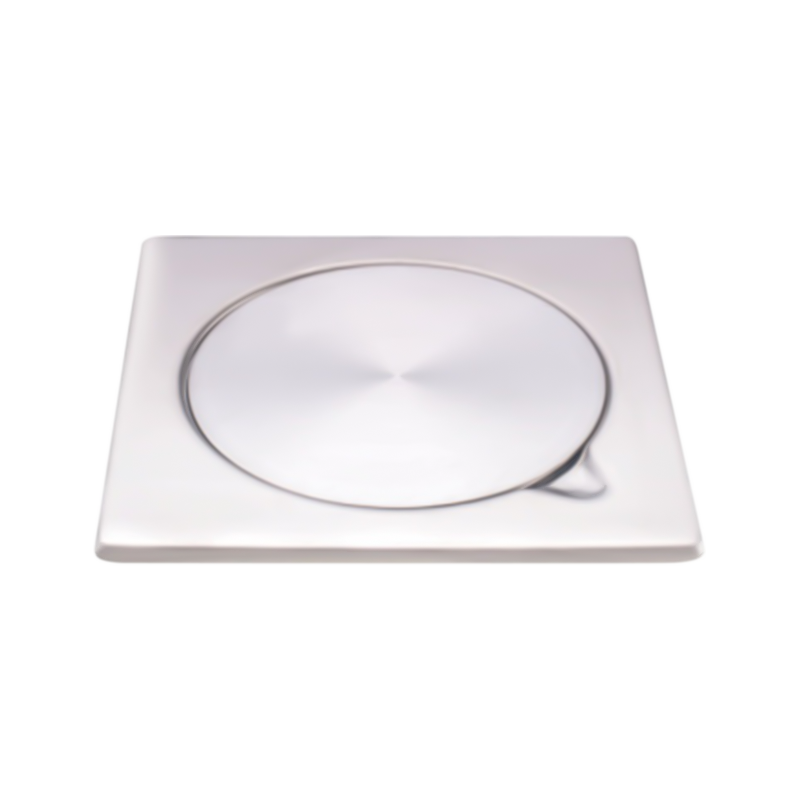
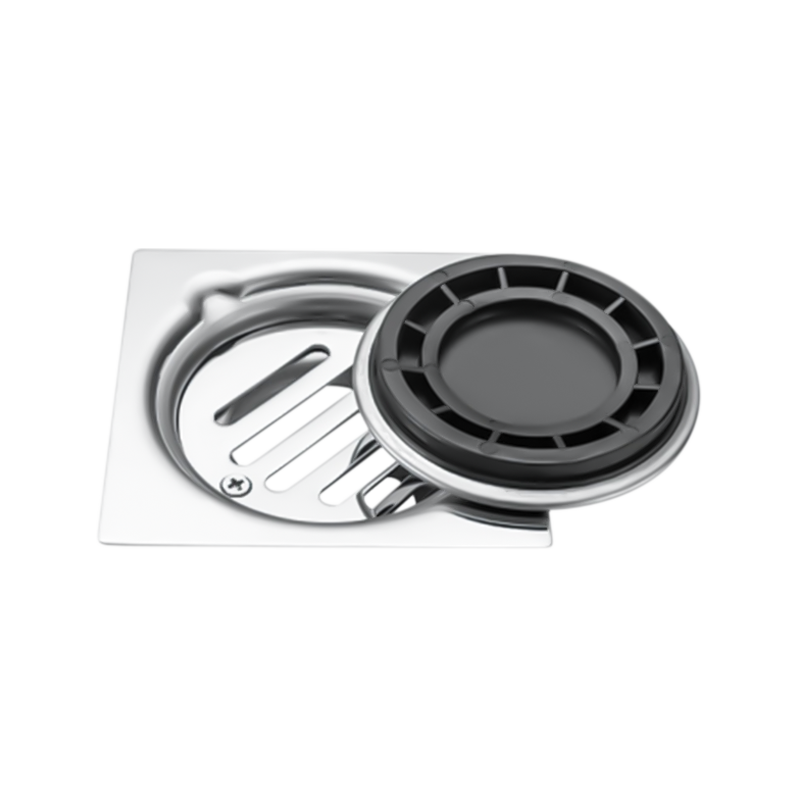
Picking the right material, type, and details means better drainage, safer use, and a nicer overall look. As a manufacturer we pay close attention to what customers actually need and prefer so the Supply Shower Floor we offer adds real value to any project. When it is done properly, it quietly improves the whole shower experience every single day. And if you're shopping around, you'll find plenty of Shower Floor For Sale options that fit different budgets and styles.


 Add: No 3 District Xiaowufen Industrial Zone, Pengjie Town, Luqiao District, Taizhou City, Zhejiang Province, China.
 Tel: +86-576-89203599
 Fax: +86-576-89203598
 Email: [email protected],[email protected],[email protected]
Copyright © Taizhou Shenzhou Sanitary Ware Co., Ltd. All Rights Reserved.


 عربى
عربى 0
0
