You know those little openings built into the floor of bathrooms, kitchens, or even laundry rooms? The ones that swallow up spilled water or shower runoff without anyone giving them a second thought? They do their job day in and day out, but when they're not set up with a decent barrier against stuff coming back from the pipes below, small issues start showing up that can really throw off how comfortable the whole place feels. It's one of those behind-the-scenes things that folks only notice when something's off, like a weird smell or a damp patch that won't dry.
The whole point of adding that solid barrier is pretty simple once you break it down. You're basically creating a setup that keeps vapors and moisture from traveling upward while still letting water drain away like it should. No big complicated tools or expensive overhauls needed—just smart, everyday choices that keep the space feeling fresh and working smoothly. Once it clicks how this works, it's easy to see why more people are paying attention to it instead of waiting for problems to pop up.
Imagine what goes wrong without that barrier in place. Vapors from the lines underneath can slip right into the room, carrying odors that stick around and make even clean areas feel stale. It's not dramatic at first, but after a few weeks it starts to affect how you enjoy the kitchen during dinner prep or the bathroom after a long day. And it's not only the nose that notices. Over time, that constant low-level exposure can make you question if the air in those spots is as clean as it could be, especially in homes where family spends a lot of time together.
Then you've got the uninvited guests that sometimes find their way in. These open paths can act like shortcuts for bugs or tiny critters coming up from lower connections or outside links. Before you know it, you're spotting them in corners or along baseboards, going to extra cleaning sessions and maybe even a call to someone who handles that sort of thing. It turns into one of those nagging distractions that pulls focus away from the good parts of home life.
On top of that, any loose spots around the edges let water sneak past and create wet areas on the floor or nearby surfaces. That extra dampness can slowly go to marks, softness in the material, or even growth you definitely don't want. Plenty of homeowners have seen this creep in after a busy stretch of use and wished they'd caught it earlier. A little attention upfront stops those kinds of surprises and keeps everything holding up longer.
Putting the barrier together follows a step-by-step path that feels doable once you see it laid out. It usually starts by dropping in a basic water trap right at the opening. This uses a small pool that refreshes itself every time liquid flows through, creating a natural stop for anything rising up. After that, you turn to the joints and edges. A flexible sealing material or a snug-fitting ring fills every gap, locking things tight so nothing slips through during normal daily activity.
What really keeps it working, though, is staying on top of it with light checks now and then. Depending on how much traffic the area gets, a quick look every couple of months spots tiny shifts before they become bigger deals. Shine a light in there, wipe away any buildup, and add a fresh touch of sealer where it looks needed. It becomes less of a chore and more of a quick routine that pays off by keeping flow steady and the space feeling right.
The everyday wins from doing this show up in ways you might not expect at first. High-traffic rooms end up feeling noticeably cleaner because any unwanted elements stay where they belong instead of drifting around. Families often say the change is subtle but real—those wet zones just seem more pleasant to be in, especially when water is part of the daily routine. It adds to that overall sense that the house is handling itself well without constant fuss.
Odor control is probably the part people notice first. With the barrier doing its quiet work, those background scents stay contained and don't wander into living areas. Cooking spaces keep their inviting feel even during busy meal times, and bathing areas stay fresh long after use. It's the sort of improvement that makes routines smoother without anyone having to do extra work.
Keeping bugs and such out becomes a lot easier too. By closing off the pathways, surprise encounters drop way down, which means fewer interruptions and less scrambling to handle them. Home life just flows better when you're not pausing to check corners or adjust plans around something unexpected.
Structurally, holding back that extra moisture helps everything underneath stay stronger. Bases and surrounding parts avoid the wear that comes from repeated dampness, so they keep their solid feel over the years. Many folks find this small step cuts down on little repairs that would otherwise add up, leaving more of the home looking and working the way it should.
A lot of building rules in different areas stress the need for these barriers in both new work and updates to older setups. Following along with that gives extra reassurance that the whole system lines up with how spaces are meant to function safely. It's another layer that makes the house feel properly equipped for whatever daily life throws at it.
Getting started doesn't have to be a big production. Begin with a close look at what's already there—measure the openings, note how things connect, and spot any earlier signs of wear. That quick check points you to the trap style and sealing choices that match your setup best.
When choosing supplies, pick ones built to handle regular water exposure and the temperature swings that happen in many homes. Flexible compounds that don't harden up too fast work great around joints, and well-made traps keep the barrier consistent. Testing a small piece in your actual spot can confirm it all plays nice before you go full in.
If you're okay with basic tools, handling it yourself works well for straightforward cases. Clear the area, remove anything old, set the new trap so the water level sits right, then smooth the sealer evenly around every edge. Give it the full time to set as the instructions say, then run a small test pour to watch it drain clean. Seeing it work smoothly gives that nice “job done” feeling.
For layouts that are more involved or when you just want total confidence, having someone with experience step in makes good sense. They've worked with all sorts of arrangements and can make sure it meets whatever local expectations apply. Either path gets you to the same end: a setup that hums along quietly in the background, taking care of its job without calling attention to itself.
Building a light maintenance habit keeps the benefits rolling. While you're already wiping down the area during regular cleaning, take an extra second to scan the edges for any cracks or looseness. Gentle cleaners clear residue without hurting the seal. If the flow starts to slow or you hear anything unusual, check it right away instead of letting it sit.
In spots that see heavy use—like laundry rooms or food prep areas—a simple screen that lets water through but catches bigger bits can lighten the cleaning load. These small add-ons cut down how often you need to dig deeper and help the whole thing stay reliable for longer stretches.
Match your schedule to how your household actually lives. Busy wet zones might need a monthly glance, using a flashlight to peek into hidden spots and catch gaps early. Pour a bucket of water and note how fast it clears—that tells you a lot about whether everything's still clear. Topping off the trap liquid after quiet periods takes almost no time and brings the barrier right back.
Areas that don't get as much action might only need attention every three months or so. Keep a small box handy with spare rings, a tube of sealer, and a few basic tools so any minor fix happens on the spot. Jotting down what you did each time helps you notice patterns, like how certain seasons affect things, so you can stay ahead of them.
Tying these checks into other home tasks—filter changes, seasonal cleaning, whatever—turns the whole thing into part of the regular flow instead of an extra item on the list. That way nothing gets missed when life picks up speed.
Looking at the bigger picture, these sealed spots fit neatly into the rest of the home's layout. In lower areas used for storage or downtime, the barrier stops any crossover between levels, keeping stored items from picking up unwanted notes and letting activities go on without distraction. Newer trap designs adjust on their own to different flow speeds, and updated sealing materials hold up against everyday household stuff, stretching the time between any touch-ups even further.
People who've gone through this process often mention the difference it made in their daily routine. Scents that used to appear out of nowhere simply stopped showing up. Small damp areas dried out after the update, heading off bigger fixes down the line. In a house with frequent wash loads, the sealed spot in that room keeps nearby linens from taking on any off notes. Cooking zones stay clear during family meals, making time together more enjoyable without background distractions.
Lower-level hobby areas benefit as well, with game nights or projects feeling more relaxed because there's no quiet worry in the air. Parents like knowing play spaces stay easy to keep fresh and inviting. Even guest areas pick up that extra touch of freshness, leaving visitors comfortable in a way that's hard to put a finger on but easy to appreciate.
A handful of common slip-ups are pretty easy to avoid if you stay mindful. Rushing the curing time for sealers is one that leads to early gaps more often than you'd think. Going with supplies that aren't rated for your particular conditions can shorten how long the setup lasts. And skipping those regular looks turns a solid fix into something that needs attention sooner than it should.
The better approach is to gather supplies ahead of time, follow each step without shortcuts, and keep a simple record for later reference. That steady method cuts down on surprises and gets the value from the time you put in.
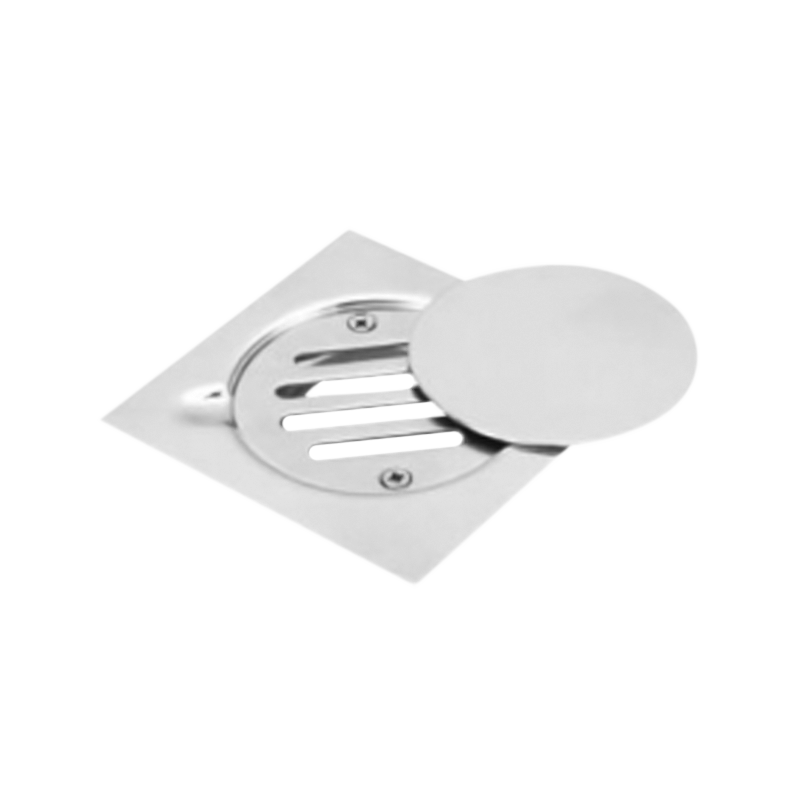
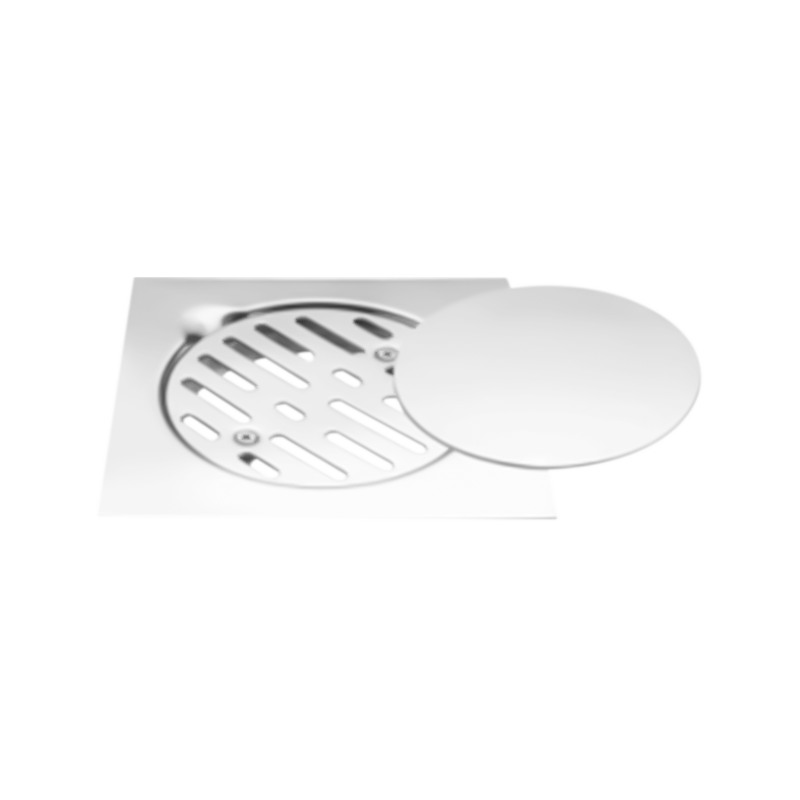
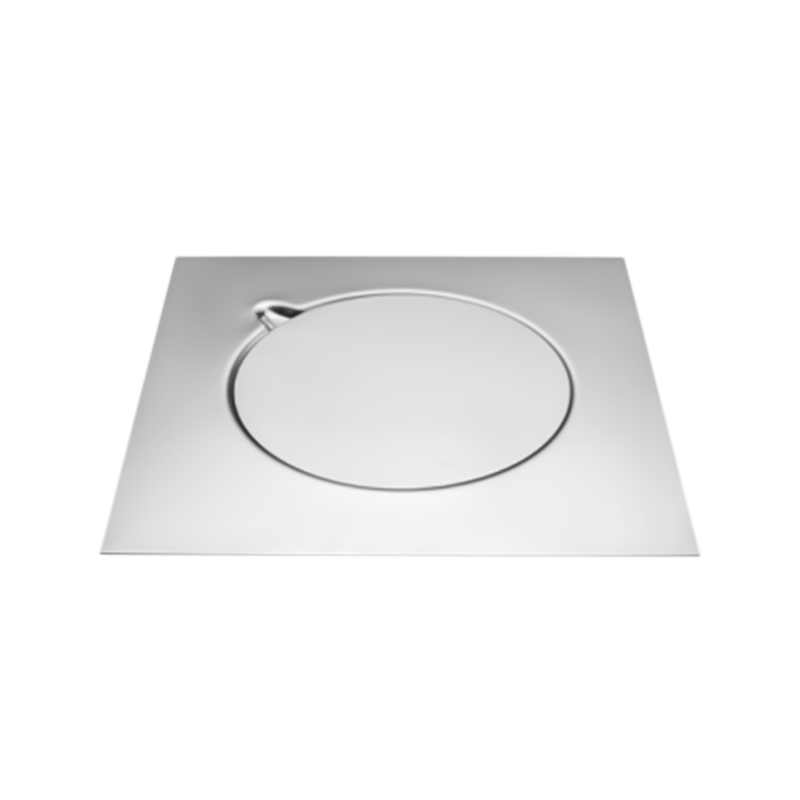
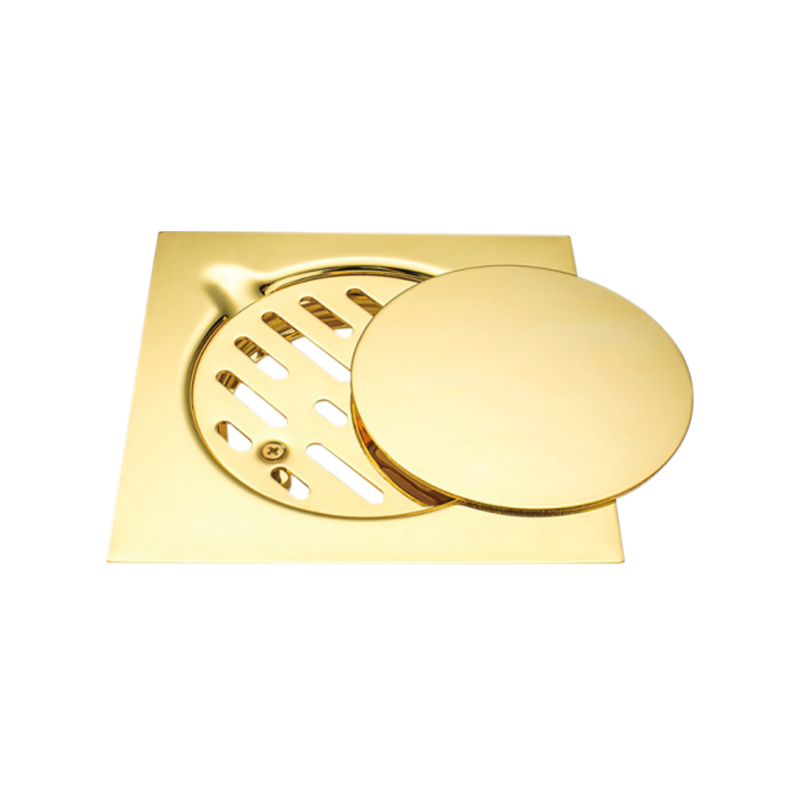
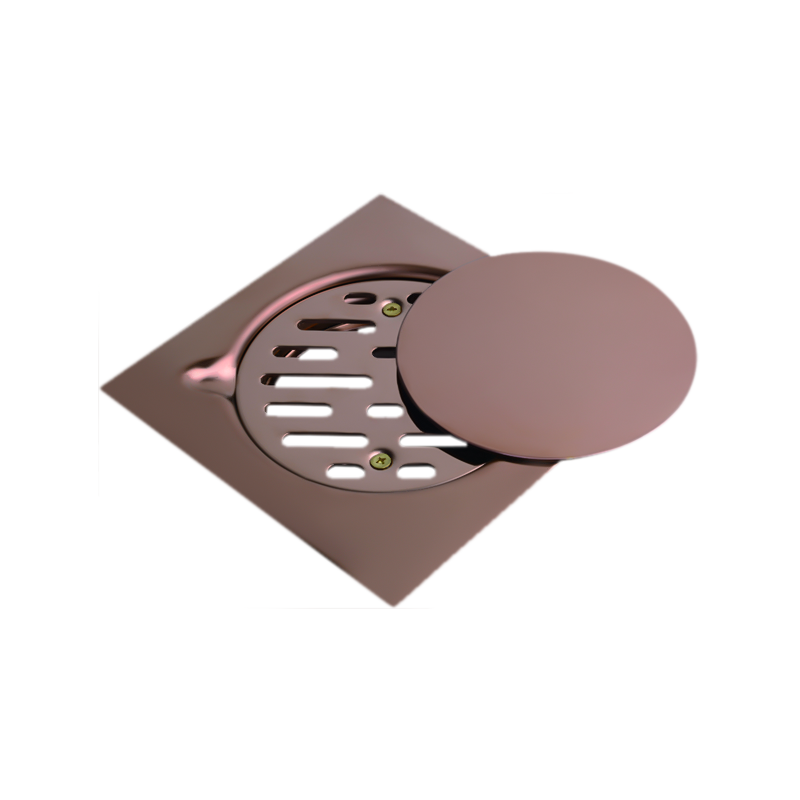
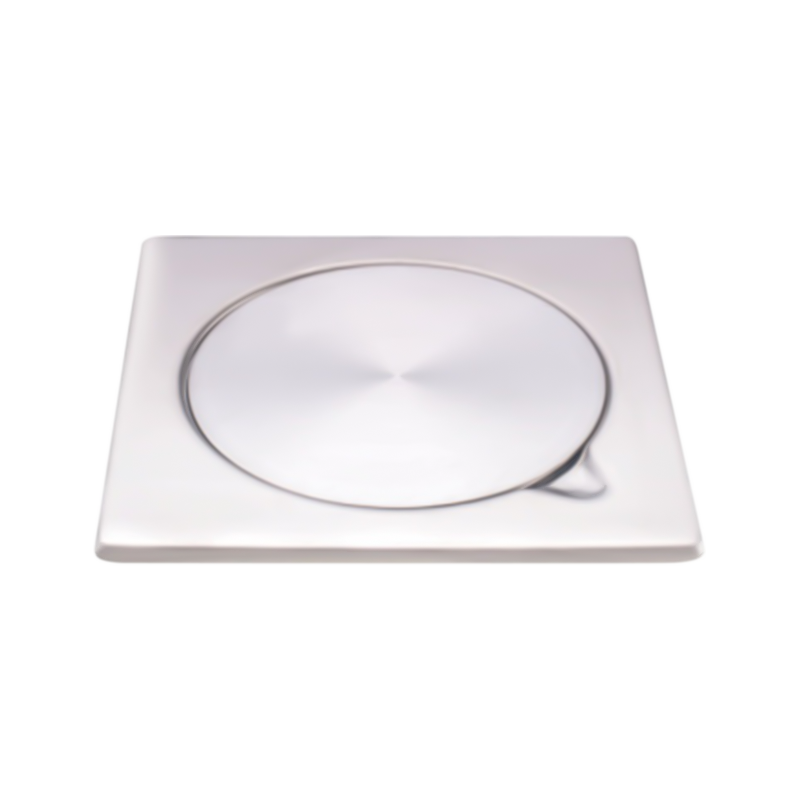
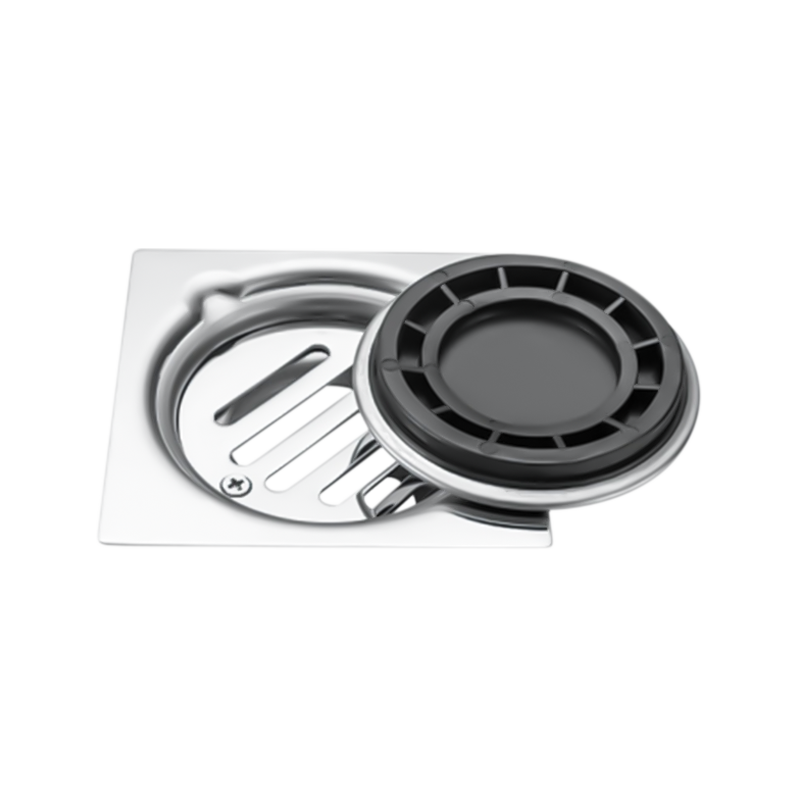
Some effective solutions come from the China Floor Drain Air Proof design. For setups involving a work basin, a Custom Utility Sink Floor Drain offers flexibility. Those seeking quality pieces often work with a Gold Floor Drain Manufacturer to get reliable results.
In the end, giving a bit of thought to these base-level waste spots turns out to be one of those small moves that quietly lifts the whole home. With the barrier in place, a few consistent checks, and some planning around how the rooms actually get used, everything just runs smoother. Spaces stay fresher, potential issues stay contained, and the house supports daily life without adding extra weight.
It's the kind of detail that improves things over months and years without ever feeling like work. Whether you tackle it on a quiet weekend or fold it into larger updates, the result is a home that handles its role more easily, leaving more room for the parts you actually enjoy. Families pick up on the shift in how welcoming the rooms feel, and the lighter upkeep means more time for what matters most. At the bottom of it all, it's about building an environment that works alongside you instead of creating little hurdles, one sealed opening at a time.


 Add: No 3 District Xiaowufen Industrial Zone, Pengjie Town, Luqiao District, Taizhou City, Zhejiang Province, China.
 Tel: +86-576-89203599
 Fax: +86-576-89203598
 Email: [email protected],[email protected],[email protected]
Copyright © Taizhou Shenzhou Sanitary Ware Co., Ltd. All Rights Reserved.


 عربى
عربى 0
0
