As bathroom styles keep shifting to match how people really go about their days, both regular homeowners doing weekend fixes and the contractors on bigger jobs are noticing those little details that actually keep damp spots working right and staying fresh month after month. One set of parts that often slips under the radar but makes a real difference is Shower Drains Accessories. They handle the movement of water, cut down on backups, and quietly help the whole area feel cleaner without anyone making a fuss until things start feeling off. If you have ever stepped out after a long day and noticed slow clearing or a faint musty hint lingering, you already get how these pieces quietly earn their keep. This piece pulls together the questions that come up time and again in actual houses, pulling from the kinds of routines folks deal with every week. We will go over the basics, lay out steps that fit into busy lives, and toss in extra pointers from typical setups so you can tackle things yourself and skip the specialist calls unless it really calls for one.
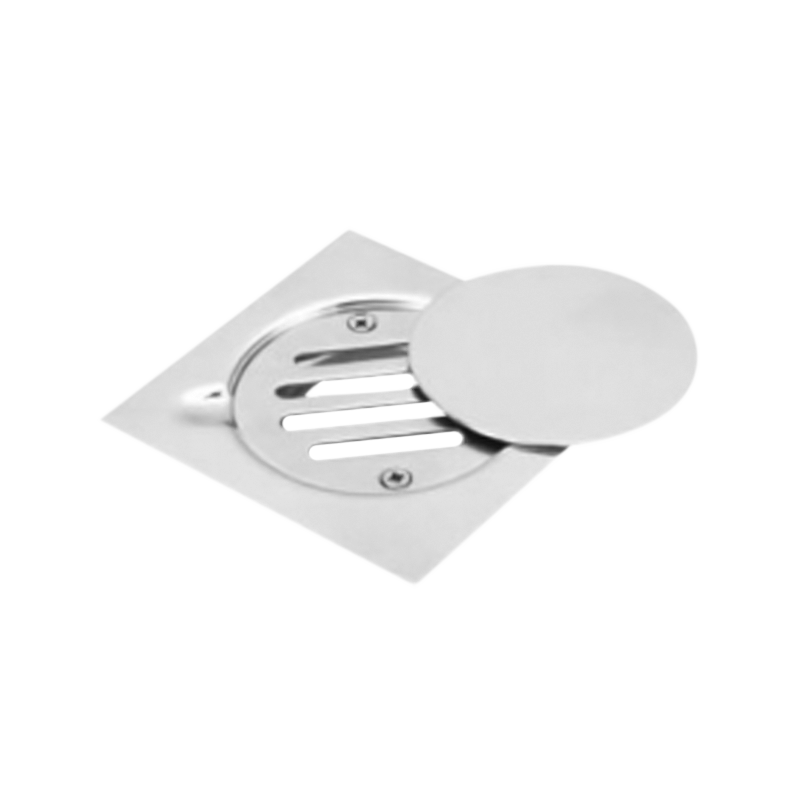
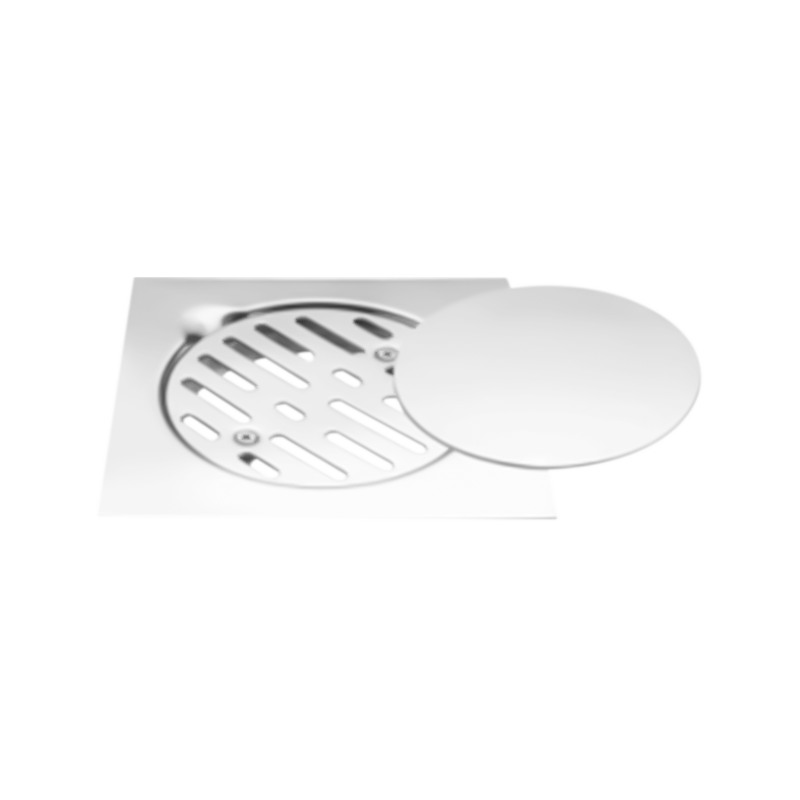
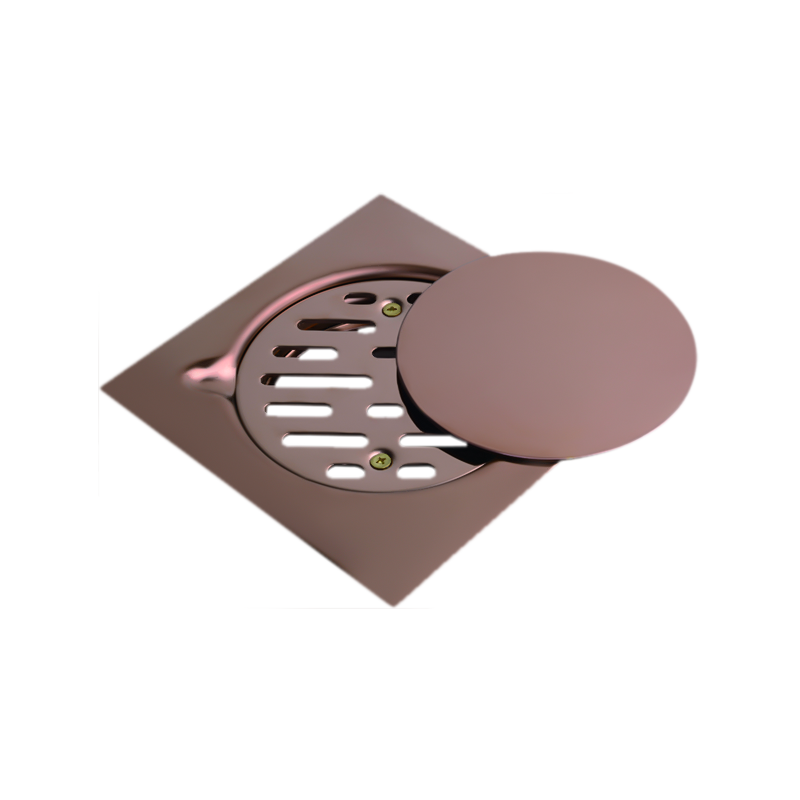
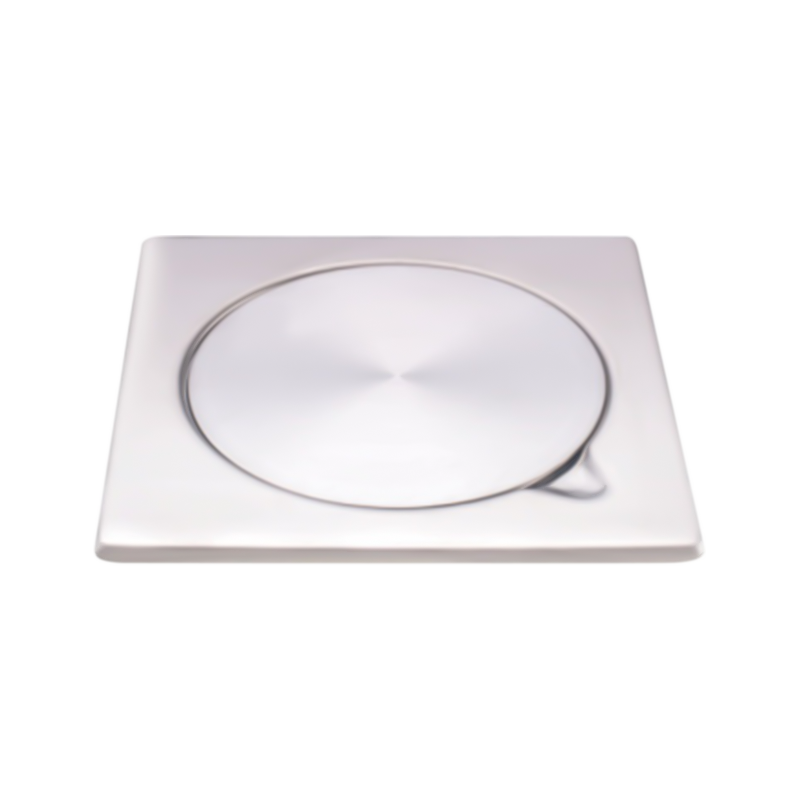
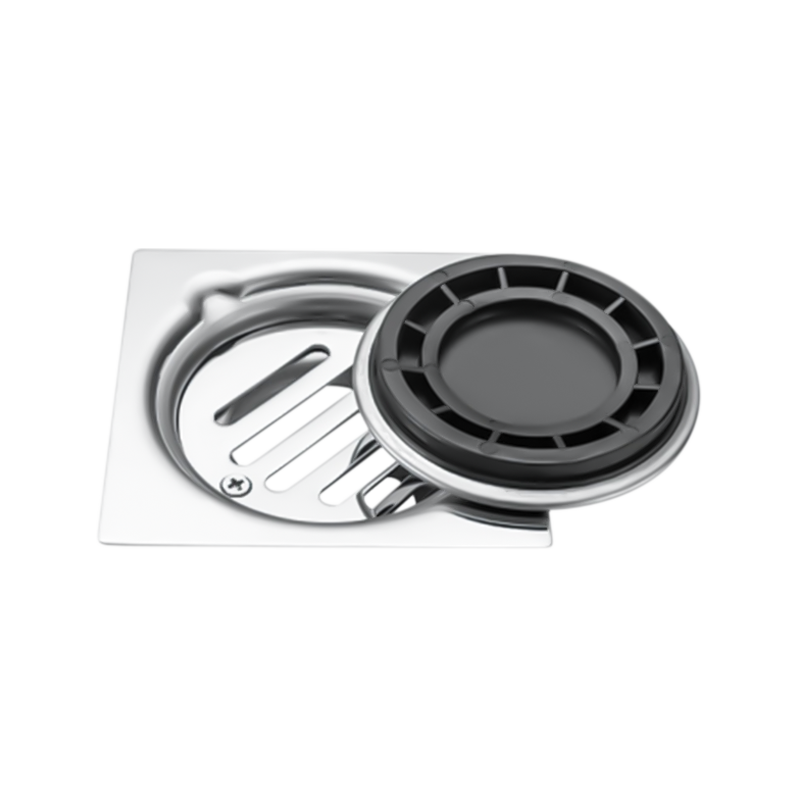
Picture the outflow system pieces in a standard bathing spot. They are the bunch of connected bits tied straight to the exit point. You have the flat cover or grate sitting flush with the floor, letting liquid slip through while holding back bigger chunks that could drop in. Right inside sits a catcher or screen built to grab loose strands, soap bits, or tiny particles before they head deeper. Flexible rings and barriers form snug fits around the sides to block any leaks sneaking out sideways and keep the whole thing solid. Down lower, curved sections often trap a bit of liquid that works as a simple barrier stopping gases from coming back up. Some include plain caps or finish bits that blend with whatever look you have going, from sharp square tiles to softer traditional patterns. Each bit links up to build a full setup that keeps liquid moving steady without pauses. In places put up years back, you might spot versions with extra adjustment rings that make up for the base settling a bit over time. Picking the right match means measuring the opening carefully and thinking about how the spot gets used daily. Households with kids splashing or several adults cycling through need tougher options that stand up to heavier loads, while a solo setup in a smaller place can manage with lighter ones that swap out fast. Spending a few minutes learning what each bit does turns the whole hidden setup from a mystery into something you can handle on cleaning days. A bad match on the top layer, for instance, might cause little slips or uneven spots wearing down faster, but getting it right from the start stops those issues cold and keeps the area steady through ordinary routines.
These flow pieces end up counting for more than they seem at because they shield the whole zone from the slow kind of damage that creeps in when liquid hangs around too long. When movement slows, moisture pools and creates slick patches, invites growth on walls, or even softens the layer underneath after repeated exposure. In spots seeing heavy traffic several times daily, they act as the screen, snagging loose stuff early so it never reaches the deeper lines and triggers slowdowns or total blocks. That alone cuts the odds of sudden messes during rushed starts or evening wind-downs. They also lend a hand with air quality by holding back hidden buildup that could stir up allergies or make the space feel stuffy, especially in humid spots or tight living areas. Over stretches of months, keeping ahead here saves actual cash since little problems stay little and do not balloon into pipe overhauls or surface fixes that shut everything down for hours. Think about sticky summer stretches or homes where long sessions are the norm—the smooth shift of liquid means less leftover dampness, so fans or heaters do not grind extra to manage the feel. Lots of folks notice a clear change after putting in better versions: the area dries quicker, holds its fresh feel longer, and those stray puddles after a fast rinse turn rare. It is exactly the kind of background detail that smooths out daily life without drawing attention or pushing anyone to overspend on showy changes.
Sticking to a regular cleaning rhythm for these water exit bits keeps them running smooth with hardly any fuss. In houses, checking things fully every four weeks hits the sweet spot. Start by easing the top layer free—it usually twists or lifts with a light tug—then sweep away any visible strands or film with a soft brush or covered hands. The inner catcher comes out easy next; dump the contents and rinse it clean under running water to wash off soap film, especially where minerals in the supply make it cling tighter. For homes with multiple people using the space, a fast glance every week or so catches things before any smells build. Simple mixes like baking soda chased with a mild rinse often break down the film nicely without grabbing harsh bottles, though testing a small area on your surfaces avoids surprises. The job rarely tops ten minutes when you stay consistent, and it stretches how long the whole setup lasts. Letting it slide tends to bring more outside help calls, so slipping it into your normal chore list—like wiping counters or checking other spots—turns it into just another ordinary task instead of a production. Where water runs harder, a light treatment every couple of months keeps metal bright and flow even. These patterns over the years change possible weak spots into reliable bits you barely register until something else in the house needs a look.
Blocking buildup in the flow control fittings kicks off with a smart pick right at installation. Setting a basic screen or holder straight over the opening grabs loose material before it slides farther and knots up with other waste down the line. After each use or wrapping the week, just pull it free, toss what collected, and rinse it quick under the tap—simple as that, but it keeps liquid moving without reaching for chemicals that eat at pipes over seasons. Families handling longer strands swear by this step, flipping what might become a monthly hassle into a two-minute routine you forget about right after. Mix in daily habits like brushing out beforehand or using separate spots for wipes, and the payoff shows fast in smoother operation. Some designs add handy lift tabs that make the pull even quicker, so it never piles on as work. Staying ahead this way means fewer sudden stops and steadier flow through busy stretches like holidays or crunch weeks at work. Bigger picture, it helps the full piping network hold up longer, sparing you from jobs that might cut the supply for a good while during fixes.
The same bits often help manage smells with almost no extra input. Many feature lower sections holding a small liquid pool that blocks gases rising from deeper lines. When flexible barriers age or pick up tiny cracks from repeated heat and damp, faint odors can ease through even if the top looks spotless. Swapping a tired piece or layering on a fresh one built for the job usually clears the air fast. In shared buildings or compact quarters, this stands out more, balancing the atmosphere without leaning on sprays or cracking windows constantly. A quick peek while cleaning catches wear before it spreads, and going for reinforced styles adds staying power without added steps. It becomes one of those quiet upgrades making routines feel cleaner, particularly where air moves less freely. Humidity shifts across seasons speed things up sometimes, so extra eyes during wetter periods stop surprises and hold the space comfortable round the clock.
Sizing and fit for these components run all over the map depending on the original build and maker. Before grabbing anything new, measure across the widest part of the opening and note depth plus shape—round, square, or that slight oval popping up in newer styles. Plenty come with flexible tweaks or supplier charts that line up with non-standard bases from older builds without big changes. This comes in handy during refreshes when you want updated looks but leave lines untouched. Local spots or online lists spell out matches to dodge wrong orders, and snapping a photo of what you have speeds selection. In homes from earlier times where measurements followed different rules, these adaptable picks trim custom work and extra costs. It knocks out guesswork and lets you zero in on getting the fit solid the go.
Spotting the need for new pieces comes from catching a few plain signals in normal use. Liquid taking its time to clear, edges staying damp longer, or smells regular cleaning misses are usual early flags. Look for wear like color changes, small splits in flexible spots, or parts that move when touched. Softer rings especially lose hold after years of exposure, risking seepage that hits lower layers if ignored. Monthly checks while wiping catch early, often before they disrupt high-use times. Even post deep clean, slow movement might mean internals need changing rather than just surface stuff. Handling it soon keeps everything dependable and stops busy periods—like everyone rushing out the door—from becoming frustrating slowdowns that throw the day off.
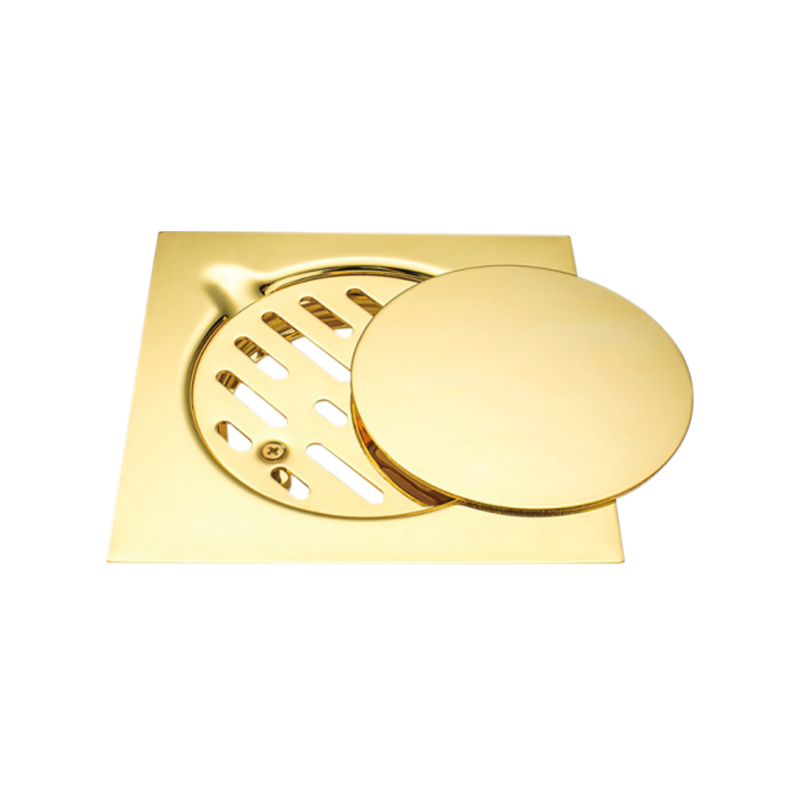
Materials for these outflow pieces spread across options to match budgets, looks, and needs. A solid metal sort stands daily use and fights corrosion, fitting active homes or supplies heavy on minerals. Lighter synthetics hold costs down and swap quick, though they might not last as long under heavy steps. Brass adds warmth and strength for styled areas, needing occasional shine care. Flexible rubber types form tight seals adjusting to small shifts or uneven spots. Weigh local water, the room feel, and usage when choosing—labels often flag resistance to forecast longer runs. Coastal or steamy spots benefit from corrosion picks that ease upkeep without extra treatments.
Doing the swap yourself handles many basic pieces with little beyond hands or basic tools. Shut nearby supply if called for, lift the old top or inner catcher by its mechanism, clean the area of old bits, seat the new one flush, then test with a small run to check leaks. The task wraps under fifteen minutes usually. Deeper connections or permanent seals around pipes call for experienced help to avoid spills or pressure hiccups later. Short clips for your exact type build know-how if new, but always verify fit and safety . Plenty of people find these quick hands-on bits give a sense of control at home and open schedules for other projects instead of holding for bookings.
Beyond the main points, extra layers can shift reliability in all kinds of homes. Mineral-heavy water areas gain from pieces treated against deposits, cutting clean times and keeping surfaces newer. Recent looks lean slim and low to blend with floor patterns for safety and seamless style without catch points. Environment-focused folks hunt recyclable or lower-impact types pairing with other green choices. Room airflow backs the system by trimming moisture speeding flexible wear. Older property updates smooth with kits matching multiple bits for consistency. Thoughtful picks build quietly, shaping environments handling daily loads without notice or tweaks.
These flow elements also tie into wider bathing maintenance in ways that matter. Apartments short on air flow do better with stronger seals holding balance even when windows stay shut in cold snaps. Larger family spots peaking evenings gain from a daily inner rinse habit stopping small collections before they grow by week’s end. Seasons bring patterns—drier winters might need lighter checks, but spring and fall humidity bumps call for closer barrier watches to catch early cracks. Many turn upkeep into a two-minute thing with a dedicated brush nearby instead of delaying until issues show. Over time it stretches component life and trims household repair tallies since smooth liquid cuts strain on heaters or waste lines.
Oversights sneak in without close attention at selection or care. Assuming sizes swap freely without measuring leads to loose fits letting debris bypass entirely. Skipping test flow post install shows leaks days later under pressure. Overlooking material matches to water chemistry speeds corrosion or color loss needing earlier swaps. Dodging these by measuring twice, reading labels full, and confirming compatibility pays by skipping repeat work and holding the area steady longer. Rentals where permanent shifts are off limits use temporary or adjustable options keeping performance without lease issues.
Planning a full refresh of the bathing area works folding these outflow pieces in early so they line up with new floors or fixtures. Noting existing depth before ordering or checking supplier guides avoids last-minute fixes delaying the job. Success often starts with a complete parts list including spares like extra rings for quick future fixes, readying the system for years ahead. This thinking ahead turns potential overload into steps enhancing room function and comfort.
All told, focusing on these bathroom flow components brings smoother routines, fewer surprise fixes, and a setup that fits real life without added pressure. Steady checks, basic prevention, and on-time swaps dodge usual headaches and let the space work as meant. Whether refreshing one part or full updates, they earn space on maintenance or planning lists for results holding through seasons and shifts. Approaching them with care matching visible features builds a base operating quietly, making each use steadier and the area simpler to live with day in and day out. Plenty of everyday setups prove that paying mind here turns potential annoyances into background reliability you count on without thinking. From busy mornings to quiet evenings, the difference shows in how the space just works, letting you focus on what matters instead of chasing small issues. Over years it adds up to less spent on repairs and more time enjoying the home as it should feel.


 Add: No 3 District Xiaowufen Industrial Zone, Pengjie Town, Luqiao District, Taizhou City, Zhejiang Province, China.
 Tel: +86-576-89203599
 Fax: +86-576-89203598
 Email: [email protected],[email protected],[email protected]
Copyright © Taizhou Shenzhou Sanitary Ware Co., Ltd. All Rights Reserved.


 عربى
عربى 0
0
