Balconies and terraces turn into that extra living room where you actually want to hang out—fresh air hitting your face, sunlight warming your skin, and a view that beats staring at four walls any day. But here's the thing: all that open-air living comes with rain, garden hoses, random spills, and those surprise thunderstorms that can turn a cozy spot into a slippery disaster or send water creeping inside your house. Most people don't give a second thought to the little hero tucked under the floor grate until puddles start collecting or funky smells start drifting in. That's exactly where a solid water-seal setup steps up. It keeps everything flowing one direction while blocking backups from below, so your outdoor area stays usable instead of becoming a constant headache.
Picture this scenario: a quick afternoon thunderstorm rolls through, and instead of dodging puddles or stressing about water ruining your patio furniture, everything just drains away fast. Kids can chase each other without slipping, and you're not left worrying about mold or warped tiles showing up later. Living out here in drier spots like the Southwest, those sudden heavy bursts still catch everyone off guard, and having the right setup really changes the game. I've talked to tons of homeowners who brushed off early warning signs—slow draining one week, a faint odor the next—only to end up with hefty repair bills down the road. Taking a little time now to learn about these parts saves a ton of frustration and cash over the years.
So what does this water-seal gadget actually do, and why should it matter to you? At its heart, it's a smart plumbing trick that traps just enough liquid to stop nasty sewer gases and critters from crawling right up into your home. Imagine it like a mini dam inside the pipe: water heads down and out easy, but nothing gross sneaks back upward. The concept has been around in home plumbing forever, yet today's versions use tougher materials and clever curves to deal with leaves, dirt, and all the random junk outdoor life throws their way. On a busy deck or patio, you need something that won't clog up fast or let debris pile up unnoticed.
The biggest payoff is cleaner indoor air, hands down. Those sewer smells aren't just gross—they can irritate your eyes, nose, or even spark allergies if you're breathing them in regularly. Holding that liquid barrier strong keeps your living spaces feeling fresh, even right after a big rain. It also stops bugs and rodents from treating your pipes like their personal backdoor entrance. In humid or coastal spots, this protection matters even more because moisture kicks everything into high gear. Most building codes these days require these seals on any raised outdoor floor to keep folks safe and avoid headaches with inspectors or insurance companies.
It's not only about smells and pests, either. These setups really shine when heavy rain hits and you don't want water backing up to flood your tiles or walls. A good one pushes water downward smoothly while fighting any reverse pressure from the main lines. That cuts down on erosion around the base and prevents those expensive indoor leaks from happening. I know several older homes that got upgraded after surprise flooding during storms, and the owners swear it completely changed how they actually use their outdoor spaces—no more canceling plans because of standing water everywhere.
Let me walk you through how it works step by step, so you can picture it clearly. Rain or hose water hits the grate and drops straight into a curved pipe section—usually a U or P shape. That curve holds onto a pocket of water, making a tight block against any rising vapors. Fresh water arrives, shoves the old stuff onward into the sewer, and refreshes the seal all at once. Gravity does much of the heavy work, but the design makes sure nothing slips back through. Sure, over a few weeks the water might evaporate a bit, so a quick top-up with plain tap water brings everything back to full strength. Once it's installed right, the whole thing just keeps humming along with almost zero effort from you.
Pros always stress testing the whole setup after any work because even a tiny gap can cause trouble later on. People in windy or dusty areas often slap on simple screens over the grate to keep junk out and stretch the system's lifespan. Newer models come with wider openings for quicker clearing or special coatings that fight bacteria—great for busy families who hate constant upkeep.
Putting one in doesn't have to be a massive project. Most jobs take a pro just a couple of hours, and handy folks with basic tools can manage simpler ones themselves. Start by mapping where your pipes run under the floor so you pick the good spot. Choose a size and length that matches your layout—some decks or patios need extra reach for weird corners or slopes. Clear out old parts, clean everything thoroughly, and lock in solid connections with quality gaskets. Make sure it sits level so water doesn't collect, then run several gallons through to double-check for leaks. If the job starts looking complicated, bring in a licensed plumber to stay on the right side of local rules.
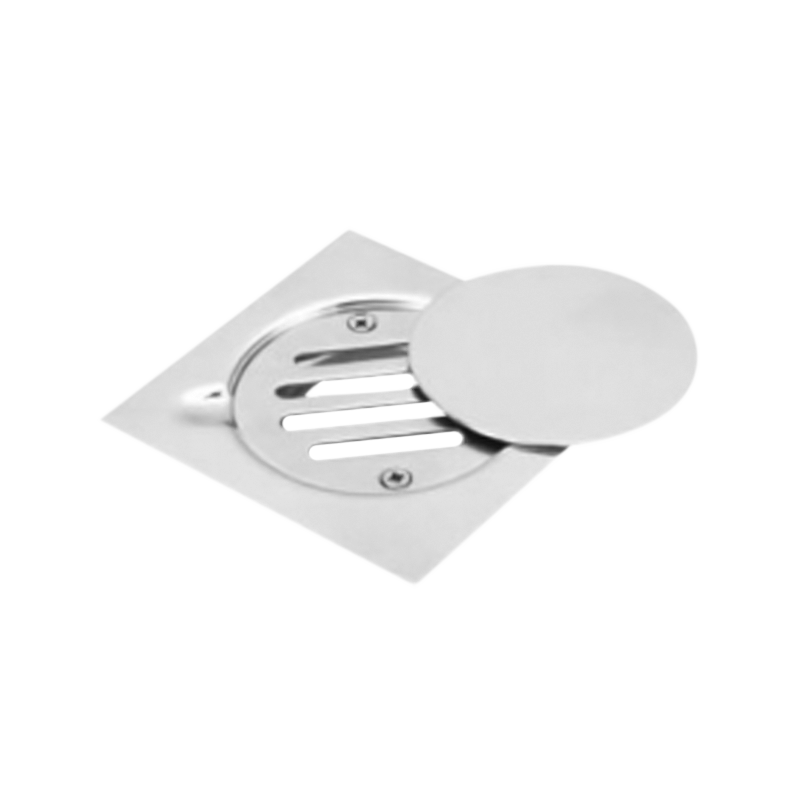
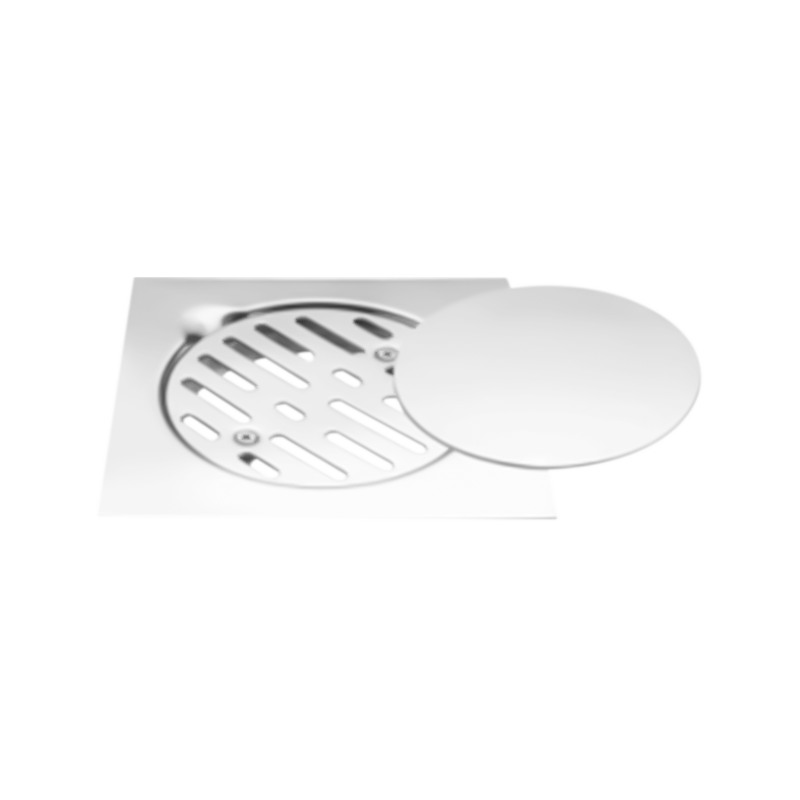
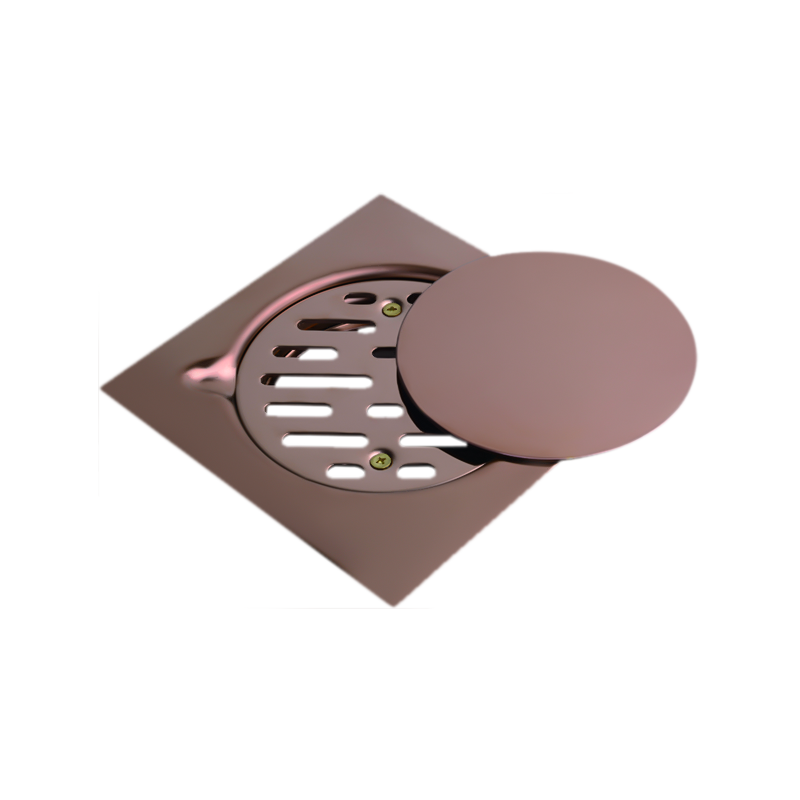
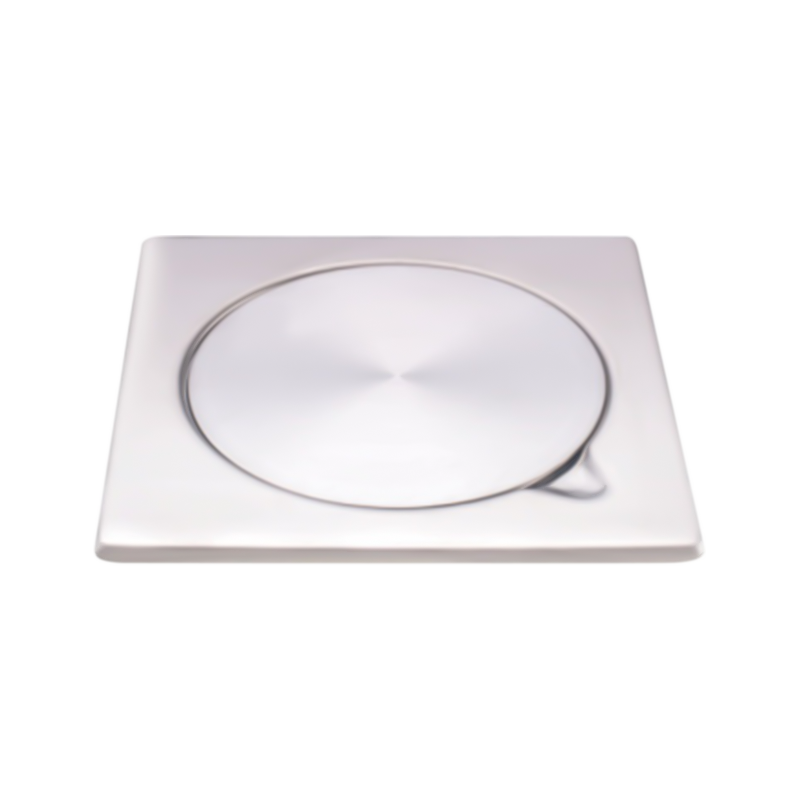
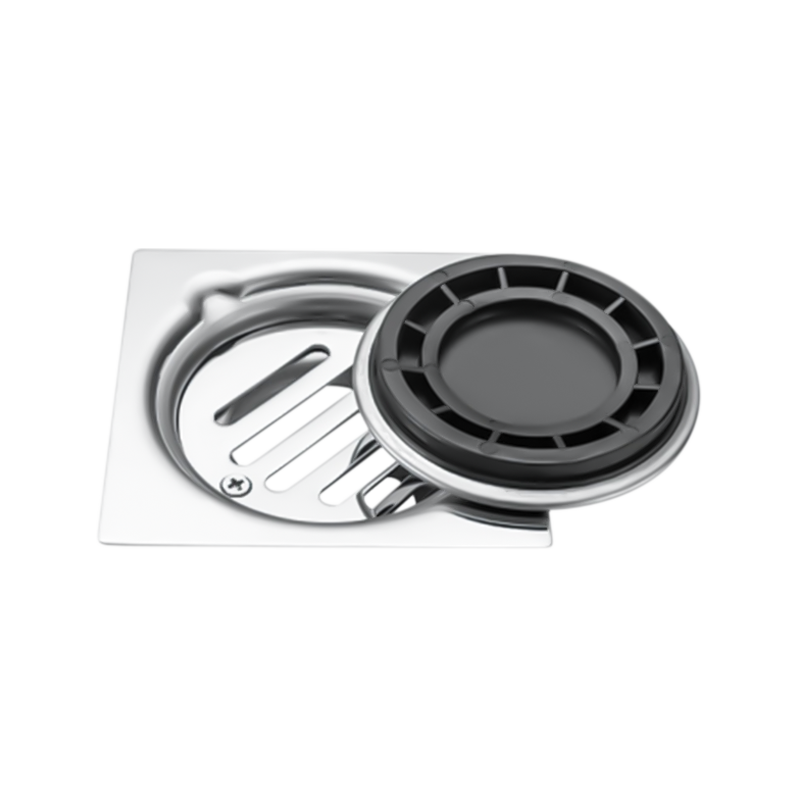
A Custom Long Shower Trap works wonders when standard sizes won't quite reach on bigger decks or multi-level setups. The extra length connects to deeper spots without adding joints that could leak down the line. Whether you're refreshing a condo balcony or putting together a brand-new patio, nailing the length means everything fits cleanly and drains exactly like it should.
Keeping it running smoothly is pretty straightforward and stops many problems before they start. Every couple of months, lift off the grate and flush the lines with hot water plus a mild cleaner to wash away soap scum or minerals. Check the water level in the curve—if it's dropped, just pour in a cup or two. Slow draining or strange smells usually point to debris buildup, not a total failure. In hard-water zones, a yearly vinegar soak keeps scale from forming. Stay away from harsh chemicals; gentler, eco-friendly options do the job fine and protect nearby waterways at the same time.
Spotting little issues early makes all the difference. Gurgling noises might just mean air in the line or a partial clog. Wet spots around the base could mean a cracked fitting that needs swapping out quick. Most troubles trace back to skipped cleanings or a sloppy original install. When something feels off, calling a local expert beats guessing and gets it fixed properly the time.
The material you pick really decides how long it lasts. Plastic models hold up fine in mild weather and keep the budget happy, while stainless steel laughs off freezing temps and heavy foot traffic without rusting. Some fancier options even offer adjustable heights for uneven floors or quick-clean features that save you time later. Prices shift with size and add-ons, but shelling out a bit more upfront usually means way fewer repairs later. Always scan the warranty and real-user reviews before you pull the trigger.
Handling outdoor water the smart way also does the environment a favor. Solid systems direct runoff exactly where it belongs instead of letting it evaporate uselessly or overload storm drains. In conservation-minded communities, this kind of thoughtful choice can even score you local rebates for green upgrades.
Imagine your family chilling on the terrace once it's all sorted: no more weird odors sneaking inside during summer storms, no surprise puddles after watering the plants. Kids splash around safely, and guests can't stop commenting on how fresh and inviting the space feels. Those little victories stack up into years of actually enjoying your outdoor area instead of avoiding it.
Folks often mess up by assuming every floor grate already has a built-in seal or forgetting to check the slope during install. Others skip seasonal checks, especially before cold snaps when freezing can crack pipes. Learning the basics yourself helps you make smarter decisions and dodge pushy sales pitches for stuff you don't really need.
If you're thinking about sprucing up your outdoor spot, finding parts that match your exact situation makes all the difference. Whether it's a tiny city terrace or a sprawling backyard deck, the right piece turns potential headaches into smooth, reliable performance.
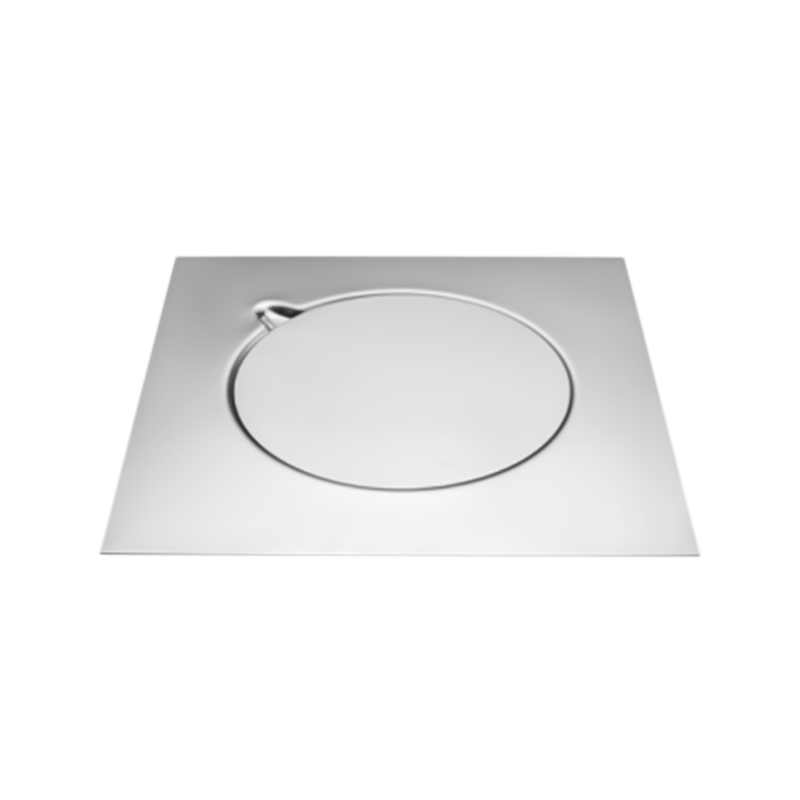
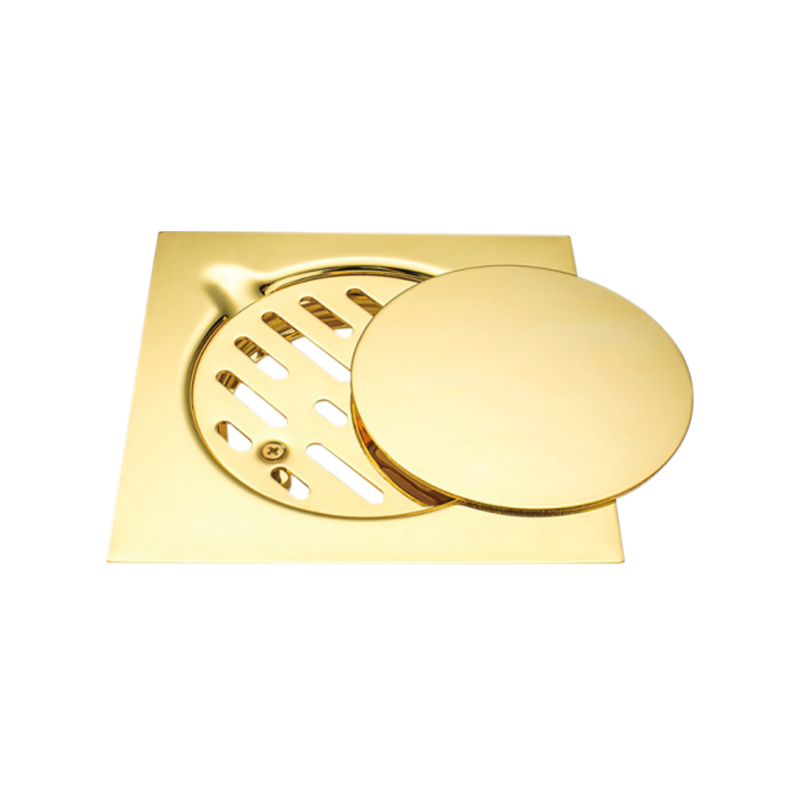
If you're shopping around, a Sale Balcony Drain Trap might be exactly what fits your project timeline and budget.
Teaming up with a Small Shower Trap Supplier opens the door to parts engineered specifically for tight spaces that still deliver strong flow and serious durability. Plenty of them now offer fast customization, straightforward guides, and direct shipping, so the whole upgrade feels way less overwhelming than you'd expect.
Beyond the basics, think about how these systems mesh with your landscaping. Plants near the outlet get steady moisture without drowning their roots. Toss in some lights or decorative grates and the whole area looks sharper while still working perfectly. Some homeowners add rain sensors that tweak the flow automatically during wild weather—pretty slick modern touch.
Real-user troubleshooting tips often highlight easy fixes like yanking out hair or leaves with a flexible tool instead of dialing for help right away. Keep a basic kit handy—plunger, gloves, simple cleaner—and many mini-crises turn into five-minute jobs. Online homeowner forums overflow with clever tweaks, like extra mesh filters for pet-filled homes or raised grates in flood-prone spots.
Looking ahead, some fresh designs might include phone apps that ping you about low water levels or odd flow patterns. Those ideas build on old-school reliability while fitting busy modern lives. For right now, sticking with proven methods and solid parts gives you dependable results you can actually count on day after day.
All in all, putting real thought into your drainage setup lifts any outdoor space from "just okay" to genuinely enjoyable. By zeroing in on solid water-management ideas, you protect what you've already invested in and build a spot everyone actually wants to use for relaxing or hanging out. Making that move toward a proper install pays you back with drier floors, fresher air, and way less stress every single time the sky decides to open up. Whether it's a quick weekend tweak or a full-blown remodel, the comfort and peace of mind you gain make every bit of effort worth it. From picking the right fit to simple ongoing care, every single detail adds up to an outdoor area you'll keep loving for years to come.


 Add: No 3 District Xiaowufen Industrial Zone, Pengjie Town, Luqiao District, Taizhou City, Zhejiang Province, China.
 Tel: +86-576-89203599
 Fax: +86-576-89203598
 Email: [email protected],[email protected],[email protected]
Copyright © Taizhou Shenzhou Sanitary Ware Co., Ltd. All Rights Reserved.


 عربى
عربى 0
0
