Evolving bathroom design needs: As modern bathrooms move toward minimalist aesthetics and higher performance requirements, drainage systems have evolved beyond traditional round or square floor drains.
Two common options: Stainless Steel Linear Drain Factory and ordinary floor drains are widely used, but they differ significantly in structure, function, and application.
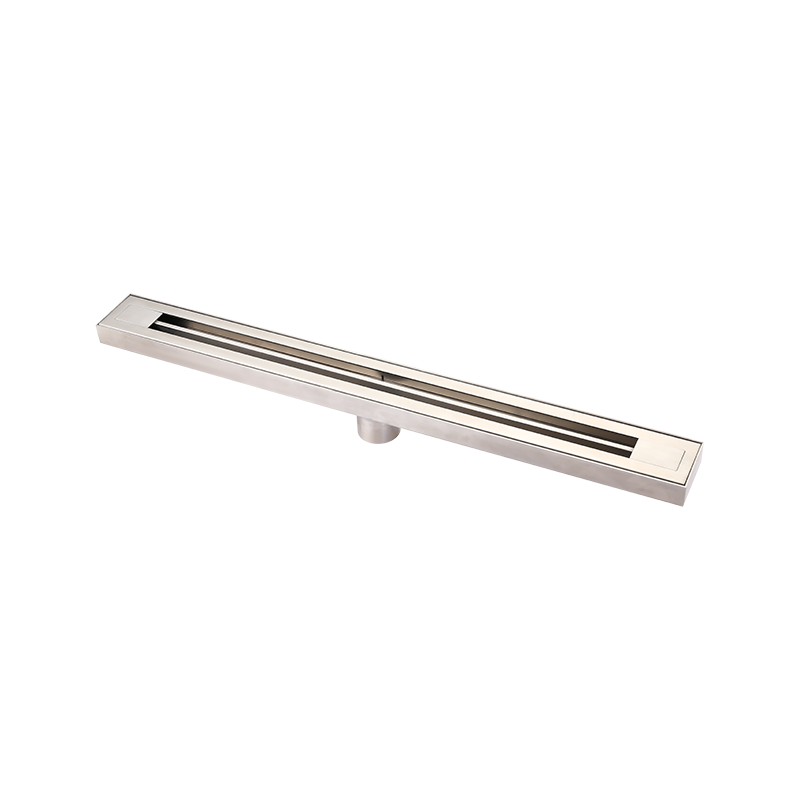
Linear drain design:
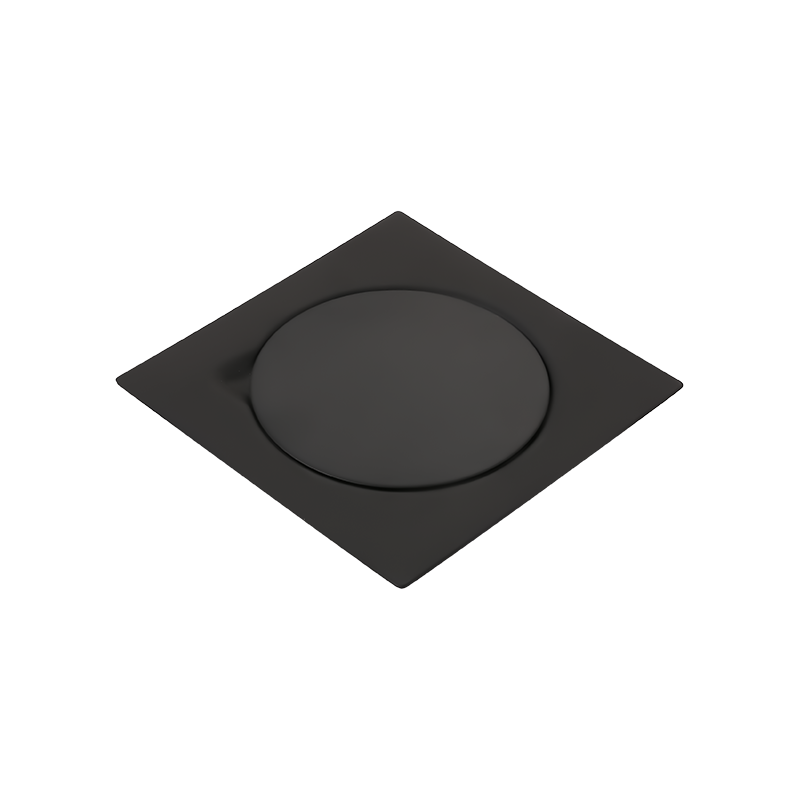
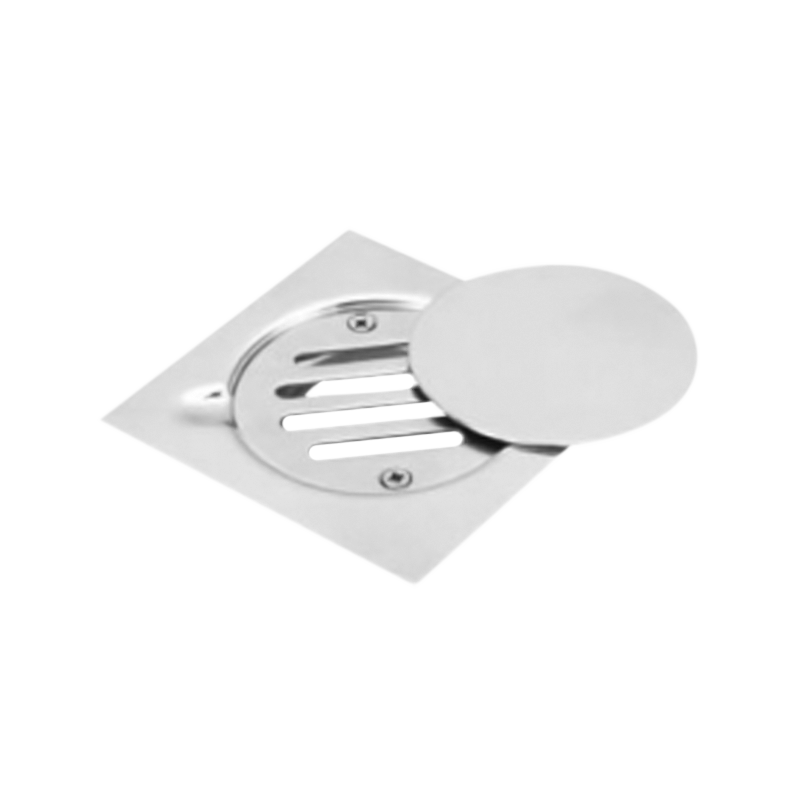
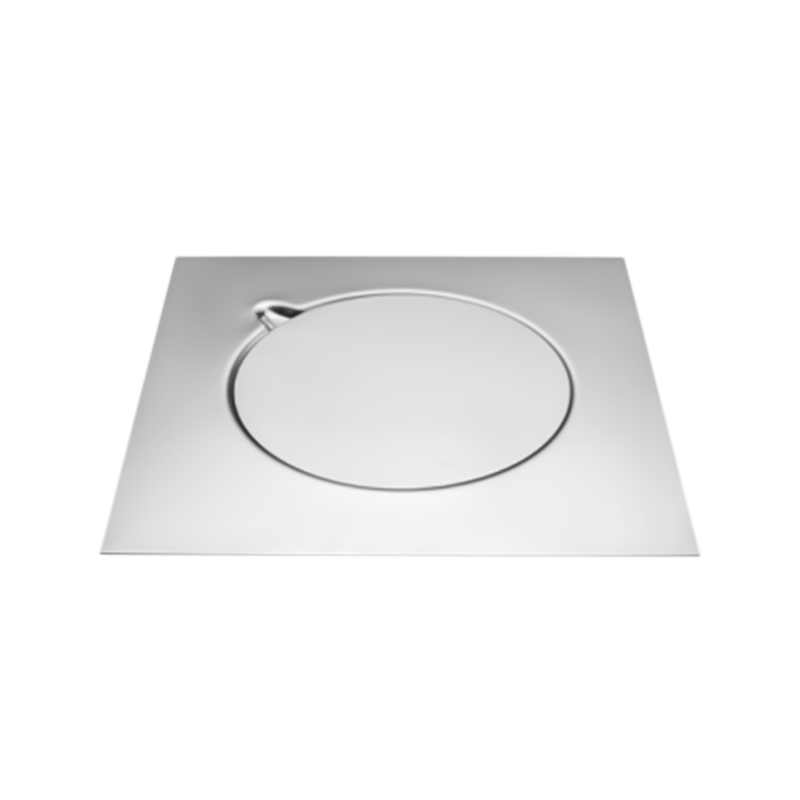
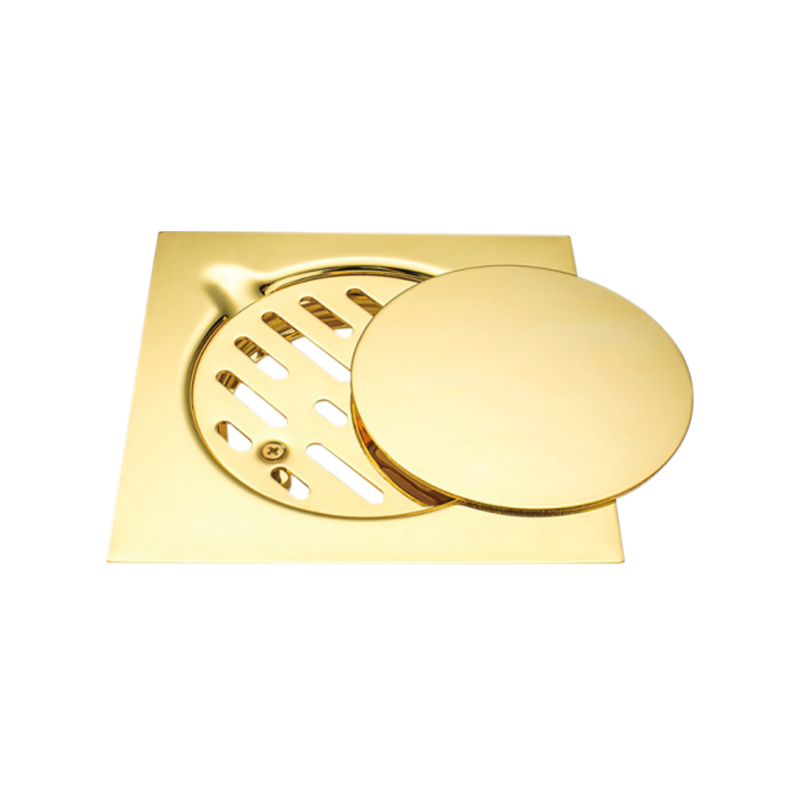
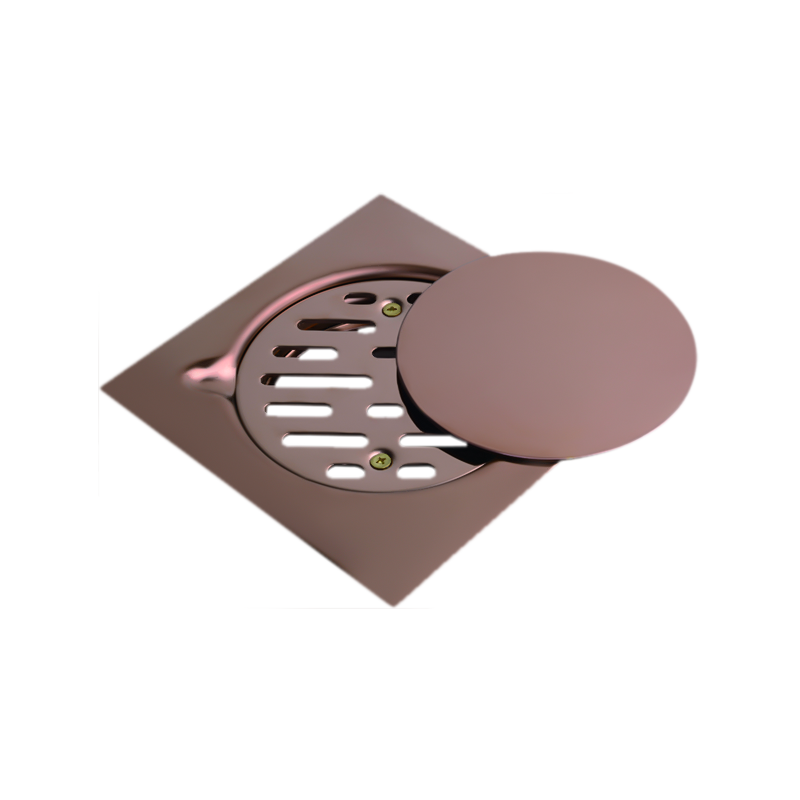
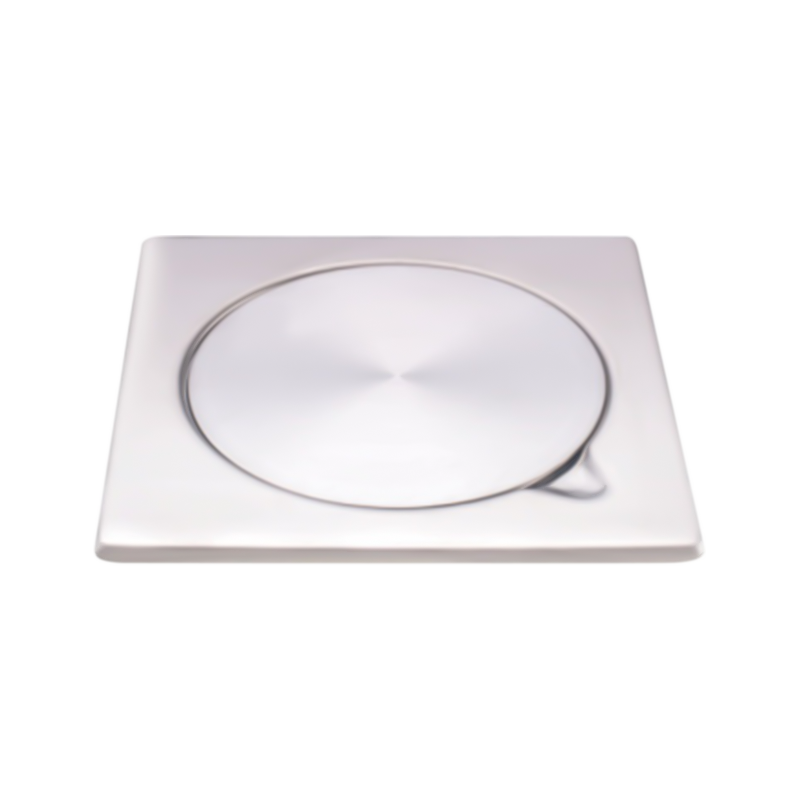
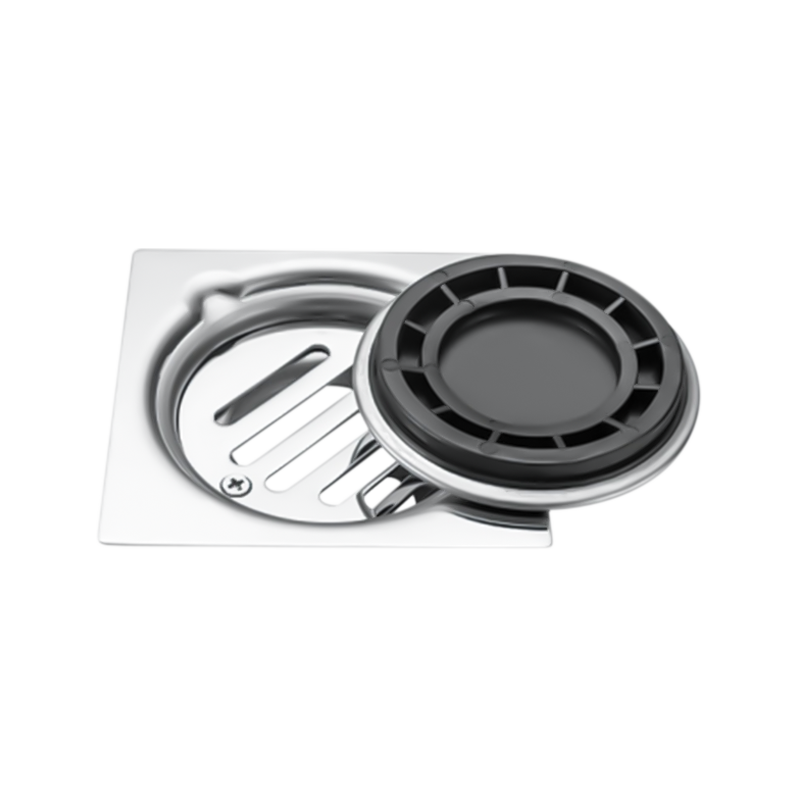
Ordinary floor drain design:
Aesthetic impact:
Water intake capacity:
Performance in high-flow scenarios:
Flow distribution:
Slope design for linear drains:
Often requires a single-direction slope toward the drain.
Simplifies tile installation, especially with large-format tiles.
Slope design for ordinary drains:
Typically, a four-way slope converges at the center.
Can be challenging with large tiles, increasing the risk of uneven surfaces.
Installation complexity:
Linear drains require precise alignment and planning.
Ordinary drains are simpler and faster to install in standard layouts.
1. Cleaning linear drains:
Removable covers allow easy access to internal channels.
Smooth stainless steel surfaces resist dirt and bacterial buildup.
2. Cleaning ordinary drains:
Smaller openings can trap hair and debris more quickly.
Cleaning may require specialized tools or frequent maintenance.
3. Long-term hygiene:
Linear drains often provide better hygiene in high-use environments.
Traditional drains are adequate but may require more frequent attention.
Stainless steel construction:
Materials used in ordinary drains:
Manufacturing standards:
Initial cost:
Linear drains generally have a higher upfront cost.
Ordinary floor drains are more budget-friendly.
Installation cost:
Linear drains may require skilled installation and careful planning.
Standard drains often involve lower labor costs.
Long-term value:
Linear drains can increase property value and reduce maintenance issues.
Traditional drains offer cost savings for basic applications.
Ideal uses for linear drains:
Ideal uses for ordinary drains:
Customization options:
Linear drains help keep floors drier by removing water quickly.
Central drains may allow water to spread before draining.
Linear drains support barrier-free shower designs.
Traditional drains are less adaptable to accessibility-focused layouts.
Smooth drainage improves overall user comfort.
Standing water near ordinary drains can reduce comfort in high-use showers.

 Add: No 3 District Xiaowufen Industrial Zone, Pengjie Town, Luqiao District, Taizhou City, Zhejiang Province, China.
 Tel: +86-576-89203599
 Fax: +86-576-89203598
 Email: [email protected],[email protected],[email protected]
Copyright © Taizhou Shenzhou Sanitary Ware Co., Ltd. All Rights Reserved.


 عربى
عربى 0
0
