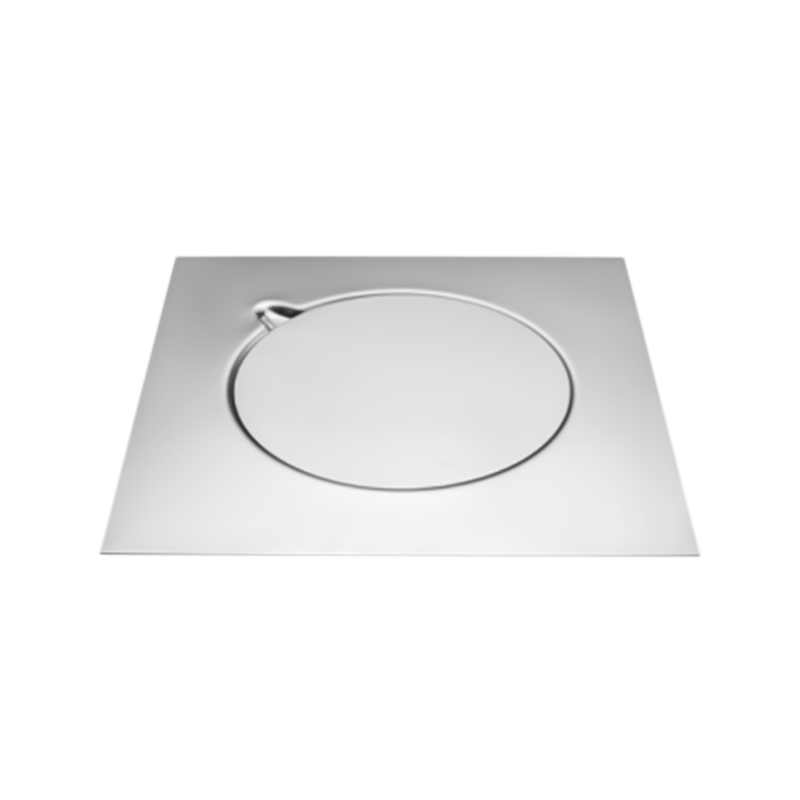
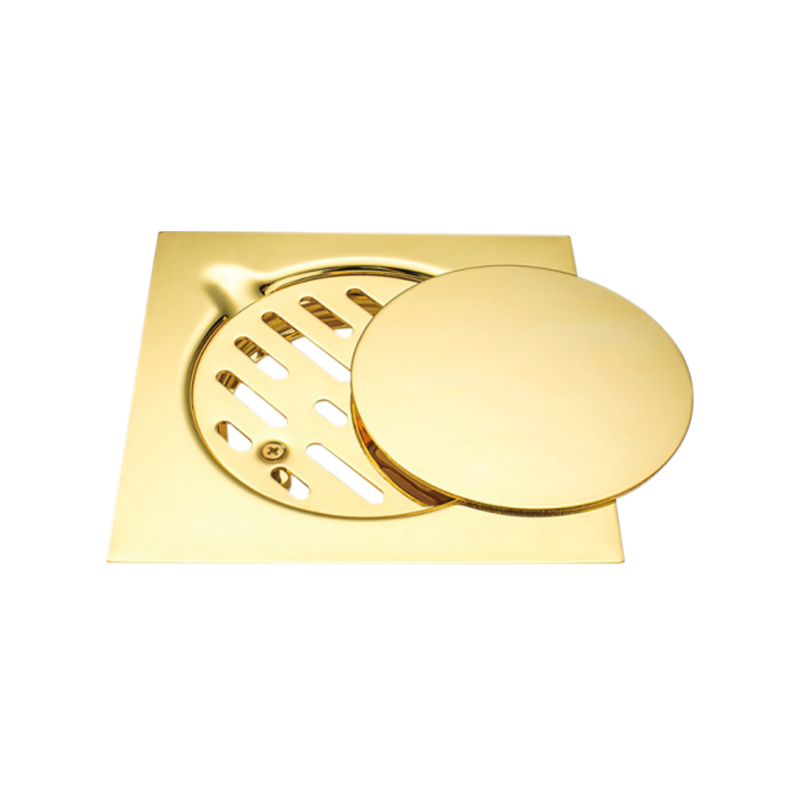
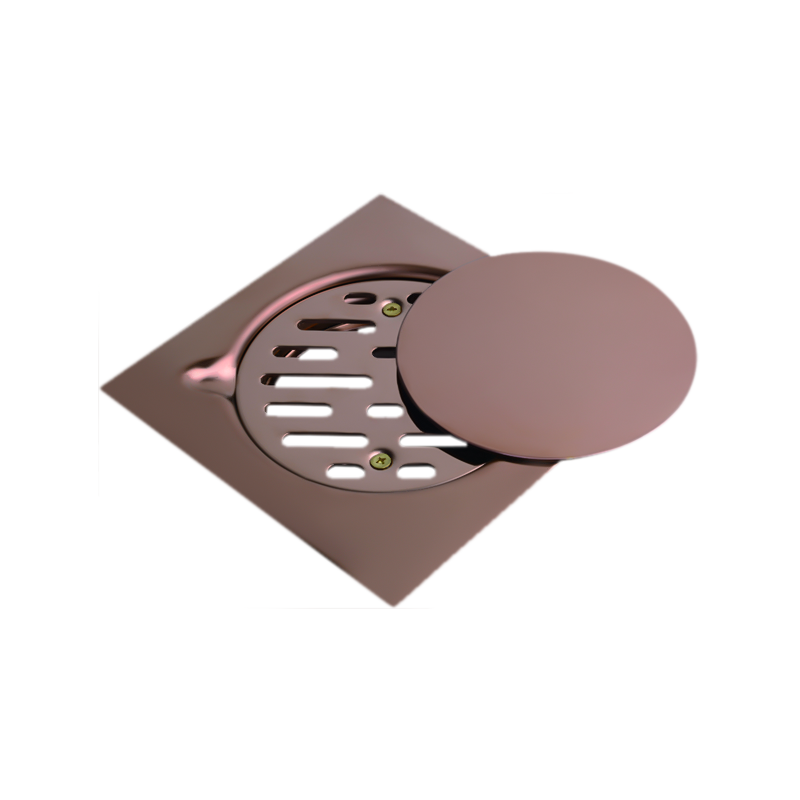
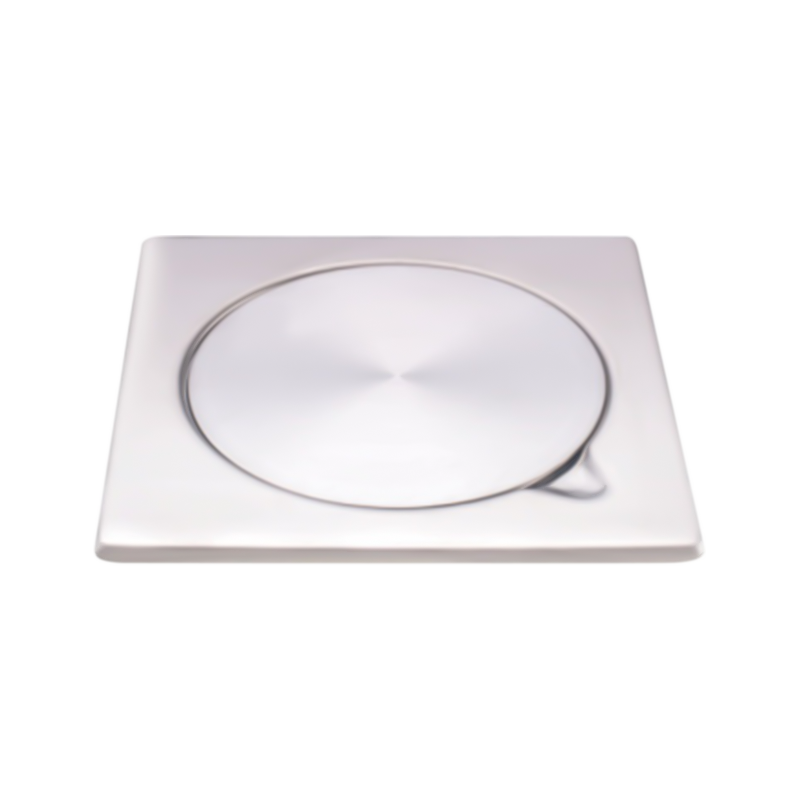
A Stainless Steel Tile Drain is an essential component in modern bathrooms, kitchens, and wet areas, providing efficient water removal while maintaining a clean and seamless aesthetic. One of the critical factors in selecting the right drain is its drainage capacity, which determines how quickly and effectively water can flow through the system.
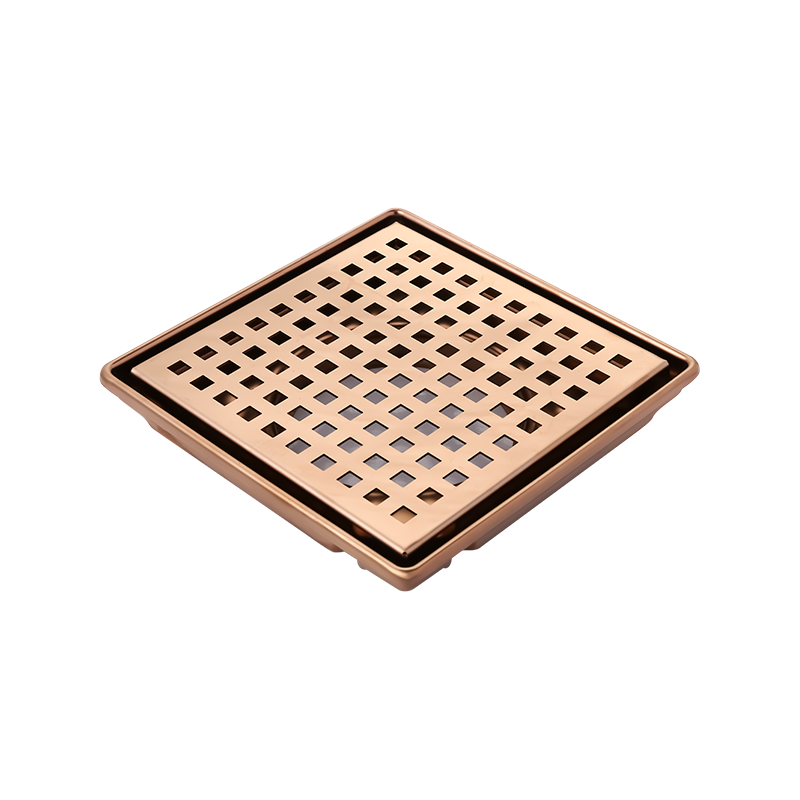
Several factors influence the drainage capacity of a stainless steel tile drain, including design, diameter, slope, and flow resistance.
Drain Diameter: The internal diameter of the drain pipe and the grate or cover directly impacts water flow. Larger diameters allow more water to pass through, reducing the likelihood of overflow during heavy use. Common diameters for residential drains range from 50mm to 100mm, while commercial or high-traffic areas may require larger sizes.
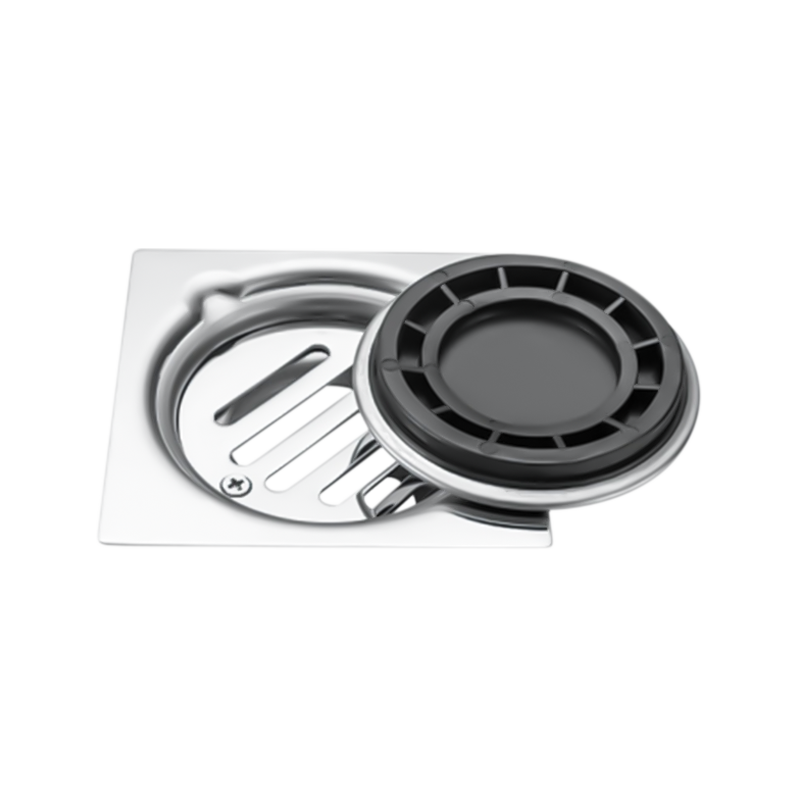
Great Design: The design of the grate affects the surface area available for water entry. Linear or slotted grates typically allow faster water intake compared to small perforated designs. The pattern should balance aesthetic appeal with practical water flow.
Pipe Slope: Proper slope ensures gravity-assisted flow from the drain into the main sewer line. A slope of at least 1–2% is recommended for residential installations to maintain consistent drainage. An insufficient slope can cause water pooling, even if the drain itself has a large diameter.
Flow Resistance: Any obstructions, filters, or anti-hair devices installed within the drain can slightly reduce the effective drainage capacity. While these components improve hygiene, their impact on flow should be considered when calculating overall capacity.
Drainage capacity is typically measured in liters per minute (L/min) or gallons per minute (GPM), indicating the volume of water the drain can handle over a specific time. Manufacturers often provide specifications based on standardized testing under suitable conditions. To measure actual capacity in situ, a simple test can be conducted:
This test helps confirm that the drain meets the practical demands of the space, particularly during heavy water use, such as showers or cleaning activities.
Choosing the right size of stainless steel tile drain involves considering both drainage capacity and installation requirements.
Even the correctly sized drain can underperform if it becomes clogged. Regular cleaning of the grate, removal of debris, and inspection of filters help maintain suitable drainage capacity. Additionally, ensuring the surrounding floor remains properly sloped prevents water from pooling and improves the drain’s effectiveness.
The drainage capacity of a Stainless Steel Tile Drain is determined by factors such as diameter, grate design, slope, and flow resistance. Measuring capacity in liters per minute and considering practical water usage ensures the drain performs effectively. Selecting the appropriate size based on installation environment, water flow demands, and aesthetic preferences guarantees both functionality and durability. Proper maintenance further enhances performance, making the drain a reliable component in modern wet areas.

 Add: No 3 District Xiaowufen Industrial Zone, Pengjie Town, Luqiao District, Taizhou City, Zhejiang Province, China.
 Tel: +86-576-89203599
 Fax: +86-576-89203598
 Email: [email protected],[email protected],[email protected]
Copyright © Taizhou Shenzhou Sanitary Ware Co., Ltd. All Rights Reserved.


 عربى
عربى 0
0
