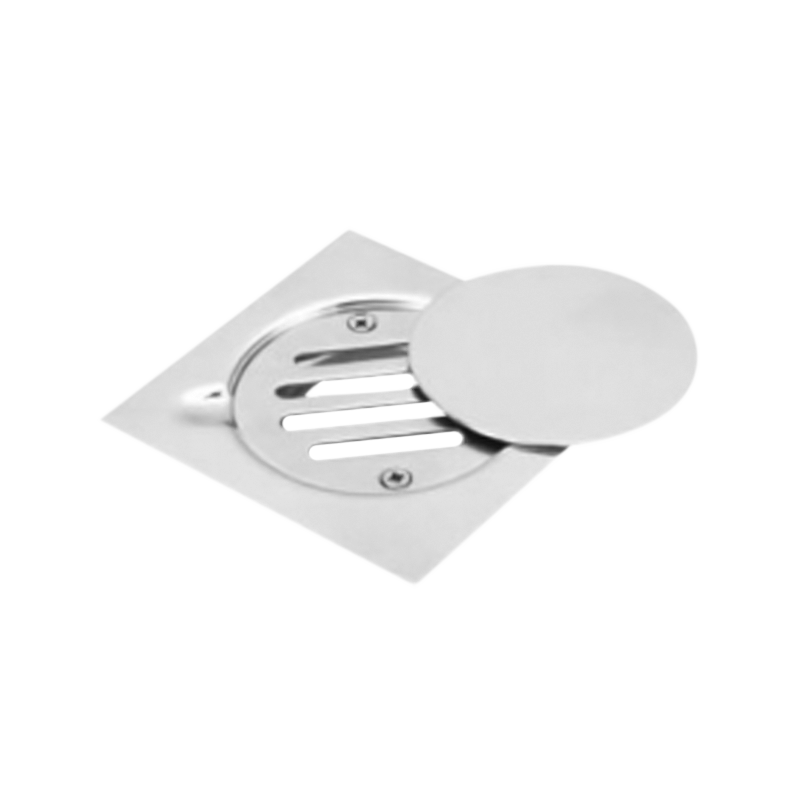
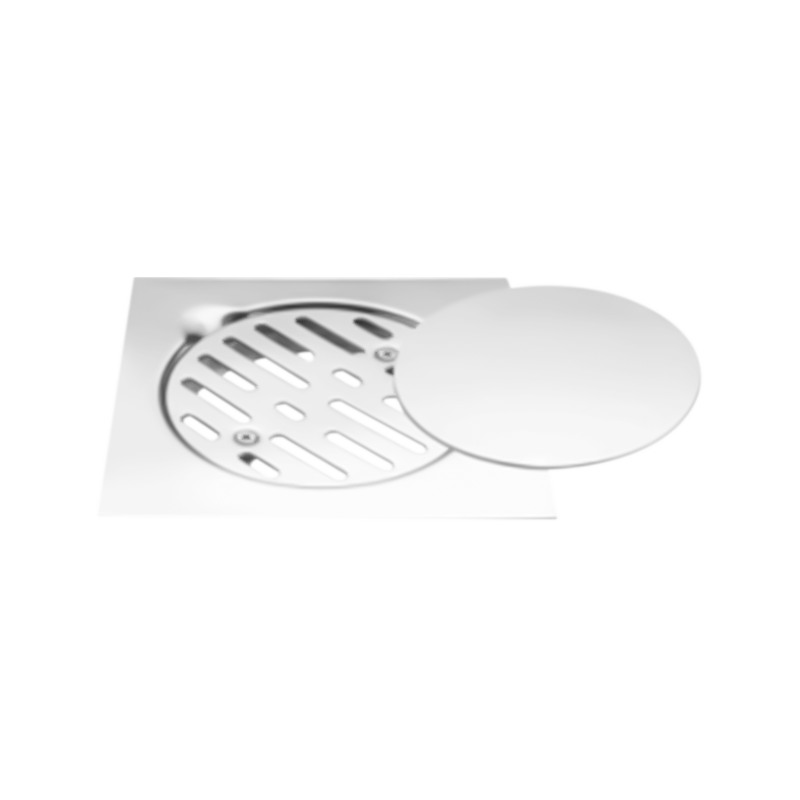
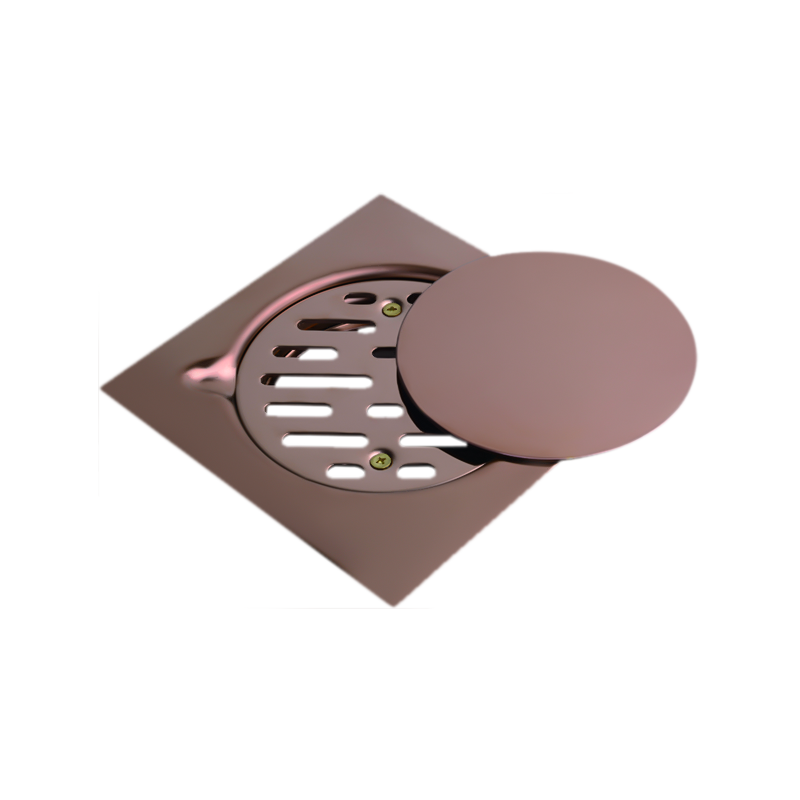
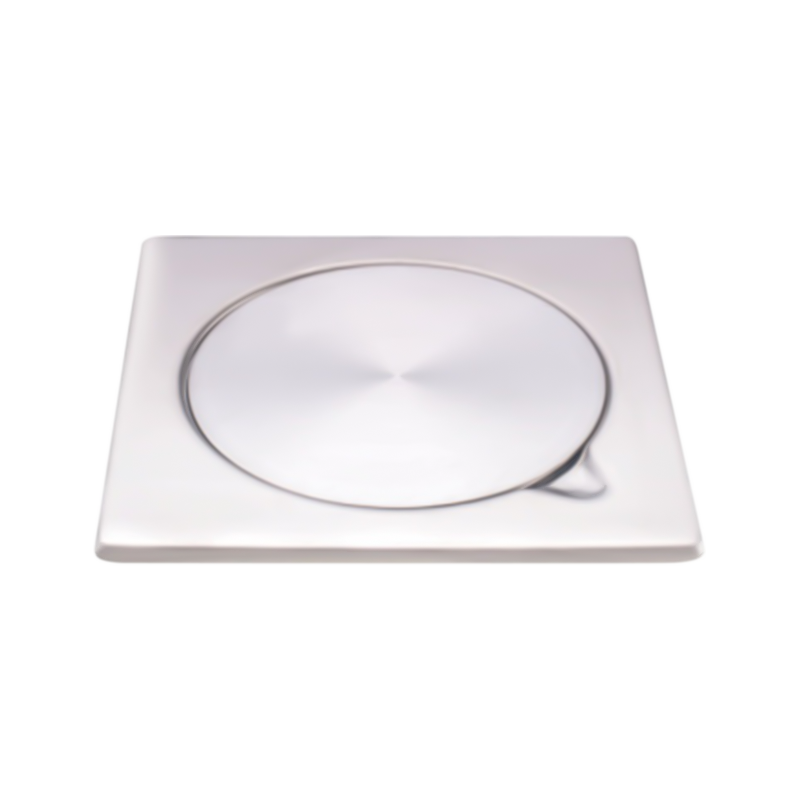
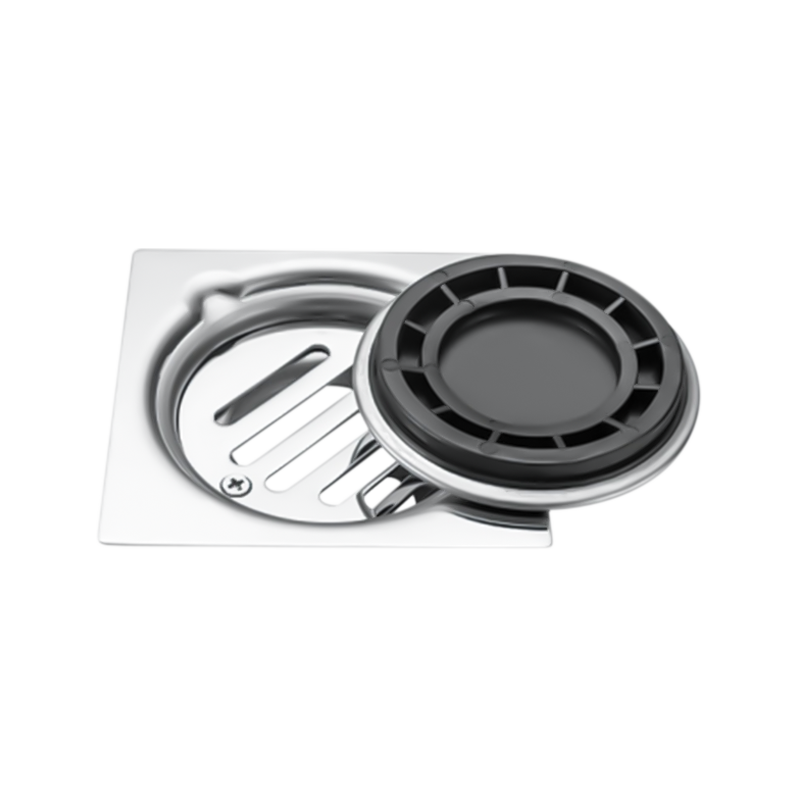
Bathrooms have come a long way from the basic setups many of us grew up with. These days the focus is on keeping things straightforward, open, and actually useful instead of just pretty to look at. It's not enough to slap on some nice surfaces and call it a day – the space has to deal with splashes, steam, and everyday spills without creating extra work. One detail that keeps showing up in home projects and bigger builds alike is this smart way of handling water right in the floor itself. A standout option in this category is the Stainless Steel Tile Drain. It stays out of sight but does the heavy lifting, which explains why so many people are adding it when they freshen things up.
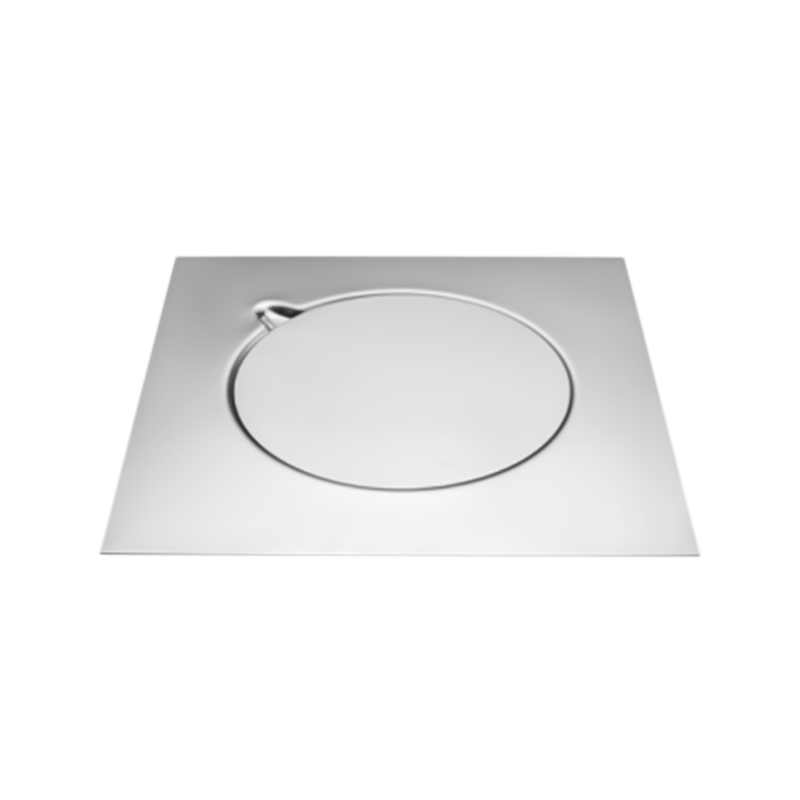
Picture walking into a shower area where the floor looks like one smooth stretch of tile with no obvious metal poking up to break the pattern. That's the appeal of a setup like this. It tucks right into the surface so the covering pieces sit completely even, giving the whole area a clean flow from wall to wall. No more of those old bulky circles or squares that always seemed to catch your eye whether you wanted them to or not. Instead you get a long slim profile or a neat rectangle that works great in open showers and full wet zones where the idea is to move freely without any raised edges getting in the way.
The simple lines are a big reason these grates feel right at home in newer styles. They don't fight with the rest of the room – they just blend in and let the overall look breathe. You can run one along the back wall to catch runoff, drop it right in the middle of a shower space for balanced drainage, or place it near the doorway to handle any tracked-in moisture. It handles its job without shouting for attention, which is exactly what a lot of folks are after when they want a calm, uncluttered feel.
On the practical side, the wide opening and clever path inside pull water away fast so puddles don't have time to form. That makes a real difference in areas where several fixtures share the same level, like a walk-in setup with a couple of shower heads or a tub nearby. Surfaces dry quicker, which means less chance of slips and a whole lot less mopping at the end of the day. It's the kind of quiet improvement that makes the room easier to live with over time.
The material choice plays a huge part too. These systems use a strong alloy that stands up to constant dampness and temperature swings without showing wear or changing color. It's built for the kind of humidity you get in bathrooms, so you don't end up with rust spots or dull patches after a few seasons. A quick rinse here and there is usually enough to keep it looking fresh, which is nice when you're already juggling a busy schedule.
Wet rooms with no separate shower stall are where these channels really earn their keep. The whole floor stays level, and the grate makes sure water stays where it belongs without any visible breaks in the pattern. They work with pretty much any covering you choose – from warm stone tones to smooth modern finishes – so the style can lean industrial, spa-like, or whatever fits your mood. It's flexible enough that you don't have to compromise the design just to get good drainage.
You don't have to limit them to the shower zone either. Slip one beside the tub to catch overflow, set another in front of the sink for drips, or add a short one right at the entrance to handle wet feet coming in from the hall. Using matching pieces throughout the room gives everything a coordinated feel that looks planned rather than patched together on the fly.
Larger bathrooms often do well with a couple of these units working together. Think about a generous shower with multiple outlets or a steam feature paired with a deep soak tub – placing them strategically means water clears evenly no matter where it lands. That keeps the flooring protected and makes the daily wipe-down a lot less of a chore. It's practical without forcing you to redesign the whole layout.
The move toward spaces that work for everyone has given these grates another boost. Because they sit flush, you skip the thick thresholds or separate raised bases that can trip people up. The result is a flat surface that's easier for kids, older folks, or anyone carrying laundry or towels. It checks the safety box while still looking sharp, which is a win all around.
Visually, topping the grate with the same material as the rest of the floor makes it almost vanish into the design. It still does its job, but the room feels more open and relaxed overall. That hidden touch is what a lot of homeowners say they love much when they want a space that feels peaceful instead of busy with hardware.
If you're thinking about adding one during a remodel, start by mapping out where water actually lands in your daily routine. Walk through the room a few times and note the high-traffic wet spots. Measure carefully so the length matches the flow – too short and you might get backups, too long and it could look out of place. A gentle slope in the subfloor helps guide everything without being noticeable when you step on it. Checking local rules early saves headaches later, especially in full wet-room setups.
Installation goes smoother when the base gets set into a prepared cut with good sealing around the edges to stop any sneaky leaks. The inner parts usually click together without much fuss once the floor is ready. If you have heating cables underneath, pick an open style so warmth still rises evenly. It's one of those small choices that keeps the room cozy in winter without extra work.
After everything's in, run a simple bucket test to see how the water moves. Any slow areas mean a quick tweak before the final tiles go down. When it's done right the floor looks like one continuous surface, but the water knows exactly where to head.
Maintenance ends up being surprisingly easy compared to older styles. A daily splash of water in busy areas keeps soap from building up, and a monthly scrub with mild soap and a soft brush handles any residue. Once or twice a year check the edges for wear, especially if your water is on the hard side. No fancy tools or strong cleaners required – just regular attention that takes minutes but keeps things running smoothly for years.
Compared to the old round or square options, these longer grates reduce visual noise and spread the flow more evenly across the floor. Traditional pieces often create a clear break in the pattern, while this style lets your eye keep moving naturally. In households with lots of activity, that even drainage also means less time chasing water into corners after every use.
I've heard from plenty of people who made the switch during a refresh and noticed the difference right away. One couple with a small apartment bathroom said replacing the raised tray and center grate opened the space up so much it felt bigger even though nothing else changed. Mornings went smoother because nothing pooled up, and cleaning took half the time. Another family in a bigger house added a couple along the length of their master shower and loved how the whole area stayed dry no matter how many kids piled in after sports practice.
Commercial spots have caught on too. Small hotels and day spas use them to give guests that upscale feel without the maintenance hassle. Staff mention how much faster the floors dry, which cuts down on slip risks and simplifies closing-time routines. It's the kind of detail that makes a space feel thoughtful without anyone being able to put their finger on why.
These systems also line up well with efforts to use water more efficiently. Faster removal means less liquid sitting around evaporating into the air, which can help control humidity and take some pressure off fans or dehumidifiers. In homes trying to keep things greener, pairing them with low-flow fixtures creates a setup that handles what it needs to without waste.
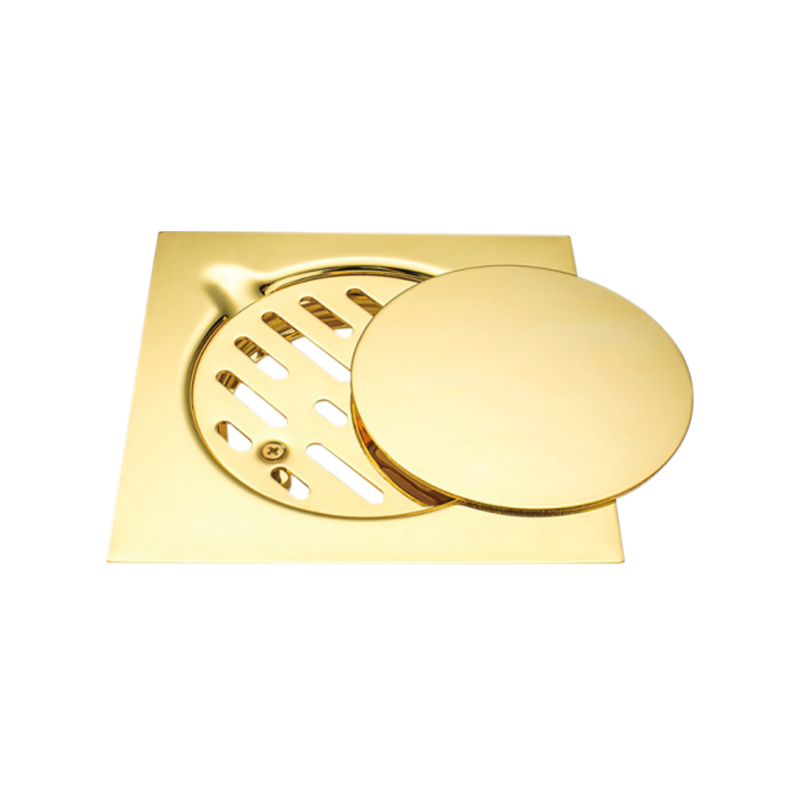
The finish options let you match the mood of the room perfectly. A soft brushed look disappears quietly, or you can go for an exact tone match so the grate blends completely. Either way the focus stays on the overall design instead of any single piece of metal.
When planning, think about how people actually move through the space. Busy showers do with longer runs, while side areas might only need a short section. Cost-wise the upfront price balances out through simpler upkeep and fewer repairs down the road compared to setups that trap moisture in hidden spots.
A useful trick is to draw a quick floor plan on paper . Mark the water sources, walking paths, and any natural slopes. It helps you see the sweet spots without trial and error. Many places that sell these offer advice on which covering materials work , so the top matches seamlessly once everything's set.
For homes with little ones or older family members, the level surface removes those little trip points that traditional raised styles sometimes create. Everyone moves around freely, and the quick-dry feature means fewer worries about slick floors after bath time or spills.
Even in tiny half-baths or guest powder rooms a well-placed short grate adds a finished touch without eating up any extra space. It shows that smart details work at any size, turning basic rooms into ones that feel considered and comfortable.
You see these setups highlighted more and more in design roundups and online inspiration feeds, and there's a reason for it. They solve everyday frustrations – water pooling, obvious grates, tricky cleaning – while staying out of the way. As open layouts keep gaining ground in renos, the interest keeps growing on its own.
Newer versions are adding small upgrades that make life even easier. Some have light texturing on top for better grip without changing the smooth look. Others come with simple access points so occasional deeper cleaning is straightforward. These little tweaks keep the core idea intact while making the systems more user-friendly over time.
In the end, adding one of these flush channels is really about making the bathroom fit how you actually live. It takes care of the practical stuff in the background so the rest of the room can feel like a place you enjoy spending time in. Whether you're updating just the shower or rethinking the whole layout, the result is a space that feels put together, safe, and easy to keep nice day after day. The small changes add up, turning ordinary routines into something a bit smoother and more pleasant without anyone having to think twice about it.


 Add: No 3 District Xiaowufen Industrial Zone, Pengjie Town, Luqiao District, Taizhou City, Zhejiang Province, China.
 Tel: +86-576-89203599
 Fax: +86-576-89203598
 Email: [email protected],[email protected],[email protected]
Copyright © Taizhou Shenzhou Sanitary Ware Co., Ltd. All Rights Reserved.


 عربى
عربى 0
0
