Why the Floor Outlet in Your Shower Really Matters
When folks start planning a bathroom update, they get excited about picking out nice tiles, a rainfall showerhead, or a new vanity that ties everything together. But there's one small part that gets overlooked until things go wrong — like water pooling at your feet or that weird musty smell creeping up. I've been through a few remodels myself, and trust me, the way water leaves the shower area makes a bigger difference than many people expect. In recent years, better designs for these systems along with useful Shower Drains Accessories have made bathrooms function smoother and look cleaner overall.
How Shower Drains Have Evolved
Back in the day, the typical floor outlet was nothing special — just a basic round or square grate stuck in the middle of the shower base. It got the job done, but it often looked out of place next to nicer stone or big tiles. A lot of us remember dealing with slow water flow, clumps of hair building up, or stepping on a cold, slippery raised cover that never quite matched the rest of the space.
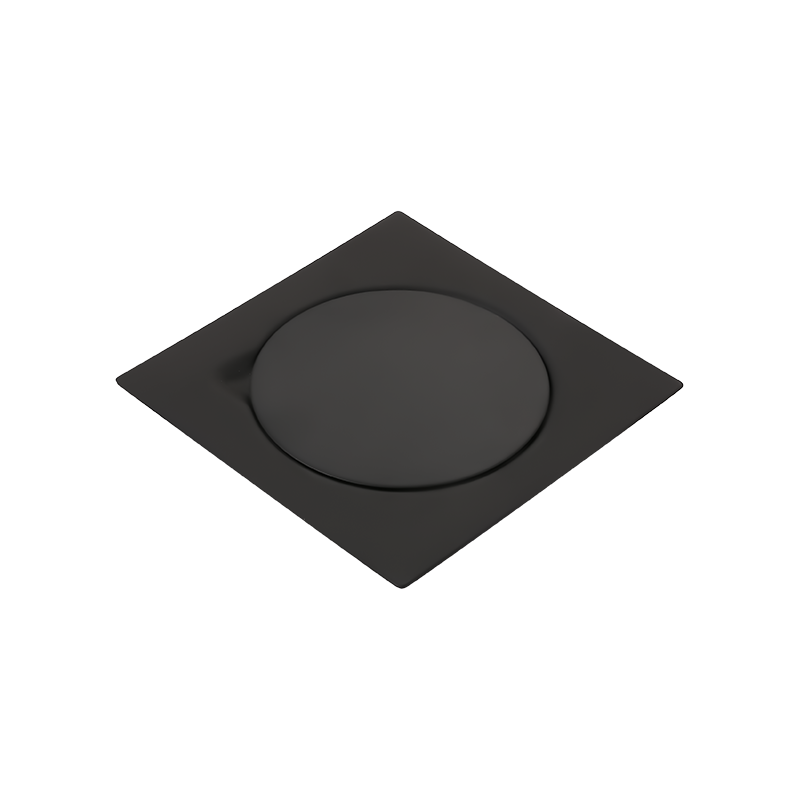
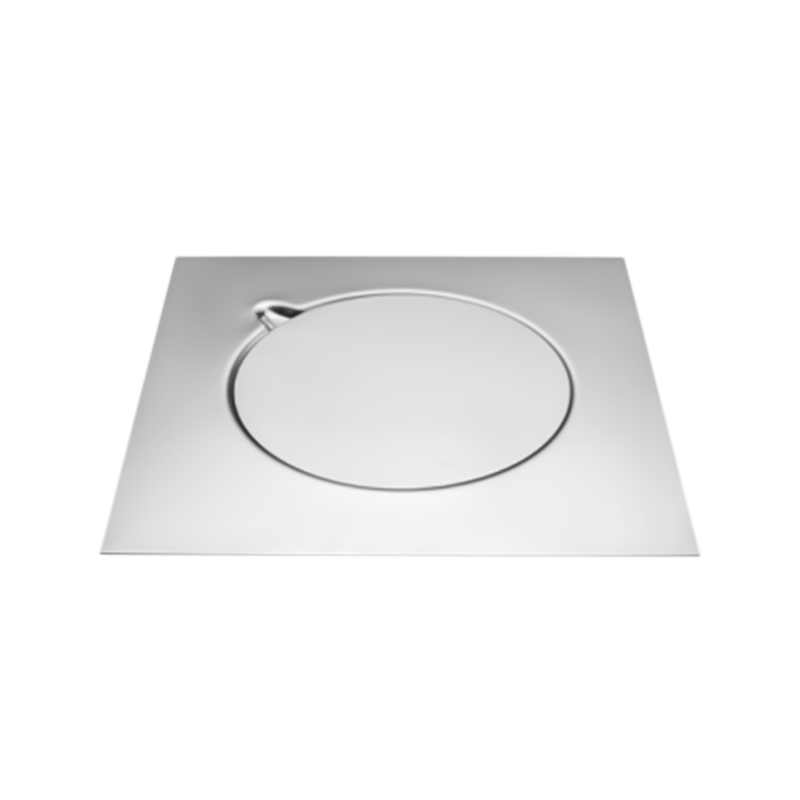
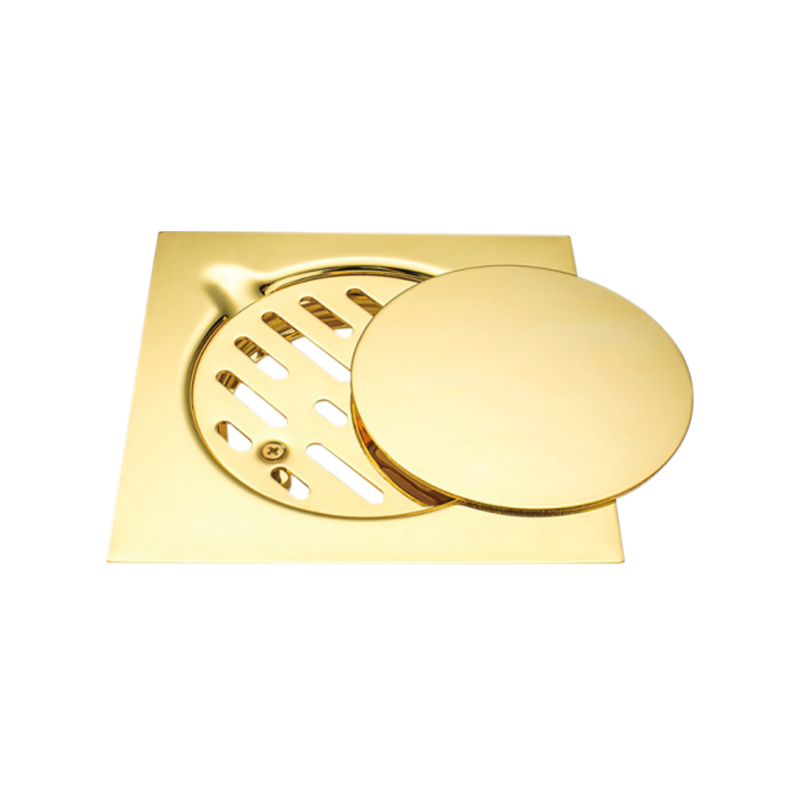
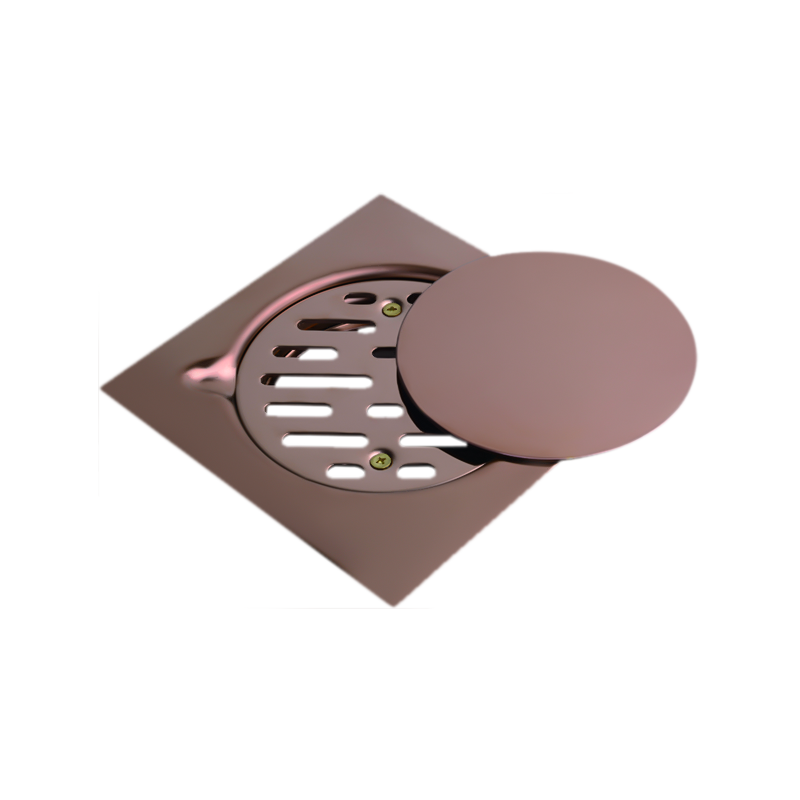
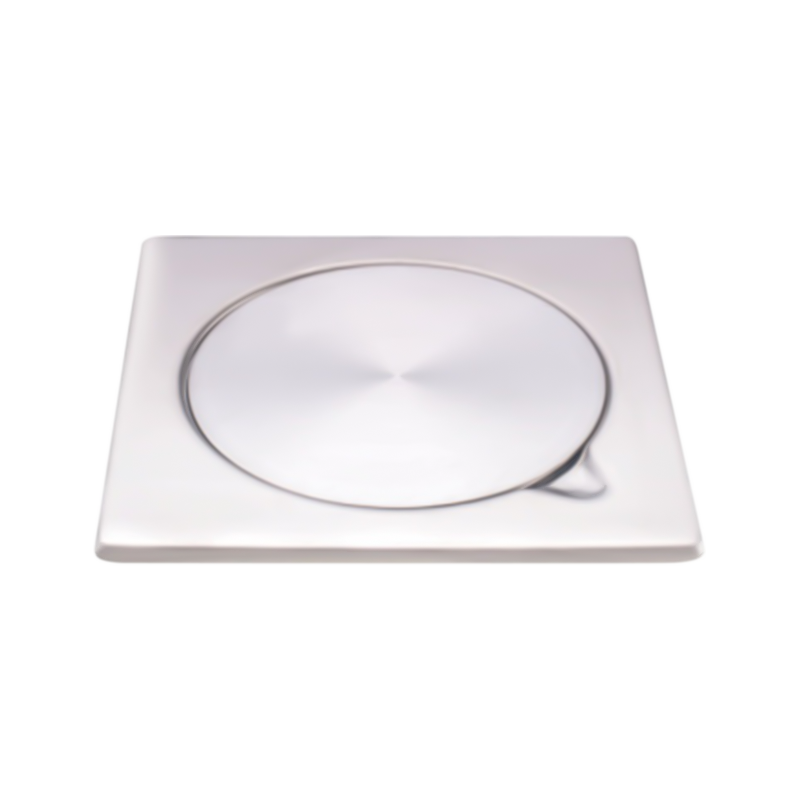
These days things have improved a lot. You can now find finishes that match common hardware styles — brushed nickel, matte black, bronze tones, or even softer gold shades. Some options let you set actual tile right into the top so the whole thing blends in seamlessly. It stops feeling like an ugly necessity and starts working as part of the room's overall look.
Shower Drains themselves have seen some of the biggest changes in shape and placement. Old-style center outlets force the floor to slope from every direction toward one spot, which complicates tile layouts and sometimes leaves little dips where water sits. Newer channel-style systems run along one wall or across the entrance instead. They only need a gentle slope in one direction, so you can use larger tiles with fewer cuts. Water moves away faster, cutting down on puddles and making the whole area feel roomier and safer — especially helpful in open walk-in setups that many families and older homeowners prefer now.
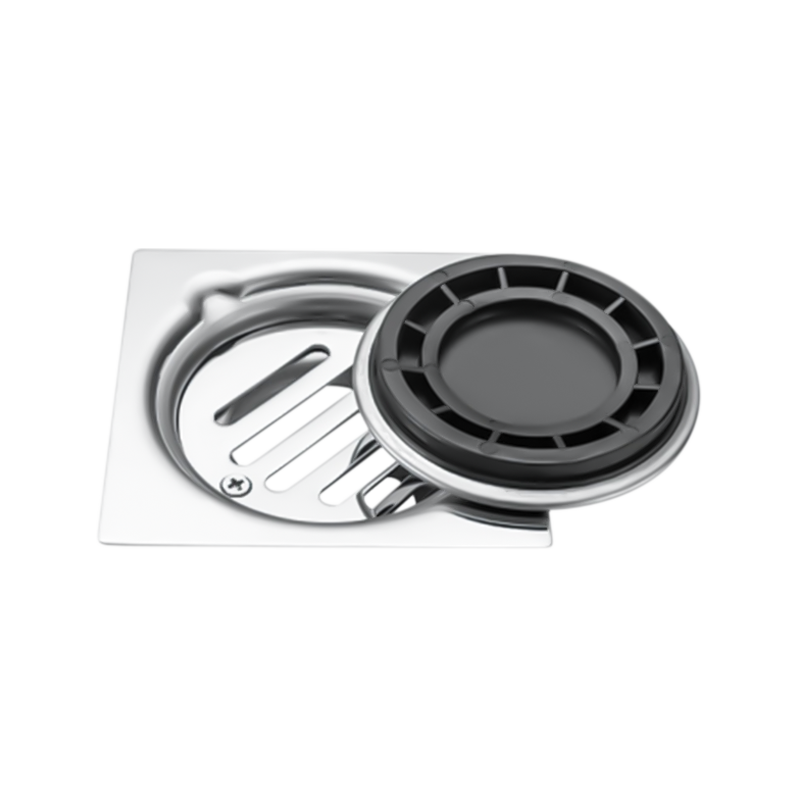
Plenty of modern versions also come with handy built-in tricks that solve common headaches. Quick-release parts make cleaning simple, while some include surfaces that resist bacteria or deeper pockets to catch bits before they head into the pipes. In showers with several heads or strong sprays, these higher-capacity setups handle the extra volume without backing up, even during long hot showers.
Useful Shower Drains Accessories That Improve Everyday Performance
Even with a solid base system in place, the right supporting pieces can make a huge difference in how well everything works over time. That's exactly where thoughtful Shower Drains Accessories step in. A simple hair catcher placed over the opening grabs long strands before they slip away and cause trouble downstream. I've tried several types — flexible silicone ones or sturdy stainless mesh — and the ones that pop out easily for rinsing under the faucet are lifesavers compared to dealing with a full clog later.
Deeper baskets or removable trays do a great job collecting soap residue, skin cells, and tiny bits of grit that build up naturally. Some even have an extra fine layer that handles smaller particles without slowing the flow. For homes where odors tend to linger, there are special trap inserts or little scented cartridges that block sewer smells while keeping water moving freely.
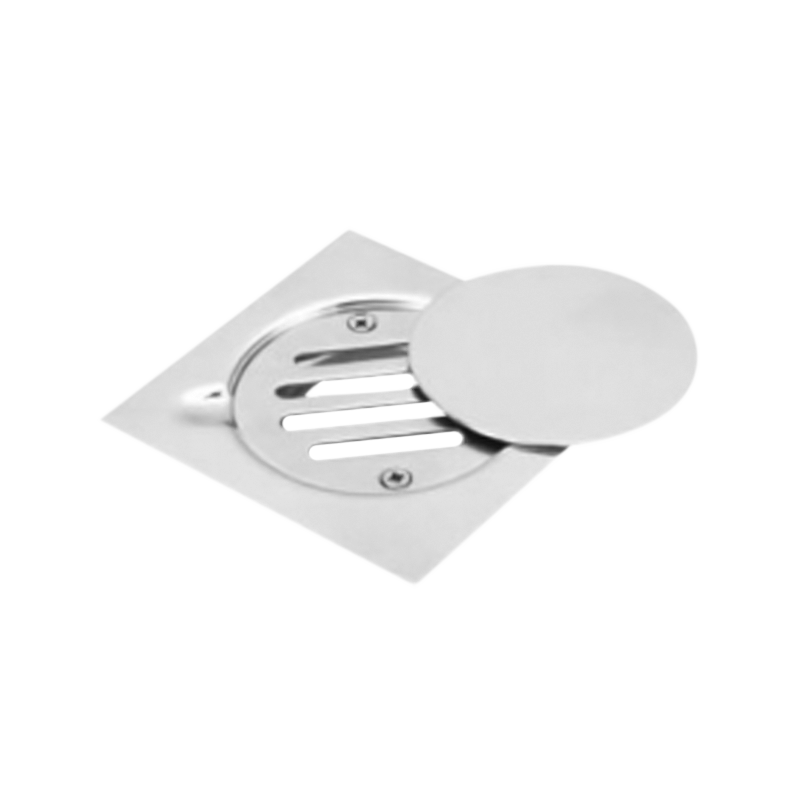
Hygiene treatments have gotten better too. Certain covers come with coatings applied at the factory to limit bacteria in steamy environments where mold likes to hide. Decorative tops now offer tons of patterns — straight slots, geometric designs, or ones that accept matching tile — so you can coordinate with your floor and walls perfectly. Whether you want the outlet to stand out as a feature or disappear completely, these choices give you real flexibility without needing a full replacement.
Shower Drains Accessories prove especially valuable in accessible bathrooms. Low-profile channel systems combined with smooth, roll-friendly grates remove tripping risks and support the gentle slopes needed for barrier-free spaces. They keep things looking upscale while making daily use easier for everyone in the house.
Some accessory kits even let you swap the visible cover whenever you feel like refreshing the style. That means you can change the look years later without touching the main plumbing underneath.
Real Benefits You'll Notice at Home
Picking the right floor outlet system affects more than just how the shower looks. Good water removal helps protect the whole structure by lowering the chance of hidden moisture problems under the tiles or along the edges. When everything clears quickly, you avoid those stagnant spots that damage grout, encourage mildew, or turn the surface slick.
Upkeep gets much simpler as well. A lot of current setups have parts you can lift out, rinse off in hot water, and snap back — no special tools needed. In my own bathrooms, I got into the habit of clearing visible hair a couple times a week and running hot water through monthly. Every so often I pour a mix of baking soda and vinegar down the opening, let it sit, then flush with more hot water. It breaks down residue gently without harsh chemicals that might harm pipes over years of use.
People who have switched to newer systems often mention fewer surprise plumber visits and tile work that holds up longer. In households with teenagers or anyone with long hair, adding a decent catcher early on stops blockages before they start. If you're updating an older bathroom, swapping the outlet during the rough stage is one of those smart moves that pays off quietly for a long time.
Designers and architects now treat these elements as important parts of the plan instead of last-minute additions. They bring channel systems into early layouts to create open, spa-style showers without visual breaks. Interior pros like the ability to blend materials and finishes so the whole space feels thoughtfully put together without overspending on every detail.
Tips for Choosing and Setting Things Up
If you're getting ready for a project, measure your shower space and think about how many people use it daily. Smaller enclosed areas can still work well with a standard center outlet, particularly when keeping costs down. Bigger walk-ins or wet rooms usually benefit more from longer channel options that manage higher water volume and open up creative tile arrangements.
Slope is everything — poor grading causes more headaches than anything else. Find an installer who really understands waterproof layers and can create a solid seal around the outlet. Many good brands provide pre-sloped bases or collar kits that make the job cleaner and reduce leak worries.
Material choice matters for the long haul too. Stainless versions hold up better against hard water than basic plastics, while brass or coated pieces resist everyday wear. If you plan multiple shower outlets or powerful heads, check the flow capacity so the system can keep pace.
Don't skip the small extras when shopping. A solid strainer or protective mesh costs very little upfront but prevents hours of frustration down the road. Look for packages that include a few different cover styles so you can update the appearance later if you repaint walls or change hardware.
Refreshing the way water leaves your shower might not be the glamorous part of a remodel, but the improvement in daily comfort and peace of mind is real. What once felt like a basic afterthought has turned into a flexible component that supports both nice design and practical use. Faster clearing on busy mornings, simpler cleaning routines, and a more finished appearance all add up.
Whether you're starting from scratch, updating an existing bathroom, or just fed up with slow flow and hidden buildup, taking time to explore current floor outlet choices and their helpful add-ons is worthwhile. With plenty of styles, materials, and practical features out there, you can find something that matches your budget, your taste, and what your household actually needs for the long run. A smart setup stays quietly in the background, letting you step into the shower and relax without wondering what might be happening underneath.

 Add: No 3 District Xiaowufen Industrial Zone, Pengjie Town, Luqiao District, Taizhou City, Zhejiang Province, China.
 Tel: +86-576-89203599
 Fax: +86-576-89203598
 Email: [email protected],[email protected],[email protected]
Copyright © Taizhou Shenzhou Sanitary Ware Co., Ltd. All Rights Reserved.


 عربى
عربى 0
0
