Supply Stainless steel linear drain. After doing quite a few bathroom renovations, I've noticed one upgrade that keeps making modern showers look cleaner and more open: a long, slim stainless steel channel that runs across the floor. It quietly pulls water away without the big round grate of us grew up with.
The main idea is pretty straightforward. Instead of water racing to one single spot in the center, it flows evenly along a narrow trough. This setup helps water leave the shower floor faster and more uniformly. A lot of homeowners say they immediately notice less pooling around their feet, which just feels better.
These stainless steel channels sit flush with the tiles, so the floor appears smooth and continuous. They work especially well for walk-in or curbless showers with no raised edge. The bathroom ends up feeling larger, brighter, and a little more like a spa. Many people tell me this one change gave their space a fresh, updated feel they really love.
One thing I like about this design is how it plays nice with bigger tiles. Traditional center drains usually force you to cut lots of small pieces to create slopes in every direction. With a linear channel, you only need the floor to slope gently toward the line, so you can use larger tiles across the whole area and even continue the same pattern into the rest of the bathroom. The result looks much cleaner and more intentional.
Stainless steel has that nice metallic look that fits any style. Some folks prefer the brushed matte finish because it hides water spots better, while others go for polished to make the space feel brighter. Either way, the channel stays low-profile and doesn't fight with the rest of your design.
Stainless steel holds up well when it's constantly getting wet. It resists rust and keeps looking decent for years with basic care. That toughness is one reason people choose it over materials that start showing wear after a short time.
Let me be honest with you — these channels need more regular attention than old-school round ones. Hair, soap scum, and body wash can collect along the length, especially in households with long hair. Owners end up lifting the cover every week or two for a quick rinse and wipe. It only takes a couple of minutes, but you do have to stay on top of it. If you ignore it too long, flow can slow down and things might start to smell.
Keep a small brush or tool handy for quick cleanings. Rinse the channel after bigger showers when you can. Once a month, give it a deeper clean with mild bathroom cleaner. Many models have easy-to-remove covers, which makes the job less of a hassle. Stay consistent and the system usually keeps working smoothly.
Putting one of these in takes more planning than a basic center outlet. The floor must slope evenly toward the channel, and the waterproofing underneath has to be done carefully. A small mistake with slope or sealing can cause leaks later. I usually recommend using someone who has installed a few before — it costs a bit more upfront but saves bigger problems down the road.
These channels are good for creating barrier-free showers with no step. That makes the bathroom easier and safer for kids, older family members, or anyone who wants simple access. It's a small detail that improves daily comfort for everyone.
You can find them in many lengths to fit your shower size. Some have simple slotted covers, others allow you to insert matching tile so the line disappears. There are also versions with adjustable feet to handle different tile thicknesses. This variety lets you match the setup exactly to what you need.
If you're watching your budget, there are more affordable stainless steel linear options for shower areas that still deliver good performance. They may not have all the luxury finishes, but they keep the key benefits — solid water flow, rust resistance, and that clean modern look. Plenty of homeowners use these budget versions in guest bathrooms or secondary showers and feel satisfied with the results.
A regular center outlet is usually simpler and cheaper to install. It can also be easier to clean because everything collects in one spot. However, it often requires more complicated sloping and limits your tile choices. Linear channels cost more initially and need a bit more upkeep, but they win on looks, accessibility, and design freedom. The choice depends on what matters in your bathroom.
Some people love theirs and say the open, luxurious feel is worth the extra cleaning. Others admit the hair buildup became more work than they expected. A common tip I hear is: try not to stand directly on the cover, and catch long hair before it hits the floor. Small habits like that make a noticeable difference over time.
If you're doing a full bathroom update, want large tiles without lots of cuts, prefer a curbless shower, or simply dislike how traditional grates break up the floor, this style is worth considering. It works particularly well in master bathrooms where you spend more time and want everything to feel polished.
Take time to measure your space carefully, think honestly about your daily habits, and decide how much regular cleaning you're willing to handle. Talk to a good tiler or plumber who has experience with these channels — their practical knowledge can help you avoid common mistakes with slope and waterproofing.
When installed correctly, a stainless steel linear channel can quietly make your shower feel more spacious and high-end. Water clears faster, the floor looks smoother, and the whole bathroom gains that contemporary edge people notice right away.
It's not good solution for every bathroom, but in the right setup it delivers exactly what today's designs are looking for: clean lines, efficient performance, and a space that feels good to use every single day. Whether you choose a higher-end model or a more budget-friendly stainless steel version, the key is good planning and realistic expectations about upkeep.
Done right, it becomes one of those upgrades you appreciate every morning when you step into the shower.

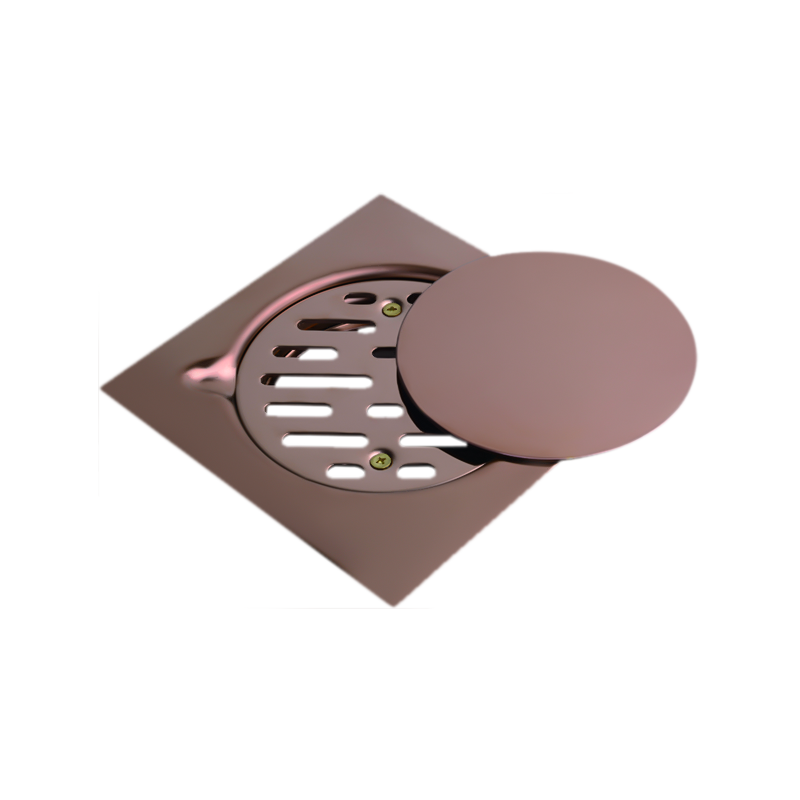
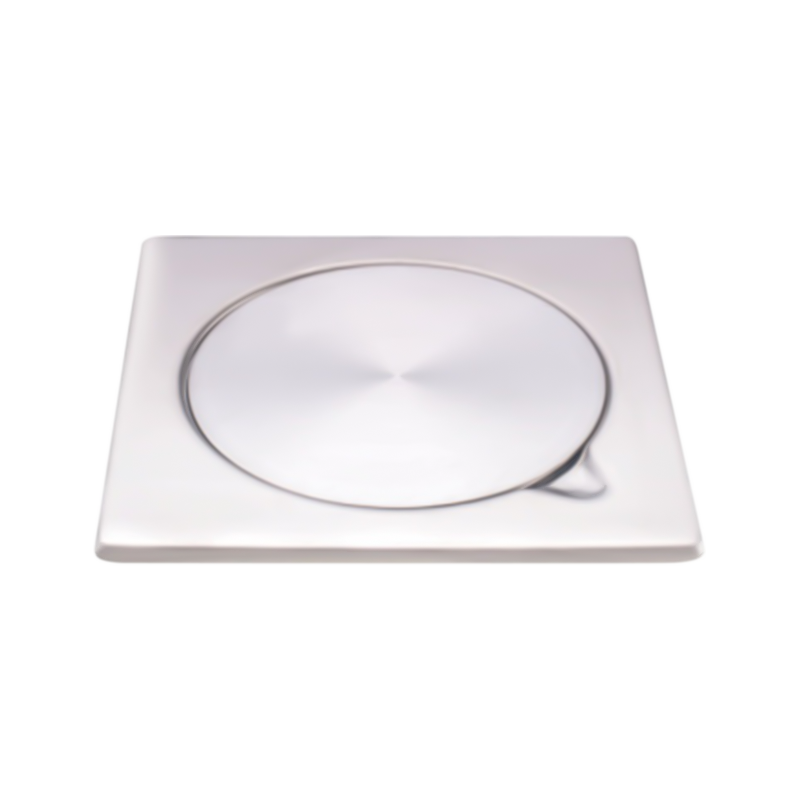
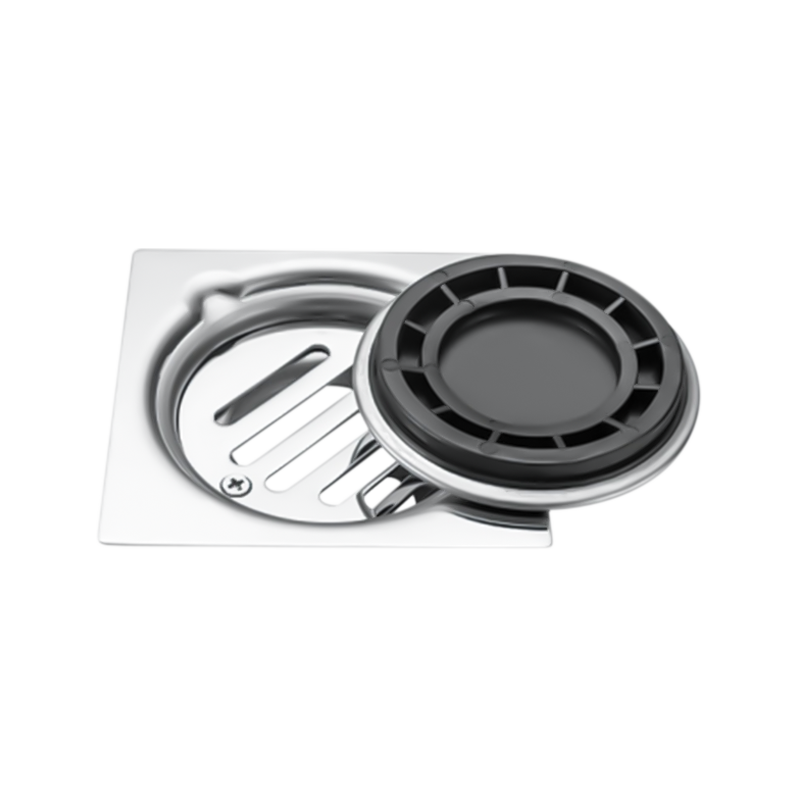

 Add: No 3 District Xiaowufen Industrial Zone, Pengjie Town, Luqiao District, Taizhou City, Zhejiang Province, China.
 Tel: +86-576-89203599
 Fax: +86-576-89203598
 Email: [email protected],[email protected],[email protected]
Copyright © Taizhou Shenzhou Sanitary Ware Co., Ltd. All Rights Reserved.


 عربى
عربى 0
0
