In the hustle of daily life, nothing beats stepping into a warm, steamy bathing area at the end of a long day. It's that little slice of peace where tension melts away and you feel human again. But behind the scenes, keeping things from turning into a soggy mess is one quiet hero folks never think twice about: the smart water-handling piece tucked under the floor or tray. These unassuming plumbing parts quietly move water out, trap bad smells before they rise, and stop little problems from becoming big headaches. Without them doing their job right, even the nicest bathing setup can feel off.
Let's talk about what these water seal gadgets actually do in a typical home setup. They sit right in the plumbing line and create a simple water barrier that keeps sewer gases, funky odors, and even the occasional creepy crawler from sneaking back up into your space. At the same time, they let used water rush away fast so nothing sits around turning into a slippery hazard or a breeding ground for yuck. It's basic physics wrapped in practical design, and once you understand it, you realize why they matter more than flashy fixtures.
One thing that always surprises people is how quickly a good trap clears standing water. You finish rinsing off, and within seconds the floor feels dry underfoot instead of slick and dangerous. That speed isn't just convenient — it protects tiles, bases, and even the subfloor from constant moisture that can cause warping or hidden rot over time. Families with kids or older relatives especially notice the difference because fewer slip risks mean fewer “oops” moments in a room that already gets plenty of traffic.
On the cleanliness side, these devices make a real difference in keeping mold and mildew at bay. When water doesn't linger and debris gets flushed out properly, you don't end up with that musty smell that sometimes creeps into smaller bathrooms or apartments with poor airflow. Many homeowners I've chatted with say they only truly appreciated their trap after upgrading — suddenly the whole room just smelled fresher, and cleaning days became a lot less gross.
Safety goes hand in hand with all this too. Good water evacuation cuts down on hidden leaks that could quietly damage walls or ceilings downstairs. In older houses or humid climates, that extra layer of protection is like insurance you didn't know you needed until something goes wrong. Nobody wants to deal with emergency plumbers or surprise water bills because a small seal failed months earlier.
Looking closer at how these traps are built, feature a gentle curve or U-bend that holds just enough water to form a natural block. It's a design that's been around forever but keeps getting smarter with each generation. You'll find them made from tough everyday plastics that resist everyday wear without adding extra weight, or from rust-resistant metals for spots that see heavier use or harsher water conditions. Both choices have their place depending on your specific layout and how long you plan to stay in the house.
Putting one in or swapping an old one usually isn't a nightmare project. A lot of models use standard fittings that line up with pipes homes already have, so a handy person with a wrench, some plumber's tape, and a bit of patience can handle it in under an hour. Of course, always double-check local rules if you're in a rental or doing a bigger reno — better safe than dealing with an inspector later. Clear instructions from the maker help a ton, even if it's your time tackling something under the floor.
Different homes need slightly different styles, and that's where the variety comes in handy. The classic curved trap still wins for straightforward setups because it's reliable and easy to understand. In tighter spots where vertical space is limited, a bottle-shaped version saves room and still gets the job done without feeling cramped. Some come with swivel joints that give you wiggle room during installation when pipes don't line up perfectly — super useful in older buildings with quirky layouts. Then there are the low-clearance versions made for modern slim or raised bases that don't have much room underneath but still need fast flow.
Picking the right one comes down to a few practical questions you should ask yourself. How much space do you actually have under the bathing area? What's the daily water load like — big family showers or quick morning rinses? Does your current plumbing sit at an odd angle that might need extra flexibility? Thinking through these details before buying saves a lot of "why didn't I measure" regret once everything's sealed up.
Keeping the system running smoothly is common sense. Every couple of months, take a few minutes to flush things out with hot water or a gentle vinegar mix to clear any hair or soap buildup that sneaks in. It's quick, cheap, and prevents those annoying slow-drain days. Also peek around the connections for any damp spots or weird smells — catching small issues early stops them from turning into expensive repairs later. In really cold areas, wrapping exposed lines helps avoid freeze-ups that stress the whole setup.
Sometimes things do act up, but fixes are straightforward once you know the likely culprits. Slow flow often traces back to buildup further down the line rather than the trap itself. A strange odor after a long vacation? The water barrier probably just evaporated — running the tap for ten seconds fixes it instantly. These little troubleshooting moments are part of owning any home system, but they're way less scary when you understand the basics.
These days, design has caught up with function too. Newer models sit invisible under modern looks, with smooth insides that resist gunk and flexible seals that handle temperature swings without cracking. Some even add handy access points so cleaning becomes even easier for busy folks. If you care about saving water upstream, many traps pair nicely with low-flow heads and still move everything along without backups.
When you're planning a full bathroom refresh or building new, it pays to think about these parts early instead of treating them as an afterthought. Consider daily habits, the type of surface you're installing, and how easy it'll be to reach them years from now. A quick chat with someone who installs these regularly can steer you toward choices that fit your actual life instead of some idealized Pinterest version.
Beyond the technical stuff, these water handlers quietly make everyday living nicer. They support peace of mind in busy households, vacation rentals, small hotels, or even commercial spots where standards stay high. People never notice them working, yet every pleasant bathing moment owes a little thanks to that reliable seal doing its thing.
Real stories from folks who upgraded make the point clearer than any spec sheet. One couple in an older neighborhood swapped out their tired trap and suddenly noticed the whole bathing wing dried faster and smelled better. Another family near the coast switched to tougher materials and finally stopped fighting rust spots that kept coming back. These aren't dramatic overhauls — just smart swaps that deliver noticeable daily improvements without tearing the room apart.
Budget plays a role for of us too. Basic solid models do the job well at a fair price, while slightly higher-end ones often come with longer guarantees and nicer finishes. The trick is matching what you need with what you'll actually use so you're not overpaying for features that'll sit unused.
Getting the trap to work smoothly with the rest of the pipes matters more than people realize. Alignment between the top outlet, the trap, and the line heading out has to be spot-on for quiet, efficient operation. When it all clicks together correctly, you stop hearing gurgling or worrying about hidden slowdowns.
Looking forward, materials and designs keep getting better in small but meaningful ways. Smoother interiors, adjustable seals, and even smarter connections mean fewer service calls and quieter performance over the long haul. As homes get more efficient and water-conscious, these core pieces evolve right alongside them.
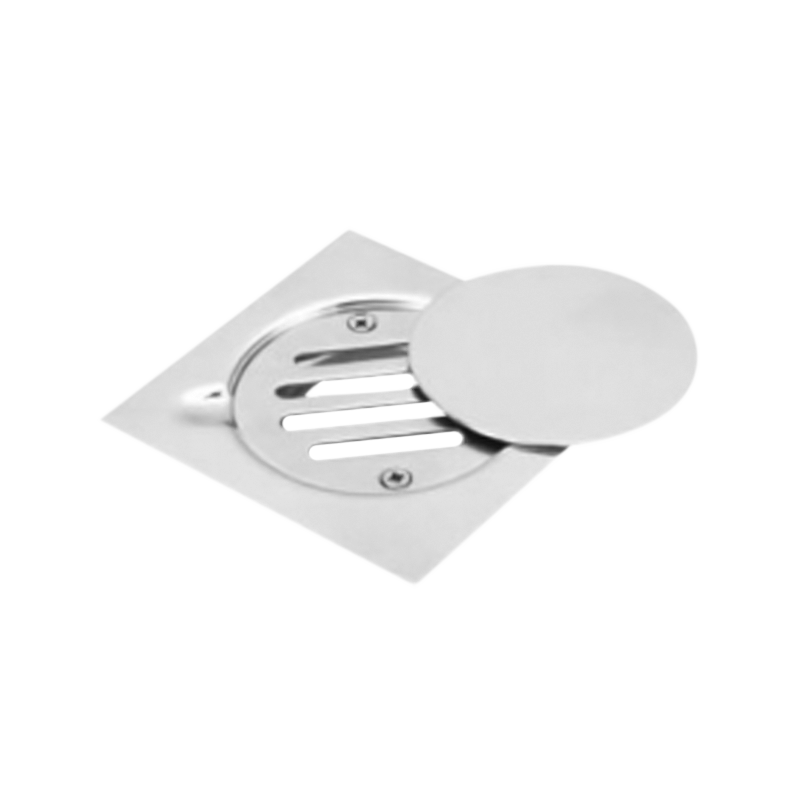
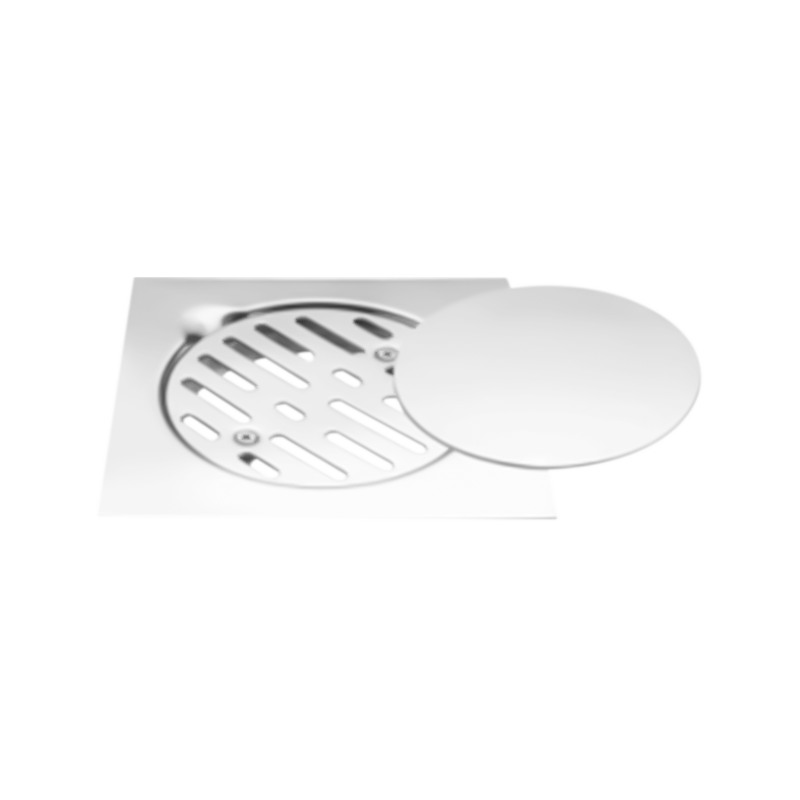
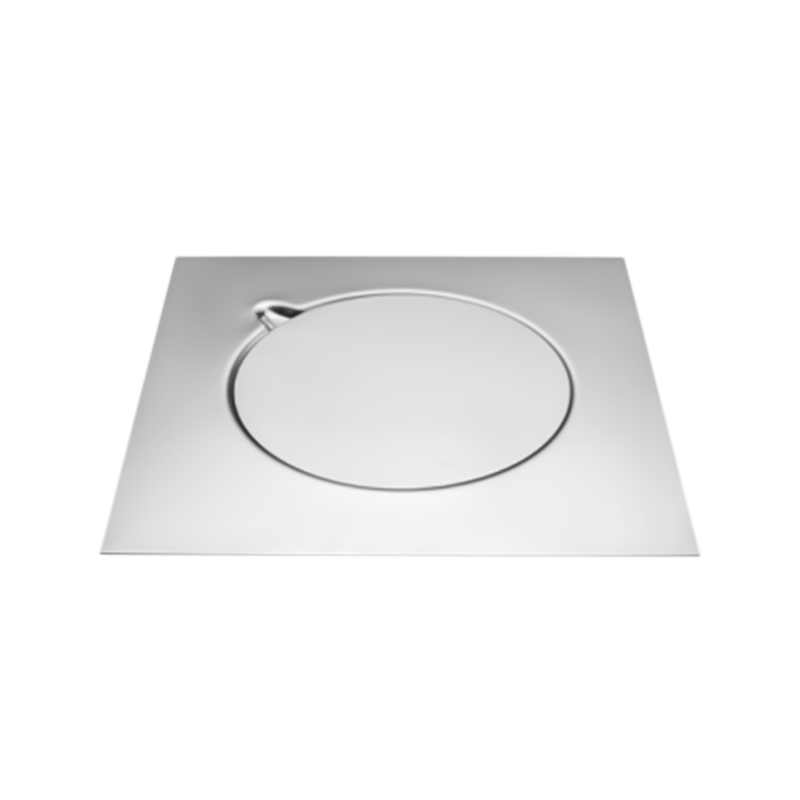
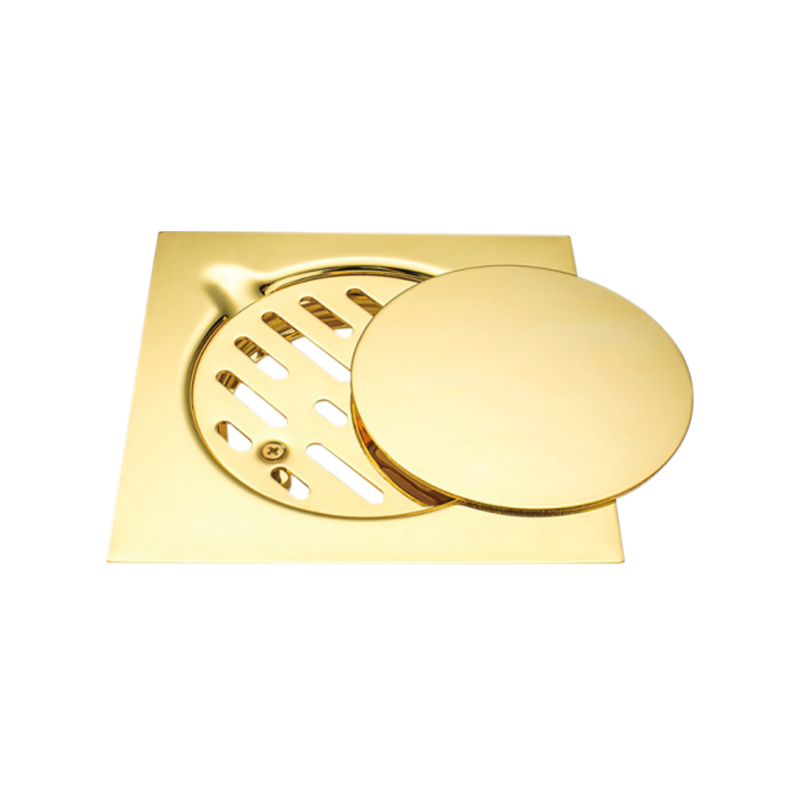
If you're hunting for dependable options in this category, plenty of experienced builders and regular homeowners end up working with a trusted Shower Drainage Siphon Supplier for steady quality and helpful advice. Teaming up with a reliable Shower Drainage Siphon Wholesaler opens the door to volume pricing that makes sense for bigger jobs or repeat needs. Companies growing their reach overseas often count on a solid Shower Drainage Siphon Exporter who knows the shipping ropes and keeps everything compliant. In the end, it all comes down to choosing High Quality shower drainage siphons that simply do the job right, day in and day out.
Wrapping this up, these behind-the-scenes water managers really do carry more weight than their small size suggests. They handle the messy, unseen work that lets you focus on relaxing instead of troubleshooting. Spend a little time learning how they work, pick the style that fits your space, and give them basic care, and they'll reward you with years of smooth, worry-free performance. Whether you're fixing up what you already have or starting fresh, paying attention to these details turns an ordinary bathing area into something you actually look forward to using. It's the kind of quiet upgrade that makes daily life just a bit better — and honestly, who couldn't use more of that?


 Add: No 3 District Xiaowufen Industrial Zone, Pengjie Town, Luqiao District, Taizhou City, Zhejiang Province, China.
 Tel: +86-576-89203599
 Fax: +86-576-89203598
 Email: [email protected],[email protected],[email protected]
Copyright © Taizhou Shenzhou Sanitary Ware Co., Ltd. All Rights Reserved.


 عربى
عربى 0
0
