How Practical Runoff Systems Make Outdoor Extensions More Usable and What to Think About When Looking at Budget-Friendly Alloy Covers and Their Typical Expense
Adding an open-air extension onto your house gives you that nice spot to kick back outside without feeling completely exposed to the neighbors. You get some fresh air, maybe a place for morning coffee or evening chats, but these spots sit right out in the weather. Rain comes down, and suddenly you have puddles sitting around on the paved part, especially after a good storm. It does not take long for things to feel soggy and a bit messy. That is where a simple water-handling setup comes in handy. It quietly moves the liquid along so the area dries faster and stays ready for use instead of turning into a temporary pond.
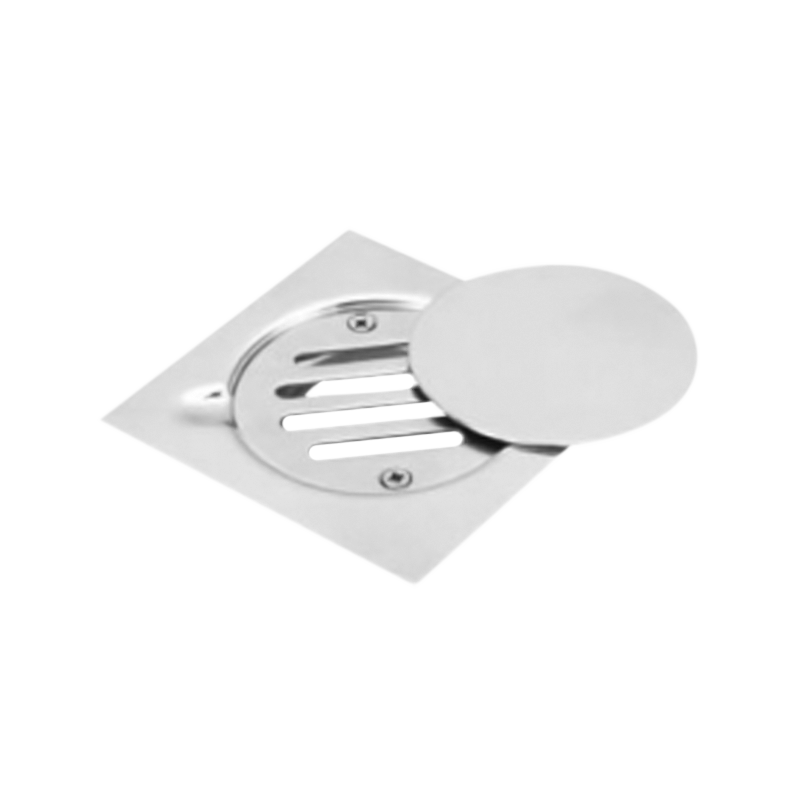
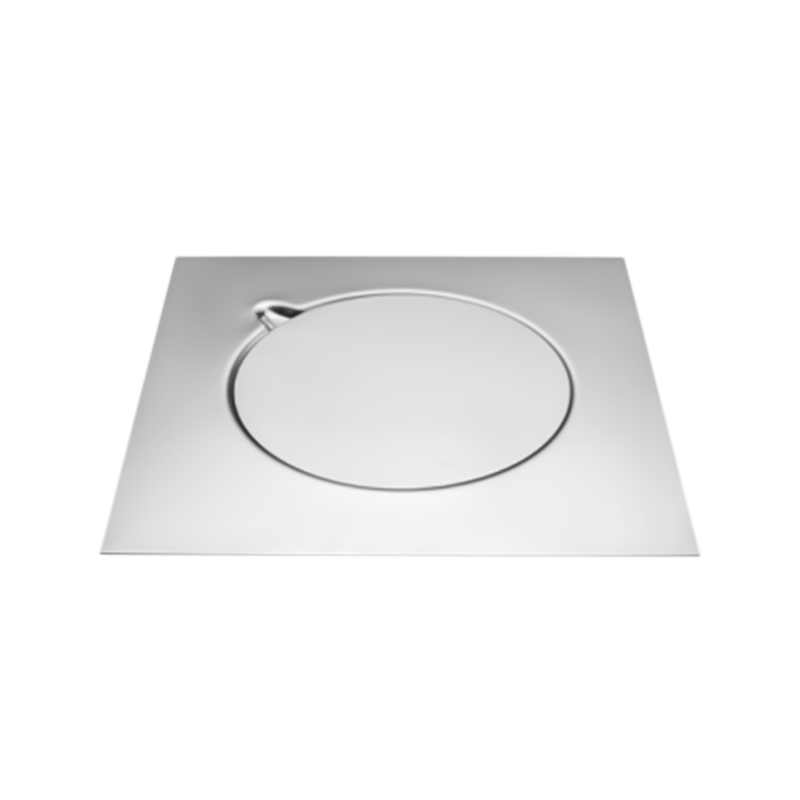
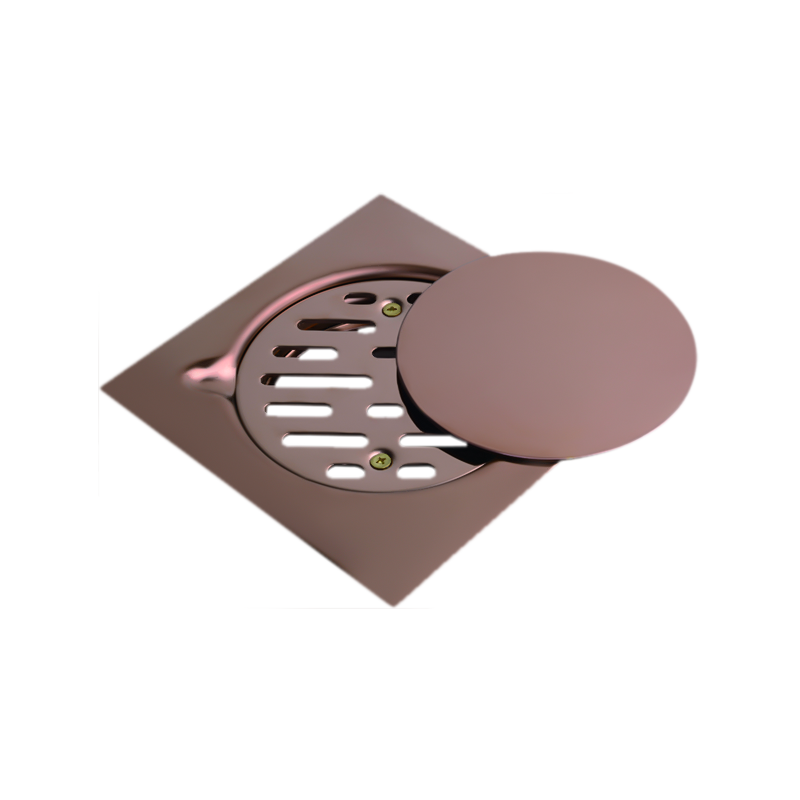
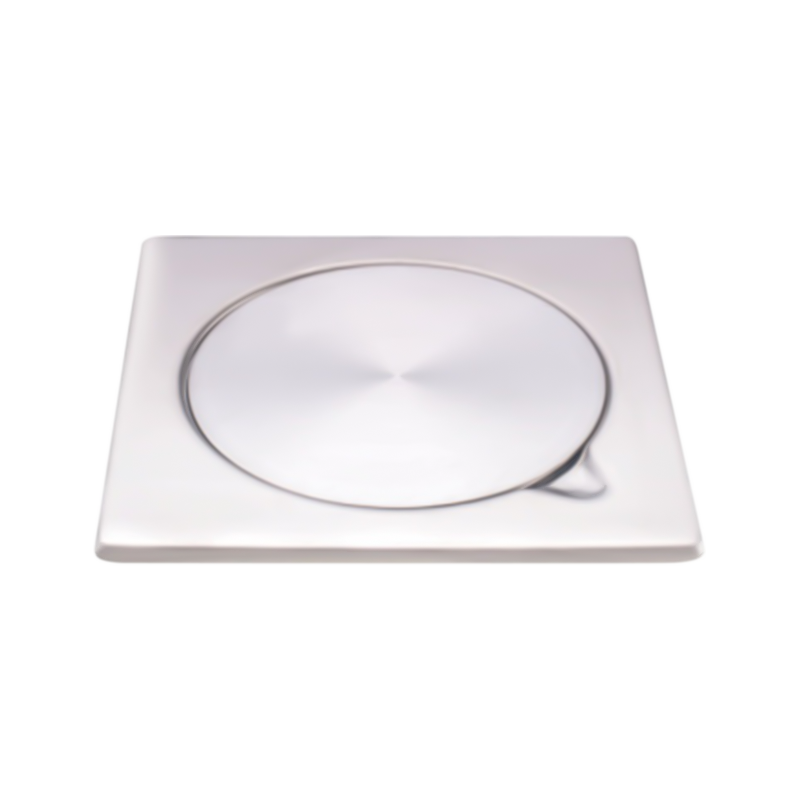
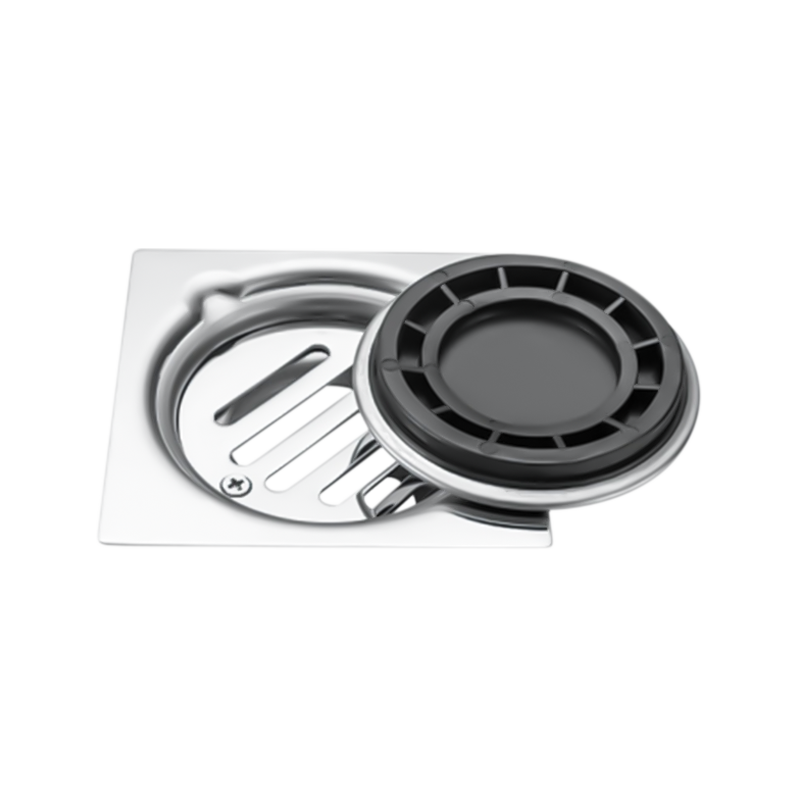
A Custom Terrace Floor Drain offers several advantages that can support the usefulness and lasting condition of your open-air area. It channels liquid from the main walking surface straight into a pipe below, so you avoid those annoying low spots where water likes to collect. Many versions let you tweak the height and angle during install, which means it fits whatever slope or layout you already have without tearing everything up.
The biggest everyday help comes from how it guides liquid across the whole space. These extensions usually sit pretty flat, so any rain or hose spray tends to gather in the center or near the edges. Once you have an outlet in place, the flow heads toward the designated route and leaves the rest of the surface drier quicker. In places where showers happen often, this setup becomes something you rely on without even thinking about it. You step out after the rain stops and the area is already usable instead of waiting around for evaporation.
Standing liquid over weeks and months can wear on whatever covers the surface. Whether you have stone tiles, poured concrete, or composite boards, repeated dampness starts to show up as small cracks, faded patches, or spots that feel softer underfoot. The layers underneath take the hit too, sometimes going to slight shifts that create uneven walking later on. Getting the water moving right away cuts down on all that slow damage. Plenty of folks notice their extension holds its look and feel longer once this kind of system is working in the background.
Keeping the area clean turns into less of a weekend chore as well. Leaves, dirt, and bits of pollen land everywhere on an open surface, and without a path for water they clump up and block the natural slope. You end up sweeping or hosing more than you want. With the outlet doing its job, some of that loose stuff gets carried away naturally during light showers. The surface needs only a quick rinse now and then, and you spend way less time on upkeep. That leaves more hours for actually enjoying the space instead of fighting the mess after every sprinkle.
Appearance stays better too when liquid does not hang around. Mineral marks from rainwater or dark streaks from constant moisture can make even good-looking tiles or boards seem tired and older than they are. A system that clears the surface helps everything keep its even color and clean lines for longer. Stone patterns stay sharp, concrete looks fresh, and boards do not develop that dull finish. Guests pick up on the difference immediately, and the whole extension feels more welcoming whether you are hosting a small gathering or just stepping out for some quiet time.
Safety matters more than people sometimes admit, particularly when the weather turns cooler. A thin layer of liquid left behind can freeze into slick spots overnight or stay damp enough to catch you off balance in the morning. Families with little ones or older relatives really appreciate setups that clear the surface fast. The extension stays firmer to walk on, and those surprise slippery moments drop off. In shoulder seasons when dew and light rain mix, this becomes one of those small details that makes daily use feel safer without extra effort.
There is a practical side for resources as well. Rain that runs off in a controlled way can head toward a simple collection spot instead of soaking uselessly into the soil or washing away bits of nearby garden beds. Some basic setups let you route the flow into a barrel or tank for later use on plants or washing the car. It is nothing fancy, just a way to make better use of what nature provides so you are not always turning on the hose for routine outdoor tasks. Over a season it adds up to noticeable savings without any complicated gadgets.
Different sizes of extensions need slightly different approaches, which is why the systems come in all shapes. A small balcony-style area might need just one compact outlet near the low edge, while a bigger backyard or rooftop section does better with a couple of points spread out evenly. Some are round and simple, others run in long narrow channels that blend right into the paving pattern. The decision usually comes down to how the surface slopes, how much rain your area gets on average, and what you actually use the space for—seating, dining, or just a walkway. A lot of options slide into an existing surface during a refresh, so you do not have to start from scratch every time.
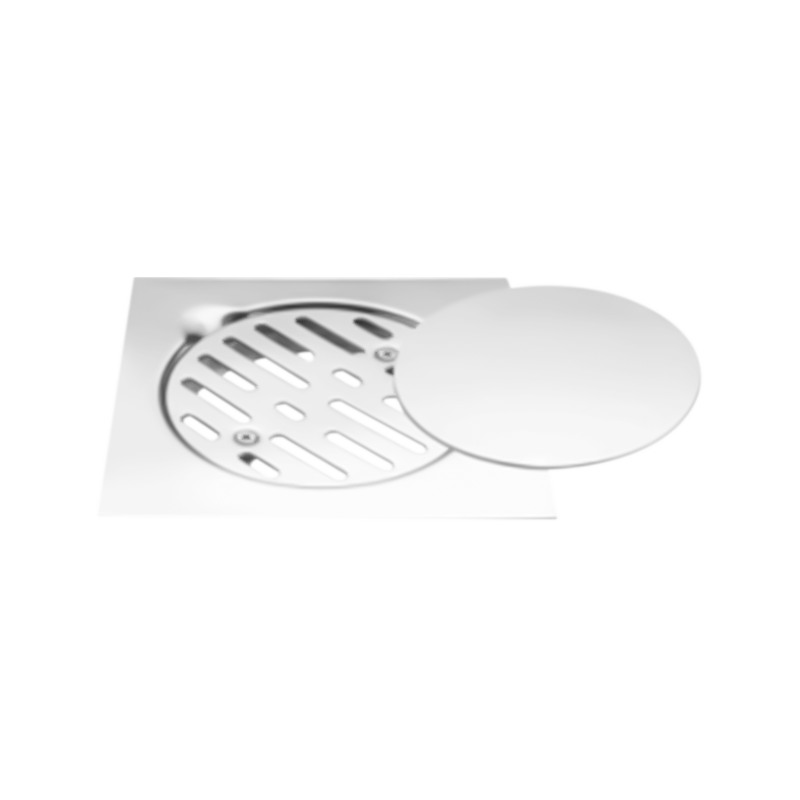
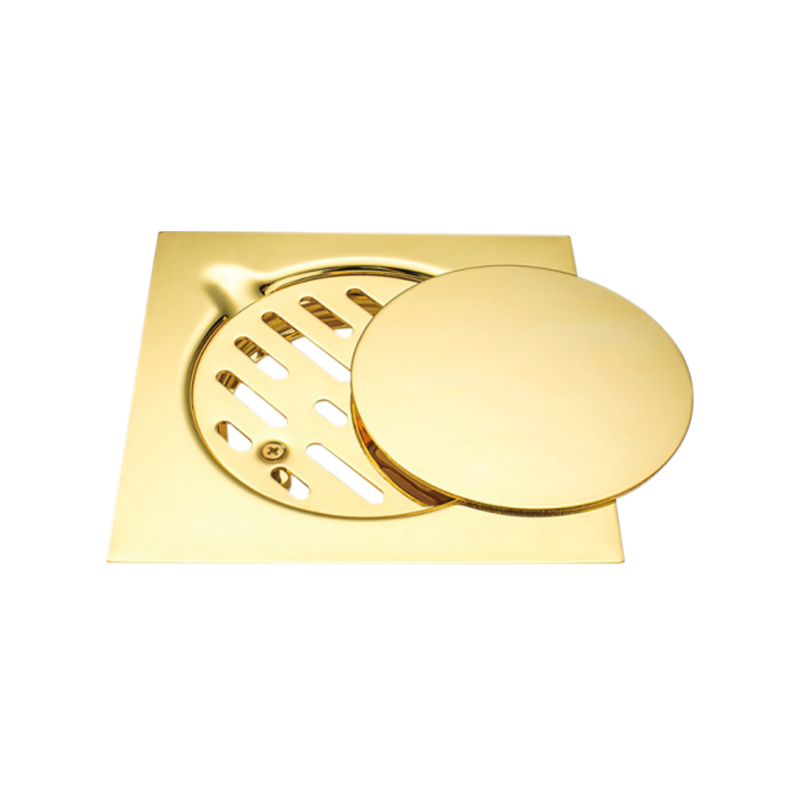
A Cheap Steel Floor Drain Grates can also enhance how the system performs in daily conditions. These covers sit level with the paving and let liquid through while stopping bigger bits of debris from dropping straight into the pipe. Built from sturdy material, they handle foot traffic and weather changes without shifting out of place. The open design keeps the flow steady even when small particles show up, so the whole setup stays effective without constant clogs. Placing them in the right spots means the extension keeps working smoothly between regular checks.
When evaluating Floor Grates Metal Price, it helps to look at the full picture of what goes into a complete installation rather than focusing on one number alone. Factors such as the size of the extension, how many outlets you need, and the style of covering you pick all play a part in the total outlay. Checking options from a few different sources gives you a clearer sense of what fits a normal budget while still handling the demands of the space. Many people find that spending a little time comparing leads to a choice that feels reasonable at the start and holds up well through seasons of use.
Beyond the core job, these systems fit nicely into the rest of the outdoor layout. Some have adjustable heights that match various paving thicknesses, and others come with parts you can lift out for easy rinsing. The main body often resists the constant exposure to moisture, so nothing fails suddenly after a few years. Installation usually follows the same basic steps: mark the spot, make the opening if needed, connect the pipe below, and seal around the edges to stop leaks. Doing it during a refresh or new build keeps the mess low and makes sure the slope works right from day one.
In regular use the difference shows up right after a shower ends. Instead of grabbing a broom to push water off or waiting for it to dry on its own, the surface clears itself. That makes spur-of-the-moment outdoor time more realistic—whether you want a quick breakfast outside or an evening sit with friends. Over months the reduced wear on the paving and the lower chance of hidden moisture problems add up to steadier conditions without constant attention.
It also helps to consider how everything interacts with nearby features. Planters or seating spots stay drier because liquid does not spread outward from the main area. The connected pipes can send the flow to a suitable end point like a ground channel or storage tank, keeping the whole setup contained. A quick check now and then involves lifting a cover and rinsing away any caught leaves, which takes just a couple of minutes when you do it on a loose schedule.
For anyone updating an older extension, adding the outlet often fits into a single weekend if the pipe route is straightforward. Bringing in help speeds things for larger spaces or when tying into main lines, but the idea stays simple: create a clear path so liquid leaves fast and cleanly. The result is an extension that handles changing weather more smoothly and stays ready with almost no extra work.
Putting all these pieces together explains why so many homeowners start thinking about runoff solutions when they plan or refresh an open-air addition. The systems tackle the usual headaches around liquid control, cleaning, looks, and safety in a direct, no-nonsense way. They support normal daily use and help the space keep its condition over time without demanding ongoing fixes. Whether the extension is modest or spreads out quite a bit, the right arrangement makes a real difference in comfort and convenience.
If you are weighing choices for your own outdoor spot, reaching out to a few suppliers for details on what is available can clear up which option matches your layout and daily needs. Taking a steady approach to picking usually lands you with something that runs quietly behind the scenes, letting you focus on using the space instead of dealing with water after every rain.


 Add: No 3 District Xiaowufen Industrial Zone, Pengjie Town, Luqiao District, Taizhou City, Zhejiang Province, China.
 Tel: +86-576-89203599
 Fax: +86-576-89203598
 Email: [email protected],[email protected],[email protected]
Copyright © Taizhou Shenzhou Sanitary Ware Co., Ltd. All Rights Reserved.


 عربى
عربى 0
0
