Balconies are supposed to be that nice outdoor spot where you can sit with a coffee, grill some food, or just watch the rain. But when the weather pours, the water can quickly turn into a problem area if the water can't be handled right. Standing water on a balcony isn't just annoying — it can wreck your flooring, invite mold, and even cause serious damage to the building underneath. That's exactly why a good balcony floor trap matters so much. It quietly does the heavy lifting, pulling water away before it causes trouble.
Think about how a balcony works. It's exposed to rain, snow, spilled drinks, plant watering, and whatever the weather throws at it. Without proper drainage, water collects in low spots, sits there for days, and starts eating away at tiles, concrete, or wood. Over time that leads to cracks, stains, slippery surfaces, and even leaks into the rooms below. It fixes all that by giving the water a clear path down the drain instead of letting it hang around.
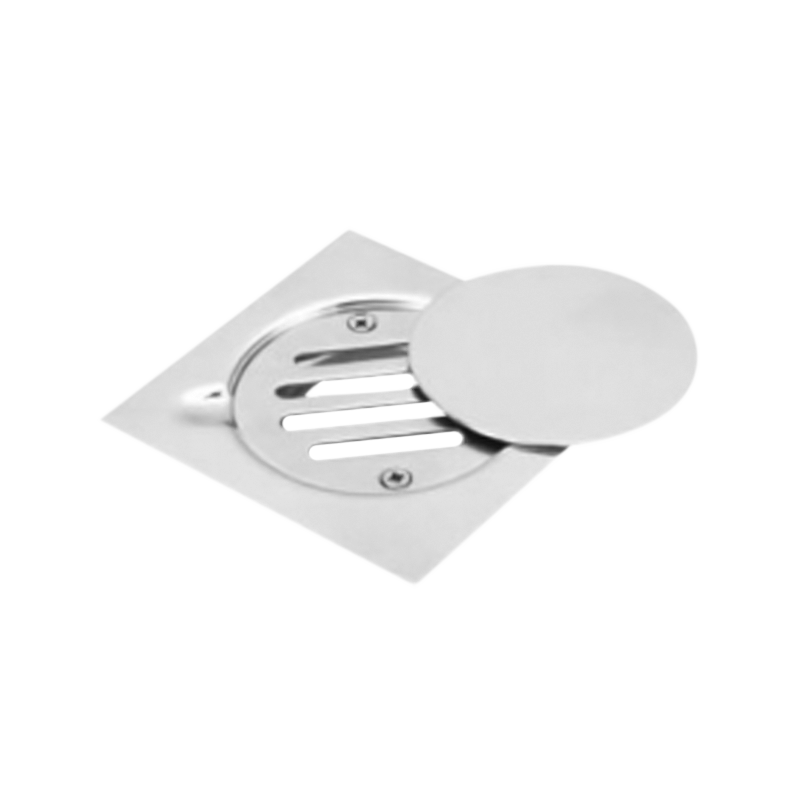
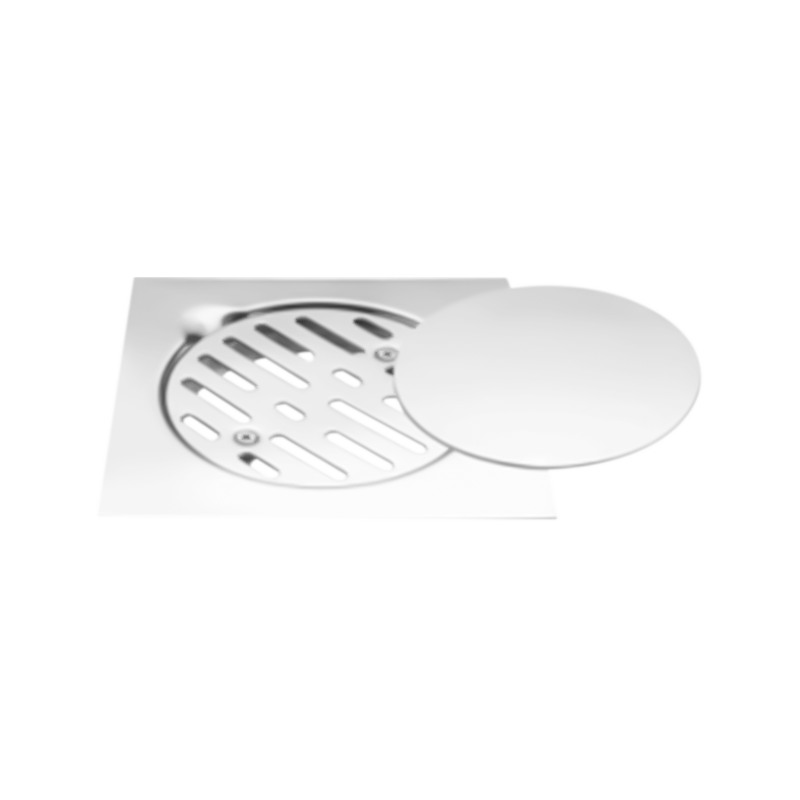
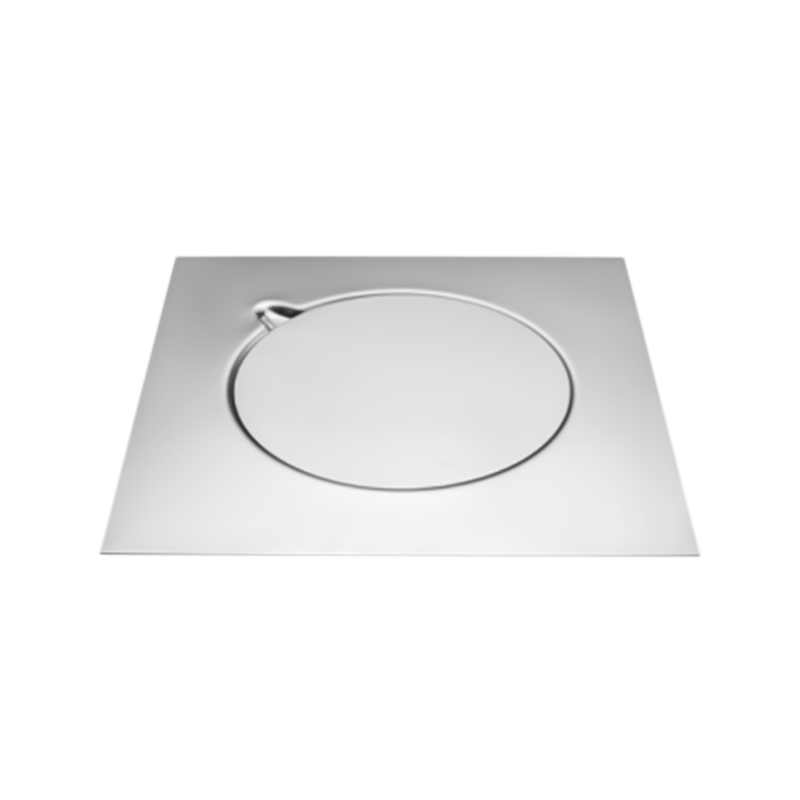
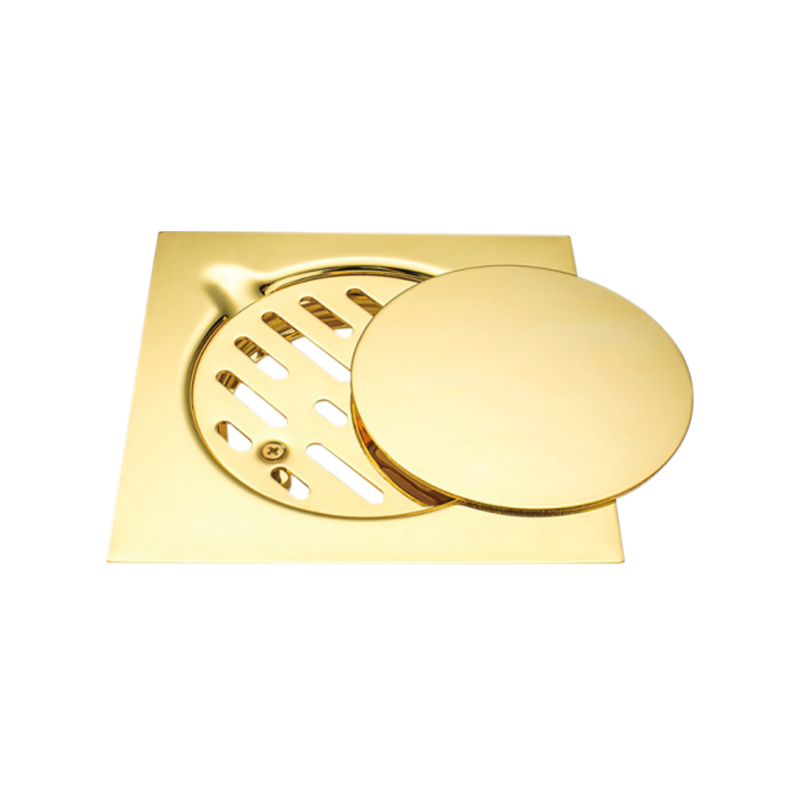
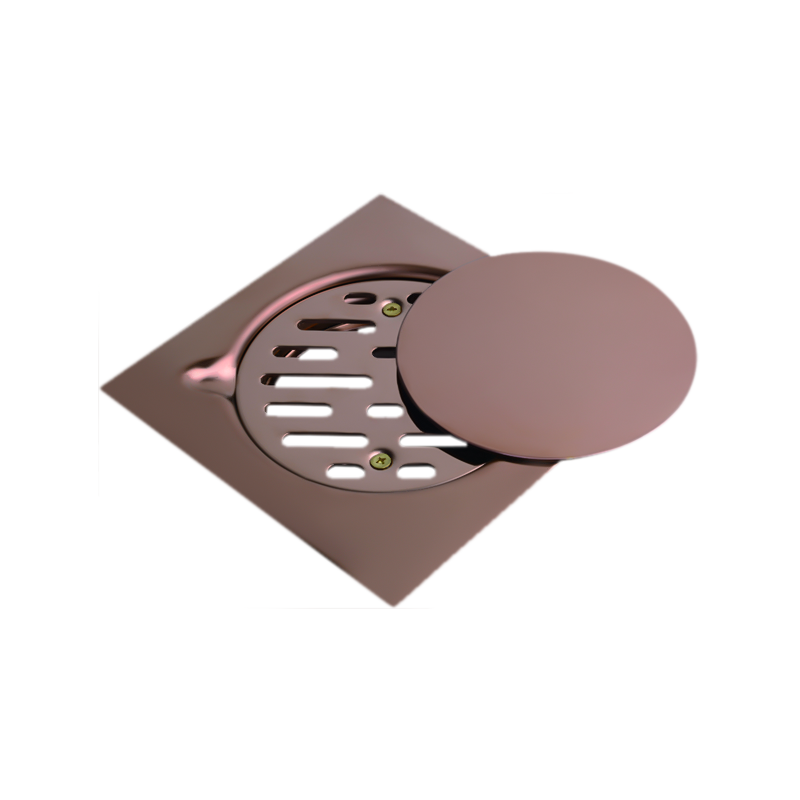
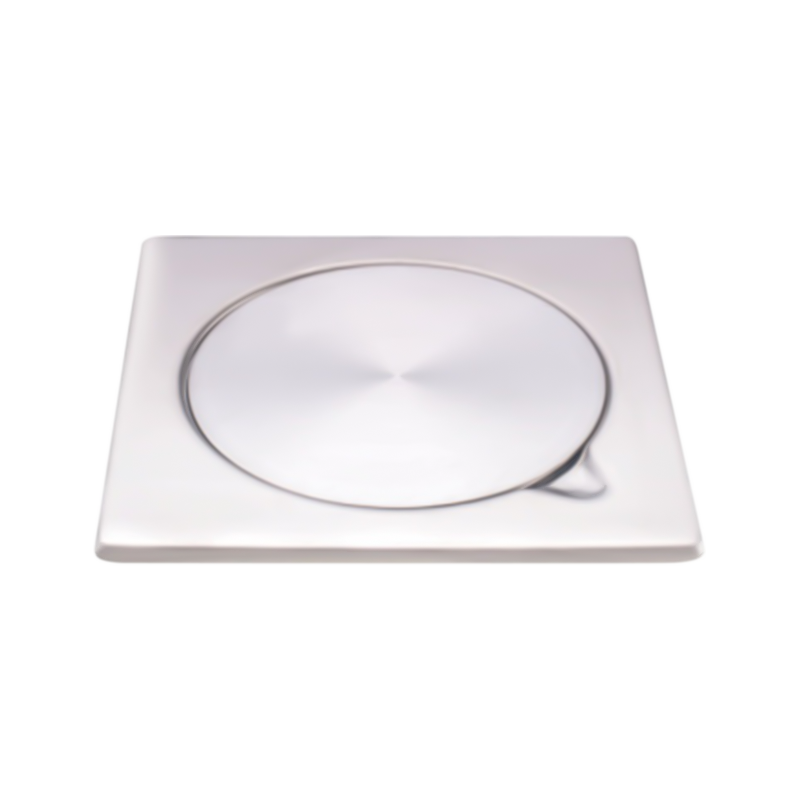
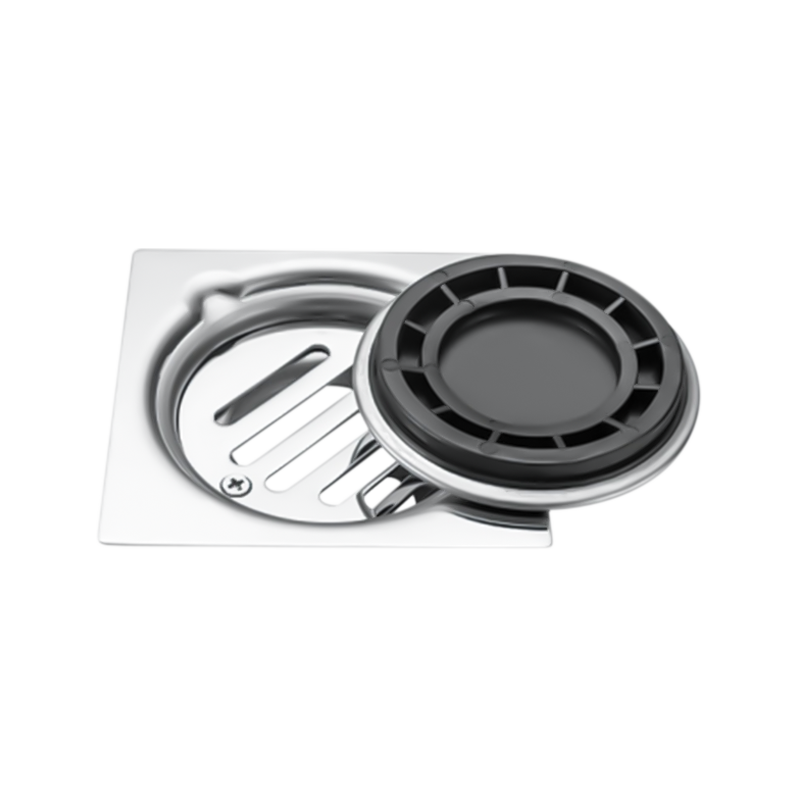
It is basically a built-in drain set flush with the floor. It catches water as it flows across the surface and channels it straight into the plumbing system. Most have a grate on top that keeps bigger debris out while still letting water through fast. The trap itself usually includes a seal that stops smells from coming back up and helps everything drain smoothly. Once it's installed correctly, you barely notice it's there — until you realize how dry and safe your balcony stays even after a heavy storm.
One of the biggest wins is stopping water from pooling. When water sits, it creates the good environment for mold and mildew to grow. That black or green stuff isn't just ugly; it can trigger allergies and make the whole area smell musty. A working trap keeps the surface dry, so you avoid those issues completely. It also protects the actual flooring material. Tiles can crack, concrete can spall, and wood decks can rot when they stay wet too long. Good drainage means your balcony looks better and lasts longer without needing expensive resurfacing every few years.
But the real value shows up deeper in the building. Water that seeps through a balcony floor can travel into walls, joists, or even the foundation. Over months or years that hidden moisture causes wood rot, rusted rebar, weakened concrete, and higher repair bills. In apartment buildings or condos, one neglected balcony can go to complaints from neighbors below or even insurance headaches. Installing a quality trap early on is the cheap ways to protect the whole structure.
Safety is another reason people love them. A wet, slippery balcony is no fun when you're carrying drinks or chasing kids around. A good product keeps things dry underfoot, so the space stays usable even right after rain. That's especially important in families with elderly members or in rental properties where you want guests to feel safe.
Maintenance is surprisingly simple too. Unlike fancy systems that need constant attention, a basic floor trap usually only needs a quick clean every couple of weeks. Sweep off leaves, rinse the grate, and maybe flush it with a hose once a month. That's it. No special tools or expensive products required. Keep it clear and it will keep working for decades.
If you're in the market right now, there are a few solid choices worth looking at. For a straightforward, budget-friendly option that still gets the job done, a Sale Balcony Floor Trap is popular with homeowners who want reliable performance without overcomplicating things. If you prefer a clean, modern round look that blends nicely with tile or stone, many go for an OEM Round Floor Sink because it fits almost any design and drains efficiently. And when you need something extra tough for a high-rise balcony or a place that sees heavy rain year-round, Floor Drain Grates Cast Iron For Sale hold up amazingly well against weather and foot traffic.
Choosing the right one depends on your balcony size, the local climate, and how the floor slopes. Either way, make sure it's installed with the correct slope so water actually flows toward it instead of away. A good installer will check the pitch and seal everything properly so you don't end up with leaks around the edges.
Another thing worth thinking about is the material. Stainless steel or cast iron versions tend to last longest because they resist rust and handle temperature swings. Plastic ones can work for light use but often crack or warp over time. The grate style matters too — some have smaller slots to keep bugs or small toys out, while others have wider openings for faster drainage. Pick based on what you actually need rather than what looks fanciest in the store.
Real homeowners notice the difference fast. One guy I heard from replaced his old clogged drain after a big storm left his balcony underwater for days. After swapping in a proper trap, the water disappeared in minutes instead of hours. Another family in a condo building avoided a huge assessment fee because their unit stayed dry while others had water seeping through ceilings. Small upgrade, big peace of mind.
Of course, even the trap needs a little care. Once a season, lift the grate and check for hidden buildup. A mix of vinegar and hot water does a great job breaking down soap scum or mineral deposits without harsh chemicals. If you live somewhere with lots of trees, consider adding a simple leaf guard on top during fall — it cuts cleaning time in half.
A balcony floor trap isn't some fancy gadget. It's basic protection that pays for itself many times over by stopping problems before they start. It keeps your outdoor space usable, protects your investment, and gives you one less thing to worry about when the sky opens up.
Whether you're building a new balcony or fixing up an old one, don't skip this step. A few minutes of planning and a decent install can save you thousands in repairs and years of headaches. Your balcony should be for relaxing, not for dealing with puddles and mold. Put the right trap in place and you'll wonder how you ever got by without it.


 Add: No 3 District Xiaowufen Industrial Zone, Pengjie Town, Luqiao District, Taizhou City, Zhejiang Province, China.
 Tel: +86-576-89203599
 Fax: +86-576-89203598
 Email: [email protected],[email protected],[email protected]
Copyright © Taizhou Shenzhou Sanitary Ware Co., Ltd. All Rights Reserved.


 عربى
عربى 0
0
