If you've ever stepped outside after a good rain and found puddles sitting on your patio for days, you know exactly how annoying it gets. The kids can't play out there, the furniture gets splashed, and you start worrying about water sneaking into cracks or under the pavers. I've been there more than once. After dealing with it in two different houses, I finally learned that a decent outdoor water outlet can quietly solve a lot of those headaches before they turn into bigger, expensive problems.
Patios take a beating from weather. Heavy showers, roof runoff, melting snow — it all ends up somewhere. Without a smart way for the water to escape, it pools in low spots, slowly working its way into the surface or even toward the house foundation. I've seen cracked concrete, lifted pavers, and that musty smell that tells you moisture is hanging around too long. It's not just ugly; it can go to real damage over time if you ignore it.
A simple surface water outlet does the heavy lifting by moving rainwater away fast so your outdoor space dries out quicker and stays safer to walk on. Last summer after a string of thunderstorms, our patio used to stay wet for days. Once we added a low-profile linear channel along one edge, everything cleared up in just a few hours instead of lingering and turning slippery.
These setups shine in places that get regular downpours or where the roof dumps a ton of water onto the paved area. By guiding the flow away from the building, they cut down on seepage that can weaken walls or create damp spots inside. It's one of those behind-the-scenes fixes that protects your home without you having to think about it every time it rains.
Getting the spot right matters a lot. Usually the low point of the patio is the good place, with a gentle slope going toward it. Even a small one or two percent tilt makes a surprising difference — water moves naturally instead of spreading out and creating trip hazards or ugly wet zones.
I'll be honest — this isn't usually a quick DIY project unless you've done plumbing or concrete work before. The slope has to be accurate, and the outlet needs to connect properly to your overall runoff system so the water actually goes somewhere useful instead of backing up.
Calling in someone experienced with outdoor work is worth it. They make sure the outlet sits flush with the surface, the connections are solid, and nothing shifts later when the ground moves or freezes. During the job they often check existing pipes or add extensions to carry water farther away from the foundation. Doing it right the time saves you from those frustrating callbacks after the next big storm.
Material choice makes a difference too. Stuff that resists rust and handles sun and foot traffic holds up way better. Some designs let you drop in matching pavers or stone so the whole thing blends in nicely instead of looking like an obvious add-on.
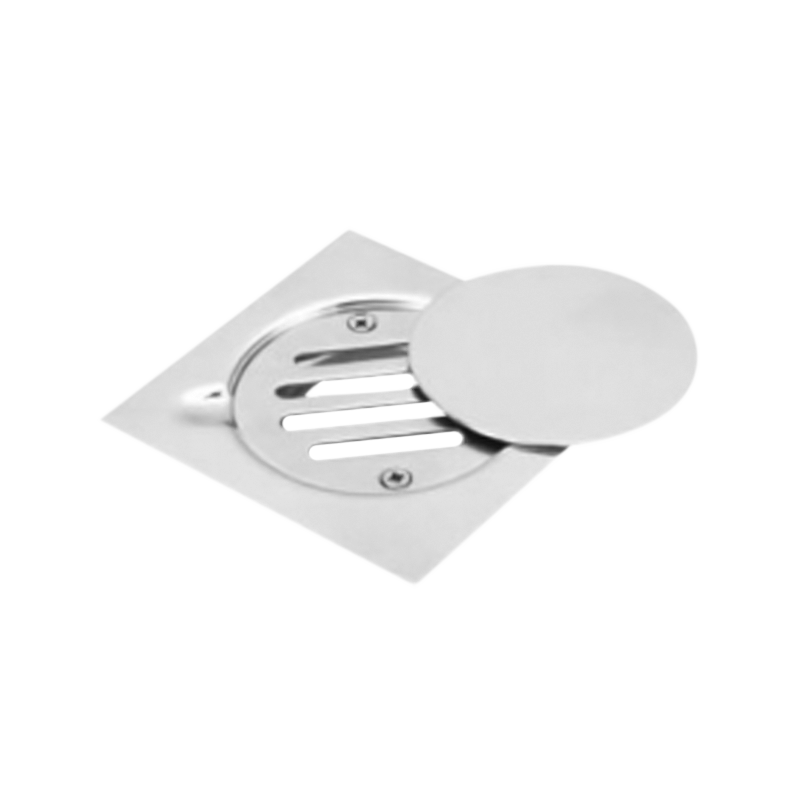
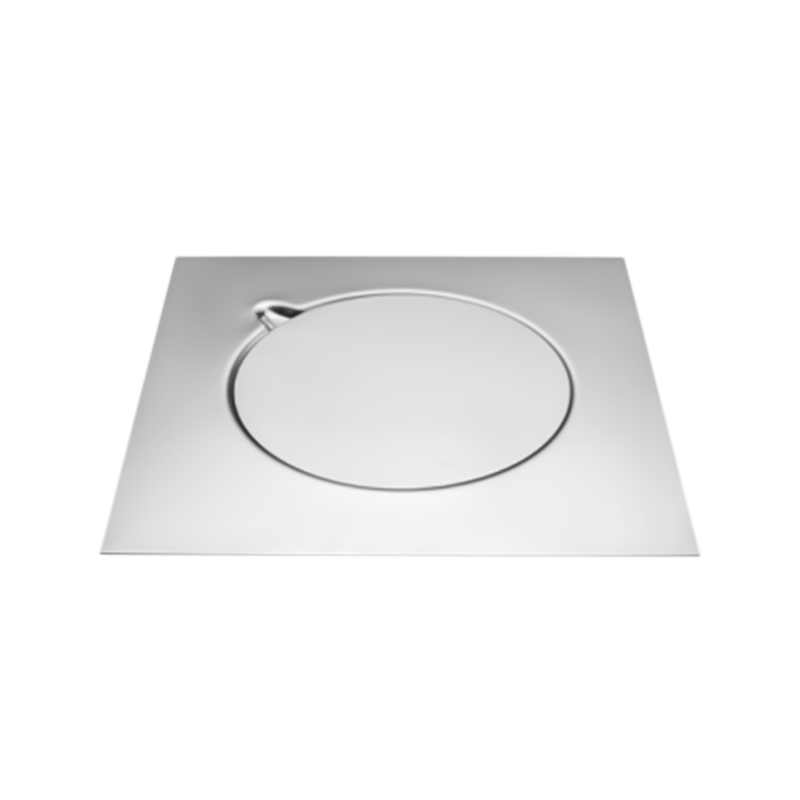
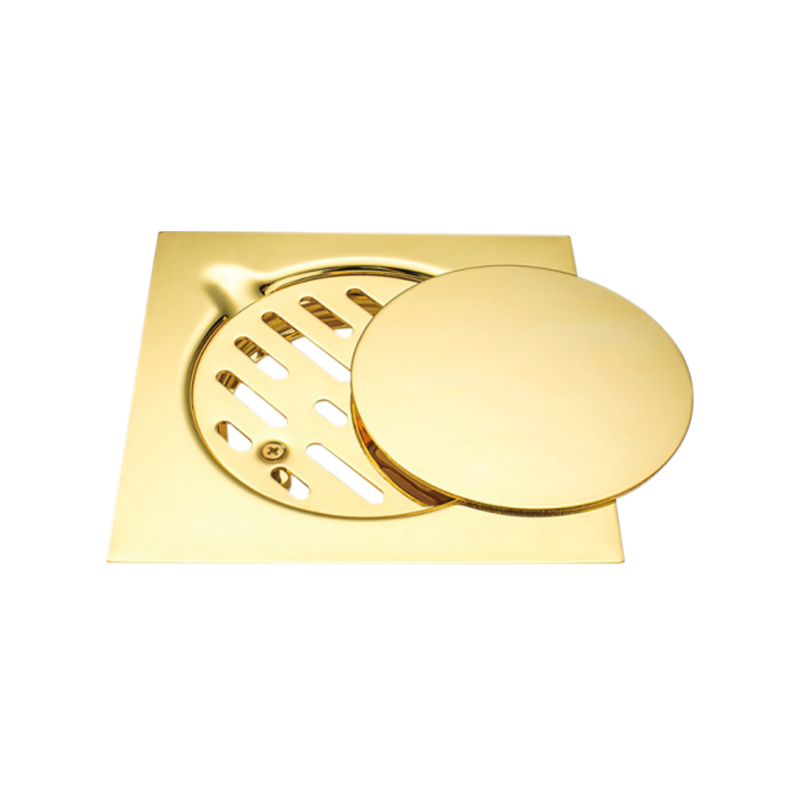
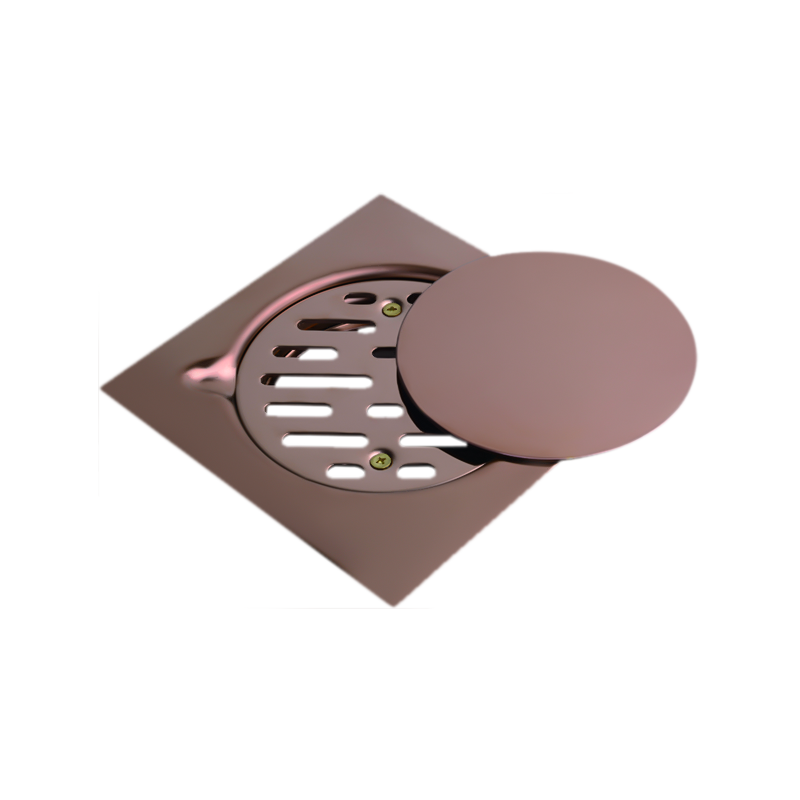
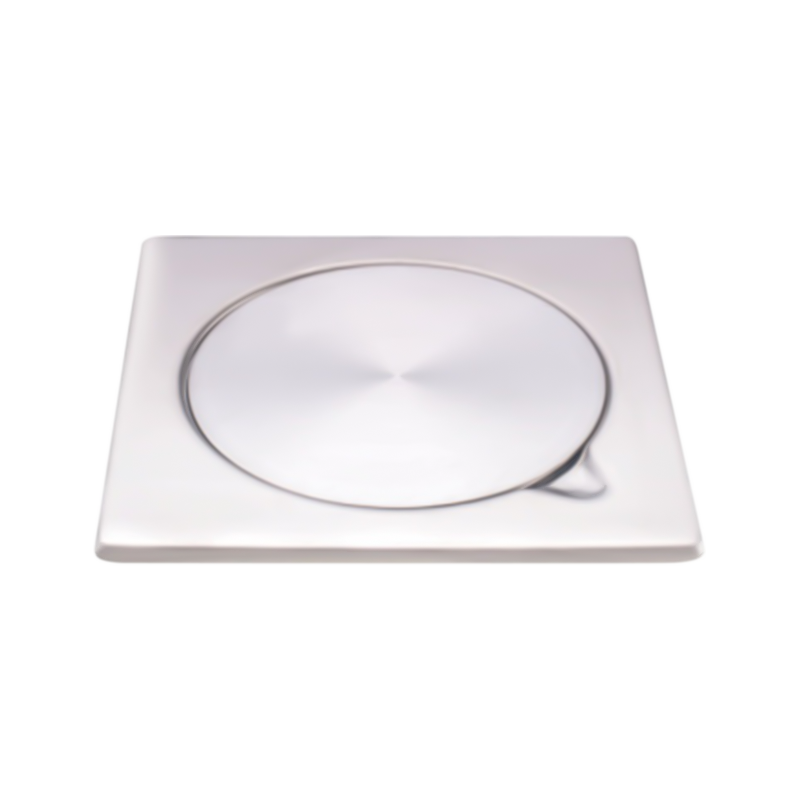
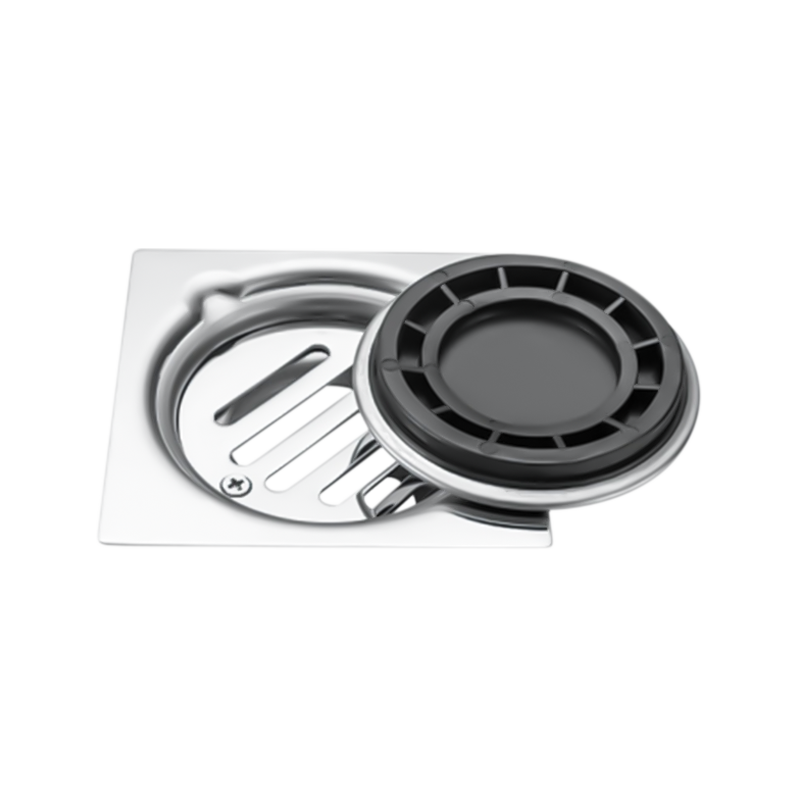
Sale Terrace Floor Drain can be a solid, budget-conscious choice when you want reliable performance without overspending on your residential patio.
Maintenance sounds boring, but it really doesn't take long and prevents small issues from becoming big ones. Every couple of months I take five or ten minutes to clear out leaves, dirt, or whatever else collects in the channel. A hose rinse or soft brush usually does the trick and keeps water moving freely.
After heavy leaf seasons or big rains, I make it a habit to check things. It stops that gross buildup and any weird odors that sometimes come up from stagnant water. If drainage starts slowing down, it's usually surface stuff rather than a deep clog.
In colder climates, a quick winter inspection for cracks or loose parts helps avoid ice damage. A little attention here and there can keep your outdoor water management working well for many years without needing a full redo.
Puddles aren't just inconvenient — they create slippery spots that can go to nasty falls, especially with kids running around or older folks visiting. A reliable patio outlet keeps surfaces drier and more stable, so everyone can enjoy the space without worrying.
On the health side, excess moisture encourages mold and mildew that can drift indoors and affect breathing. Moving water away efficiently lowers those risks and makes the whole area feel fresher. It's one of those quiet protections that improves daily life more than you expect.
Money is always a factor when upgrading outdoor spaces. The good news is you don't have to spend a fortune to get something that works well.
Cheap Commercial Floor Drain Grates have become popular for home patios because they offer solid durability at reasonable costs. Many handle regular use and weather exposure while still looking clean and straightforward.
When comparing choices, think about how much water your patio usually sees and pick something with enough flow capacity. A longer linear channel often performs better than a single point outlet on bigger areas since it catches water across a wider stretch.
Floor Trench Drain Grates Price varies depending on size and material, but spending a bit more on quality pieces usually means fewer repairs later compared to dealing with repeated water damage fixes.
With storms seeming heavier in many areas these days, having decent water management feels more important than ever. A properly installed outlet helps your patio handle sudden heavy rain without flooding or pushing extra water toward the house.
Some newer designs include easier-to-clean surfaces or slight adjustments that work better with different patio materials. While fancy alert systems are still developing, basic smart design already goes a long way toward making your home more resilient.
Nobody wants an ugly metal cover ruining the look of a nice patio. Plenty of modern options come in styles that blend right in — simple slots that match your pavers, or subtle patterns that don't scream "drain." You can pick finishes that go with your furniture or house colors so the space feels pulled together instead of having an obvious utility piece stuck in the middle.
In my backyard, switching to a discreet linear setup made the whole area look cleaner and more intentional. Friends comment on how quickly it dries now, but they rarely even notice the outlet itself.
It's tempting to put this off because the initial cost feels noticeable. But when you stack it against what water damage can run — replacing soaked materials, professional drying, or fixing mold — the numbers often favor handling it sooner rather than later.
A working outdoor setup also helps protect your property value. Buyers get nervous about hidden moisture issues, so showing that everything drains properly can make a real difference when selling down the road.
Start by watching your patio during and right after rain. Notice exactly where water gathers and how it flows. That gives you a clear idea of the good spot for an outlet.
If you're already planning to resurface or redo the patio, that's the good time to build in better drainage. Adding the right slope and outlet during the work is usually easier and cheaper than trying to retrofit everything later.
Think about where the water will ultimately go. Make sure it heads away from the foundation and any areas you don't want flooded.
If budget is tight, focus on straightforward, durable designs rather than fancy extras. Many basic models still handle normal home use very effectively.
Fixing how water leaves your patio might not be the exciting project, but it quietly makes outdoor living way more enjoyable and protects your home at the same time. Fewer slippery spots, less risk of hidden damage, and a space you can actually use after rain — it all adds up.
Whether you're tired of dealing with puddles in an existing setup or starting fresh with a new outdoor area, spending a little time on drainage is one of those practical moves that pays off season after season. A reliable surface water outlet lets you relax and enjoy your patio instead of avoiding it every time the sky opens up.
A lot of us who've finally taken care of it say the same thing: we wish we'd done it sooner. It's one of those upgrades that feels small at but improves your daily life in ways you notice every rainy day.


 Add: No 3 District Xiaowufen Industrial Zone, Pengjie Town, Luqiao District, Taizhou City, Zhejiang Province, China.
 Tel: +86-576-89203599
 Fax: +86-576-89203598
 Email: [email protected],[email protected],[email protected]
Copyright © Taizhou Shenzhou Sanitary Ware Co., Ltd. All Rights Reserved.


 عربى
عربى 0
0
