A Stainless Steel Rain Gutter Factory produces a variety of gutter shapes to accommodate different architectural styles, rainfall conditions, and installation requirements. The shape of a rain gutter affects water flow, capacity, ease of maintenance, and overall durability. Understanding the distinctions between these shapes can help homeowners, builders, and contractors choose the suitable option for their roofing and drainage needs.
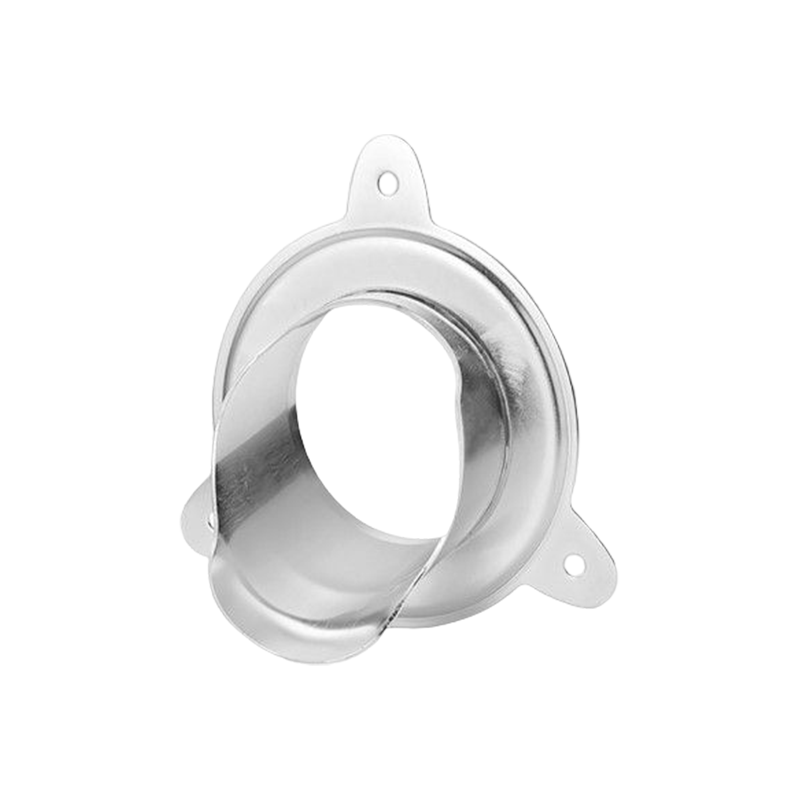
U-shaped gutters are one of the common designs used in both residential and commercial buildings.
K-shaped gutters, sometimes referred to as ogee gutters, have a profile resembling the letter “K” when viewed from the side.
Half-round gutters are similar to U-shaped but typically more shallow and visually simpler.
Box gutters are rectangular in shape and commonly used in commercial or flat-roof buildings.
Choosing the appropriate shape of a stainless steel rain gutter depends on several factors:
Rainfall Volume: Heavier rainfall may require U-shaped or box gutters for higher capacity.
Architectural Style: Half-round gutters complement traditional designs, while K-shaped gutters suit modern aesthetics.
Maintenance Requirements: Open and easily accessible profiles, such as U-shaped gutters, simplify cleaning, especially in areas with frequent leaf fall.
Structural Constraints: The choice may also depend on roof type, slope, and installation feasibility.
The shape of a Stainless Steel Rain Gutter Factory product significantly influences water flow efficiency, aesthetic appeal, and maintenance requirements. U-shaped, K-shaped, half-round, and box gutters each have distinct advantages and limitations, making them suitable for different building types and environmental conditions. By carefully evaluating rainfall, design preferences, and maintenance capabilities, homeowners and builders can select the appropriate gutter shape for long-lasting performance and suitable water management.


 Add: No 3 District Xiaowufen Industrial Zone, Pengjie Town, Luqiao District, Taizhou City, Zhejiang Province, China.
 Tel: +86-576-89203599
 Fax: +86-576-89203598
 Email: [email protected],[email protected],[email protected]
Copyright © Taizhou Shenzhou Sanitary Ware Co., Ltd. All Rights Reserved.


 عربى
عربى 0
0
