Industry News

Home / News / Industry News / Does Stainless Steel Tile Drain Affect Floor Drainage Slope

Does Stainless Steel Tile Drain Affect Floor Drainage Slope

Posted by Admin | 06 Feb

Role of Stainless Steel Tile Drains in Modern Flooring

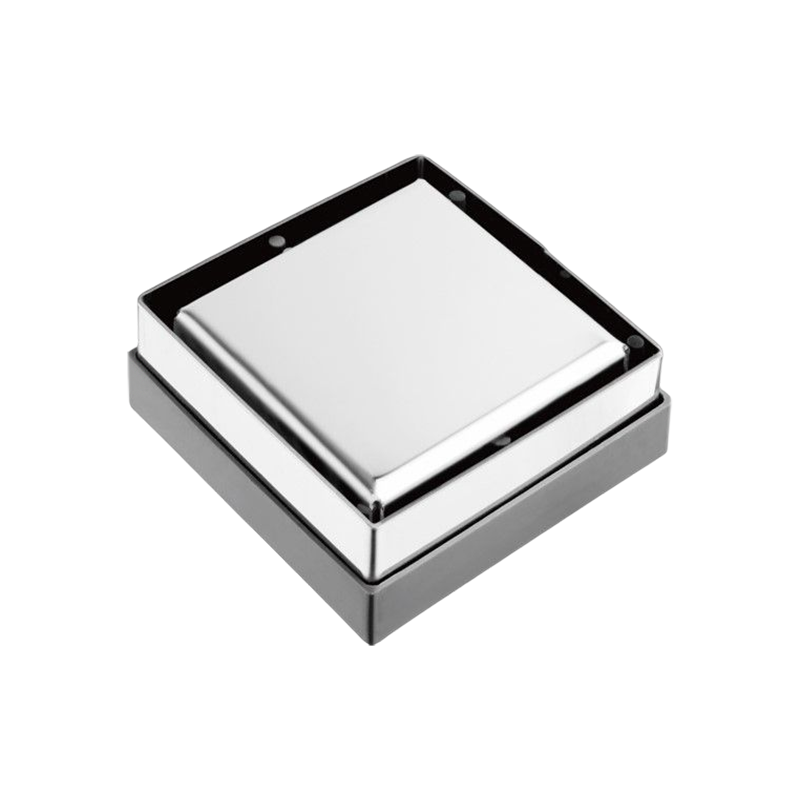
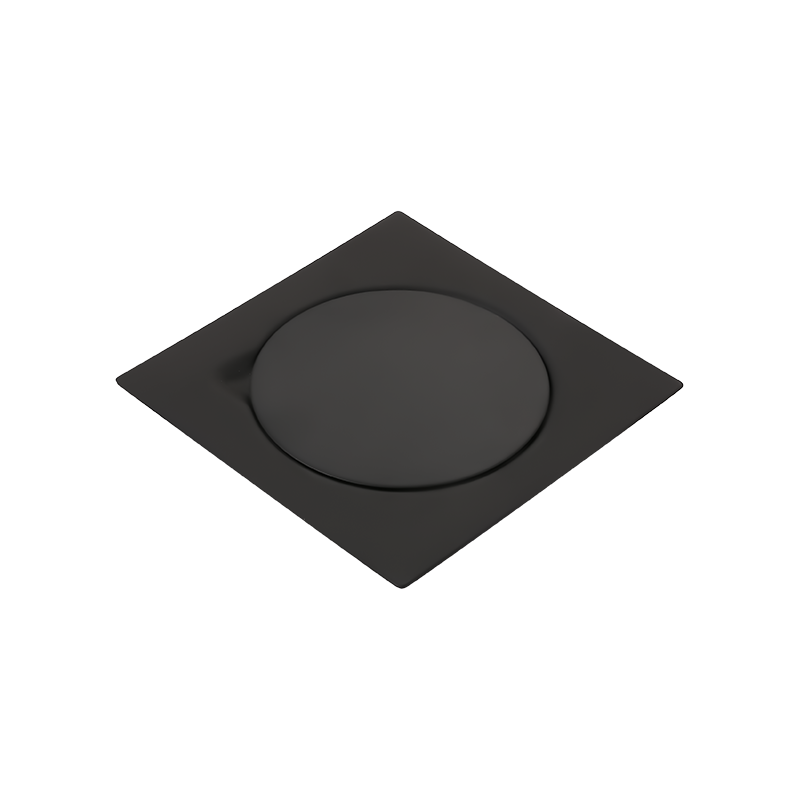
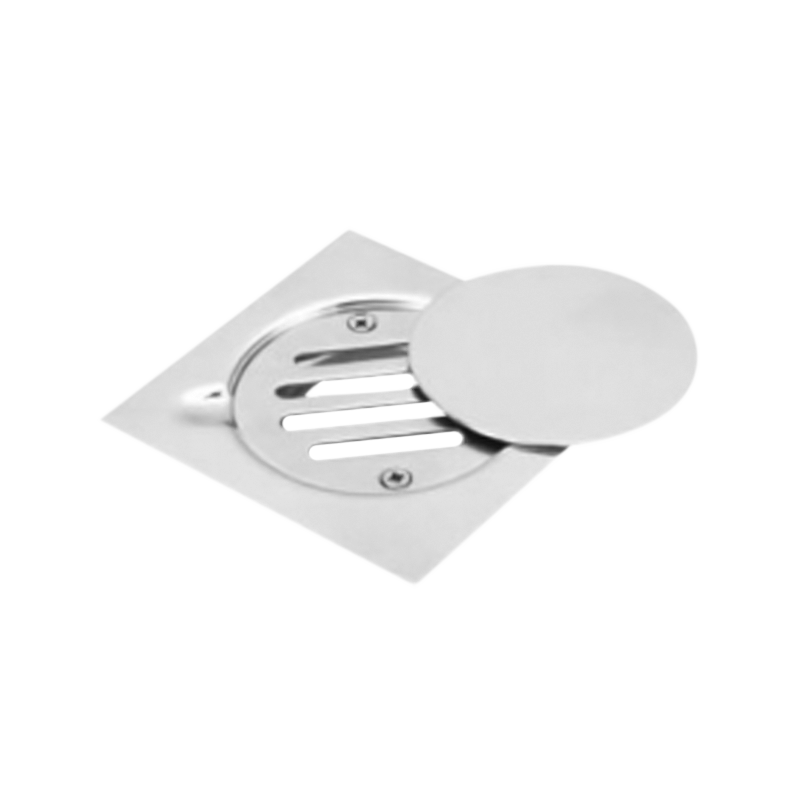
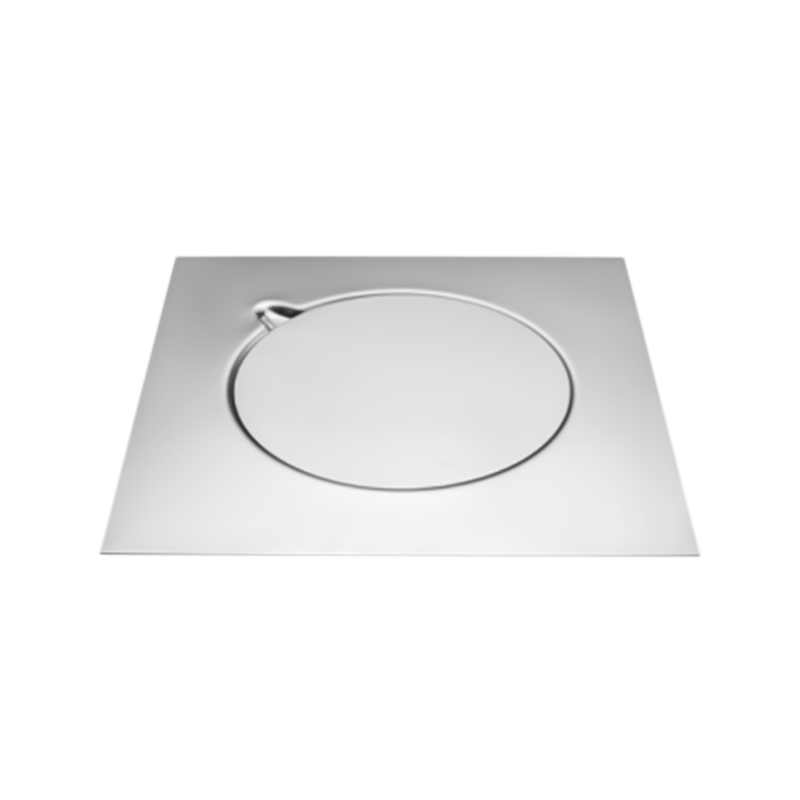
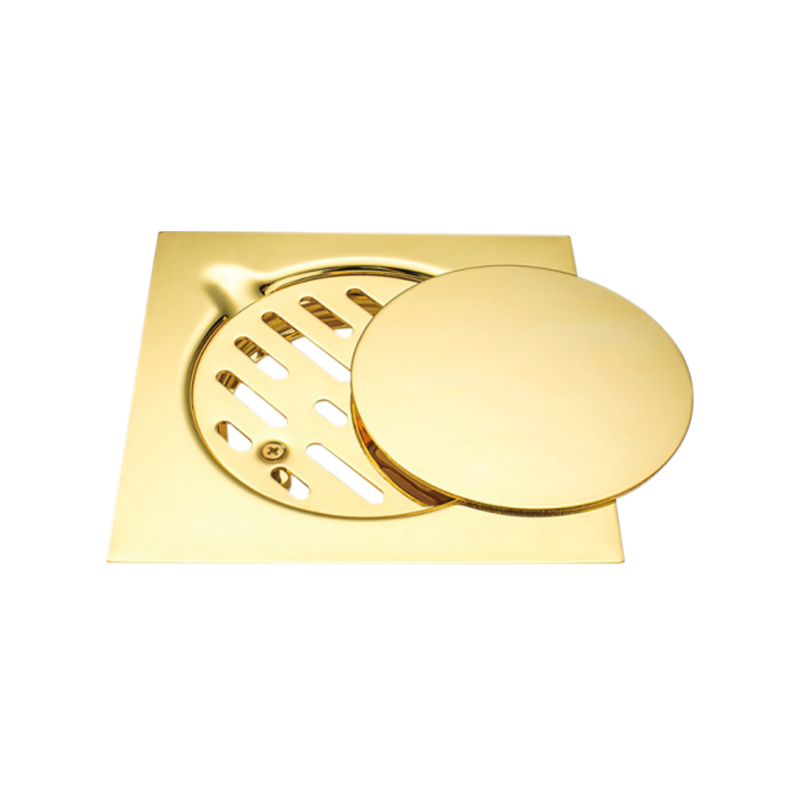
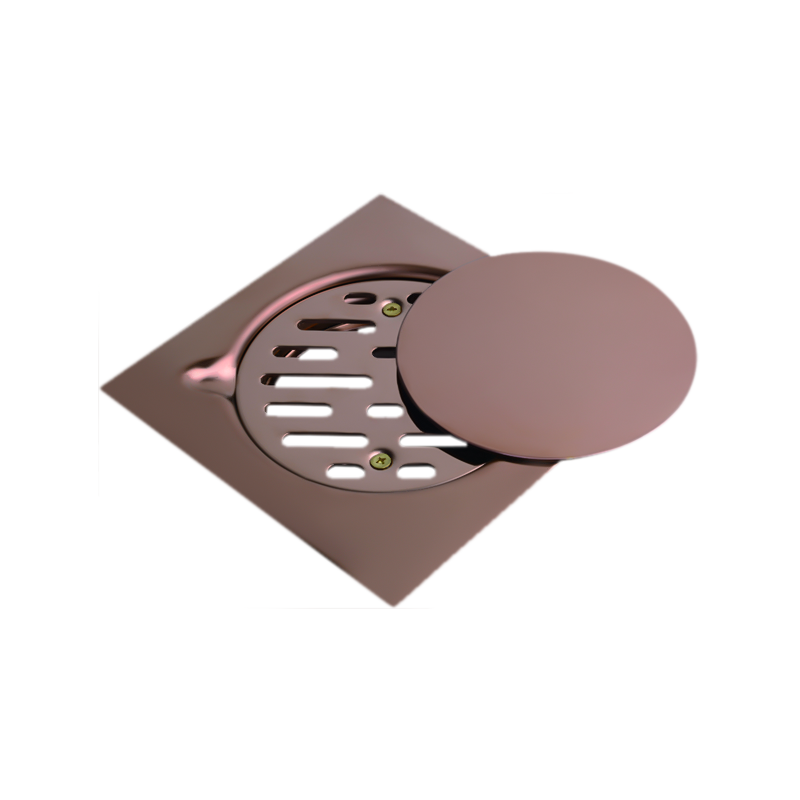
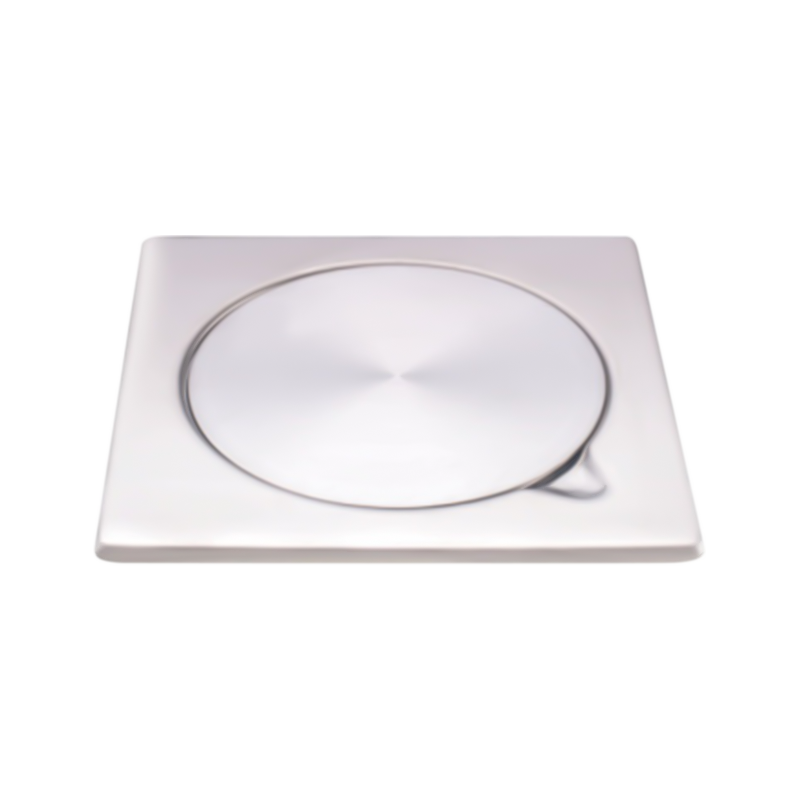
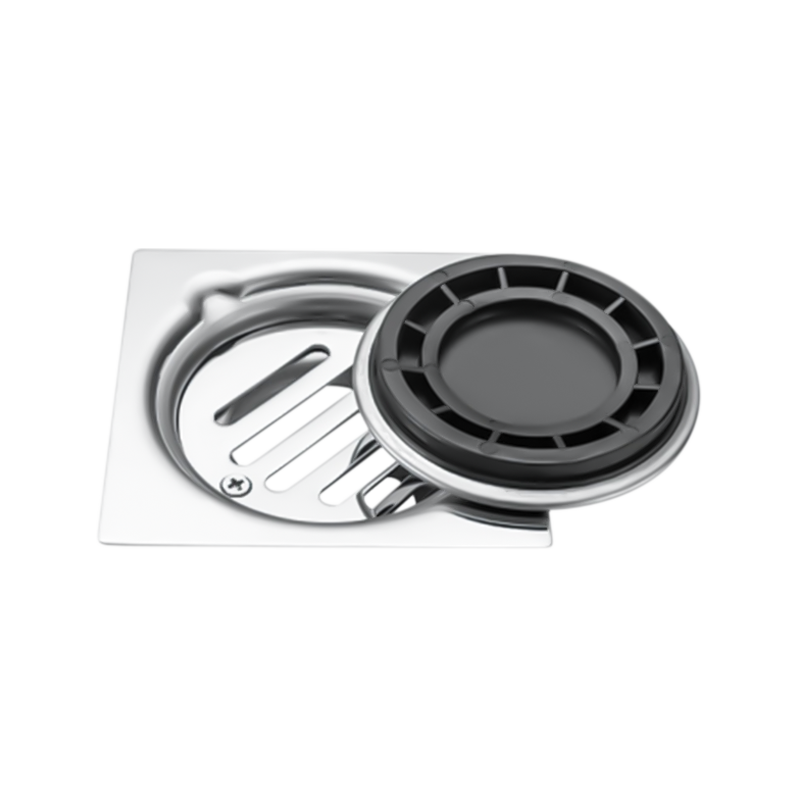
Design characteristics: A Stainless Steel Tile Drain is designed to integrate seamlessly with tiled floors, often allowing tiles to be inserted or aligned closely around the drain cover.

Visual integration:

  • Offers a clean, modern appearance that blends with floor tiles.
  • Reduces visual disruption compared to traditional round drains.

Structural placement:

  • Usually installed flush with the finished tile surface.
  • Can be central or offset depending on room layout.

Does Drain Design Change the Required Slope?

Slope principle remains unchanged:

  1. The presence of a Stainless Steel Tile Drain does not eliminate the need for proper slope.
  2. Gravity-based drainage still depends on water flowing toward the low point.

Influence of drain geometry:

  1. Square or tile-in drains may require more precise slope planning.
  2. Linear or elongated designs can allow a single-direction slope instead of a four-way slope.

Installer's responsibility:

Proper slope execution depends more on installation technique than on drain material.

Installation Methods and Their Impact on Drainage

  • Central drain installation:

Requires a multi-directional slope from all sides toward the drain.

Tile cutting and leveling must be precise to avoid uneven gradients.

  • Side or wall-adjacent installation:

Allows a simpler, single-direction slope.

Often used in modern walk-in showers and minimalist bathrooms.

  • Height adjustment considerations:

Adjustable drain bases help align the drain with the finished tile height.

Incorrect height settings may disrupt slope continuity.

Common Misconceptions About Tile Drains and Slope

Misconception:

  1. Tile drains flatten the floor
  2. In reality, the floor must still slope correctly beneath the tile surface.
  3. Only the drain cover appears visually flat.

Misconception:

  1. Stainless steel causes water rebound
  2. Water flow behavior is influenced by slope and surface texture, not metal material.
  3. Proper slope ensures smooth drainage regardless of drain material.

Misconception:

  1. Tile drains are only decorative
  2. While visually appealing, they are functional drainage components requiring correct slope planning.

Factors That Truly Affect Drainage Performance

Subfloor preparation:

  • Uneven or poorly leveled subfloors make it difficult to form accurate slopes.
  • Waterproofing layers must follow the same gradient as the finished floor.

Tile size and layout:

  • Large-format tiles require careful slope transitions to avoid lippage.
  • Smaller tiles can accommodate multi-directional slopes more easily.

Grout and surface texture:

  • Smooth tiles allow water to flow faster toward the drain.
  • Excessive grout buildup may slow drainage if the slope is insufficient.

Advantages of Properly Sloped Tile Drain Systems

Efficient water evacuation:

  1. Prevents standing water even during high-volume usage.
  2. Reduces long-term moisture exposure to flooring materials.

Improved safety and comfort:

  1. Dry floors reduce slip risks in bathrooms and showers.
  2. Enhances user comfort and cleanliness perception.

Long-term durability:

  1. A proper slope protects waterproof membranes from prolonged water exposure.
  2. Reduces the risk of mold growth and structural damage.

Practices to Ensure Slope Is Not Compromised

  • Professional installation:

Experienced installers understand slope requirements and drain alignment.

Precision tools help achieve consistent gradients.

  • Pre-installation planning:

Drain location should be determined before tile layout.

Slope direction should match room usage and water flow patterns.

  • Testing before final use:

Water tests confirm proper drainage before project completion.

Early corrections are easier than post-installation repairs.

Long-Term Performance Considerations

1. Maintenance and cleaning:

  • Regular cleaning prevents debris buildup that could mimic poor slope issues.
  • Stainless steel surfaces are easy to maintain and resist corrosion.

2. User behavior:

  • Proper drainage performance depends on keeping drain openings clear.
  • Avoiding excessive residue helps maintain suitable flow.

A Stainless Steel Tile Drain does not inherently affect or reduce the required floor drainage slope. Drainage performance depends primarily on correct slope design, professional installation, and proper floor preparation. When these elements are correctly executed, tile drains can provide both good functionality and modern aesthetics without compromising water flow efficiency. By understanding how slope and drain design work together, builders and homeowners can achieve reliable drainage and long-lasting flooring performance.