Slip resistance is a critical performance parameter for Stainless Steel Tile Drains, especially in wet environments such as bathrooms, kitchens, swimming pools, and commercial kitchens. Ensuring proper anti-slip performance reduces the risk of accidents and improves overall safety. Manufacturers and engineers focus on both material properties and surface design to optimize grip.
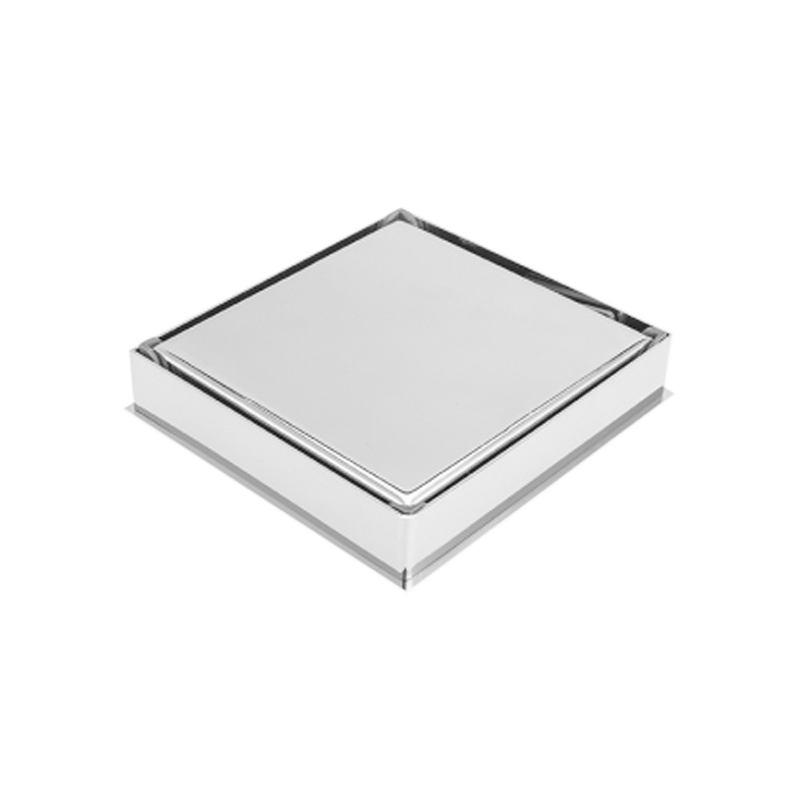
The inherent properties of stainless steel and the surface finish significantly impact slip resistance.
Selecting the right combination of material and finish is essential for long-term safety and functionality.
The physical design of the drain, particularly the grate or cover, plays a major role in reducing slips.
These features help ensure that users maintain footing even in wet conditions.
Evaluating the slip resistance of Stainless Steel Tile Drains involves standardized testing methods.
Accurate testing ensures compliance with safety standards and helps engineers select suitable products for different environments.
A well-maintained Stainless Steel Tile Drain continues to provide safety and reliability over years of use.
Slip resistance is a key attribute for Stainless Steel Tile Drains, directly affecting user safety and regulatory compliance. Evaluating anti-slip performance involves considering material properties, surface finishes, grate design, and environmental factors. Standardized testing and proper maintenance ensure that drains maintain their traction over time. By combining thoughtful design, high-quality materials, and ongoing care, Stainless Steel Tile Drains provide safe, durable, and reliable performance in wet and high-traffic areas.


 Add: No 3 District Xiaowufen Industrial Zone, Pengjie Town, Luqiao District, Taizhou City, Zhejiang Province, China.
 Tel: +86-576-89203599
 Fax: +86-576-89203598
 Email: [email protected],[email protected],[email protected]
Copyright © Taizhou Shenzhou Sanitary Ware Co., Ltd. All Rights Reserved.


 عربى
عربى 0
0
