Why odor control matters: Rain gutters are designed to guide rainwater away from buildings, but poor odor control can negatively affect residential comfort and hygiene. Unpleasant smells often indicate stagnant water, debris buildup, or microbial growth.
Growing focus on material choice: Stainless steel systems are increasingly preferred for modern buildings due to durability and cleanliness. A professional Stainless Steel Rain Gutter Factory often emphasizes not only strength and appearance, but also odor-prevention performance.
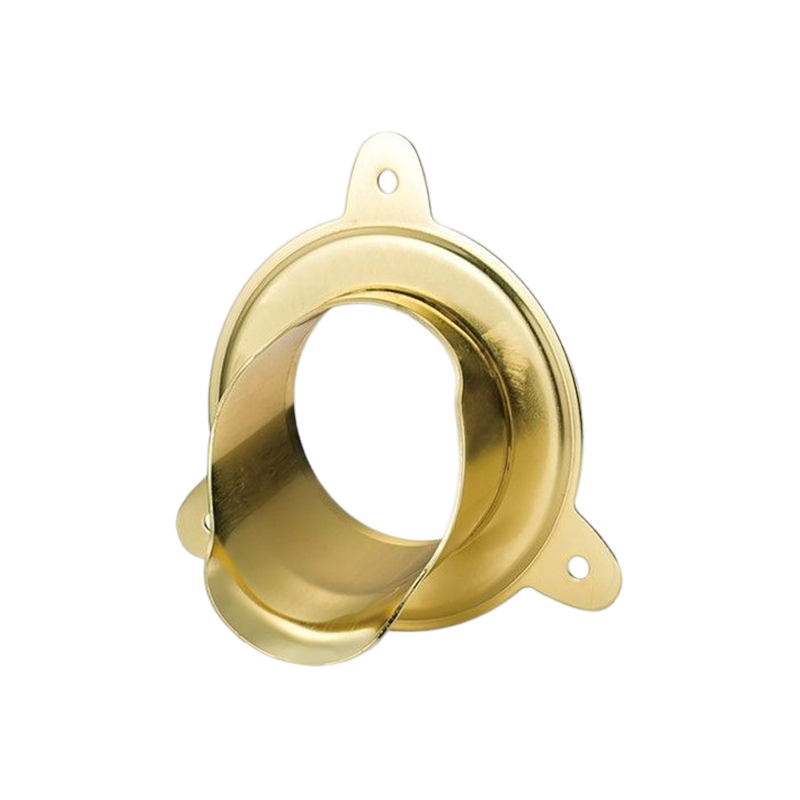
Leaves, dust, bird droppings, and insects can collect inside gutters.
Decomposing organic matter produces unpleasant smells over time.
Improper slope or blocked outlets can trap water.
Stagnant water encourages bacterial and algae growth, causing odors.
Mold and bacteria thrive in moist, poorly ventilated environments.
Plastic or porous materials may worsen microbial buildup.
1. Non-porous surface:
Stainless steel does not absorb moisture or odors.
Smooth surfaces reduce the adhesion of dirt and organic residue.
2. Corrosion resistance:
Rust-free performance prevents surface degradation that can trap debris.
Long-term structural integrity supports consistent water flow.
3. Hygienic properties:
Stainless steel is widely used in hygienic environments due to its resistance to bacterial growth.
These properties contribute to better odor control in outdoor drainage systems.
Smooth internal geometry:
Proper slope engineering:
Seam and joint quality:
Open-flow advantages:
Stainless steel systems are often paired with open or semi-open designs.
Improved airflow discourages anaerobic bacterial growth responsible for foul smells.
Downspout compatibility:
Properly sized downspouts ensure rapid discharge of rainwater.
Reduced retention time lowers the chance of odor formation.
Adaptability to heavy rain:
Efficient flow during storms prevents overflow and debris compression.
Consistent performance supports odor-free operation year-round.
Ease of cleaning:
Reduced maintenance frequency:
Compatibility with cleaning agents:
1. Plastic gutters:
May absorb odors over time.
Prone to warping, which creates pockets for water and debris.
2. Galvanized steel gutters:
Can corrode once protective layers wear off.
Rust buildup increases debris retention and odor risk.
3. Aluminum gutters:
Lightweight but may dent easily.
Deformations can disrupt flow and encourage stagnation.
4. Stainless steel advantage:
Maintains shape, cleanliness, and smooth flow longer than alternatives.
Faster microbial growth increases odor risk.
Stainless steel resists these effects better than porous materials.
Freeze-thaw cycles can damage weaker materials.
Stainless steel maintains structural integrity, preventing drainage issues that cause odors.
Airborne pollutants can settle in gutters.
Stainless steel surfaces are easier to clean and less reactive.
Consistent water flow:
Structural longevity:
Value-added benefits:
Stainless steel rain gutters offer good odor-prevention performance due to their non-porous material properties, smooth design, and good drainage efficiency. Odors in rainwater systems are primarily caused by stagnant water and organic debris, both of which are effectively reduced by well-designed stainless steel gutters. When produced to high standards by a reliable Stainless Steel Rain Gutter Factory, these systems provide long-term resistance to odor, reduced maintenance requirements, and improved environmental hygiene. For residential, commercial, and industrial buildings alike, stainless steel rain gutters represent a dependable solution for maintaining clean, odor-free rainwater drainage systems.


 Add: No 3 District Xiaowufen Industrial Zone, Pengjie Town, Luqiao District, Taizhou City, Zhejiang Province, China.
 Tel: +86-576-89203599
 Fax: +86-576-89203598
 Email: [email protected],[email protected],[email protected]
Copyright © Taizhou Shenzhou Sanitary Ware Co., Ltd. All Rights Reserved.


 عربى
عربى 0
0
