Walk into a newly finished bathroom or a quiet shower space, and the floor often feels uninterrupted. Water still needs to go somewhere, but the path it takes is less obvious than before. Instead of drawing attention, drainage is now expected to stay in the background, doing its job without breaking the overall look.
This change didn't happen all at once. As tile sizes became larger and layouts more continuous, visible floor drains began to feel out of place. People started looking for ways to keep the surface calm while still handling water safely. That is where a Stainless Steel Tile Drain comes in. It allows water to move away while keeping the floor visually steady.
In some manufacturing and design discussions, including those connected with Taizhou Shenzhou Sanitary Ware Co., Ltd. , the focus has shifted toward making drainage less noticeable rather than more decorative. The idea is simple: keep the function, reduce the visual noise.
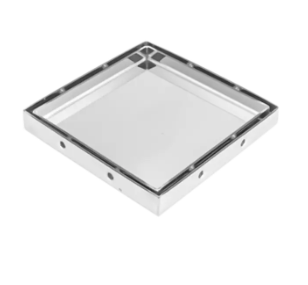
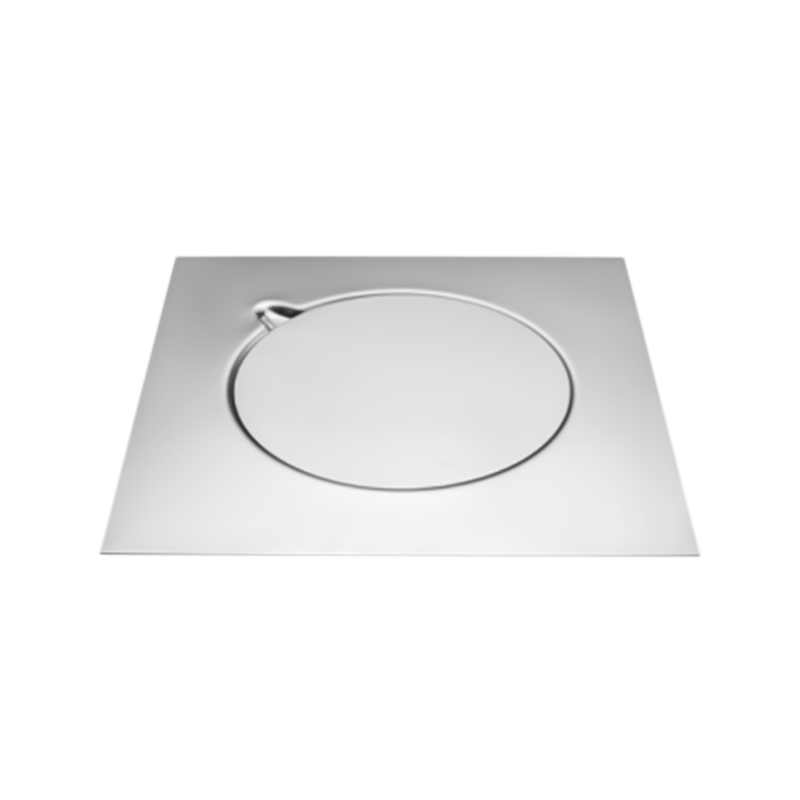
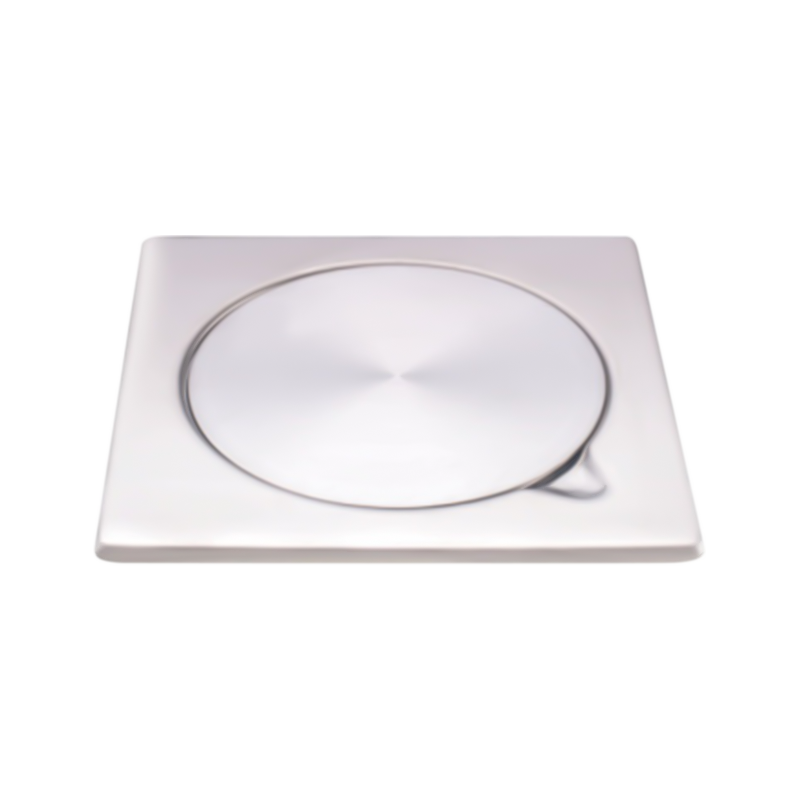
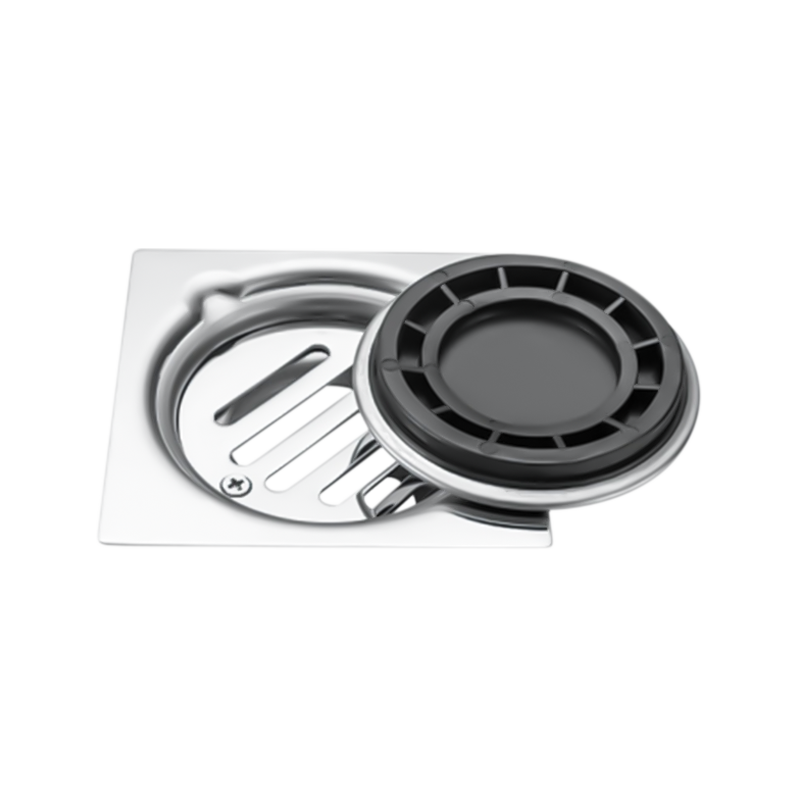
At its core, a Stainless Steel Tile Drain is a channel set into the floor that collects and redirects water. What makes it different from older designs is how it sits flush with the tile surface.
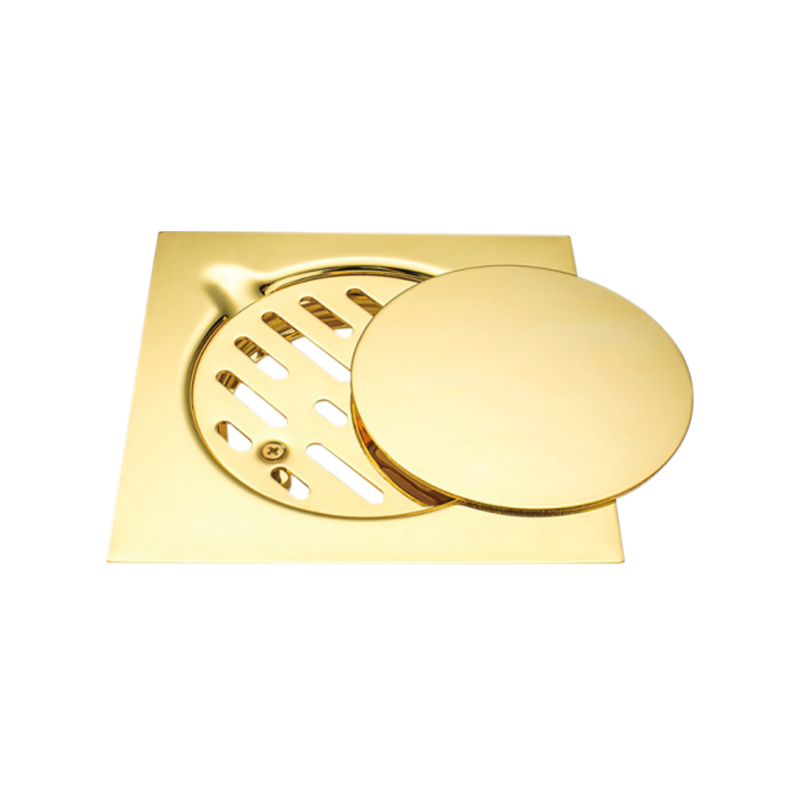
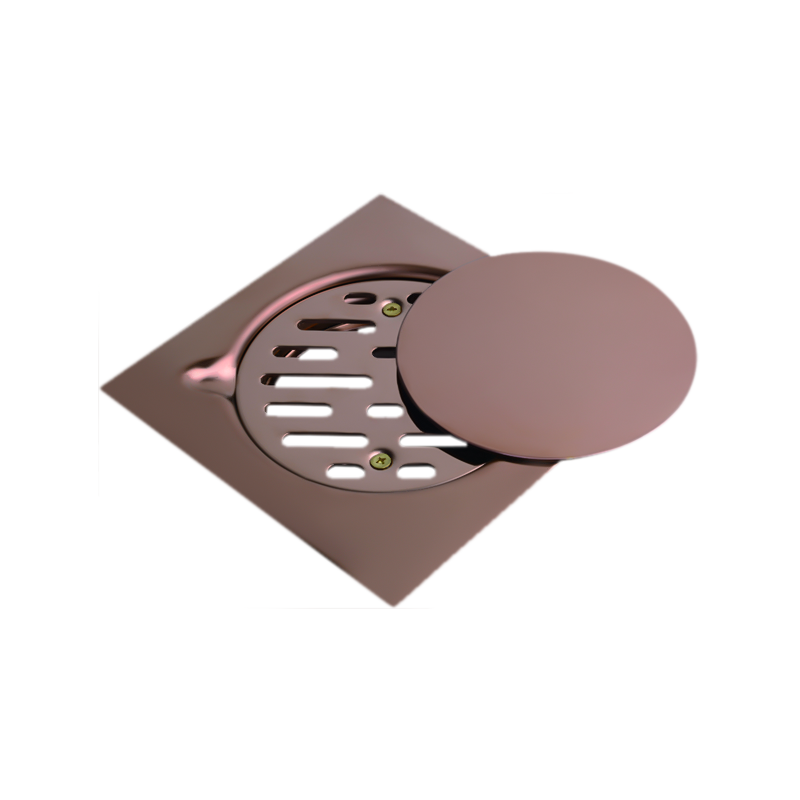
From above, it may appear as a slim opening or a section that holds a piece of the same tile used on the floor. Beneath that surface, there is a channel that guides water toward an outlet. The top section can usually be lifted for cleaning, which keeps things practical.
You will often find this type of drain in places where water is part of daily use:
Even though the structure is not complicated, the way it fits into the floor makes a noticeable difference.
Stainless steel has been used in wet environments for a long time, mainly because it handles moisture without much trouble. When used in a tile drain, it brings a few steady benefits.
The surface tends to stay consistent even with repeated contact with water. It does not easily hold onto residue, which makes routine cleaning less demanding. Under regular foot traffic, it keeps its shape and does not feel fragile.
Some everyday advantages include:
None of these features stand out on their own, but together they support long-term use without drawing attention.
Not all Stainless Steel Tile Drain designs look the same. The differences usually come from how the drain fits into the floor rather than how it works underneath.
Some are long and narrow, running along a wall or across a shower area. Others are more compact and sit in a single spot. Then there are designs where the top holds a tile piece, making the drain blend into the floor almost completely.
You might come across:
Each option changes how the floor looks, even though the purpose remains the same. The choice often depends on the layout of the space and how visible the drain should be.
Getting a Stainless Steel Tile Drain to work properly depends a lot on how it is installed. It is not just about placing it in the floor; it needs to connect with everything around it.
The base beneath the drain has to be stable. Waterproof layers need to meet the edges correctly so water does not slip through where it shouldn't. The floor itself is shaped with a slight slope so water naturally moves toward the drain.
Tile placement also plays a role. Cuts need to be clean, and edges should line up in a way that feels intentional rather than forced.
A few practical points often come up during installation:
When these steps are handled carefully, the drain becomes part of the floor rather than something added onto it.
One of the reasons people choose a Stainless Steel Tile Drain is how quietly it sits within the floor. In some cases, you might not notice it right away.
This effect often comes from using a tile insert. A piece of the same tile is placed into the drain cover, so the surface continues almost without interruption. Only a slim gap remains, just enough for water to pass through.
A few details influence how well this works:
In larger tile layouts, the drain can become part of the pattern instead of standing apart from it. In smaller or more detailed designs, careful alignment keeps everything feeling connected.
Planning for this type of drain usually starts early. Waiting until the floor is already designed can make things more complicated.
The position of the drain affects how the floor slopes. Tile size affects how easily the drain can be integrated. Even small adjustments at the planning stage can change how the final result looks and works.
Things that are often considered include:
When these choices are made early, the installation feels more natural, and the result looks more consistent.
| Application Area | Key Considerations | Visual Approach |
|---|---|---|
| Residential bathrooms | Frequent water exposure | Subtle integration with floor tiles |
| Walk-in showers | Continuous wet surface | Minimal interruption |
| Balconies | Outdoor moisture and debris | Durable and discreet appearance |
| Commercial interiors | Regular foot traffic | Balanced between visibility and flow |
| Utility spaces | Practical drainage needs | Simple and functional layout |
Once a Stainless Steel Tile Drain is in place, it usually fades into the background of daily life. Water passes over it, disappears through a narrow opening. Still, like any part of a wet area, it benefits from light attention now and then.
The cover is typically easy to lift, which makes basic cleaning more direct. What collects underneath is often just fine residue carried by water. A quick rinse is often enough to keep things moving smoothly.
In regular use, a few small habits help keep performance steady:
Nothing about the process is complicated. It is more about consistency than effort.
Materials used in drainage systems tend to be judged not only by how they perform on day one, but how they behave after long exposure to moisture and cleaning. Stainless steel is often chosen because it stays stable without needing special treatment.
In practical terms, that means fewer replacements and less disruption once installed. The structure holds its shape, and the surface does not easily lose its clean appearance under normal conditions.
Another point that often gets overlooked is how the material is handled later. Instead of becoming difficult waste, it can often be processed again, which fits into broader thinking about reducing unnecessary material loss.
From a usage perspective, the combination of steady performance and simple upkeep keeps the system functional without drawing attention to itself.
Even when the product itself is straightforward, the outcome depends heavily on how it is fitted into the floor. Small misalignments can change both how it looks and how it works.
One situation that comes up is when the drain sits slightly uneven with the tiles. Even a small difference in height can make the edge more noticeable or affect how water moves toward it. This usually comes from base preparation rather than the drain itself.
Another common issue is tile cutting near the drain edge. If cuts are rushed or not planned, the surrounding lines can look uneven. That breaks the calm surface effect that many designs aim for.
Water movement is also something that can vary depending on floor shaping. If the slope is too weak, water may linger on the surface. If it is too strong, walking comfort can feel affected.
These points are often addressed through simple adjustments:
Floor surfaces today tend to move toward a quieter appearance. Instead of separating functional parts from decorative ones, there is more interest in making them work together. Drainage is part of this shift.
A Stainless Steel Tile Drain fits into that direction because it does not interrupt the floor visually when handled carefully. In many layouts, it becomes part of the pattern rather than something placed on top of it.
Designers often try to reduce the number of visible breaks across a surface. Large tiles, continuous textures, and hidden transitions all support that idea. Drainage systems now follow the same thinking, staying low and blending into surrounding materials.
There is also more attention given to flexibility. Spaces are no longer fixed to a single use in many cases, so drainage needs to work quietly in the background without limiting layout choices.
What stands out is not the drain itself, but how little it interrupts the space around it.
A Stainless Steel Tile Drain is easy to overlook when it is doing its job well. It sits in line with the floor, takes in water without noise or attention, and stays out of the way of movement across the surface.
When the surrounding tiles are aligned carefully and the installation is handled with care, the drain becomes part of the floor's rhythm. It does not change how the space is used, but supports it quietly underneath.
In many modern interiors, that kind of subtle presence is often what keeps a surface feeling calm and uninterrupted.

 Add: No 3 District Xiaowufen Industrial Zone, Pengjie Town, Luqiao District, Taizhou City, Zhejiang Province, China.
 Tel: +86-576-89203599
 Fax: +86-576-89203598
 Email: [email protected],[email protected],[email protected]
Copyright © Taizhou Shenzhou Sanitary Ware Co., Ltd. All Rights Reserved.


 عربى
عربى 0
0
