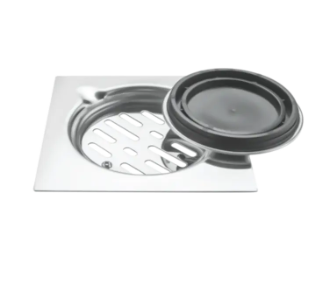
Water sitting on the floor tends to make surfaces slippery and can leave areas feeling damp for hours. A floor drain takes care of that by giving the water a clear path down into the plumbing pipes instead of letting it spread across the room. In many houses, you will find these drains in spots where people use water all the time — think showers running in the bathroom or washing machines spinning in the laundry room.
A Stainless Steel Floor Drain does the same job but stands up to constant wetness and regular cleaning without changing much. Once it is in place, the floor dries faster after everyday activities. Water from a shower, a spilled glass, or a quick mop job heads straight for the opening rather than pooling in the middle of the walkway. People often forget the drain is even there until something goes wrong, but it quietly keeps doing its part day after day.
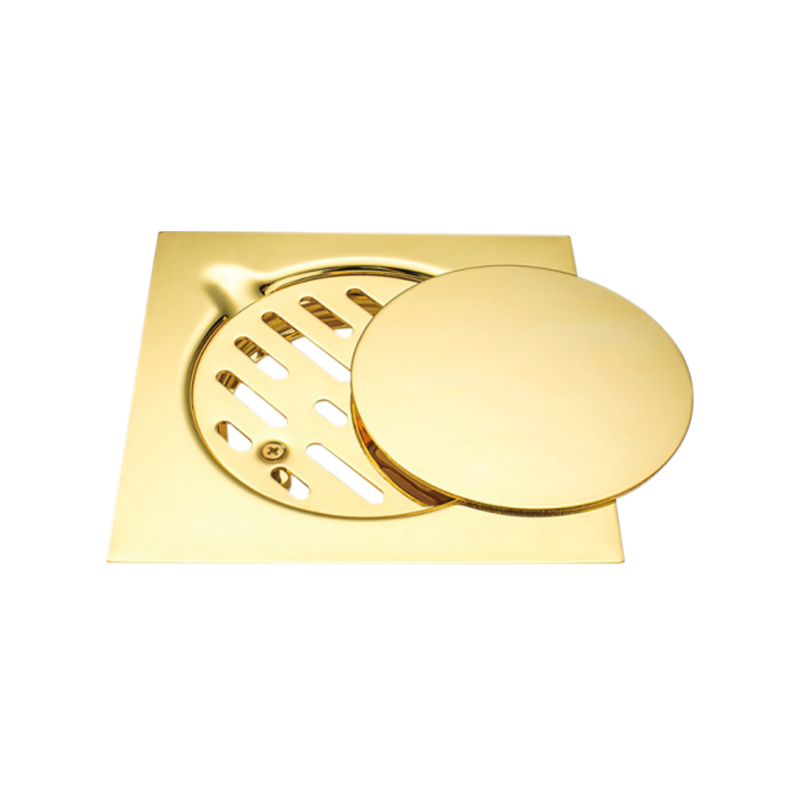
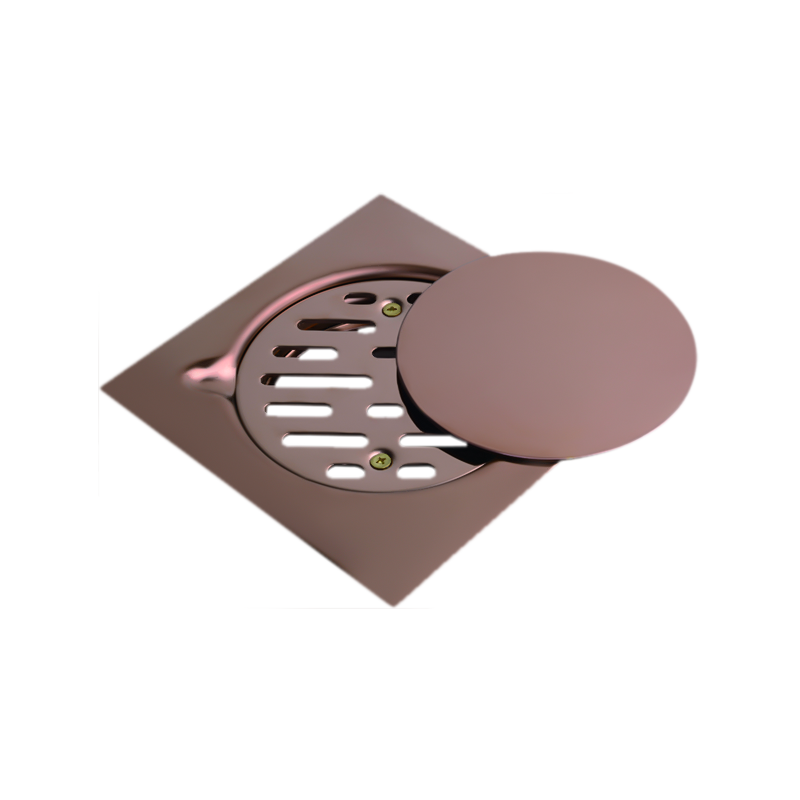
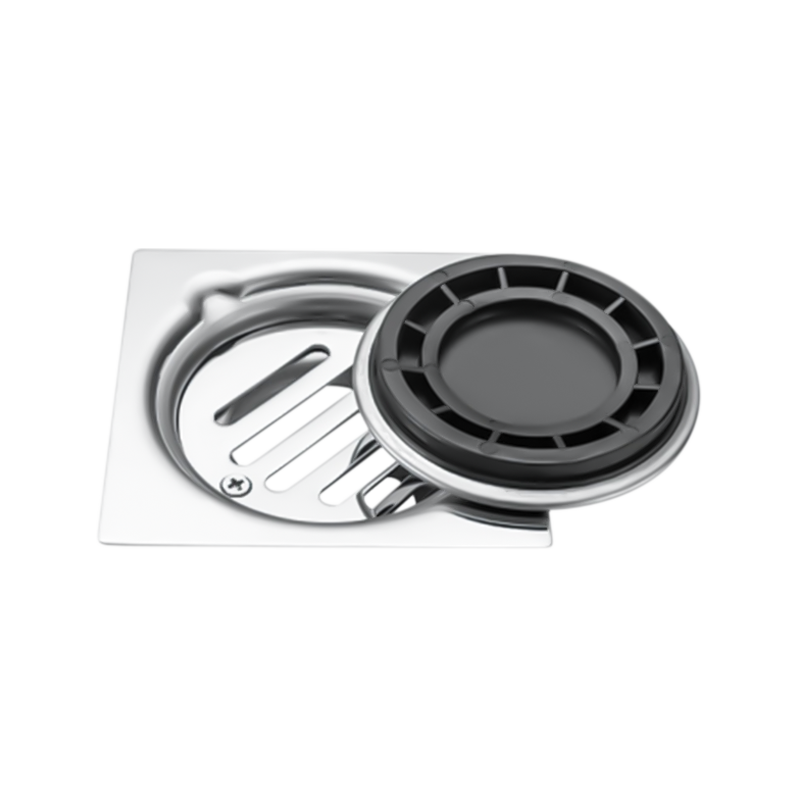
Take a look inside a Stainless Steel Floor Drain and you will see several simple parts working together. On top sits the grate — the part you actually step on or see. It covers the hole and lets water through while stopping bigger pieces like soap bars or small toys from falling in. The openings in the grate can be long slots or lots of little holes, depending on how much water and dirt the spot usually gets.
Underneath the grate is the drain body, kind of like a shallow bowl that catches the water and sends it downward. Many units have a strainer or basket right inside this body. That basket grabs hair, soap bits, and tiny bits of dirt so they do not travel farther down the line. At the bottom or on the side, there is an outlet that hooks up to the regular pipes in the house. A lot of designs also include a curved trap that holds a little water inside.
All these pieces fit into one compact piece that sits flush with the floor. The stainless steel gives every surface a smooth feel that does not rough up easily even when water and soap pass through it day after day. Each section has its own clear task: the grate keeps things out, the body moves the water, the strainer filters, and the trap holds that important water barrier.
The way water travels through a Stainless Steel Floor Drain is actually pretty straightforward. The floor around it is built with a slight tilt so any liquid naturally runs toward the grate instead of sitting flat. As soon as water hits the openings, it drops through into the body below.
Next it passes the strainer, which slows down and catches whatever debris came along. Then the water reaches the trap. The trap keeps a small amount of water sitting there even after the flow stops. That little pool acts like a seal, stopping sewer smells from coming back up while still letting new water push through when more arrives. After the trap, the water simply joins the main pipes and heads out of the building.
In normal everyday moments this all happens without anyone thinking about it. A fast shower sends water down steadily and it disappears without delay. When someone mops the floor, the soapy mix follows the same path. Because the inside surfaces stay smooth, small residues tend to keep moving instead of sticking in one place and building up quickly.
You will see a Stainless Steel Floor Drain in quite a few places around the house where water tends to gather. Inside bathrooms, it usually sits right in the shower area or close to the bathtub to catch water from daily washing. Some kitchens have one built into the floor so cleaning water or accidental spills can drain away easily during meal prep or after cooking.
Laundry rooms often include a drain near the washing machine in case a hose loosens or something overflows. Basements and utility rooms use them to handle moisture from equipment or light seepage that comes in from outside. Even covered patios or entryways sometimes have one to deal with rain that blows in under the door. No matter the room, the idea stays the same — keep the walking surface dry and cut down on damp spots. The exact placement usually depends on where people walk and where water normally ends up.
Getting ready to put in a Stainless Steel Floor Drain makes a big difference in how well it works later. Start by measuring the space carefully so the drain size lines up with both the floor opening and the pipe below. Take a look at the existing plumbing to make sure the connection will fit without awkward bends or extra pieces.
Clear away any dust or old material from the area and make sure the base underneath can hold the drain steady. Collect the tools you will need — a good level, a set of wrenches, pipe sealant, and something to protect the surrounding floor while you work. If the floor slope needs a small adjustment, handle that before setting the drain body in place. Spending a little extra time on these steps helps prevent leaks or uneven spots once the floor is finished.
Putting in a Stainless Steel Floor Drain usually goes in a clear order, starting from the pipe and working upward. Set the drain body directly over the outlet pipe and connect it firmly with the right fittings, using sealant to make the joint tight. Raise or lower the unit until the top sits exactly at the height needed for the final floor surface.
Add waterproofing around the edges if the particular model calls for it. Then lay down the surrounding floor material while keeping that gentle slope pointing toward the grate. After the floor sets hard, drop the grate into place and run a little water through to watch how it flows and check for any drips around the connections.
Keep the level handy and check often so everything stays even. Cover the grate with tape or cardboard during the work to avoid scratches. In the end, you want the drain to sit flush so water can enter cleanly without collecting around the sides.
During ordinary days, a Stainless Steel Floor Drain does its job without anyone paying much attention. In the morning when the shower runs, water hits the floor and heads straight for the grate.
Over in the laundry room, a loose hose or sudden overflow sends water spreading across the tiles until it reaches the drain. The unit moves the volume at a steady pace so the floor is usable again soon. When mopping the kitchen after dinner, soapy water carrying small food particles flows the same way, with the basket stopping larger bits before they go deeper.
The whole system stays quiet because the slope and smooth internal paths keep things moving. Even on busy mornings when several people shower back to back, the drain usually handles the continuous water without slowing down under normal household conditions.
Keeping a Stainless Steel Floor Drain clean does not take much time and makes a real difference in how well it works. Whenever possible, lift off the grate and rinse it under the tap to wash away hair or bits that have collected. Take out the strainer basket, dump whatever is inside, and give it a good wash on its own.
A simple mix of warm water and mild dish soap poured straight down the opening helps loosen light soap scum inside the body. Once a week, running hot water through the drain for a couple of minutes pushes small residues farther down the pipes. If the grate has narrow slots, a soft brush can reach in gently. Using mild methods like these keeps the surfaces in good shape without wearing them down over months of use.
Here are a few easy habits that fit into regular housework:
Give the edges of the grate a quick wipe with a soft cloth once everything is clean.
These small steps slide easily into weekly routines and help the passages stay open.
| Part | What It Does | Simple Care Tip |
|---|---|---|
| Grate | Covers the hole and lets water drop through | Rinse off loose debris regularly |
| Strainer Basket | Catches hair, soap, and small dirt | Empty and wash after noticeable buildup |
| Drain Body | Collects water and directs it downward | Flush with warm water to reduce residue |
| Trap | Holds a water seal to block sewer smells | Add water if the room has not been used |
| Outlet Connection | Joins the drain to the house plumbing pipes | Check tightness during deeper cleaning |
Sometimes the water in a Stainless Steel Floor Drain starts moving slower than usual. This often happens when hair gets tangled with soap residue or when fine dirt settles in the strainer over time. The flow feels hesitant, and you notice it takes longer for the floor to clear after a shower or mopping.
When that occurs, the thing to do is lift off the grate and take a look at the basket inside. Pull out any visible clumps of hair or debris and throw them away. Next, run hot water from the tap straight down the drain for a few minutes. The heat helps soften whatever is stuck without needing strong chemicals.
A simple home mixture works well for light blockages. Sprinkle some baking soda into the drain, then pour vinegar over it. You will hear mild bubbling as it loosens the buildup. Let it sit for a short while before flushing with more hot water. If the slowdown feels deeper, near the trap area, a flexible cleaning tool made for drains can reach in gently and pull things out.
Here are a few practical steps people often use when drainage slows down:
These actions usually solve minor issues before they turn into bigger problems.
Every now and then an unpleasant smell might come up from a Stainless Steel Floor Drain. This usually means the trap has lost its water seal. The trap is designed to hold a small pool of water that acts as a barrier against sewer gases. When a room sits unused for days or weeks, that water can slowly evaporate, especially in guest bathrooms or storage areas.
The fix is straightforward. Just pour a full bucket or two of plain water directly into the drain. It refills the trap and brings the seal back right away. In rooms that do not get used every day, making a habit of flushing the drain every week or so keeps the trap filled without much effort.
In busy areas like the main bathroom or laundry room, normal daily cleaning already sends enough water through to maintain the seal. Small consistent habits, such as rinsing the floor after mopping or running extra water during showers, help prevent odors from becoming an issue in place.
After months of regular use, it helps to take a closer look at the Stainless Steel Floor Drain now and then. These quick checks can catch small changes before they affect how well the drain works.
Start by making sure the grate sits firmly in place and has not bent from people stepping on it over time. Shine a light inside the body to see if any sediment has collected below the strainer. Then test the flow by pouring a pitcher of water and watching whether it disappears at a steady pace or hesitates.
If the strainer basket looks worn or damaged, it is worth replacing it with a new one. For drains that have removable parts, lifting the grate gives easier access for a deeper clean. Doing these simple inspections every few months keeps the drain working quietly and supports the rest of the plumbing in the house.
Here are some easy things to check during longer-term care:
These small observations go a long way toward avoiding surprises later.
A Stainless Steel Floor Drain can work with many kinds of flooring, but each surface needs slightly different handling during setup. On tile floors, the tiles have to be cut carefully around the grate so the edge looks neat and clean. The drain body sits a bit lower, allowing the grate to finish flush with the tile surface.
With concrete floors, the drain is often set in place while the concrete is still being poured. Small adjustments to the height are made at the end so everything lines up evenly. No matter which floor type you have, keeping a gentle slope in the surrounding area is important. That slope guides water straight to the opening instead of letting it spread out.
The smooth edges of the stainless steel help reduce gaps where dirt might collect along the joint. When the drain matches the floor properly, water reaches the grate quickly and the surface stays drier overall.
Different rooms call for different grate styles on a Stainless Steel Floor Drain. In busy bathrooms where hair and soap are common, a grate with smaller openings can catch finer particles more effectively. In utility rooms or basements that handle larger water volumes, wider slots allow faster flow.
Removable grates make cleaning much easier because you can lift them out completely when needed. Some accessories prove useful depending on the situation. Leveling supports help keep the drain steady when the floor thickness varies from one area to another. Extension pieces come in handy if the finished floor ends up thicker than expected.
Picking the right grate and any extra parts that suit the room's usual water amount and foot traffic helps the drain run steadily without needing constant tweaks later.
Here are a few points to consider when choosing grate styles:
Smaller openings for areas with lots of hair and soap.
As time passes, a few common issues can show up with a Stainless Steel Floor Drain. Water that pools near the edges might mean the floor slope has shifted slightly or a seal at the joint has loosened. Minor leaks around the outlet connection sometimes happen after pipes move a little over the years.
In many cases, tightening the fittings you can reach or adding a fresh layer of sealant takes care of the problem. If the water still drains slowly even after cleaning the strainer, it may be worth looking farther down the pipe line. Pay attention to how the water disappears and listen for any new gurgling sounds when the drain is in use. These small clues often point to issues early, before they affect daily routines.
Taking care of little problems as soon as they appear helps the Stainless Steel Floor Drain keep doing its quiet job in the background.
A Stainless Steel Floor Drain supports daily life by managing water in wet areas with quiet reliability. From structure and flow to care and matching with floors, each aspect contributes to keeping spaces drier and more comfortable. In the plumbing systems of many buildings, units like these from Taizhou Shenzhou Sanitary Ware Co., Ltd. help handle routine water removal without drawing much attention.


 Add: No 3 District Xiaowufen Industrial Zone, Pengjie Town, Luqiao District, Taizhou City, Zhejiang Province, China.
 Tel: +86-576-89203599
 Fax: +86-576-89203598
 Email: [email protected],[email protected],[email protected]
Copyright © Taizhou Shenzhou Sanitary Ware Co., Ltd. All Rights Reserved.


 عربى
عربى 0
0
