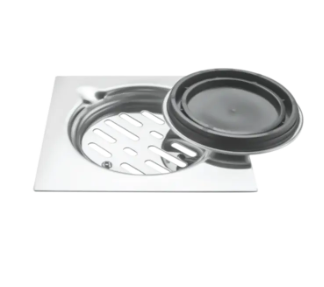
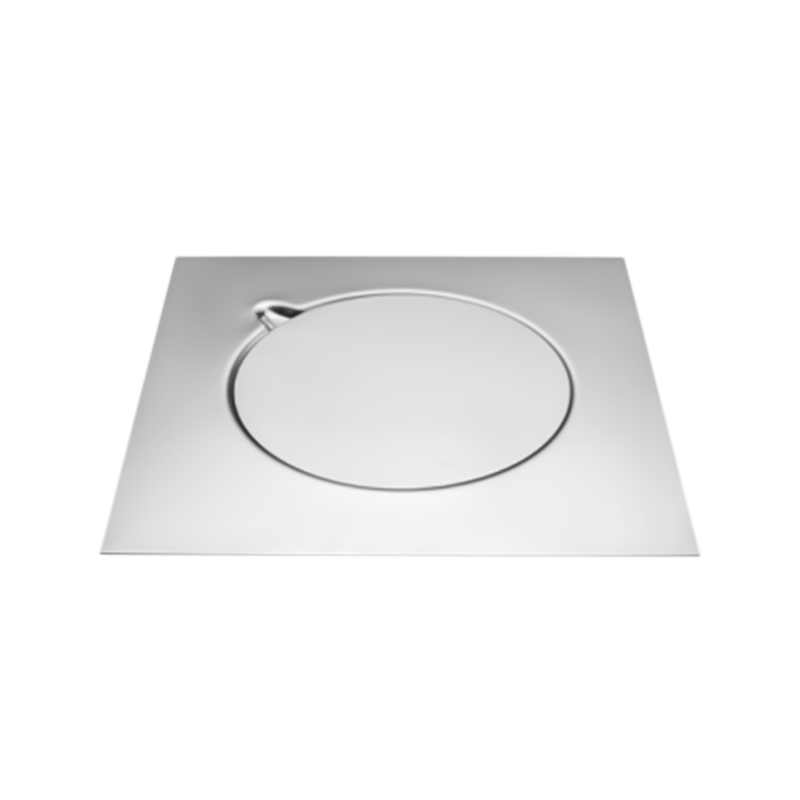
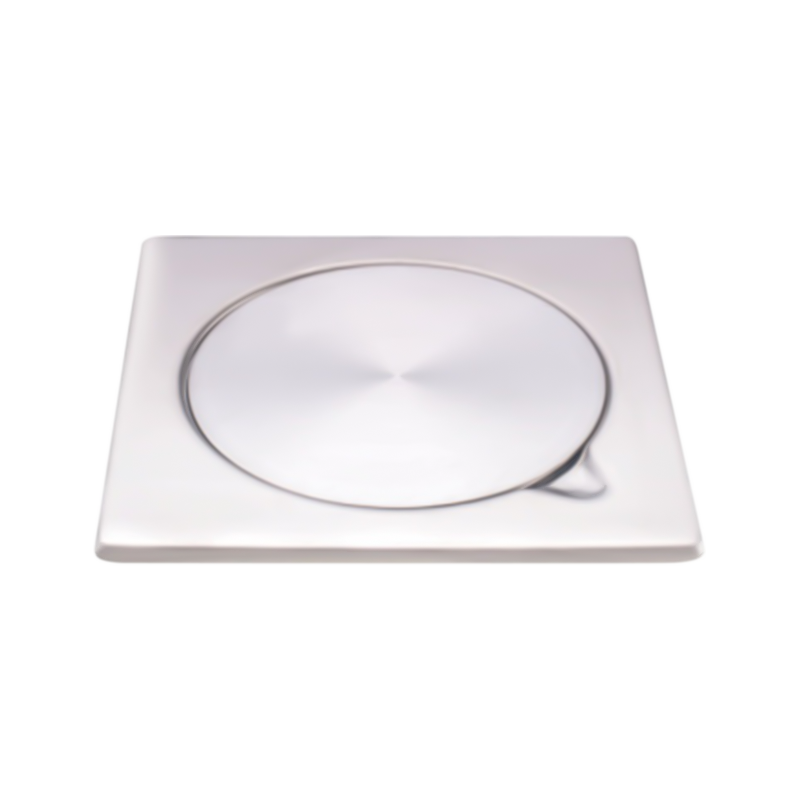
Water on the floor can get annoying fast. It makes everything slippery and leaves the place feeling damp longer than you want. In bathrooms, laundry rooms, or any spot that sees a lot of water, a floor drain quietly takes care of it by sending the water down into the pipes. A Stainless Steel Floor Drain is common in many homes because it handles being wet all the time and dealing with cleaning stuff without wearing out too quickly.
The way water moves through it is pretty basic. Gravity does the work, pulling the water along a path from the floor surface down to the plumbing lines. Once you see how it travels step by step, it becomes easier to understand why some floors dry quicker after a shower or mopping, and why a couple of simple habits can keep things running without problems.
Water starts wherever it lands. Around the drain area, the floor has a slight tilt that gently pushes the water toward the middle instead of letting it spread out in all directions. You barely notice this tilt when you walk on it, but it does the job.
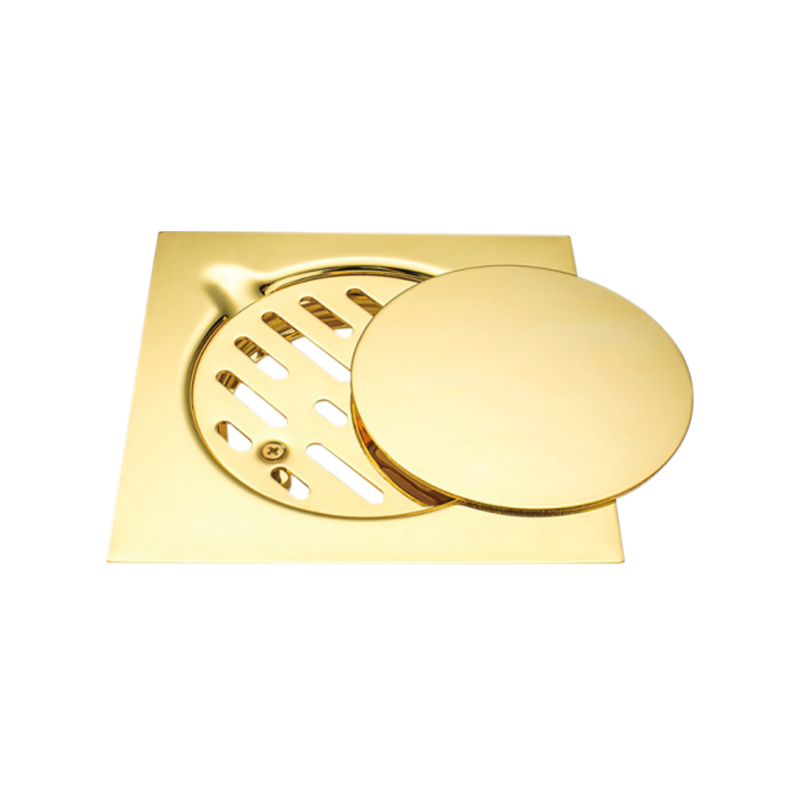
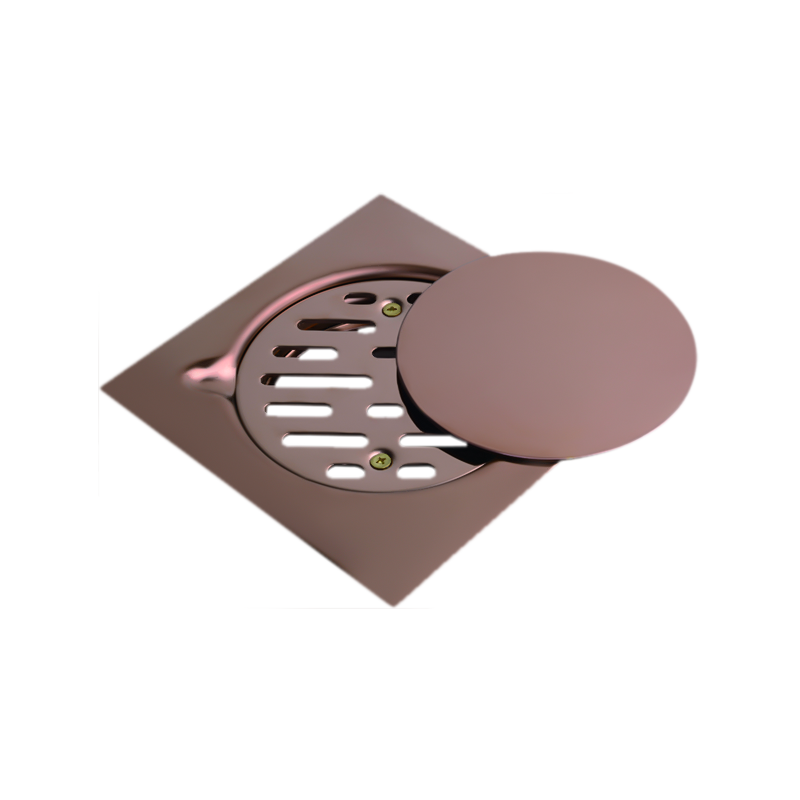
When the water reaches the grate on top of the Stainless Steel Floor Drain, it slips through the openings and drops inside. That's the moment it leaves the floor and enters the drain system. In everyday situations, this shift happens fast and without any fuss.
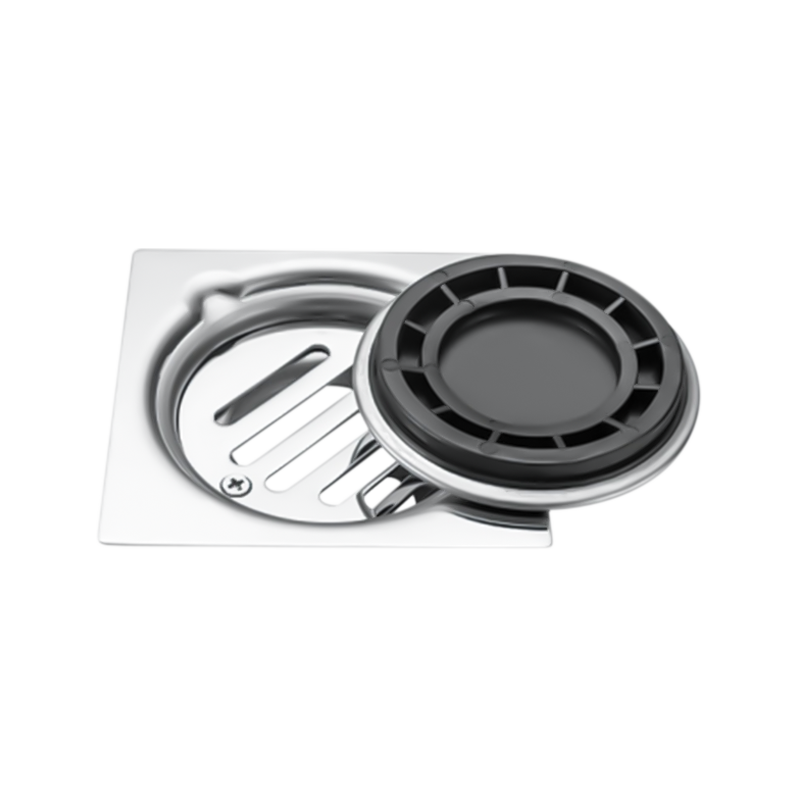
The grate is what you actually see and step on. It has slots or holes that let water pass while giving your feet something solid to stand on. Some patterns let water through quicker when a lot comes rushing in, others catch small bits earlier.
Water does not pile up on the grate. It flows straight through the openings and continues downward. The edges around the holes help guide it so less water splashes back onto the surrounding floor. During normal use, this part feels smooth and ordinary.
After passing the grate, the water goes into the drain body. This is basically a shallow space that gathers whatever just came in and starts pushing it toward the outlet. The inside walls of a Stainless Steel Floor Drain are smooth, so the water tends to keep sliding along instead of sticking.
With just a little water, it might run through in a thin stream. When more comes down — say after someone finishes showering — the body holds a small amount for a moment before sending it on. This short pause stops the water from backing up onto the floor while the lower parts handle the flow.
Inside the body there is usually a strainer or basket. As water moves through, this basket catches hair, soap scraps, and tiny bits of dirt that come along for the ride. It does not block everything. Water still flows around or through it while the debris stays trapped.
The water keeps going without much slowdown. But if the basket fills up, things can slow down until you empty it. Pulling the basket out and giving it a rinse every now and then really helps keep the path open.
Here's what often happens with the strainer in real life:
Next, the water reaches the trap — a curved section that always keeps a little water sitting inside, even after the main flow has gone. That small pool acts as a seal to stop sewer smells from coming back up into the room.
When fresh water comes down, it pushes into one side of the trap. This moves the old water out the other side toward the outlet. After the flow slows or stops, the trap settles again with its seal ready for the next time.
The trap works naturally with gravity and its shape, so the water moves through the curve without needing any extra help.
Main Parts Involved in Water Flow Through a Stainless Steel Floor Drain
| Part | How Water Moves Through It | Everyday Note |
|---|---|---|
| Grate | Water passes through the openings | The part you see on the floor |
| Drain Body | Collects water and directs it downward | Smooth surfaces help keep flow going |
| Strainer Basket | Catches debris while water continues | Needs regular emptying |
| Trap | Holds water seal and lets flow exit | Stops gases from rising |
| Outlet | Connects to house plumbing pipes | Final exit from the drain |
Once the water gets past the trap, it heads into the outlet and joins the regular pipes running through the house. The connection is simple — the pipe just carries everything away from the room. Gravity keeps pulling the water along, so if the pipes slope downward even a little, the flow continues without much effort.
You usually do not hear loud sounds or see anything special at this stage. The water just keeps moving until it leaves the building. This last part inside the Stainless Steel Floor Drain is what finishes the job — the floor clears up, and the water is gone from sight.
Picture a normal morning shower. Water sprays down, hits the floor, and follows the slight tilt toward the grate. It slips through the openings, goes through the body, passes the strainer, pushes through the trap, and then disappears into the pipes. The whole thing happens in seconds, so the shower area dries fairly quickly afterward.
When you mop the bathroom floor, the soapy water spreads out but soon finds its way to the Stainless Steel Floor Drain. The strainer catches bigger bits of dirt while the liquid keeps going. In the laundry room, water from a loose hose or sudden overflow does the same thing. Even small drips from the sink or spilled water while cleaning follow this same quiet route.
These everyday situations show how the drain deals with different amounts of water. Light use flows through easily, and heavier rushes get handled without flooding the floor. The drain just stays there doing its work without anyone thinking about it much.
A couple of things can make the water move better or slower through a Stainless Steel Floor Drain. The tilt of the floor around it matters a lot — when the slope is decent, water reaches the grate without sitting around. If the floor is too flat, it takes longer for everything to get there.
Smooth inside surfaces also help. When the walls stay clean, water slides along instead of slowing down on sticky spots. The size of the holes in the grate and strainer plays a role too. Wider openings handle bigger amounts of water more easily, while smaller ones stop more particles early on.
The shape of the trap affects how quietly the water moves through the seal. When the drain is put in properly and kept reasonably clean, gravity does the heavy lifting and the flow stays steady.
Every now and then the water does not disappear as fast as it should. This usually comes from hair and soap collecting in the strainer or a bit of dirt settling deeper in the trap. The flow does not stop completely, but it slows down or hesitates until you clear things out.
You might also notice a gurgling sound when air gets into the pipes or when the trap needs more water. In rooms that do not get used every day, pouring a bucket of plain water down the drain often fixes it right away. These small changes are pretty common and usually easy to sort out with basic cleaning.
Keeping the flow steady does not take a lot of work. Running hot water through the drain after busy days helps push small residues further down the pipes. Pulling out the strainer basket and rinsing it every so often stops buildup from getting worse.
In guest bathrooms or rooms used less often, flushing the drain with water now and then keeps the trap seal full and working. Making sure the grate sits level also helps water reach the openings without pooling around the sides.
Simple habits work better in the long run. Warm water and mild soap are usually enough — there is no need for strong chemicals. These little routines help the Stainless Steel Floor Drain keep doing its job quietly for a long time.
On tile floors, water approaches the drain along neat cut edges that guide it straight to the grate. On concrete, the drain sits in place so the slope forms naturally around it. Either way, the smooth stainless steel surfaces hold up well to repeated water exposure and support steady movement day after day.
Water flow through a Stainless Steel Floor Drain comes down to the same basic steps every time — from the floor slope, through the grate, body, strainer, trap, and into the pipes. Each part does its share to move the water away. A bit of regular care and attention helps keep the path clear so things stay smooth in daily life.
In the plumbing systems of many buildings, units like these from Taizhou Shenzhou Sanitary Ware Co., Ltd. help handle routine water removal without drawing much attention.

 Add: No 3 District Xiaowufen Industrial Zone, Pengjie Town, Luqiao District, Taizhou City, Zhejiang Province, China.
 Tel: +86-576-89203599
 Fax: +86-576-89203598
 Email: [email protected],[email protected],[email protected]
Copyright © Taizhou Shenzhou Sanitary Ware Co., Ltd. All Rights Reserved.


 عربى
عربى 0
0
