A shower floor looks simple when it is finished. Tiles go in, the drain sits somewhere in the middle or near a wall, and everything looks neat. But once water starts running, the floor stops behaving like a flat surface. It becomes a moving system. Water spreads out, slows down in some spots, and gathers in others before it finally disappears into the drain.
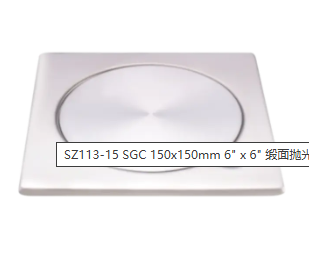
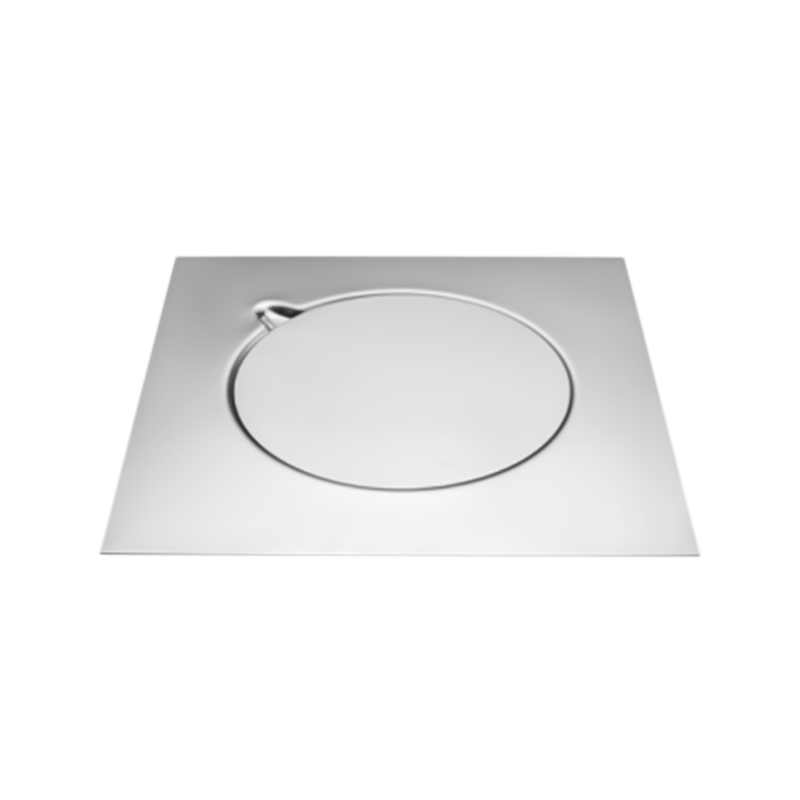
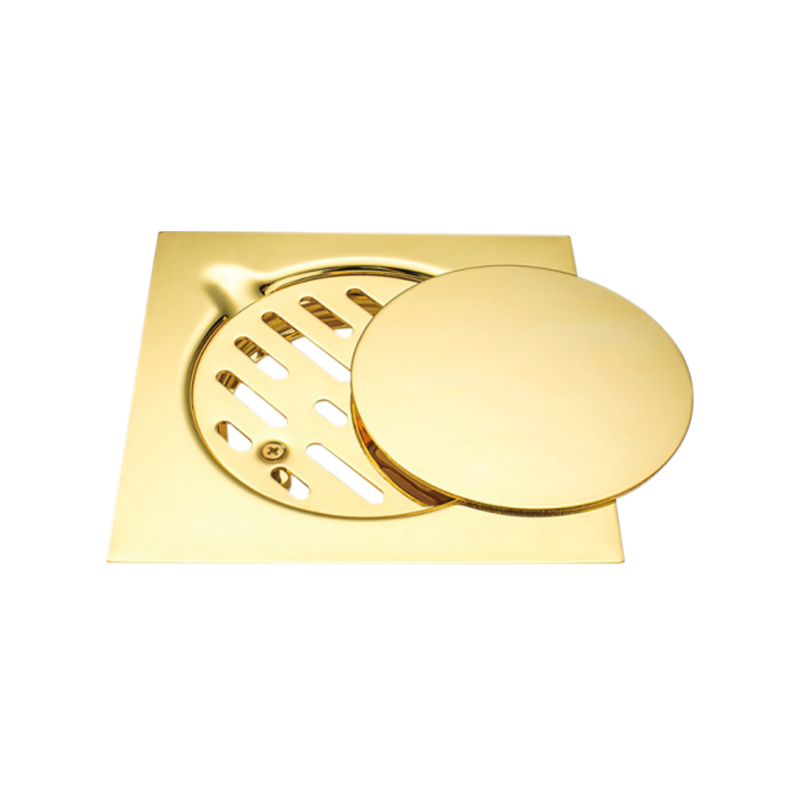
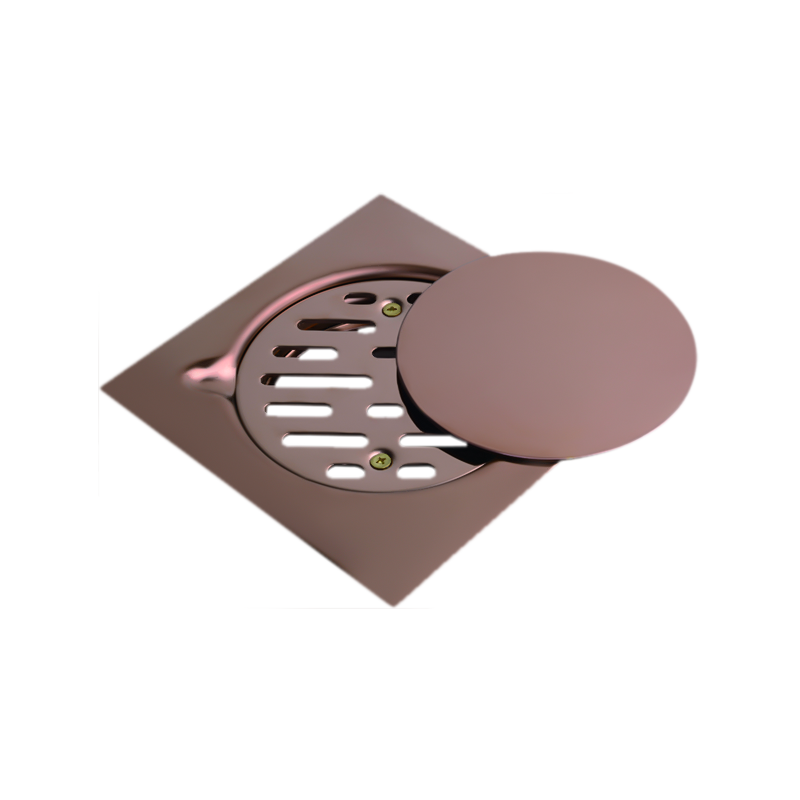
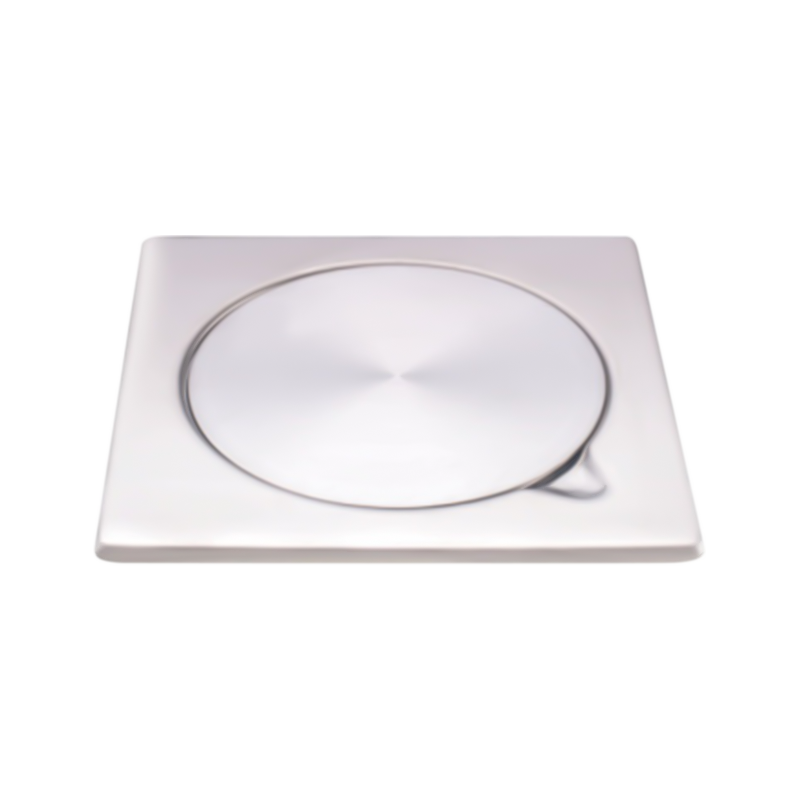
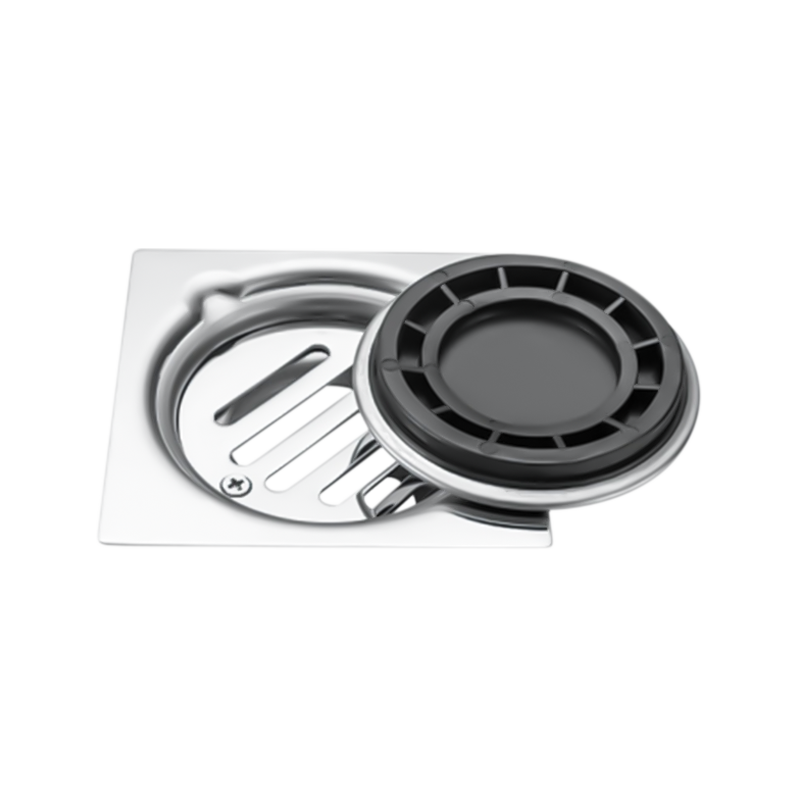
A Stainless Steel Tile Drain is often chosen because it sits close to the tile surface. You do not really "see" it in the same way as older exposed drains. It blends in, which makes the floor feel more continuous. In real bathroom work discussions, Taizhou Shenzhou Sanitary Ware Co., Ltd. is sometimes mentioned when installers talk about how different drainage setups behave after long use, especially in places where water use is frequent.
The size of the drain is where things usually start to matter more than expected. On paper, it feels like a small decision. In practice, it changes how water behaves every single day.
Most modern bathrooms are built around compact space. Everything is arranged tightly, and the floor is usually designed to look clean and uninterrupted. That leaves very little "extra" room for water to behave freely.
Water does not care about layout drawings. It spreads the moment it hits the floor. First it moves outward in a thin layer. If the slope is uneven or too gentle, water takes longer paths before reaching the drain.
This is where drainage planning becomes more practical than theoretical. A drain that looks fine on a drawing can behave differently once water starts moving.
In real use, people usually notice:
These are not design errors in a strict sense. They are more like mismatches between expected flow and real flow.
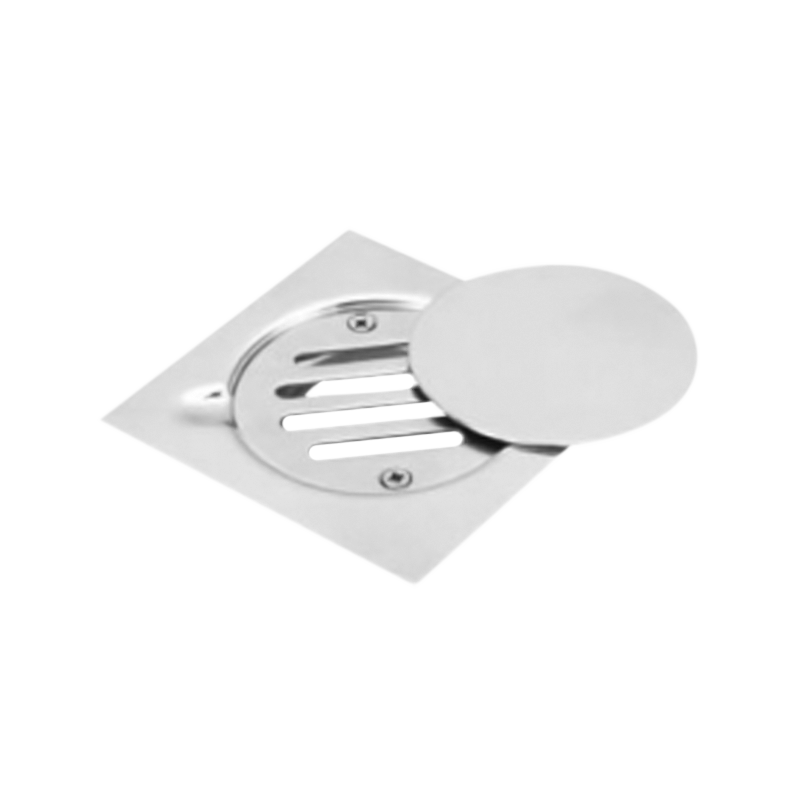
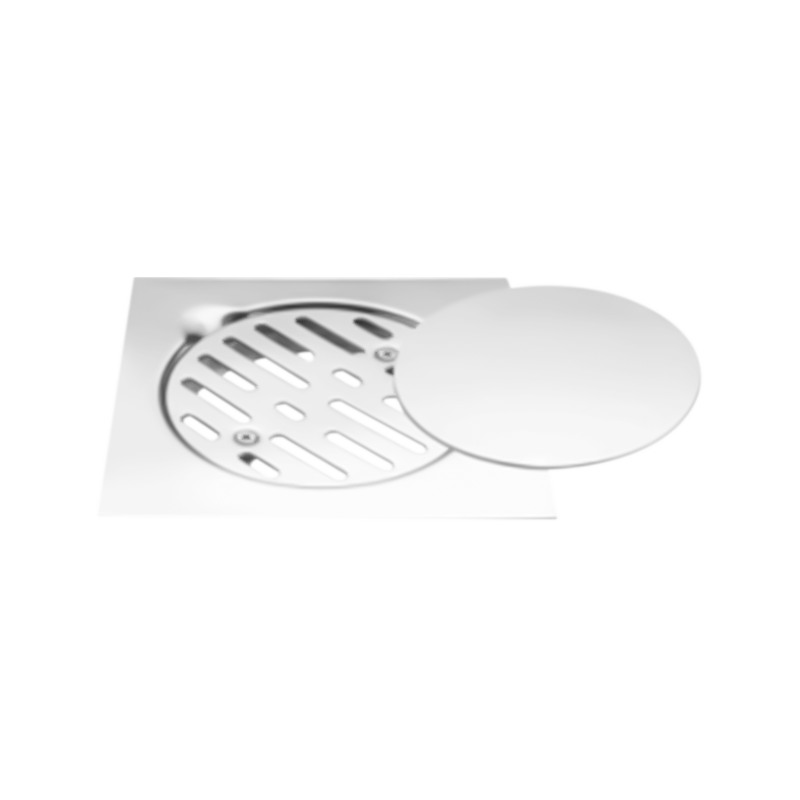
A Stainless Steel Tile Drain is not just a visible opening. It is a layered piece built into the floor.
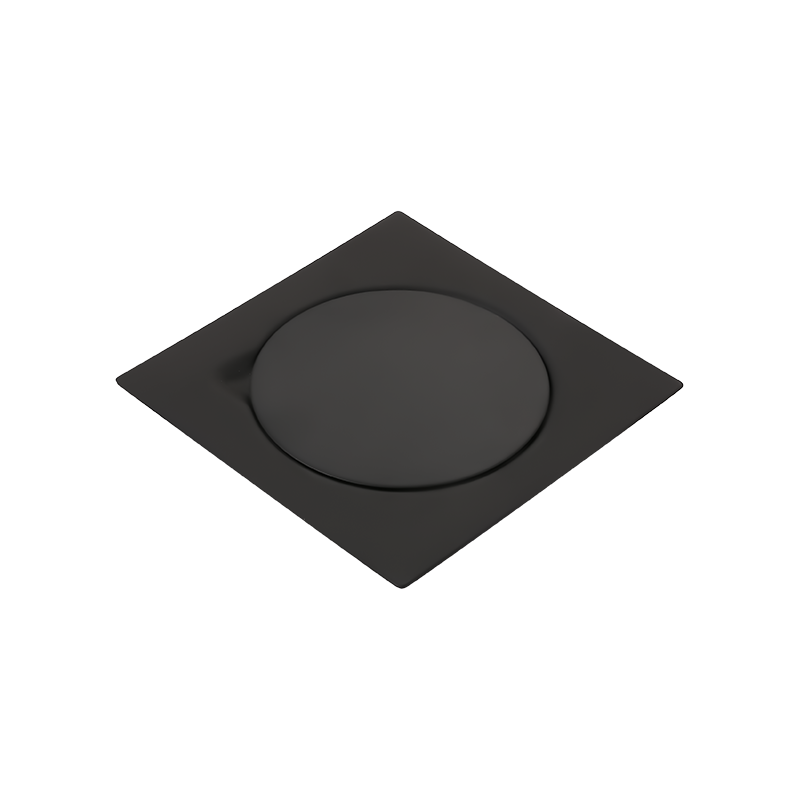
From the top, it looks like a flat metal line or square sitting flush with the tiles. That is intentional. It avoids breaking the floor pattern. But underneath, there is a deeper structure that does the actual work.
Inside, there is usually:
What matters here is that the visible part is only the entrance. The real flow happens underneath. If the inside space is too restricted, water slows down even if the top opening looks large enough.
Water in a shower never moves evenly. It behaves in stages. First it spreads fast, then it slows, then it starts choosing a direction based on slope.
At the beginning, the floor looks almost covered in a thin sheet of water. After a short time, that sheet starts breaking apart and forming movement paths. Some areas clear quickly. Others hold water longer.
Typical behavior looks like this:
If the drain size does not match this pattern, the floor never fully clears at the same speed. That is when people start noticing uneven drying or small standing areas.
There is no fixed formula for choosing drain size. Real spaces are too different for that. Instead, it comes down to how the shower behaves physically.
The main things that influence the decision are:
These factors do not work separately. They overlap in real life. A small shower with weak slope may need a different approach compared to a larger but well-sloped space.
A common mistake is only looking at the top opening of the drain. That part is visible, so it feels like the main factor. But inside, the channel controls the actual movement of water.
If the internal path is narrow or uneven, water slows down after entering. If it is more open and smooth, water moves away faster.
In real use, a few things often show up:
So size is not just about width on the surface. It is about how water travels after it disappears from view.
A shower floor is not a single layer. It is built in layers, and each layer matters. Tiles sit on top, but underneath there is structure, waterproofing, and support material.
The drain has to fit into this structure without disturbing alignment. If it sits too high, tiles feel uneven. If it sits too low, water may not flow smoothly into it.
Important installation points include:
Even when the correct size is chosen, poor alignment during installation can still affect how the system performs in daily use.
In real bathrooms, sizing problems often do not appear immediately. They show up after repeated use, when water behavior becomes familiar.
Common issues include:
These problems usually come from the difference between planned water movement and actual movement after installation.
Stainless steel is used often because it holds up well in wet conditions. It does not easily change shape, even with constant exposure to water.
But over time, surface condition can still shift slightly. That depends more on cleaning habits and water quality than anything else.
Typical long-term behavior:
So the material itself is steady, but the system still depends on how it is maintained.
Drain size affects more than just water flow. It also changes how easy it is to clean.
Smaller openings often make it harder to reach inside. Larger ones usually allow better access. That difference becomes more noticeable over time.
Things that matter in daily maintenance:
| Drain Size | Cleaning Access | Long-Term Behavior |
|---|---|---|
| Smaller opening | Limited reach inside | Needs frequent attention |
| Medium opening | Balanced access | Regular cleaning routine |
| Larger opening | Easier access | Less buildup in many cases |
Maintenance often becomes the real test of whether the size choice was practical.
Drain performance is not only about water removal. It also affects how the shower feels during use.
If water stays too long on the surface, it changes how safe and comfortable the floor feels. Even shallow water can make movement less steady.
Proper sizing helps:
These effects are subtle, but they become noticeable with regular use.
Different shower layouts behave differently, even when using the same type of drain.
Because of these differences, size choice usually comes from observing how water behaves in that specific space rather than following a fixed rule.
Drain systems are slowly moving toward simpler integration with floor design. Instead of standing out, they are being built to blend into tile surfaces more naturally.
Current direction focuses on:
In the end, sizing a Stainless Steel Tile Drain is less about a number and more about how a real shower floor behaves once water starts moving across it every day.

 Add: No 3 District Xiaowufen Industrial Zone, Pengjie Town, Luqiao District, Taizhou City, Zhejiang Province, China.
 Tel: +86-576-89203599
 Fax: +86-576-89203598
 Email: [email protected],[email protected],[email protected]
Copyright © Taizhou Shenzhou Sanitary Ware Co., Ltd. All Rights Reserved.


 عربى
عربى 0
0
