Importance of Linear Drain Dimensions
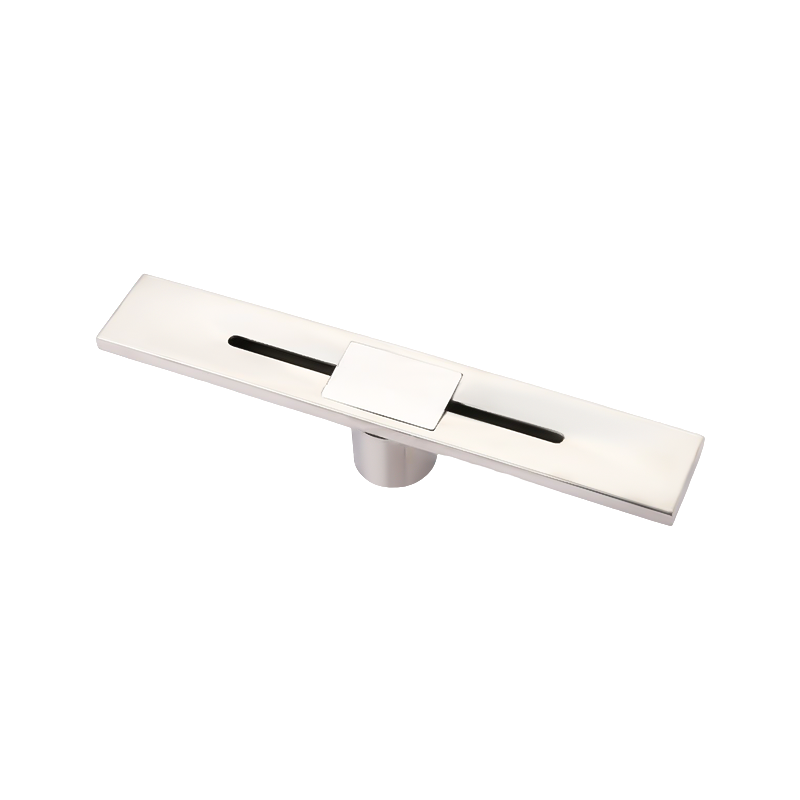
The performance of a stainless steel linear drain largely depends on its physical dimensions. Length and width directly affect water flow capacity, drainage efficiency, and installation flexibility. A Stainless Steel Linear Drain Factory must carefully consider these parameters when designing products for residential, commercial, or industrial applications. Properly optimized dimensions ensure that water is efficiently channeled away, preventing pooling, flooding, and long-term damage to surrounding surfaces.
Effect of Drain Length on Efficiency
- Longer Drains Cover Greater Surface Area: Longer linear drains can capture water over a wider section of floor, making them particularly suitable for showers, wet rooms, or outdoor patios where water may accumulate along a length rather than a single point.
- Reduction of Water Pooling: A longer drain allows water to enter more uniformly, reducing the chance of standing water. This is especially important in areas with sloped floors that may not be well even.
- Influence on Flow Distribution: The internal channel must be designed to accommodate the increased length to prevent backflow or uneven water speed. A well-designed channel ensures that water flows consistently along the entire drain.
- Installation Flexibility: Longer drains may need additional support or reinforced frames to prevent sagging during installation. The factory must account for these structural considerations to maintain both efficiency and durability.
Impact of Drain Width on Water Flow
- Wider Openings Allow Faster Drainage: The width of a linear drain’s inlet affects how much water can enter at once. Wider drains are beneficial in high-traffic areas or regions with heavy water flow, such as commercial showers or pool decks.
- Balancing Debris Control: While wider openings improve water flow, they may also allow larger debris to enter the drainage system. Designers must balance water flow capacity with the need for debris management, often by incorporating removable strainers or slot patterns.
- Hydraulic Performance: The width interacts with channel depth to determine overall hydraulic efficiency. Adequate width ensures that water velocity remains high enough to prevent sediment buildup while avoiding excessive turbulence that can damage tiles or surrounding flooring.
Combined Considerations: Length and Width Together
- Suitable Water Capture: The combination of sufficient length and width ensures that the drain captures both surface runoff and concentrated water streams efficiently. For example, a long and moderately wide drain may outperform a short but very wide drain in terms of even water distribution.
- Impact on Floor Slope Requirements: Longer and wider drains can sometimes reduce the required floor slope, as water has more entry points into the drain, but designers must still maintain proper slope to encourage gravity-assisted flow.
- Structural and Aesthetic Integration: Large drains may require additional structural support or design modifications to integrate seamlessly with flooring patterns. A Stainless Steel Linear Drain Factory must consider both practical performance and visual harmony.
Testing and Validation
Simulated High-Flow Scenarios: Drains are typically tested under high water volume conditions to ensure length and width provide adequate capacity.
Flow Rate Measurement: The water velocity and drainage time are measured to optimize dimensions for efficiency.
Debris Management Assessment: Testing ensures that wider or longer drains can handle small debris without clogging, maintaining long-term performance.
The length and width of a stainless steel linear drain significantly influence drainage efficiency, water flow speed, and overall functionality. Longer drains capture water over larger areas, while wider drains facilitate faster water entry and higher flow capacity. The suitable combination of length and width, alongside proper channel design and structural support, ensures effective drainage, prevents water pooling, and maintains durability. By carefully considering these factors, a Stainless Steel Linear Drain Factory can produce high-performance products suitable for diverse residential, commercial, and industrial applications. Proper testing and validation further guarantee that the drains meet both hydraulic and aesthetic requirements, ensuring user satisfaction and long-term reliability.

 Add: No 3 District Xiaowufen Industrial Zone, Pengjie Town, Luqiao District, Taizhou City, Zhejiang Province, China.
 Tel: +86-576-89203599
 Fax: +86-576-89203598
 Email: [email protected],[email protected],[email protected]

 عربى
عربى 0
0
