You know that feeling when you step out onto your deck or balcony right after a shower and your shoes pick up water right away? It turns what should be a nice spot into something you avoid until it dries out on its own. Those open platforms attached to homes or apartments sit right in the weather, so without a decent way to shift the liquid off the surface it collects in low spots and starts causing problems that build up over time. A simple catcher placed flush in the platform changes that by guiding the flow straight down into the lines below instead of letting it sit around and soak in. This piece walks through how these setups work in real homes, the everyday features that solve common headaches, and the choices people actually face when they add or update one.
Plenty of folks notice that handling water on these raised areas affects more than just the top layer. Liquid that hangs around works its way into the materials underneath, softening edges or opening small cracks that grow wider after a few seasons. A catcher set in the right spot moves the flow downward quickly, cutting down on that slow seepage and helping the whole structure hold steady longer. It also blocks odors that sometimes rise from the lower pipes. By creating a basic water seal, the setup keeps those smells from drifting up when you open the door, so the air around the platform stays fresher and more pleasant for daily use.
Pests are another thing that shows up less once the surface clears fast. Standing water draws mosquitoes and small critters looking for a damp place to gather, especially in warmer months. When the catcher keeps things moving, those spots disappear and the platform feels less inviting to them. You end up with fewer surprise bugs during evening sits, and it just makes the whole area easier to enjoy without reaching for extra sprays or traps.
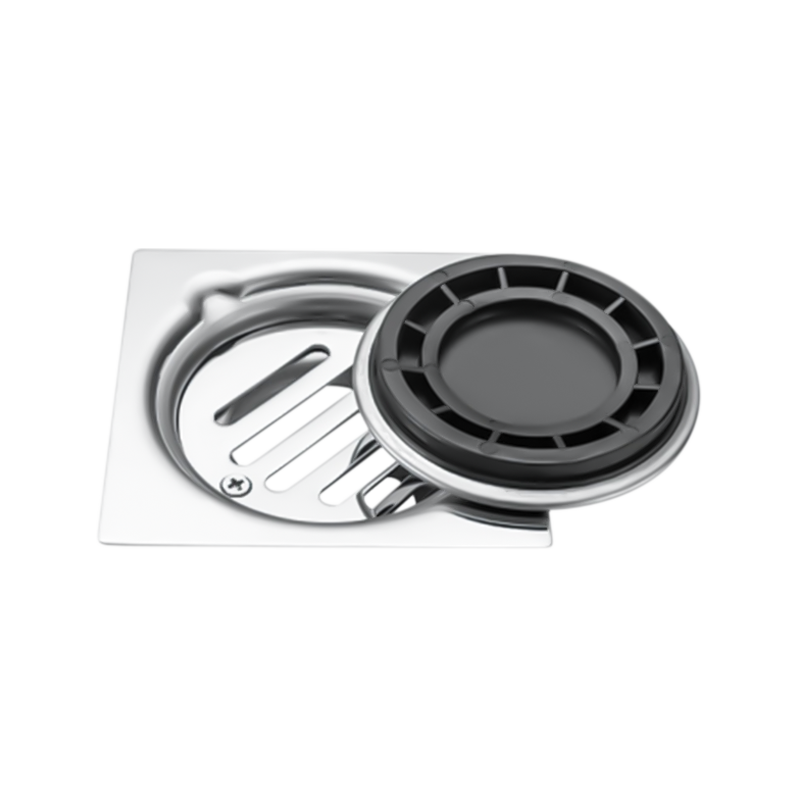
Current versions of these outlets tackle the usual clogs before they start. Many have built-in slopes or narrow openings that let liquid through while catching larger bits of leaves or dirt on the surface. You don't find yourself poking around every couple of weeks because the design handles light debris naturally of the time. It's one of those small details that saves real time when you're busy with everything else around the house.
Some catchers even let the flowing water do its own cleaning. During a decent rain the movement rinses the inside path, pushing collected particles along without anyone having to reach in. Maintenance drops to a quick glance now and then, which works well for homeowners who would rather spend weekends on something fun instead of ladder work.
Height adjustments come in handy more often than you might think. Platforms get built at different thicknesses depending on the original construction, so many units let you tweak the level during fitting. Raise or lower it a bit and the top sits even with the surrounding surface instead of creating a tripping edge or a puddle trap. It saves extra cutting on site and gives the whole platform a finished look once everything is locked in place.
Material choices have moved toward alloys and coatings that stand up to sun, rain, and the usual temperature swings without much drama. These hold their shape through seasons and some can head to recycling at the end of a long run, which sits well with people keeping an eye on the bigger picture. The point stays on matching typical weather rather than chasing anything over the top.
A handful of newer setups add basic alerts that track flow without turning the whole thing into a gadget. Small sensors notice when movement slows and send a short notice to your phone, giving you a heads-up before a minor slowdown turns into a backup. It fits into normal routines for those who want early notice without extra daily checks.
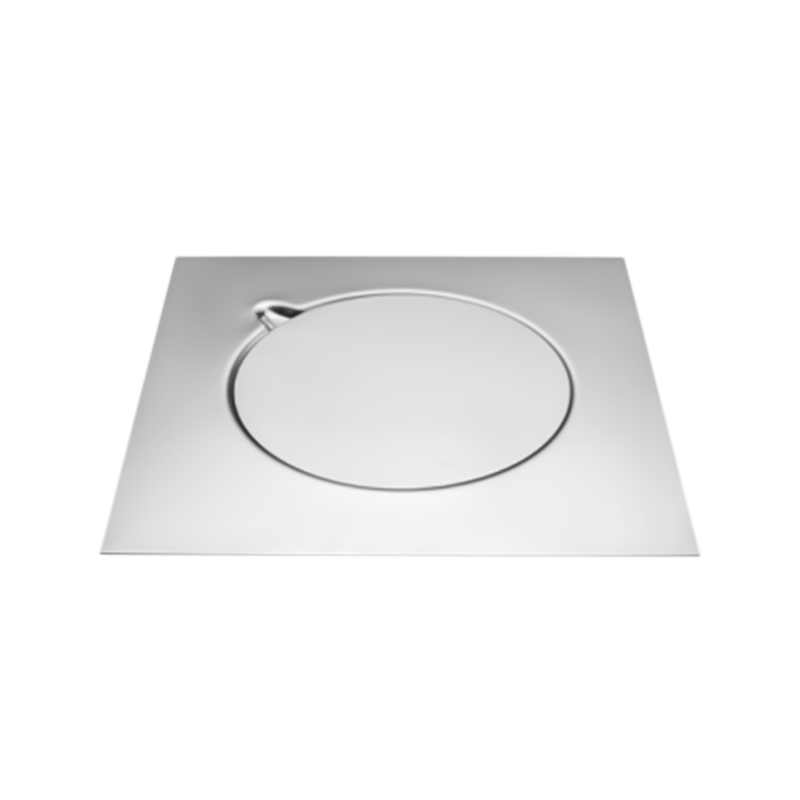
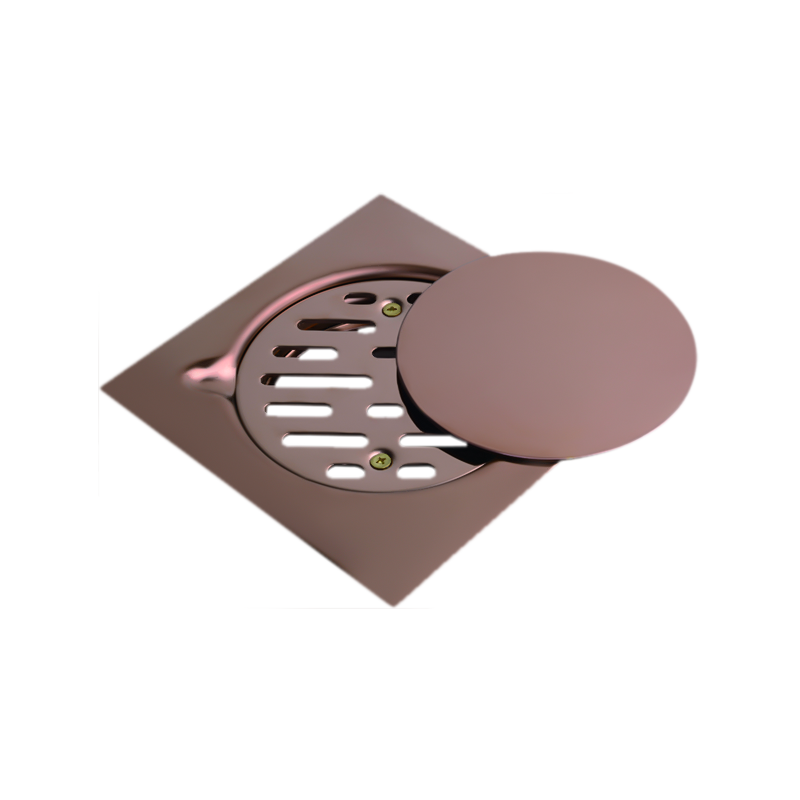
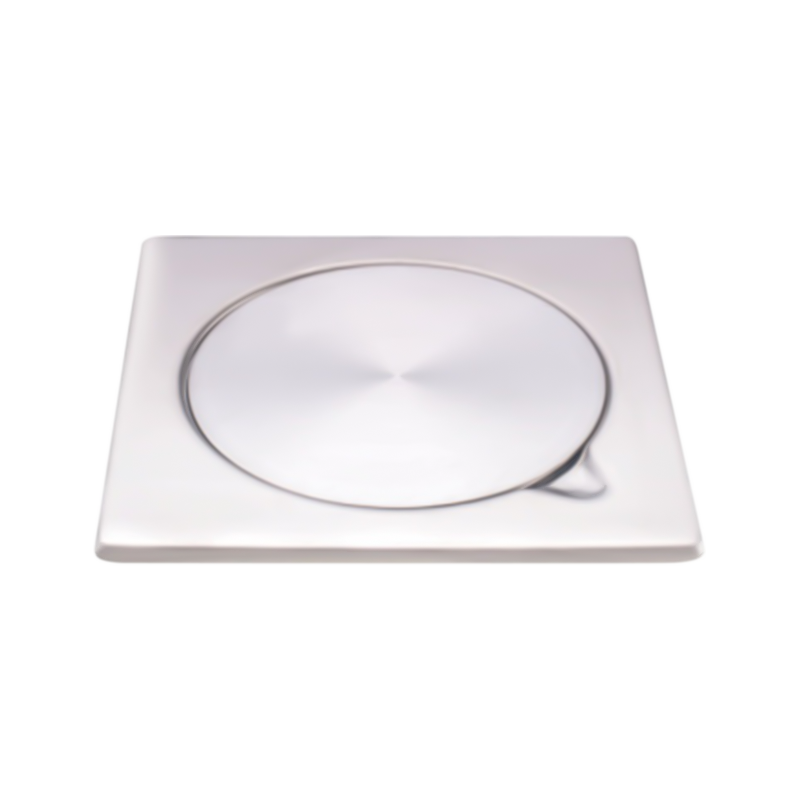
Looks count because the outlet sits right where people walk and sit. Current designs let the top match the surrounding tile, concrete, or boards so it blends in instead of jumping out. The grid or cover can pick up the color and texture closely, so visitors cross the area without spotting the feature, yet it still handles the flow quietly underneath.
Sizes now fit a wider range of layouts too. A narrow ledge might use a compact round unit tucked near the edge, while a broader deck area does better with a longer channel that runs partway across to catch the natural low points. This variety means you pick something that covers the flow path without adding extra openings you don't need. Installers often walk the platform first, mark the slope, and choose the size that works with what's already there.
Sound from rushing liquid can interrupt quiet moments outside. Some outlets include shaped paths inside that ease the flow and cut the splashing noise below. The difference feels clear when you sit nearby—the platform stays calm even during steady rain, so conversations or just relaxing don't have to compete with gurgling from underneath.
Collecting the runoff shows up more these days as well. Certain units route the liquid into a simple tank instead of straight to the main line. That stored water can then water garden beds or containers later, making better use of what falls without pulling from the tap for routine outdoor jobs. It's a plain way to stretch natural resources without complicated setups or constant watching.
In spots where winters bring freezes, added insulation around the unit slows heat loss so liquid stays liquid inside during cold snaps. The path stays open year-round and avoids the backups that happen when ice forms and blocks the route.
These systems still line up with local building rules for strength and routing. Makers talk with designers and crews to meet the standards without shortcuts that could cause trouble later. The aim is a setup that fits the structure cleanly and keeps working without drawing attention.
Long-term strength matters because the outlet faces whatever the sky throws at it. Work continues on coatings and metals that handle salt air by the coast or heavier pollution in cities. Regular looks catch small shifts before they affect flow, and units allow easy access for a rinse or simple part swap if needed.
Price stays part of the discussion for jobs. Makers keep options that fit normal budgets while delivering the basic performance. Straightforward connections and standard sizes help hold the total cost down without losing the ability to manage typical rainfall. Homeowners often line up a few versions next to each other, checking how they match their platform and expected use instead of chasing the latest add-on.
The part these catchers play in outdoor spaces keeps growing as more people refresh or add raised platforms. They handle the core job of moving liquid while bringing small conveniences that make daily life smoother. Whether the area serves morning coffee, weekend meals, or just a quick step outside for air, a reliable catcher keeps the surface ready instead of waiting for sun and wind to do the work.
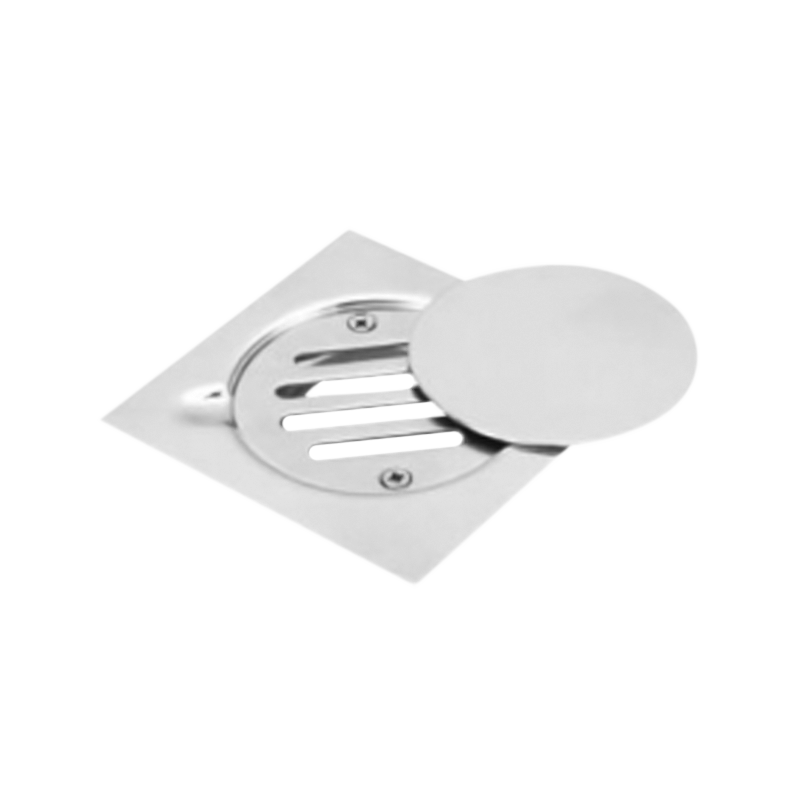
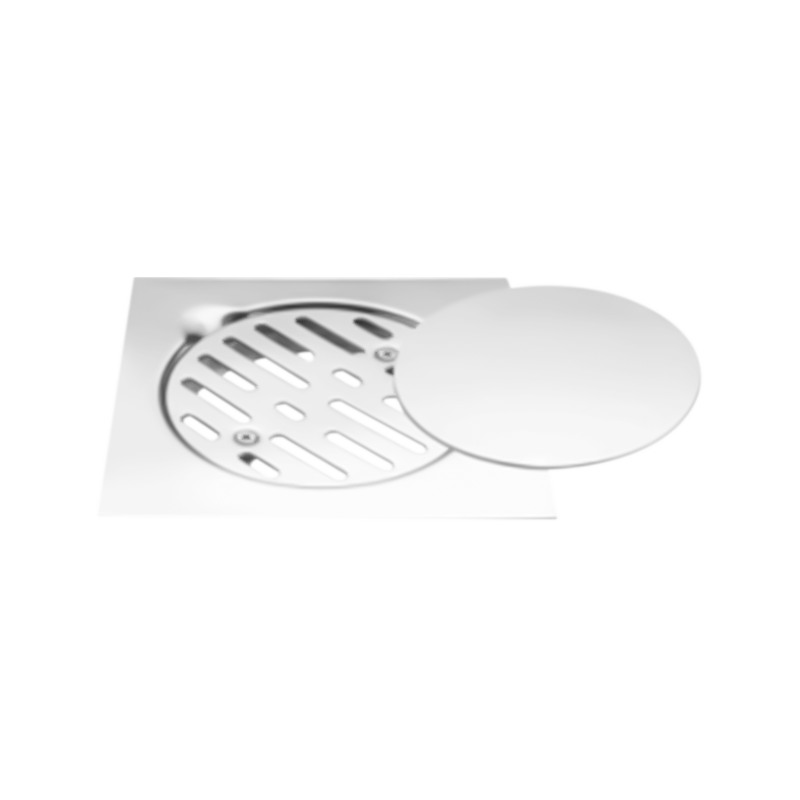
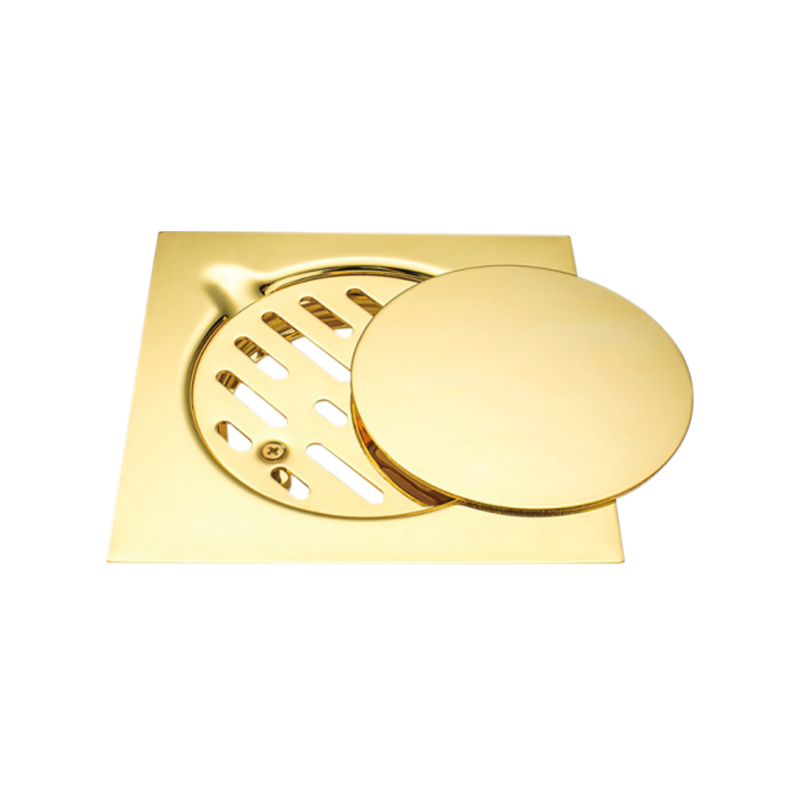
Wholesale Balcony Drain Trap options give builders and suppliers a practical way to keep reliable units on hand for different projects without waiting on special orders each time. They match standard connections and come in amounts that line up with typical job sizes, helping keep schedules moving.
Custom Floor Sink Grates let you shape the top cover to match the surrounding materials and pattern exactly. The grid can be trimmed or formed during fitting so it disappears into the surface, yet still passes liquid at the right pace.
Wet Floor Drain Supplier sources bring the full set of parts and advice for both fresh builds and updates. They coordinate with local teams to make sure the right size and type arrives on time for the site.
Taking a closer look at putting one in, the steps usually begin with finding the low point on the platform and cutting a clean opening that fits the base. The catcher drops in, connects to the pipe below, and gets sealed around the edges to stop any side leaks. Leveling it even with the surface takes a few small tweaks, but once set it stays solid under normal walking. Many crews run a quick hose test before finishing the area around it, just to see the flow head where it should.
Care stays straightforward for owners. A light sweep or rinse every couple of months clears loose bits from the top, and the inner path rarely needs more unless something big drops in. During leaf season a fast check after storms prevents buildup, but the design manages light amounts without extra help.
For apartment blocks or shared outdoor zones these outlets scale easily. Placing a few at intervals across larger surfaces keeps everything clear, and the uniform style means any repair stays simple if one part ever needs swapping. Property teams like the drop in damp-related calls once the systems run.
In update projects the catcher often fits without tearing up the main supports. Crews route the pipe to the nearest vertical line, blend the new surface material, and make the platform look refreshed instead of patched. The result feels planned rather than added last minute.
Local weather shapes the details picked. Areas with frequent light rain might lean toward quick-clear tops, while spots with occasional heavy storms do better with deeper paths that handle sudden volume. The range in today's designs lets people match the setup to their usual patterns without building more than needed.
Safety around these platforms improves when liquid clears fast. No lingering slick spots after rain means fewer careful steps or quick wipes before kids or older family head out. The surface stays firmer underfoot, and the space feels more open for regular use.
Over months the little conveniences pile up. Less time drying the area by hand, fewer stains on nearby walls from overflow, and a platform that stays ready whenever you want to step outside. It's the sort of quiet upgrade that works in the background without needing constant notice or fixes.
Many who have put these in mention how the outdoor area sees more use once water problems fade. Morning routines move outside more often, weekend get-togethers feel simpler to host, and the space just works better with the rest of the home. The catcher becomes one of those background details that makes the whole extension more livable day to day.
If you're looking at options for a platform you already have or planning a new one, thinking about the flow direction and surface level early leads to cleaner results. Local providers can review measurements and typical layouts based on your exact setup, helping pick the right configuration without trial and error. A plain talk at the start usually avoids later adjustments and keeps the whole job moving smoothly.


 Add: No 3 District Xiaowufen Industrial Zone, Pengjie Town, Luqiao District, Taizhou City, Zhejiang Province, China.
 Tel: +86-576-89203599
 Fax: +86-576-89203598
 Email: [email protected],[email protected],[email protected]
Copyright © Taizhou Shenzhou Sanitary Ware Co., Ltd. All Rights Reserved.


 عربى
عربى 0
0
