Picture this: it's pouring rain again, and you're walking the yard of a busy manufacturing plant. Water's pouring off the raised decks, rushing toward the edges like it always does. But what folks never think about is the quiet little seals down there doing all the heavy lifting. They hold back nasty sewer smells, keep bugs from crawling in, and make sure nothing backs up and floods the place. In these factories where those outside areas usually get used for storing parts, taking quick breaks, or moving materials around, these seals are the unsung heroes keeping everything dry and breathable.
What about the crazy part? In the middle of all the production chaos, the machines running nonstop, safety meetings, and tight deadlines—these outdoor drainage setups get forgotten. Crews are busy fixing big equipment or hitting quotas, so the smaller stuff outside gets pushed to the back burner. Big mistake. Leaves pile up, dust mixes with whatever spills from the loading dock, and before long you've got a slow-moving mess that turns into standing water. Weather doesn't help either. Sun bakes the seals, freezing nights crack them, and constant dampness eats away at the metal until the whole thing starts to fail.
When that happens, the headaches show up fast. Weird musty odors start drifting into the work areas. Moisture sneaks into walls or under the decking and you suddenly have mold issues nobody saw coming. In places handling food or meds, that kind of thing can trigger audits or even shut things down for a day or two. Bugs figure it out quick too—once the seal weakens, they treat it like an open door. Employees start complaining about the smell or spotting things they shouldn't, and morale takes a hit. And if water finds a way inside the building? Repairs get expensive and disruptive in a hurry.
That's why making regular checks part of your routine actually saves you time and money in the long run. Catching little problems early stops them from turning into major repairs. Air stays fresher, health complaints drop, and you sail through code inspections without scrambling at the last minute. I've talked to plant managers who say just staying on top of this one thing cut their replacement costs in half. Plus the outside areas stay usable instead of turning into slippery hazards every time it rains.
Setting up a simple check routine isn't rocket science. Tie it to the seasons—hit it once in spring after all the pollen drops and again in fall before the leaves really start coming down. Walk every raised deck, pop the grate if it lifts easy, and take a hard look. See any gunk building up? Rust showing? Any cracks in the seal material? Then do the easy water test: dump a couple gallons straight in and watch closely. It should run off clean and leave just enough water behind to keep the barrier working. If it empties out completely or you hear air bubbling up, you know something's off right away.
Cleaning doesn't have to be a big production either. Grab a stiff brush or a wet-vac and pull out the leaves and sludge. Hot water with a mild cleaner usually knocks out the residue without hurting anything or messing with the environment. While you're down there, wiggle every connection and gasket to make sure they're tight. Swap anything that looks worn before it gives out completely. Snap a quick photo and jot a couple notes each time. Over a few visits you start seeing patterns—like one spot always collects more junk because of how the wind blows—and you can fix it before it gets bad.
Some places are adding simple tech to make life easier without replacing the hands-on work. A flexible camera on a cable lets you peek deep inside the pipes without tearing stuff apart. Thermal scanners pick up temperature changes that hint at hidden corrosion or slow spots. A couple of forward-thinking sites even dropped in basic sensors that text your phone if water starts backing up or flow stops cold. These tools are great helpers, but they still work when paired with actual eyes and hands checking things the old-fashioned way.
You see the difference in real shops all the time. One electronics plant I know kept getting complaints about strange smells in the upper offices every spring. A targeted check turned up three outdoor drainage points jammed solid with years of leaves and fine dust. Cleared them out, refreshed the seals, and the odor vanished almost overnight. Their HVAC filters even started lasting twice as long. Another food plant dodged a compliance headache when inspectors showed up. A quick pre-check caught a weak seal on one deck before it became a violation. Just steady routine work saved them from downtime and fines.
A packaging operation in a wet climate had standing water after every storm. Turned out debris was blocking a key drainage spot. After they started seasonal checks, the deck stayed dry and safe for moving materials. Stories like these pop up everywhere because the same issues hit any site that mixes outdoor exposure with heavy daily use.
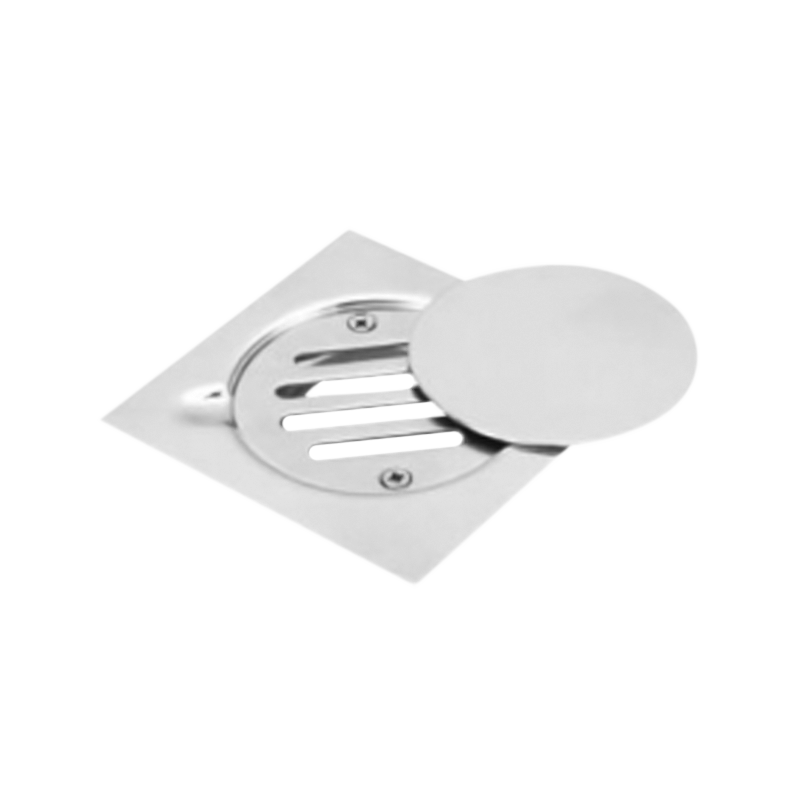
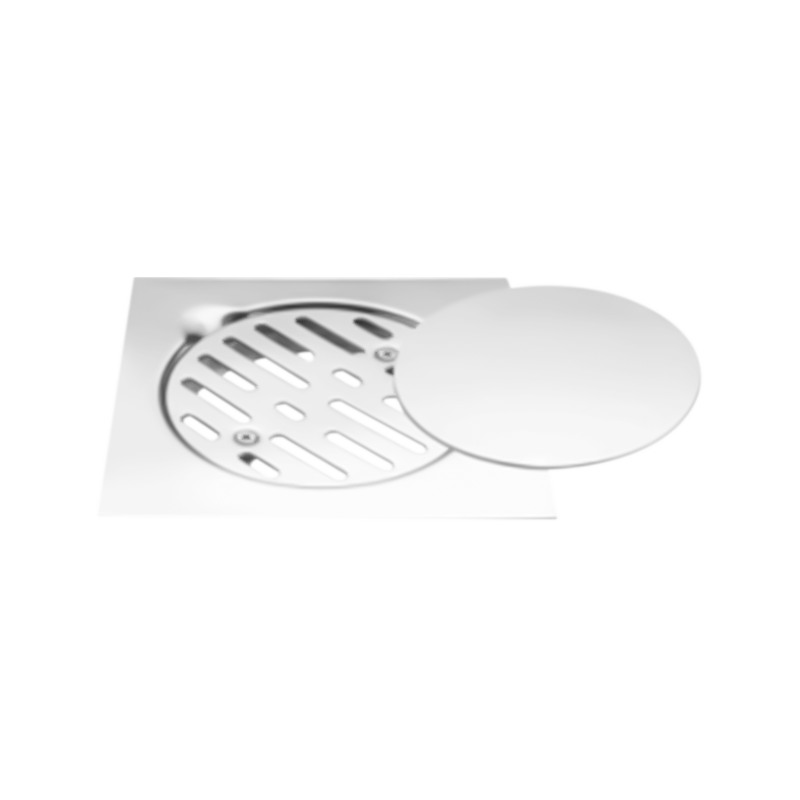
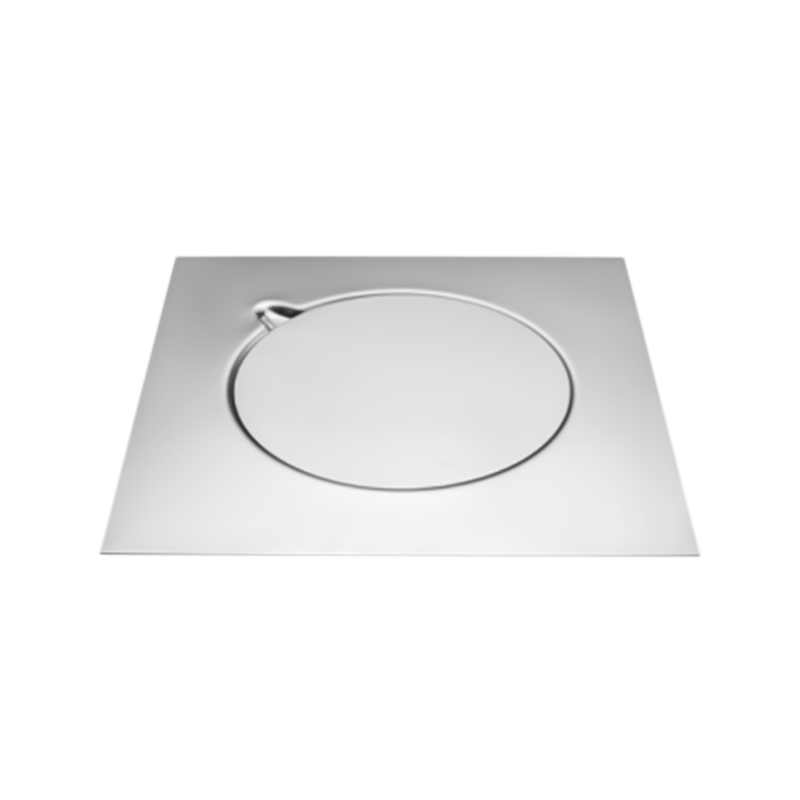
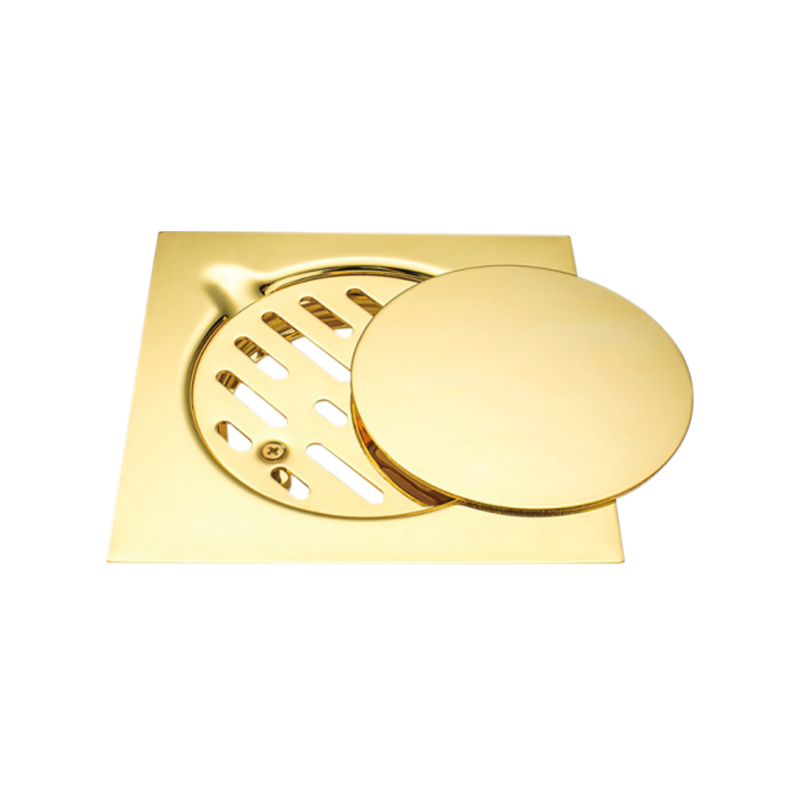
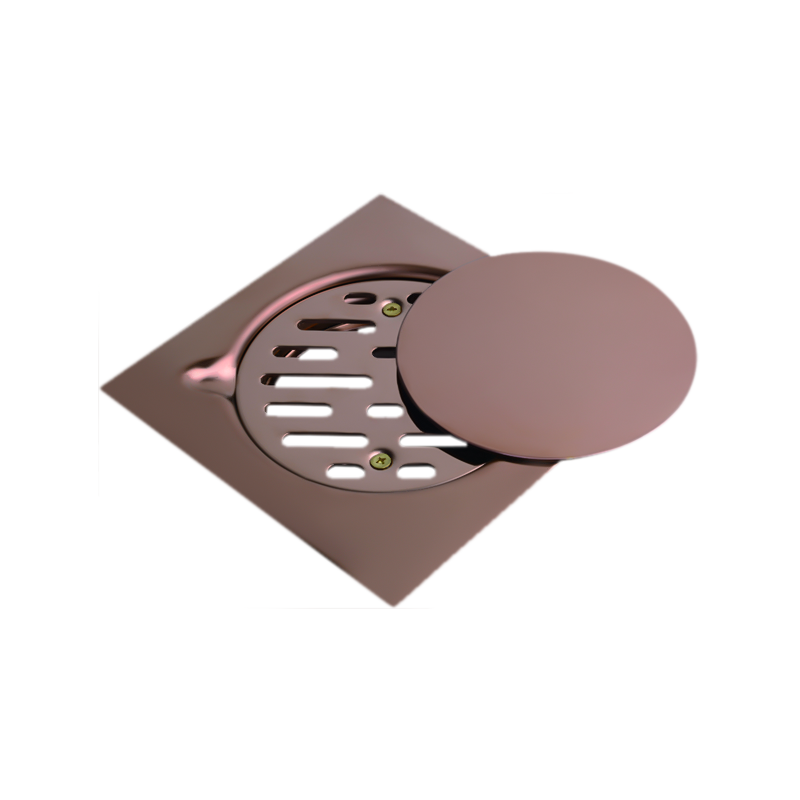
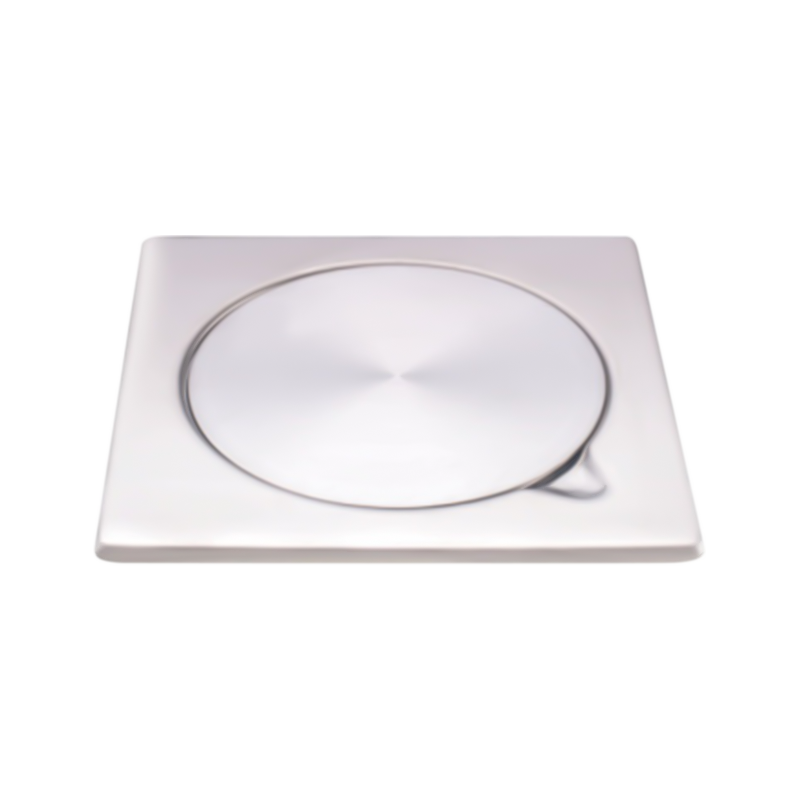
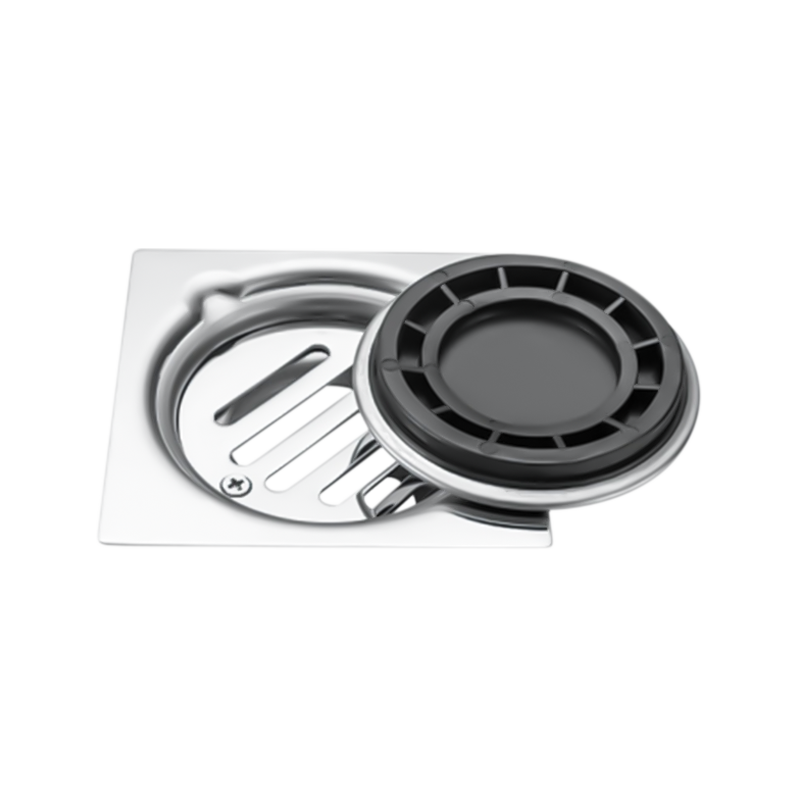
When it's finally time to swap or upgrade, picking the right part matters. If you need something that fits standard setups and ships quick, a Sale Balcony Drain Trap can be a solid, no-fuss option. For jobs that need custom sizes or special features to match your exact layout, an OEM Balcony Floor Trap lets you get precisely what the building demands. And when you're ordering in bigger quantities, teaming up with a reliable Balcony Floor Waste Manufacturer means you get consistent quality and real testing that matches actual factory conditions.
A few everyday habits make these systems last longer with less effort. Keep the raised decks reasonably clear so junk doesn't pile right next to the drainage points. Trim trees or bushes nearby before they dump heavy loads of leaves. Tell your team to flag any pooling water or odd smells right away instead of letting it build. Little moves like that take the pressure off the seals and stretch their lifespan a lot.
Looking down the road, we're seeing better designs coming—things like grates that clear themselves or strainers that let you know when they're full. Materials keep getting tougher against weather and corrosion. Still, no gadget beats regular human attention. Eyes and hands catch the early warning signs that sensors might miss at first.
In today's factories, with tighter rules and higher expectations for a decent work environment, paying attention to these outdoor details is just plain smart. Workers notice when the air doesn't stink and surfaces stay dry. Visitors and inspectors see a place that actually cares about every part of maintenance. On the money side, dodging surprise fixes and compliance drama keeps budgets steady and production rolling without hiccups.
Lots of bigger operations now treat these drainage seals like any other important equipment. They give a small team clear ownership, plug the checks into their maintenance software, and track them right alongside the HVAC or fire systems. That way nothing gets missed even when things get crazy busy.
Bottom line, this is about protecting the whole operation without any drama. A good drainage seal doesn't make headlines, but it quietly stops water damage, keeps odors outside, blocks pests, and helps everything run smoother day after day. Spending a few minutes each season on these outdoor systems gives you returns in comfort, safety, and cost savings that way outweigh the small effort.
Whether you run one building or a whole industrial site, adding these checks to your normal routine is one of the cheap ways to keep things running right. Start small, stay consistent, and the payoff just keeps growing—fresher air, drier decks, fewer surprises, and stronger compliance that everyone ends up appreciating.


 Add: No 3 District Xiaowufen Industrial Zone, Pengjie Town, Luqiao District, Taizhou City, Zhejiang Province, China.
 Tel: +86-576-89203599
 Fax: +86-576-89203598
 Email: [email protected],[email protected],[email protected]
Copyright © Taizhou Shenzhou Sanitary Ware Co., Ltd. All Rights Reserved.


 عربى
عربى 0
0
