Effective drainage usually goes unnoticed when it is doing its job properly. Water moves away, surfaces stay usable, and nobody has to think much about it. But when drainage falls short, the problems show up quickly. Streets begin to hold puddles after rain, fields stay soggy longer than they should, and everyday movement becomes harder than it needs to be. In both city projects and agricultural sites, the way water is managed has a direct effect on safety, comfort, and long term performance.
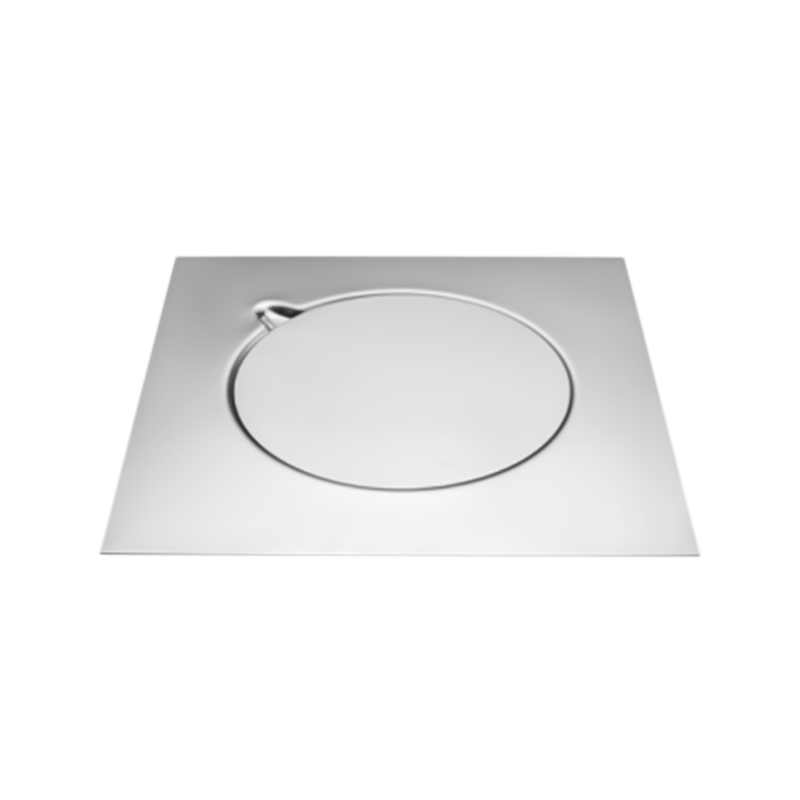
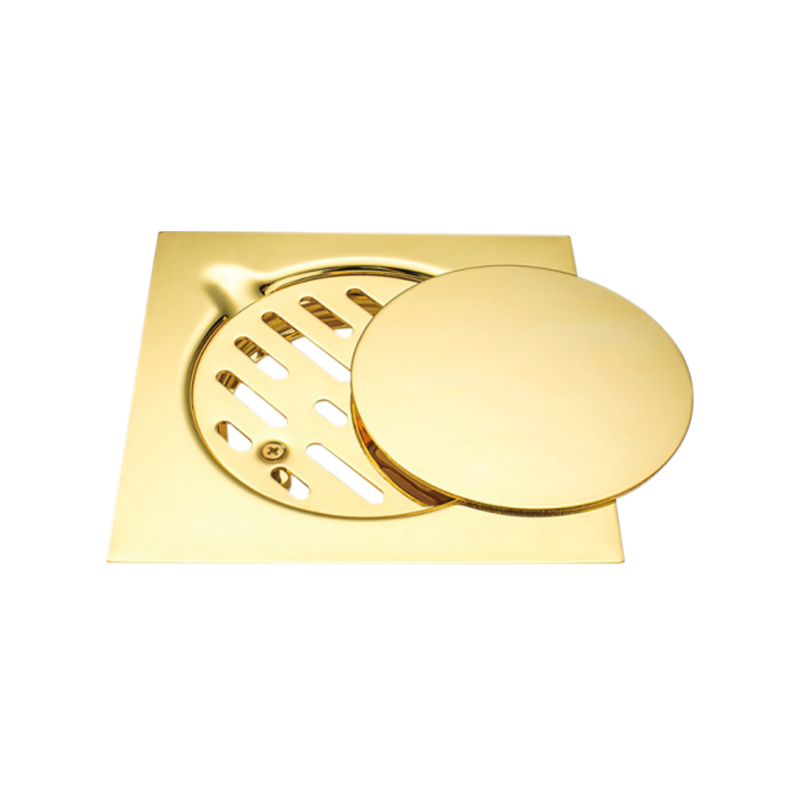
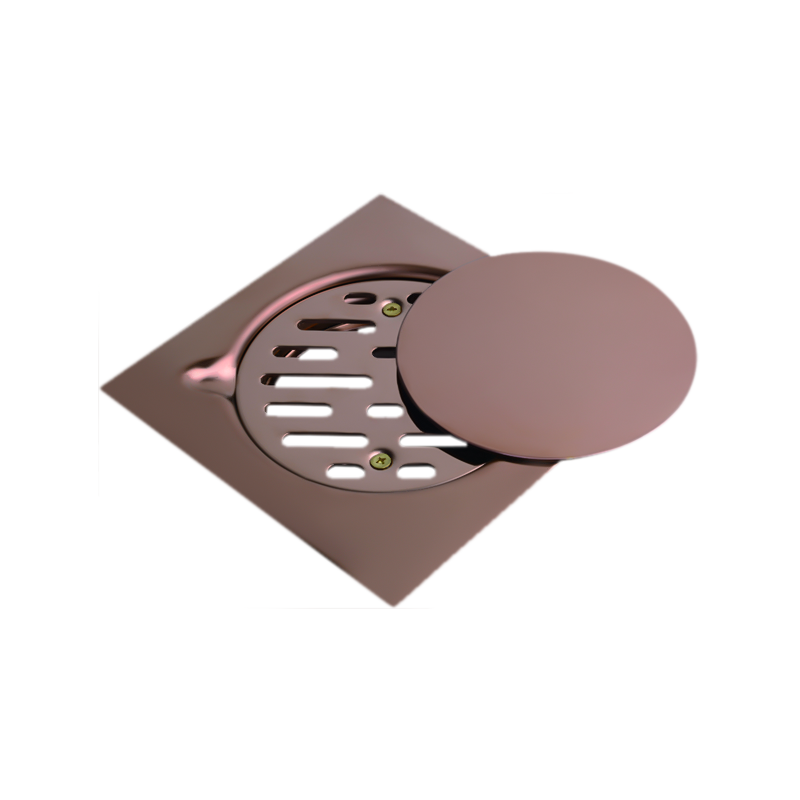
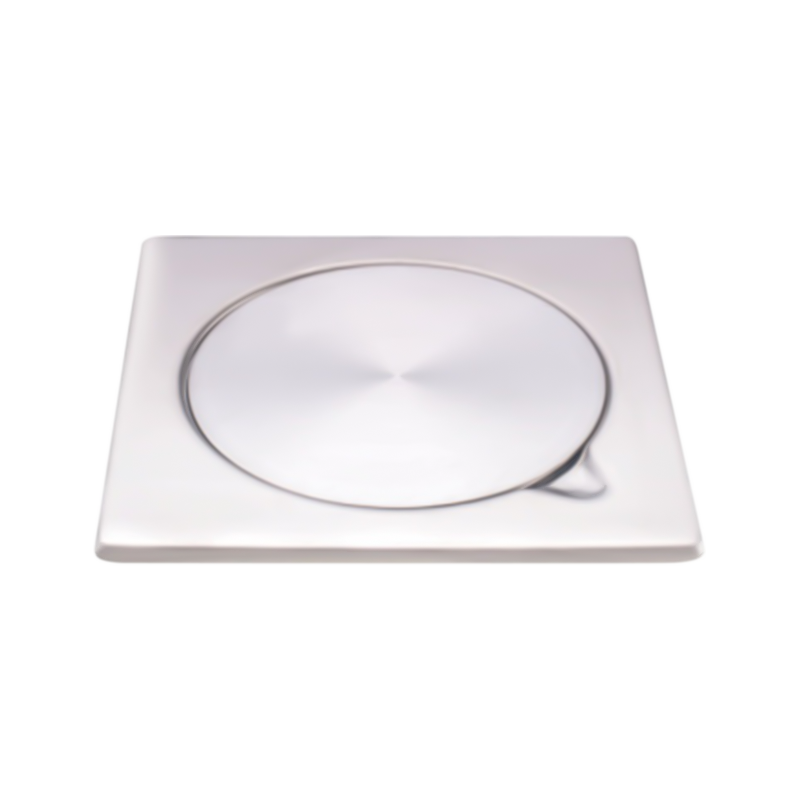
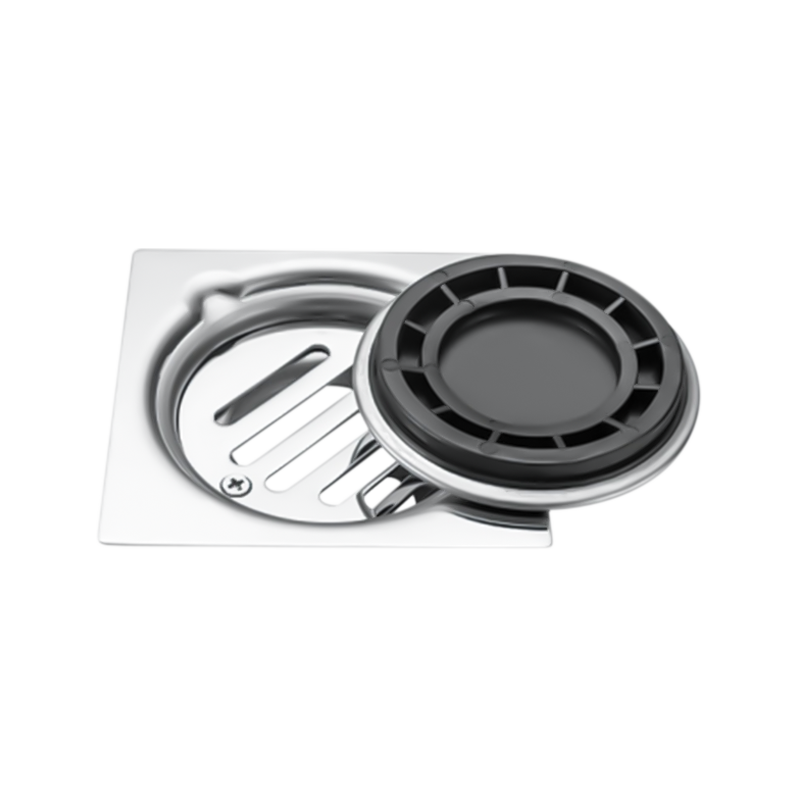
That is why many planners and installers continue to rely on Stainless Steel Tile Drain in a wide range of settings. It is not chosen because it sounds impressive. It is chosen because it holds up well in places where moisture, load, and exposure are part of the daily routine. Cities need drainage that can handle traffic and runoff. Farms need drainage that can deal with changing soil conditions and repeated equipment use. A single solution that can work across both kinds of environments is useful for that reason alone.
In cities, drainage components face a busy life. They sit under roads, walkways, parking spaces, public squares, and other areas where people and vehicles pass constantly. Rainwater is only part of the picture. Road salt, dirt, oil residue, and seasonal debris all enter the system as well. Over time, many materials begin to show wear under those conditions. Stainless steel is often preferred because it resists corrosion better than many alternatives and keeps its shape under repeated exposure.
That corrosion resistance matters more than it may appear. Winter road treatment, storm runoff, and damp conditions can slowly break down weaker materials. Once that starts, drainage performance becomes less reliable. The surface may rust, the structure may weaken, or cleaning may become more difficult. With a stainless steel option, those problems tend to appear more slowly, which gives city crews less to worry about during routine maintenance.
Load is another issue in urban environments. A drain installed under a sidewalk is not just dealing with water. It is also dealing with foot traffic, bicycles, maintenance carts, delivery vehicles, and sometimes much heavier loads. If the structure shifts or bends, the surrounding surface can become uneven. That creates an inconvenience and a hazard at worst. A solid drainage component helps reduce that risk by staying stable even when the area above it is busy.
The smooth surface also helps in practical ways. Dirt and debris do not cling as easily, so cleaning is usually straightforward. That can make a real difference in public areas where maintenance windows are short and access may be limited. Nobody wants a drainage part that requires special treatment every time leaves or sediment collect in it. The less complicated the upkeep, the easier it is for a city to keep things moving.
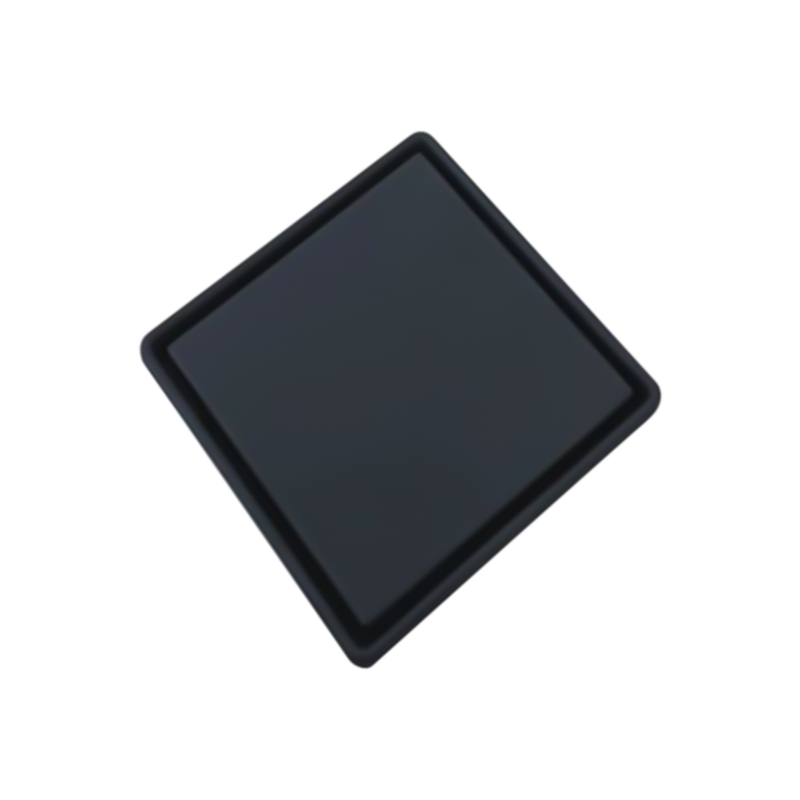
Agricultural settings ask something different from drainage. On a farm, the goal is not only to remove water. It is to remove just enough of it. Soil that stays too wet can harm root systems, reduce oxygen flow, and make planting or harvesting difficult. At the same time, the ground still needs enough moisture to support healthy crops. Good drainage is really about balance, and that balance can change from one field to the next.
A Stainless Steel Tile Drain works well in this environment because it can help move excess water away without losing its structure over time. Farmers know how quickly conditions can change after heavy rain. A field that was workable one day may be too soft the next. When drainage performs properly, water clears at a more manageable pace and the land becomes usable again sooner. That can affect planting schedules, equipment movement, and daily field planning.
Agricultural soil also brings its own kind of stress. Fertilizers, natural acids, and moisture all affect drainage materials over time. Some materials begin to break down after repeated contact with those conditions. Stainless steel tends to handle that exposure more steadily. That does not mean it is immune to wear, but it does mean it is often better suited to long term use where chemical exposure is part of the routine.
Equipment traffic is another concern. Farm machinery does not move gently across the land. It compresses soil, creates vibration, and applies pressure to everything beneath the surface. A drainage component has to remain stable through all of that. If it shifts or loses alignment, the system becomes less effective. Once that happens, fields may begin to collect water in low spots again, and the whole point of the drainage setup gets weakened. Choosing a material with stronger load tolerance helps avoid that issue.
One reason this type of drain is useful in both settings is that it does not need to be treated like a special case every time. The same basic product can work in a city project, a park, a roadside application, or an agricultural field with only installation changes based on the site. That flexibility matters to contractors and planners because it makes material sourcing and project planning easier. Instead of keeping several different products on hand for similar drainage needs, they can work with a more consistent option.
Installation still makes a huge difference, no matter how durable the product is. A well-made drain can perform poorly if it is placed at the wrong slope or connected badly to the surrounding system. In city projects, the alignment with stormwater lines needs to be correct so water moves where it should. In farm settings, the layout needs to match soil type, field slope, and irrigation patterns. A drain placed in the wrong spot may do very little even if the material itself is strong.
Good installation is often about paying attention to the small things. The base needs to be stable. The connections need to be tight. The surface around the drain needs to guide water toward it rather than away from it. Those details are easy to overlook when a project is moving quickly, but they decide how well the system behaves later. A drainage component is only part of the solution. The surrounding work matters just as much.
Maintenance is thankfully not complicated when the system is designed well. In city areas, leaves, grit, and small debris can build up over time. On farmland, soil particles and plant matter may collect after storms. Clearing those materials regularly can help keep water moving. The process is very simple: check the area, remove buildup, make sure the channels are open, and inspect the joints. That kind of routine care does not take much effort, but it helps avoid larger repairs down the road.
The long term value is easy to understand once you look at the full picture. A drainage system that holds up for years without constant replacement saves time, labor, and disruption. In a city, that means fewer shutdowns and less interference with public use. On a farm, it means fewer delays during important parts of the growing season. It is not only about the price of the part itself. It is about the trouble it helps prevent later.
On farms, it can help keep soil in a workable condition after heavy rain. What makes this kind of drainage option practical is that it solves an ordinary problem in a steady way. It does not need to be flashy. It just needs to work under pressure, through weather changes, and across different kinds of sites. That is often what matters much in real projects. A solution that keeps working without drawing attention to itself is usually the one people trust the longest. So whether the job is a sidewalk in a busy district or a drainage line running through active farmland, the same basic expectations apply. The material should resist corrosion. The structure should stay stable under load. The surface should be easy to maintain. The installation should match the site. And the system should keep doing its job without creating unnecessary work for the people who depend on it. That is where stainless steel earns its place.

 Add: No 3 District Xiaowufen Industrial Zone, Pengjie Town, Luqiao District, Taizhou City, Zhejiang Province, China.
 Tel: +86-576-89203599
 Fax: +86-576-89203598
 Email: [email protected],[email protected],[email protected]
Copyright © Taizhou Shenzhou Sanitary Ware Co., Ltd. All Rights Reserved.


 عربى
عربى 0
0
