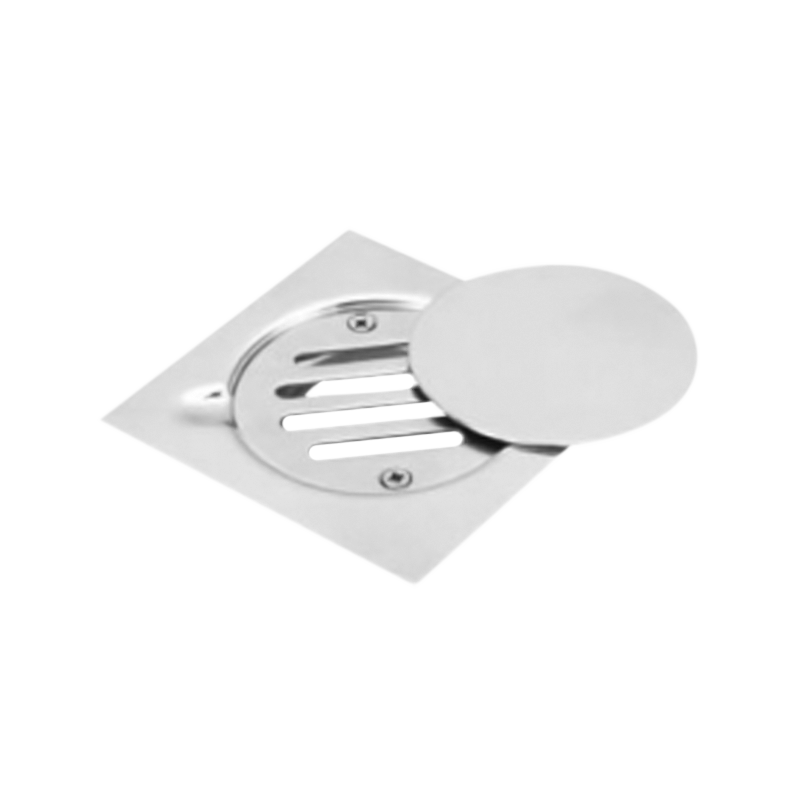
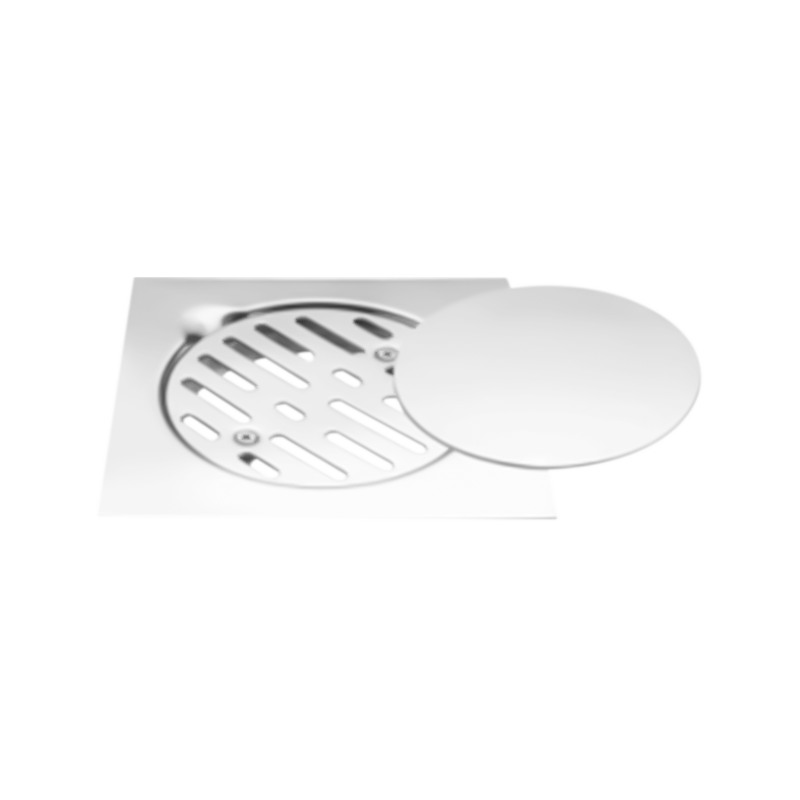
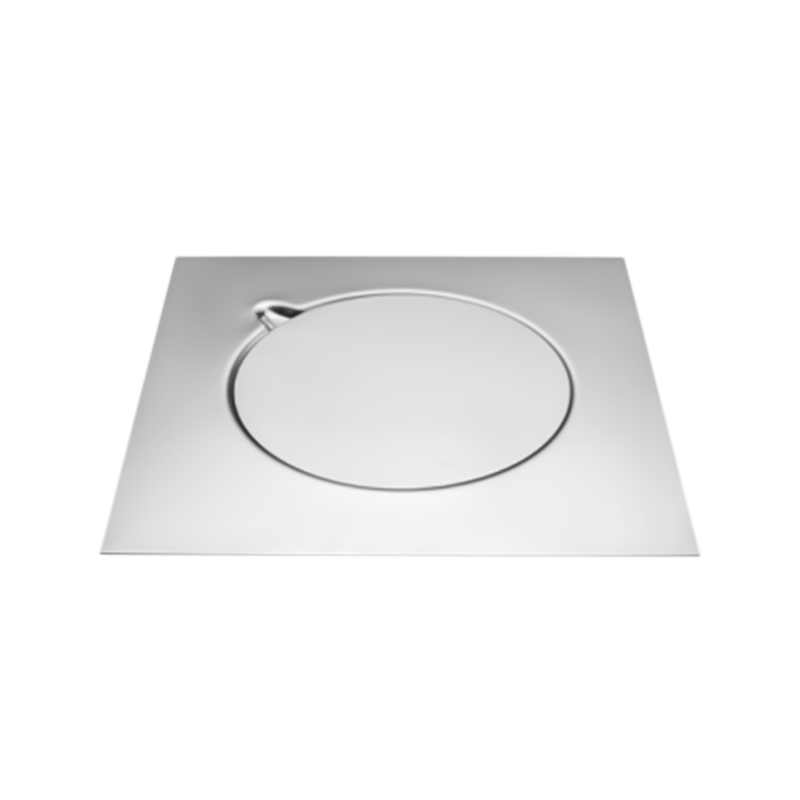
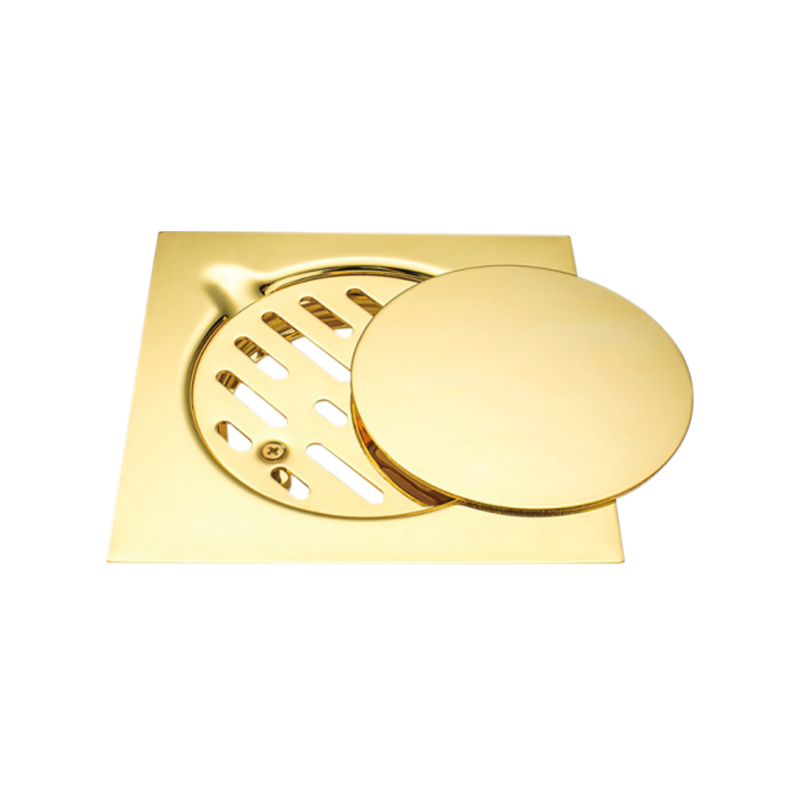
Bathroom floors take a beating every single day. Water splashes everywhere, soap residue builds up, and pretty soon you notice the same things happening over and over: puddles that hang around too long, a little mildew creeping along the edges, or that faint musty smell that cleaning never quite fixes. When it is time to refresh a shower space, update a powder room, or plan out a bigger commercial area, one option that keeps coming up in real conversations is the Stainless Steel Tile Drain. It sits level with the surface, moves water along without drawing attention, and becomes part of the floor instead of something stuck on top.
This piece walks through six questions that homeowners and contractors ask all the time when they are planning a project. Whether you are handling a weekend update yourself or managing several jobs at once, these practical points help you make choices that fit how the space actually gets used. We will look at how to pick something that lines up with your surface, what to prepare before setting it in place, why the material choice makes daily upkeep simpler, easy steps to keep it working smoothly, where this kind of setup fits in different kinds of spaces, and when it makes sense to think about switching. The goal is straightforward information you can use right away so you can move forward without second-guessing.
Picking the right one starts with looking closely at the surface you already have or the one you are about to put down. Surfaces come in all kinds of finishes, some shiny, some flat, some with natural patterns, and the opening needs to sit even so there is no obvious gap or raised edge. Measure the space where it will go, and do it twice just to be sure. A small difference here can mean extra work down the line.
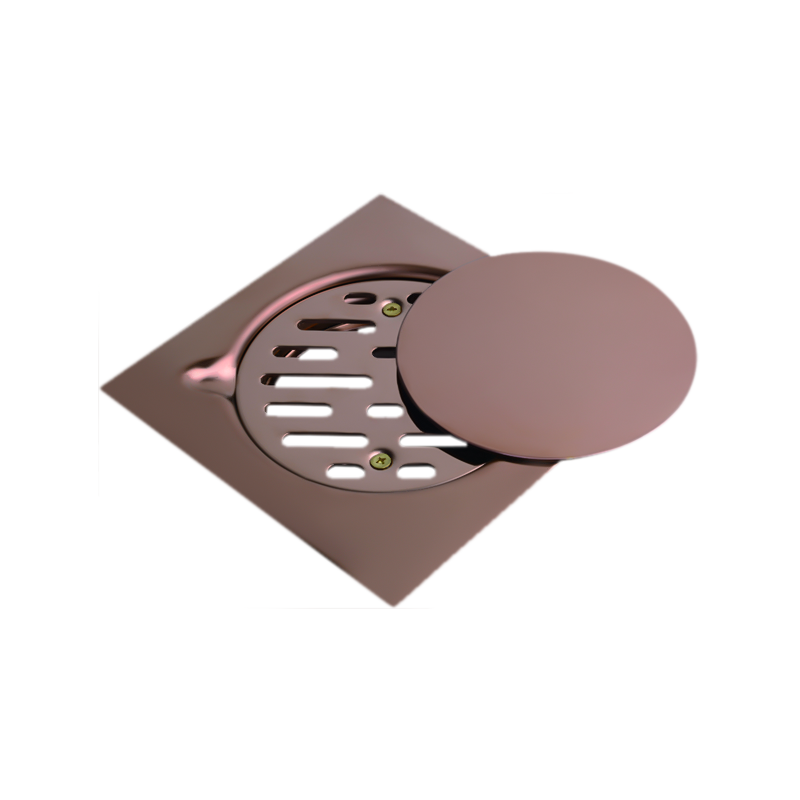
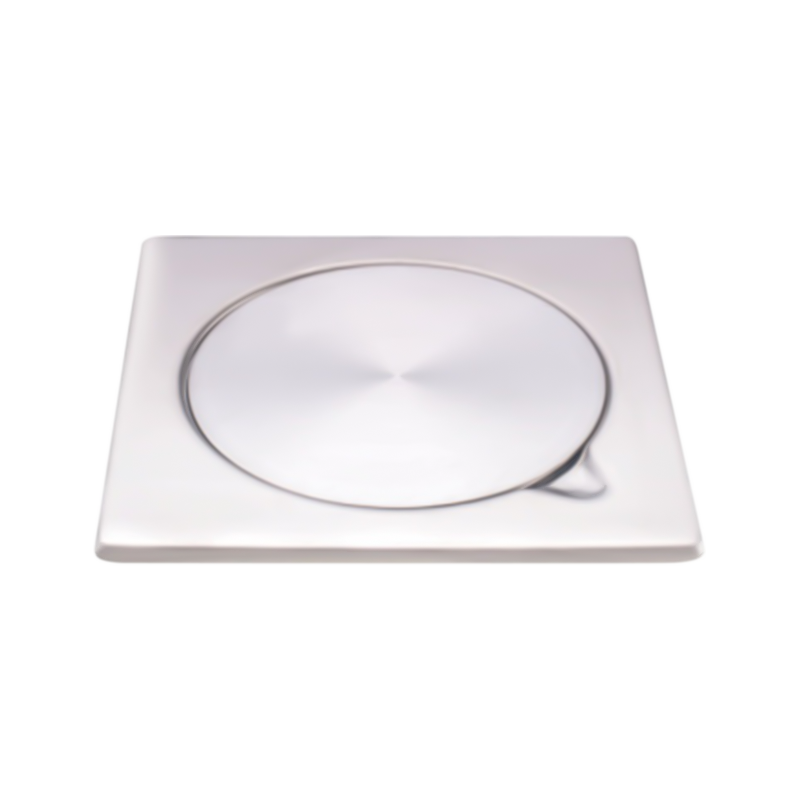
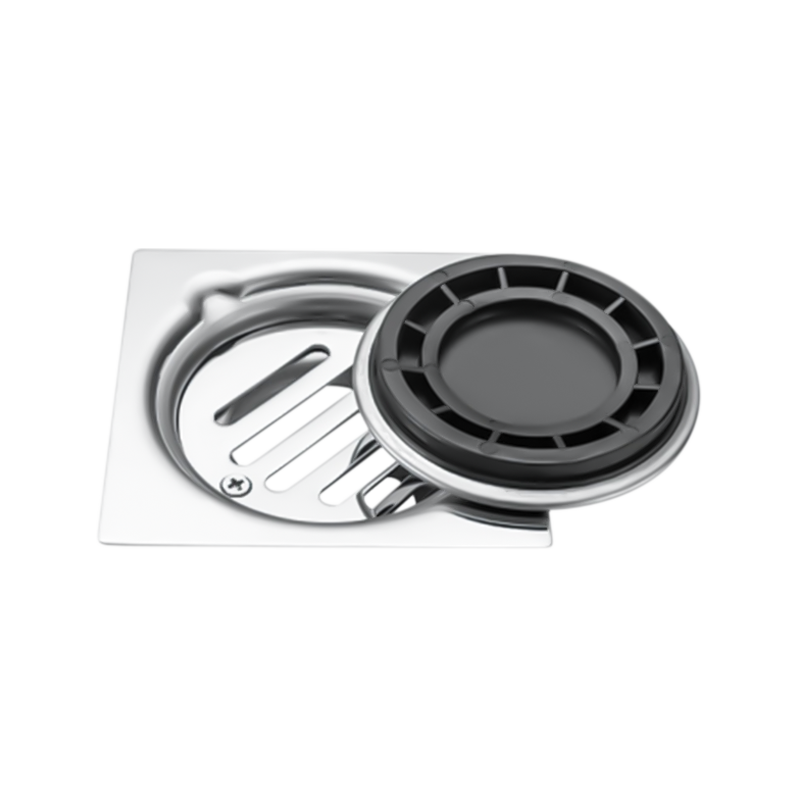
Consider the overall layout of the surface material. Larger pieces often look more balanced with a simple grate pattern, while smaller sections might need something with a bit more detail so it does not feel out of place. Color matters too. Most options come in a neutral brushed look that pairs with both warm and cool tones, but it helps to hold a sample next to your actual surface under the same lighting the room will have. What seems fine under store lights can look different once it is installed.
Check how the grate lines up with the height of the surrounding material. You want everything to end up level so water does not collect on one side. Many people bring a small piece of their surface to compare or snap a quick photo of the edge. This step helps avoid the usual issue of ending up with something that sits just a bit too high or too low, which then needs extra filling or trimming.
Think about how much use the area gets. A quiet guest space might work fine with a standard grate, while a main shower that sees the whole family every morning needs something that handles steady flow without slowing. By focusing on these everyday matching details, the Stainless Steel Tile Drain becomes part of the floor rather than an add-on.
Installation day comes quicker than expected, so a little planning saves a lot of hassle. Before the Stainless Steel Tile Drain goes in, the waterproof layer underneath must be fully done and sloped gently toward the opening. A slight angle of about one quarter inch per foot helps water move along without collecting. If the angle is off, later fixes will not completely solve it.
Gather the tools ahead of time: a level, a utility knife for trimming the membrane, and something to mark the center of the pipe. The pipe connection below should line up straight so the body drops in cleanly without forcing. Many installers do a quick test fit before adding any sealant. This check shows if the opening needs a small tweak or if the pipe needs a short extension.
Deciding whether to handle it yourself or bring in help depends on how comfortable you feel with surface setting and waterproofing. If you have done a few smaller jobs, the Stainless Steel Tile Drain installation is doable as long as you pay close attention to the slope and sealing. For larger work or when the floor already has tricky plumbing, many people prefer an experienced hand so the finished look stays smooth.
Once the body is set, the surrounding surface material goes down and the lines meet the grate edge. A thin line of flexible sealant around the outside keeps water from slipping underneath. After everything sets, a simple bucket test—pouring water from different spots—shows whether flow heads straight to the opening as planned. Spending time on these early steps means the Stainless Steel Tile Drain does its job quietly for a long time.
Everyday use in a bathroom means constant contact with water, soap, hair, and skin cells. Over time these things leave a film. The Stainless Steel Tile Drain handles this flow in a way that cuts down on how much stays behind. The smooth surface does not hold residue the same way some other materials do, so a quick rinse or wipe often clears what collects.
Because the grate sits even with the surface, there are fewer spots where dirt can settle. Water moves across and drops through the openings without pooling at the sides. This steady movement carries particles away instead of letting them dry into spots that need extra scrubbing later. In practice, many people find the area around the opening stays clearer with normal cleaning compared to setups that have more corners or raised sections.
The material also holds up to regular moisture without changing texture. It keeps an even surface, which means cleaning cloths or sponges move across it without catching. For families or shared spaces where the shower gets used several times a day, this steady performance helps the whole area look more consistent over months. The result is not about flawless conditions but about making regular cleaning a little easier and more effective.
Maintenance does not need to take much time or special skills. Once a month, lift the grate if your model allows and rinse the area with warm water. A soft brush or cloth handles any light buildup around the slots. Many people keep a small bottle of mild dish soap mixed with water handy for those quick sessions. It cuts through residue without leaving a film.
Every few months, please check the visible edges and connections. Look for any small shifts where material might have moved or where sealant looks worn. A quick touch-up with flexible sealant keeps water heading where it should. If hair or fibers collect in the slots, a plastic tool or even an old toothbrush usually pulls them out without marking the surface.
One habit that helps a lot is running a bucket of clean water through the opening after busy periods, such as after guests leave or following a big family shower day. This extra flush moves any remaining particles along before they settle. By sticking to these simple steps, the Stainless Steel Tile Drain keeps handling flow without needing major attention between regular cleanings.
This kind of setup shows up in many different places because it moves water in a direct way. In homes it appears in walk-in showers, main bathrooms, and even smaller powder rooms where space is tight. Homeowners often place them in basement bathrooms or laundry areas where moisture levels run higher. The even design keeps the surface usable right up to the opening without creating a trip point.
Commercial areas use them in hotel guest bathrooms, restaurant restrooms, and fitness center locker rooms. The steady flow helps manage heavier use and frequent cleaning schedules. In office buildings or medical facilities, the same setups appear in staff showers or changing areas where reliability matters during daily routines. Each spot has its own flow needs, but the Stainless Steel Tile Drain adapts because it focuses on moving water away cleanly.
Covered outdoor patios or poolside changing areas also work well with this type of opening when the surface is finished. The material handles changing weather without major shifts in performance. By matching the setup to how the space actually gets used, the whole thing stays practical year after year.
Knowing when to make a change comes down to noticing signals in the space itself. If water sits longer than usual after use or you start seeing more buildup around the current opening, it may be time to look at options. Cracks in older materials or lines that stay damp are other common signs that the current setup is working harder than it should.
Many people decide to switch during a larger bathroom update or when replacing the surface material. The goal is to handle the work when the room can be out of service for a short time without causing daily inconvenience.
A simple way to think about timing is to consider how the room is used now and how you want it to feel in the coming years. If daily cleaning takes more effort than you would like or if you find yourself dealing with the same small issues repeatedly, that is often the point where a change starts to make practical sense.
Looking back at these six areas—choosing the right fit, preparing for installation, understanding the cleaning benefits, keeping up with simple maintenance, seeing where the setups work best, and recognizing the right moment to switch—shows how the Stainless Steel Tile Drain fits into real projects. Each step connects to the next, so early decisions affect how the opening performs later.
For anyone planning a bathroom update or a larger commercial refresh, taking time to consider these points helps avoid common setbacks. The Stainless Steel Tile Drain is one part of a larger system, but it plays a steady role in moving water and keeping the surface area more manageable day after day.
If you are working on a project and would like to talk through options that suit your surface and space, our team is here to share details based on what you describe. Whether you need help matching a grate pattern or advice on installation steps, reaching out early often makes the process smoother. Feel free to send measurements or photos of your current setup, and we will walk through the practical choices together.
This kind of straightforward approach turns a routine detail into something that supports the way you actually use the space. The Stainless Steel Tile Drain stays in the background to do its job while you enjoying a surface that handles daily life without extra attention.


 Add: No 3 District Xiaowufen Industrial Zone, Pengjie Town, Luqiao District, Taizhou City, Zhejiang Province, China.
 Tel: +86-576-89203599
 Fax: +86-576-89203598
 Email: [email protected],[email protected],[email protected]
Copyright © Taizhou Shenzhou Sanitary Ware Co., Ltd. All Rights Reserved.


 عربى
عربى 0
0
