You know how it is in the bathroom. You step out of the shower thinking the water's gone down smooth, but pretty soon you spot it draining a little slower than it should. Or there's that annoying ring of soap scum creeping around the edges, or a clump of hair starting to clog things up. For anyone updating a bathroom or just swapping out an old drain cover, this little piece does a ton of heavy lifting. It stops bigger junk from heading down the pipes, keeps water flowing, and quietly keeps the whole space feeling fresher day after day. When you're shopping for stainless steel shower drain covers, the choices you make—and how you install and look after them—can make a real difference in how well they hold up month after month.
We've been making these things at the factory for years, and we've heard it all from homeowners, contractors, and renovation crews about what actually happens once they're in place. We'll walk you through picking the right stainless steel shower drain cover for your setup, the features that matter in real life, why regular maintenance is a big deal in wet areas, simple tips for getting the install right, which styles work for different showers, and how we handle the usual buyer questions. Everything here comes straight from actual bathrooms and the day-to-day conditions these covers deal with. No fluff or sales talk—just real observations from the field. Whether you're remodeling, replacing something old, or buying for a new build, you'll pick up practical stuff you can use right away.
The goal is to give you a straightforward reference you can come back to whenever you're checking what you already have or planning the next purchase. Every section is based on the patterns we see across all kinds of home bathrooms, so your decisions stay grounded in how these covers actually perform over weeks and months. Let's go through it the way folks chat about it on job sites or during weekend DIY projects.
Picking a stainless steel shower drain cover starts with really looking at the bathroom you're working on. Every space is different, so the cover has to match the water flow, the size of the shower area, and how the floor sits. Measure the existing drain opening and note how thick the floor material is around it. A cover that sits flush or just a touch recessed means you won't stub your toe and water won't pool up at the sides.
Next, think about how the shower actually gets used every day. A small household with quick morning showers might need something different from a busy family bathroom where everyone's in and out all day. Figure out how much water usually runs through and whether there's a lot of soap or shampoo residue left behind. Also jot down the overall vibe of the bathroom—clean modern lines, tile patterns, or something more classic—so the shape and finish of the cover can blend in instead of standing out like a sore thumb.
Space limits play a role too. In tight showers or ones with curved bases, a round or smaller cover usually fits better. Bigger walk-in showers often do great with linear or longer rectangular options that spread out the drainage points. A quick checklist helps: note the drain opening size, floor thickness and material, any slope in the shower base, and the style preferences of the people who actually use the space.
We hear these details all the time when buyers reach out. Sharing a simple layout sketch or letting folks check samples right in their own shower shows exactly how the cover will sit once it's installed. People who spend a few extra minutes on this step usually end up with way fewer adjustments later and a much smoother look with the rest of the bathroom. Bottom line: it's all about matching the stainless steel shower drain cover to the real conditions of your shower so water drains the way you expect and the space stays easy to keep clean.
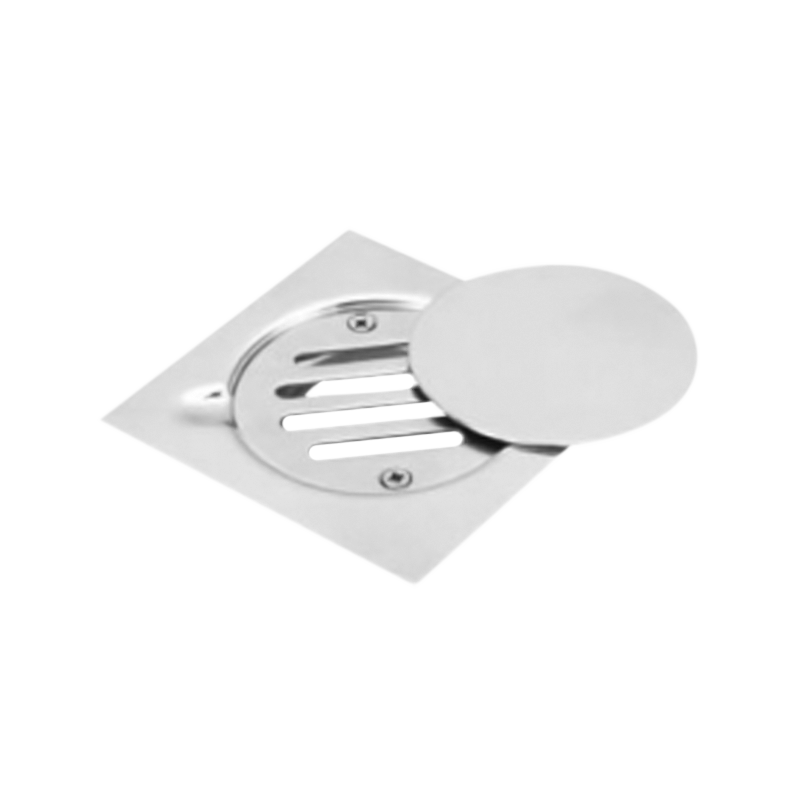
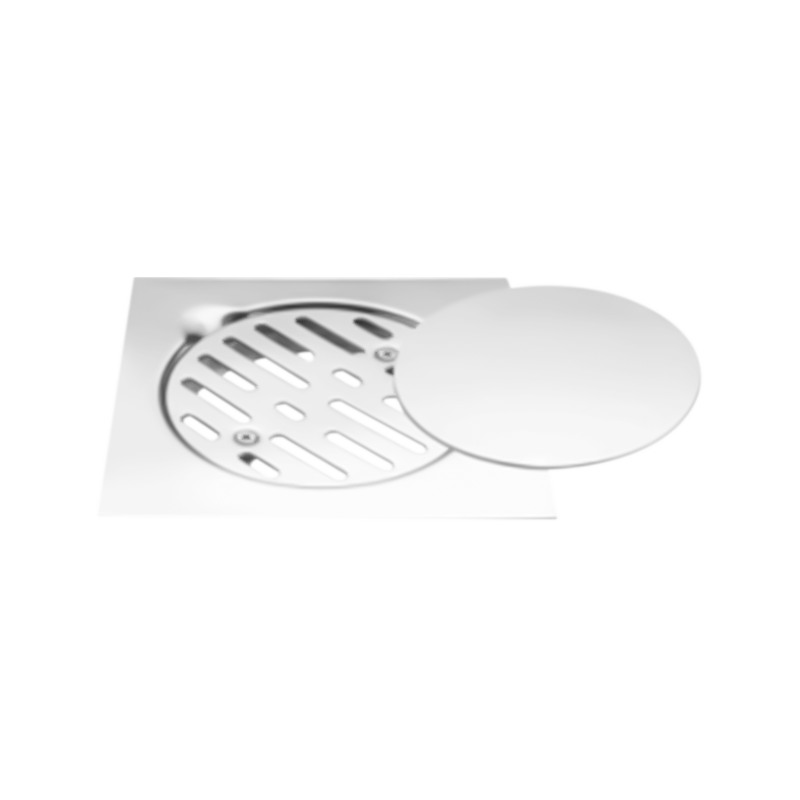
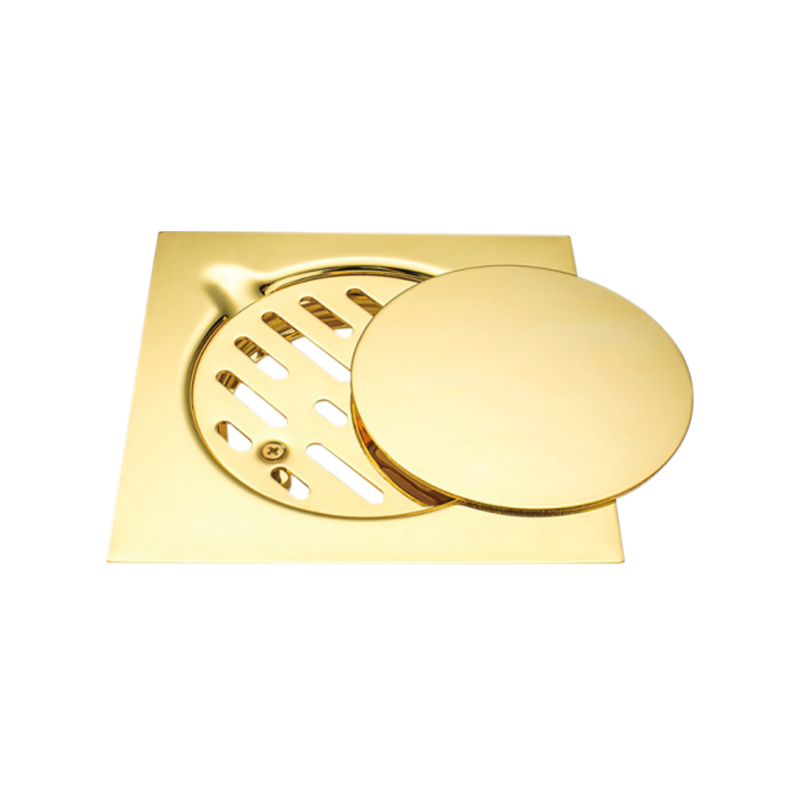
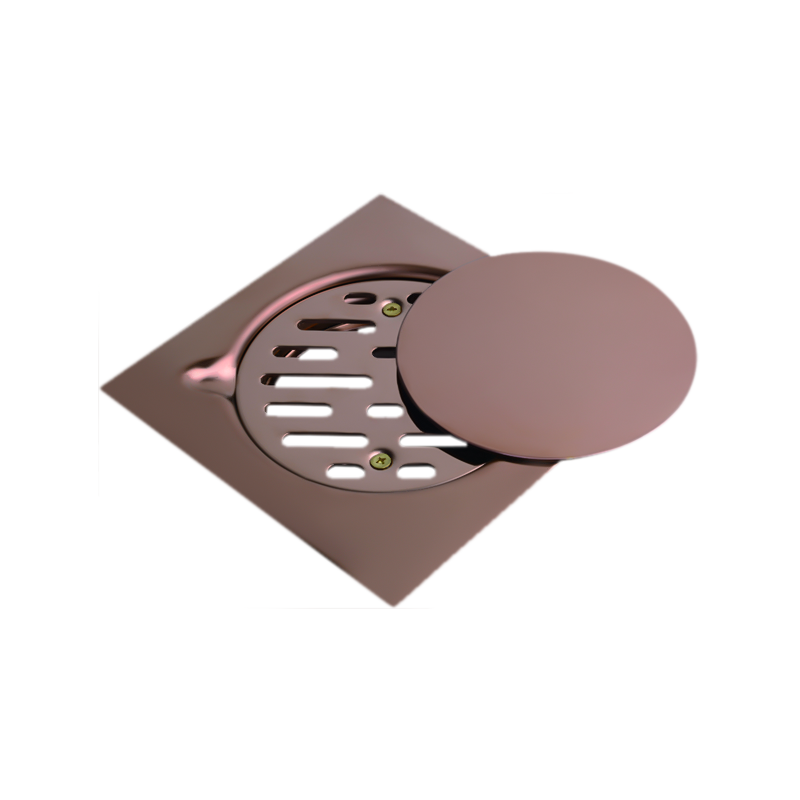
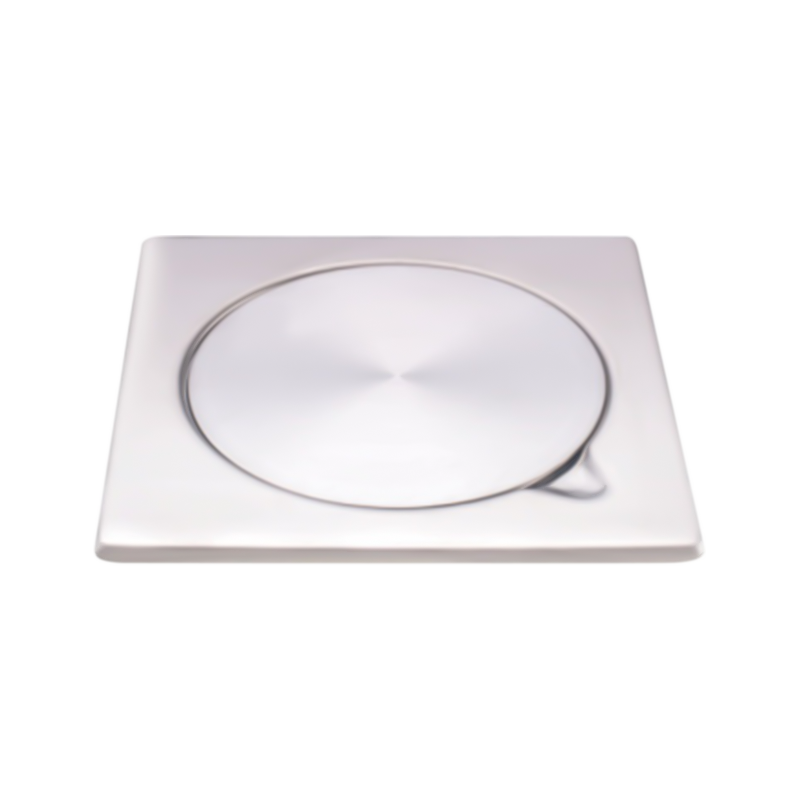
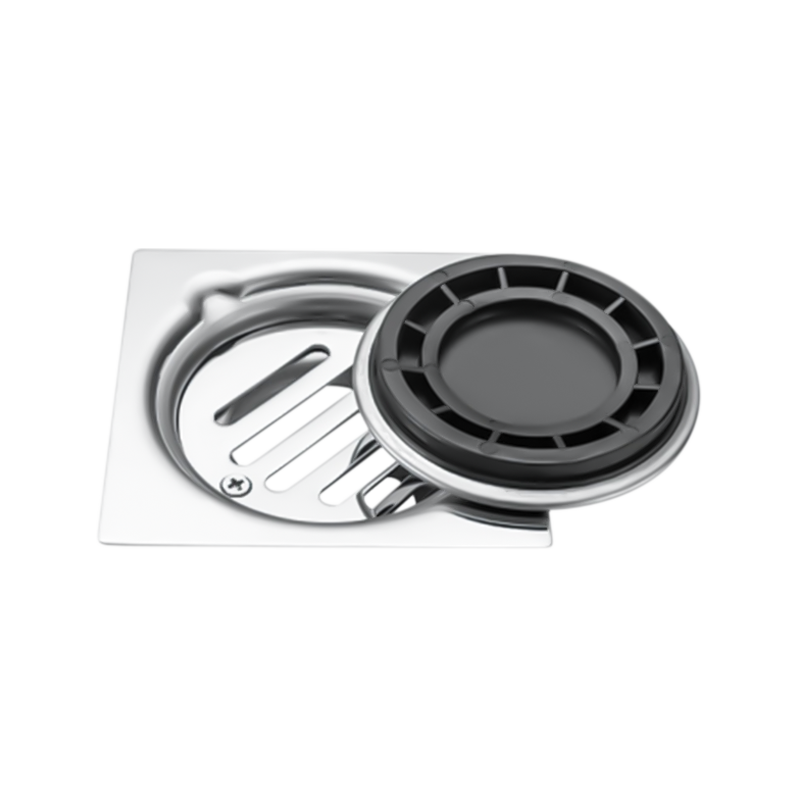
These stainless steel shower drain covers live in constant contact with water, soap, and random bits of debris, so a few smart features make them last. The stainless steel itself fights corrosion in damp spots, but the surface finish is what really decides how easily you can wipe off residue after every use. Designs have openings sized just right to let water through while catching hair and bigger particles before they head down the pipe.
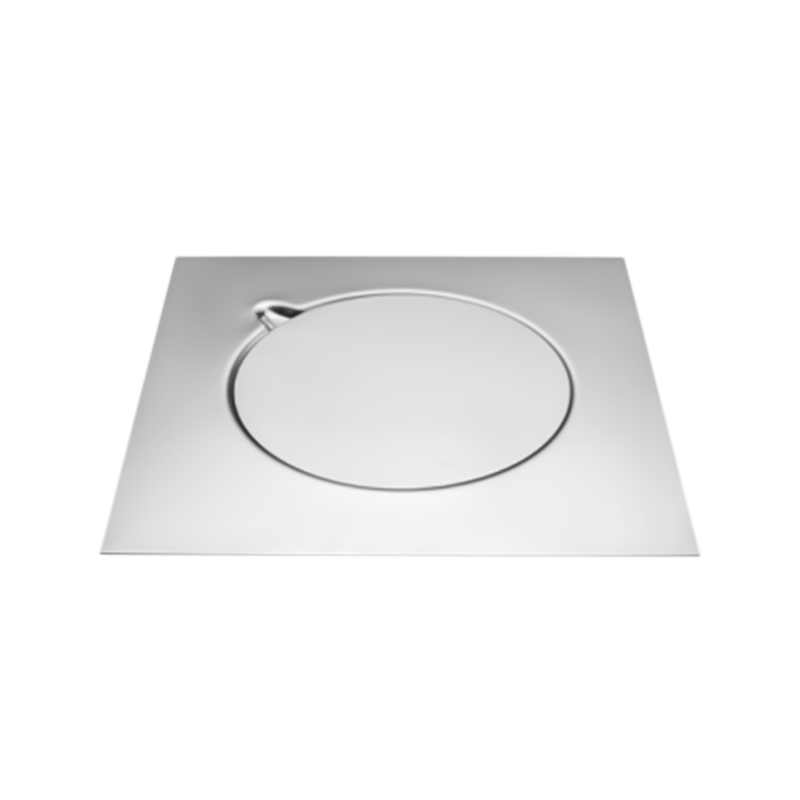
The overall shape and edge design also matter a lot for how the cover sits against the shower base. Rounded edges or slightly beveled sides cut down on water pooling at the perimeter and help the cover stay level over time. Some versions have a grate that lifts right out, making it super simple to clean underneath without pulling the whole thing off.
Weight and stability count in everyday use too. A cover that stays put without shifting when someone steps on it or when water pressure changes keeps drainage consistent. In showers with a gentle slope, features that line up with that angle help water move evenly toward the openings instead of collecting in one spot.
Homeowners and contractors who've tested these under real conditions always mention that easy-to-clean surfaces and a solid fit make a noticeable difference during regular wipe-downs. Comparing features built for wet areas versus lighter household use shows the difference right away. In the end, these details work together: a stainless steel shower drain cover that handles moisture day in and day out and stays securely in place supports the kind of routine bathrooms actually follow.
A little regular attention to your stainless steel shower drain cover goes a long way toward keeping water moving and the bathroom looking fresh. Wet areas mean nonstop exposure to moisture and residues, so quick daily or weekly habits stop buildup that can slow things down or leave a faint odor. A fast rinse after each shower clears loose hair and soap film before it settles into the openings.
Maintenance also ties into keeping the whole space clean. When the cover lifts out easily, you can get underneath for a deeper clean without grabbing extra tools. Checking the edges and any screw points every couple of weeks catches small shifts before they mess with how the cover sits. In households with multiple people, one shared routine makes it easier for everyone to stick to the same steps.
After cleaning, let the cover air dry completely before putting it back—that keeps trapped moisture from causing surface spots. A lot of bathrooms keep a small brush or soft cloth right by the shower so the quick wipe becomes part of the normal end-of-shower habit. Over months, these little steps cut down on the need for any bigger service work. From what we've seen in real bathrooms, setups with consistent care keep drainage steady and surfaces looking clearer. The same stainless steel shower drain cover keeps handling daily water flow without that gradual slowdown from skipped maintenance. We talk about these routines with buyers because they match exactly how these covers are built for wet-area use.
A quick monthly check—looking at the openings, edges, and fit—spots any patterns early. Homeowners who build this into their cleaning schedule say they run into fewer issues even in heavy-use showers. When maintenance feels like part of the regular bathroom flow, it helps the cover deliver the performance it's supposed to. Tips for Installing Stainless Steel Shower Drain Covers Properly Getting the installation right makes a huge difference in how well the stainless steel shower drain cover sits and how long it stays put. Start by prepping the area: clear any old debris from the drain opening and make sure the surrounding floor is level and clean. A dry surface helps the new cover make full contact and cuts down on gaps where water could sneak underneath. Then line up the cover carefully with the drain opening. In sloped-base showers, position it so the openings follow the natural water flow instead of fighting it. Use the fasteners or clips that come with it and tighten them evenly so the grate sits flush without rocking. A thin bead of plumber's putty or silicone around the outer edge creates a good seal to keep water where it belongs—just don't overdo it or you'll end up with buildup later.
For tile or stone floors, test the fit before final placement. The cover should sit at or just below the surface so feet don't catch on the edges. If there's a liner or membrane under the shower base, be careful not to disturb it. After the few showers, do a quick check to confirm water drains cleanly and nothing pools at the perimeter. Safety steps fit right into the process: turn off the water supply if needed and make sure you've got stable footing. Teams that follow a short checklist—measure twice, clean the base, align carefully, and test the flow—usually finish with fewer callbacks. Buyers who use these steps during install say the cover blends into the bathroom smoothly from day one. Which Stainless Steel Shower Drain Cover Options Fit Different Shower Styles Stainless steel shower drain covers can match different shower styles just by choosing the right shape and layout. North European or light-toned bathrooms usually pair nicely with round covers that soften the look and fit naturally into curved or compact bases. Walk-in showers and those with glass doors tend to favor covers that sit flush and stay secure under foot traffic. Some buyers ask for grouped shipments that include the main covers plus any accessories so the install team gets everything at once. From what we see across different home setups, crews and homeowners really like covers that adapt to the actual shower rhythm. Lots of buyers want to chat about layout ideas or simple tweaks that help the covers stay in place longer.
These conversations often cover aligning the grate with existing tile lines or setting up a quick cleaning station nearby. We treat every question as a chance to make sure the product fits your actual bathroom, which cuts down on surprises once everything's installed and in daily use. Teams and homeowners who keep notes on their questions and answers find it handy to pull them up later during remodel meetings or routine checks. It keeps everything focused on practical results and the steady performance you expect from the covers. Stainless steel shower drain covers are just a regular part of making a bathroom work right, and the six areas we covered here hit the points that matter to homeowners and renovation teams. From matching the right one to your setup and checking features that support daily use, to building simple maintenance habits and using practical install tips, each section shares real observations from actual bathrooms. The part on how manufacturers handle buyer questions wraps it up by showing how straightforward conversations get the covers aligned with what you really need. We pulled these notes together from patterns we've seen across residential and renovation projects.
The info is meant to be a no-nonsense reference for reviewing what you already have or planning replacements—nothing promotional. Buyers who keep these considerations in mind usually find the covers fit more smoothly and need fewer tweaks once they're in place. We can talk through the requirements and share general insights from the manufacturing side. The points in this guide make a solid starting place for planning reviews or installation steps. Keep this handy so you can check it whenever questions about selection, care, or daily use come up. It's all about helping the shower area keep its normal flow through daily routines and longer-term use.


 Add: No 3 District Xiaowufen Industrial Zone, Pengjie Town, Luqiao District, Taizhou City, Zhejiang Province, China.
 Tel: +86-576-89203599
 Fax: +86-576-89203598
 Email: [email protected],[email protected],[email protected]
Copyright © Taizhou Shenzhou Sanitary Ware Co., Ltd. All Rights Reserved.


 عربى
عربى 0
0
