Bathrooms and kitchens are two spaces in a building that deal with water every day. Water is not only used for washing or cooking, it also needs to be removed quickly and smoothly. When drainage is not stable, small problems can appear in daily use, such as slow water flow, unpleasant smell, or cleaning difficulty.
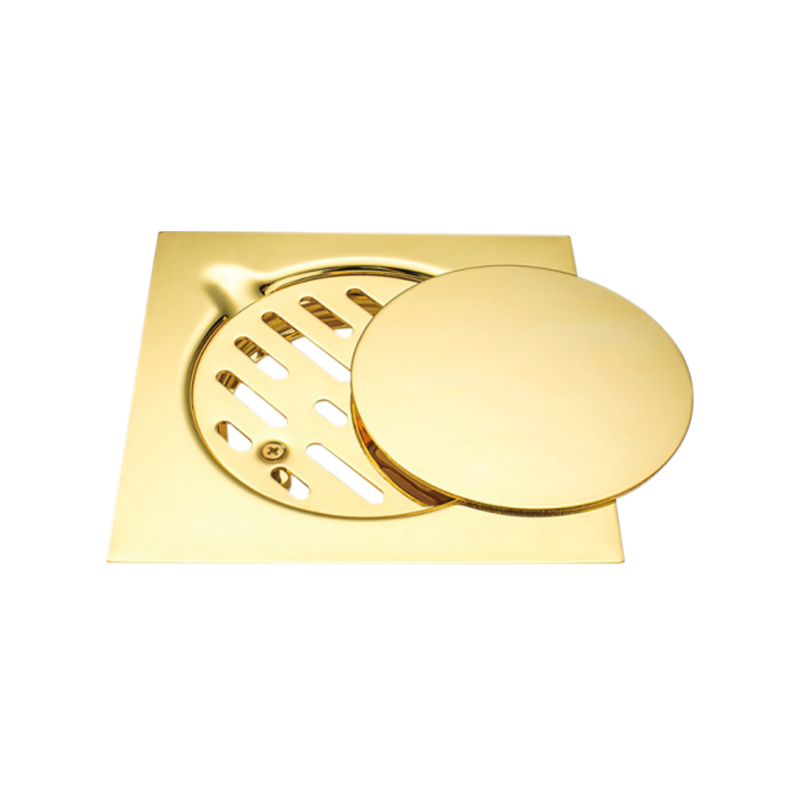
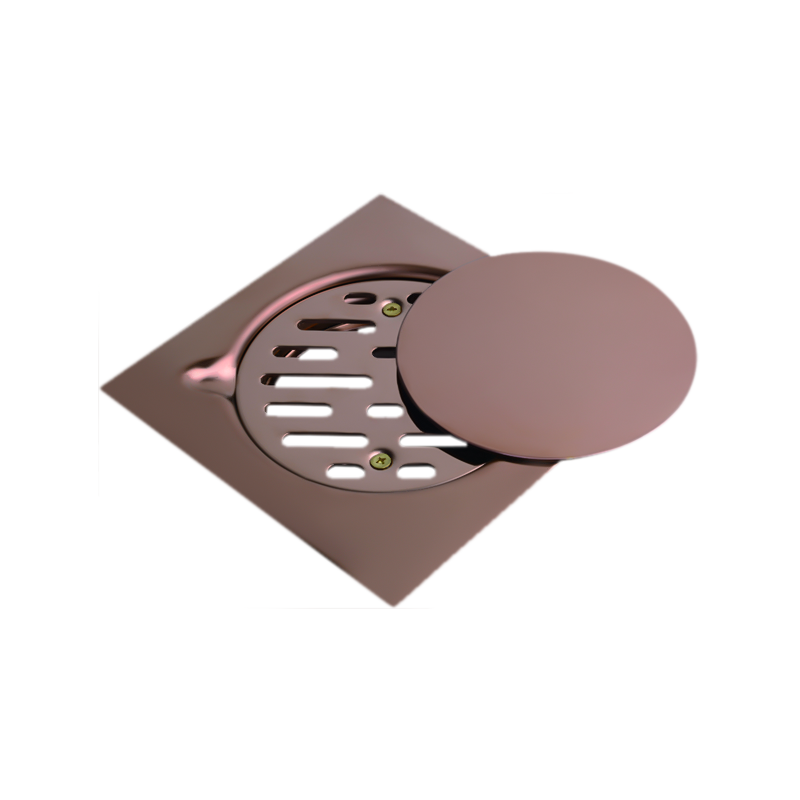
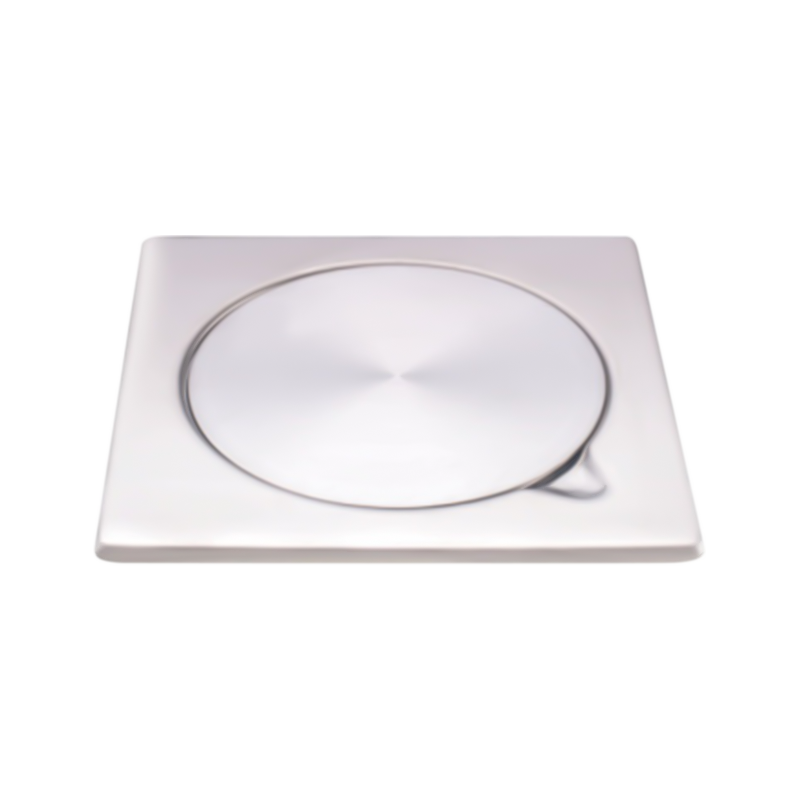
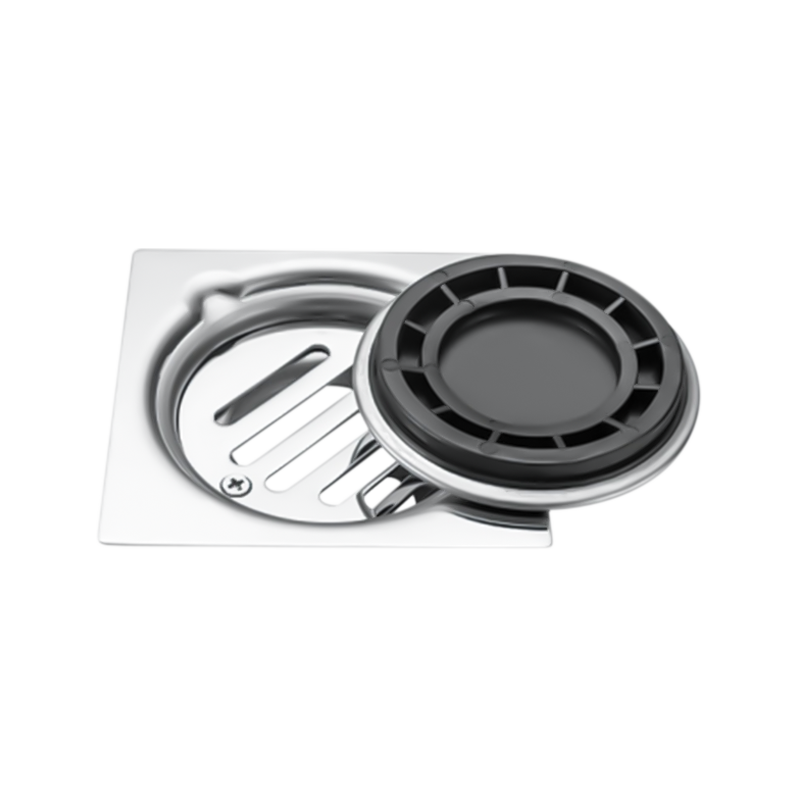
In many places, people often notice a shift from plastic drainage parts to metal ones. Among them, Floor Drain SS 304 is commonly chosen in these wet environments. The reason is not only about appearance, but more about how the material behaves during long term use in water exposed conditions.
In daily life, water is constantly moving through bathrooms and kitchens. These areas are cleaned often, washed repeatedly, and exposed to soap, oil, and moisture throughout the day.
A drainage system in these spaces is expected to do a simple job, but it must work without interruption. When water stays on the floor even for a short time, it affects comfort and cleanliness.
In practical use, drainage systems need to:
Because of these conditions, material choice becomes an important part of drainage design.
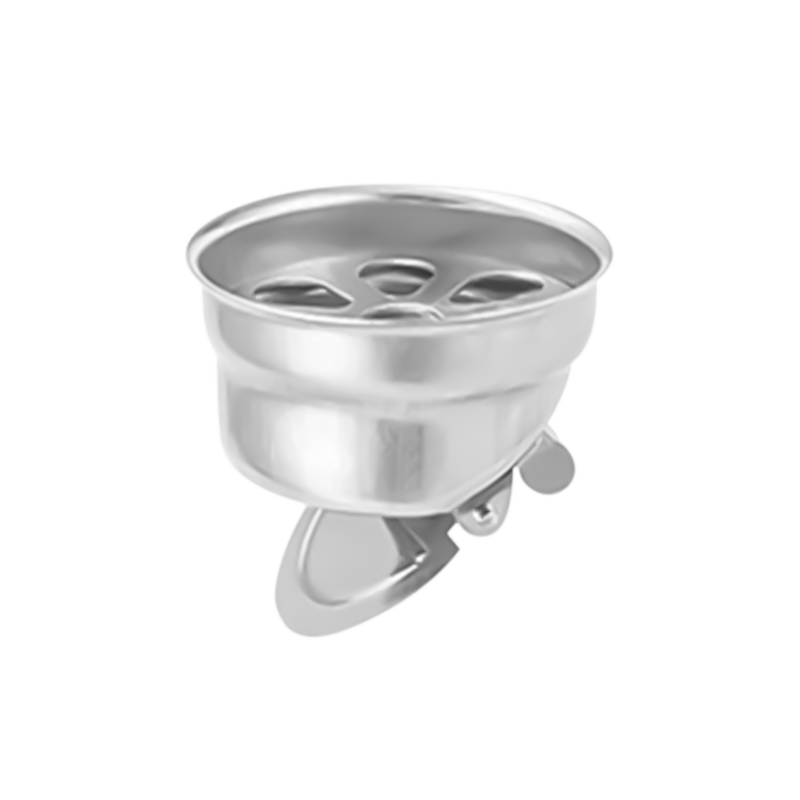
Plastic drains are often lightweight and easy to install, while metal drains feel more solid in structure. The difference becomes clearer over time rather than at the beginning of use.
In daily conditions:
These differences are not always visible at first, but they become more noticeable after repeated cleaning cycles and long term water contact.
Bathrooms and kitchens are not dry environments. Water, steam, soap, and residue are always present. This means drainage parts are constantly exposed to changing conditions.
Material choice affects:
A Floor Drain SS 304 is often selected because its surface structure tends to stay stable in wet and frequently cleaned spaces.
In real use, bathrooms and kitchens rarely stay dry. Water flow is repeated many times a day, especially in busy households or shared spaces.
In these conditions, SS 304 material usually behaves in a steady way:
This stability is one reason it is often used in wet area drainage design.
Plastic drains are commonly used in simple setups, but in long term wet environments, some limitations may appear.
In daily operation, possible issues include:
These issues usually develop slowly, not immediately. At first, performance may seem similar, but differences become clearer over time.
Water flow in bathrooms and kitchens depends on both slope and drainage structure. If the drain does not handle water smoothly, small blockages or slow flow may appear.
With SS 304 drainage parts, stability comes from:
This helps keep water movement more consistent in daily cleaning routines.
Hygiene is one of the main concerns in wet areas. Water alone is not the only factor; soap, grease, and organic residue also pass through drainage systems.
A clean drainage system helps:
Because of this, material surfaces that are easier to rinse and clean are often preferred.
Daily cleaning in bathrooms and kitchens is simple but repeated. Drainage parts need to respond well to this routine without requiring complicated care.
In practical use:
This makes it easier to keep drainage areas in normal working condition.
Bathrooms and kitchens are two spaces in a building that deal with water every day. Water is not only used for washing or cooking, it also needs to be removed quickly and smoothly. When drainage is not stable, small problems can appear in daily use, such as slow water flow, unpleasant smell, or cleaning difficulty.
In many places, people often notice a shift from plastic drainage parts to metal ones. Among them, Floor Drain SS 304 is commonly chosen in these wet environments. The reason is not only about appearance, but more about how the material behaves during long term use in water exposed conditions.
In daily life, water is constantly moving through bathrooms and kitchens. These areas are cleaned often, washed repeatedly, and exposed to soap, oil, and moisture throughout the day.
A drainage system in these spaces is expected to do a simple job, but it must work without interruption. When water stays on the floor even for a short time, it affects comfort and cleanliness.
In practical use, drainage systems need to:
Because of these conditions, material choice becomes an important part of drainage design.
Plastic drains are often lightweight and easy to install, while metal drains feel more solid in structure. The difference becomes clearer over time rather than at the beginning of use.
In daily conditions:
These differences are not always visible at first, but they become more noticeable after repeated cleaning cycles and long term water contact.
Bathrooms and kitchens are not dry environments. Water, steam, soap, and residue are always present. This means drainage parts are constantly exposed to changing conditions.
Material choice affects:
A Floor Drain SS 304 is often selected because its surface structure tends to stay stable in wet and frequently cleaned spaces.
In real use, bathrooms and kitchens rarely stay dry. Water flow is repeated many times a day, especially in busy households or shared spaces.
In these conditions, SS 304 material usually behaves in a steady way:
This stability is one reason it is often used in wet area drainage design.
Plastic drains are commonly used in simple setups, but in long term wet environments, some limitations may appear.
In daily operation, possible issues include:
These issues usually develop slowly, not immediately. At first, performance may seem similar, but differences become clearer over time.
Water flow in bathrooms and kitchens depends on both slope and drainage structure. If the drain does not handle water smoothly, small blockages or slow flow may appear.
With SS 304 drainage parts, stability comes from:
This helps keep water movement more consistent in daily cleaning routines.
Hygiene is one of the main concerns in wet areas. Water alone is not the only factor; soap, grease, and organic residue also pass through drainage systems.
A clean drainage system helps:
Because of this, material surfaces that are easier to rinse and clean are often preferred.
Daily cleaning in bathrooms and kitchens is simple but repeated. Drainage parts need to respond well to this routine without requiring complicated care.
In practical use:
This makes it easier to keep drainage areas in normal working condition.
| Aspect | Plastic Drain | Floor Drain SS 304 |
|---|---|---|
| Heat reaction | May soften or change shape | Remains stable in normal use |
| Surface wear | Appears faster in daily cleaning | More steady over time |
| Odor control | Can retain smell in some cases | Easier to rinse clean |
| Cleaning effort | May need more frequent attention | More stable cleaning behavior |
| Structure stability | Can change under long use | Keeps form in wet conditions |
They are also part of how a space stays clean, safe, and comfortable in daily use. Bathrooms and kitchens both deal with water constantly, but the type of water and residue is not the same. This difference is one reason material choice becomes important when selecting a Floor Drain SS 304 compared with plastic alternatives.
Kitchens deal with a more mixed flow of waste compared to bathrooms. Water is often combined with oil, food particles, and cleaning liquids. Over time, this creates a more challenging environment for drainage parts.
In daily kitchen use, drainage systems often need to handle:
In such conditions, drainage parts are expected to stay stable and not easily retain residue. A Floor Drain SS 304 is often chosen because its surface behavior tends to remain more consistent under repeated exposure to these elements.
Plastic materials, in comparison, may gradually hold onto grease or develop surface changes that make cleaning slightly more frequent.
Bathrooms are different from kitchens because the water is usually cleaner, but the exposure is more constant. Steam, humidity, and repeated washing create a continuous wet environment.
In long term use:
The difference is not immediate, but becomes more visible after repeated daily cycles of use and cleaning.
Even a well chosen drain material depends on correct installation. In real projects, small positioning details can influence how water flows and how the drain performs over time.
Important installation points include:
If installation is uneven, water may pool in certain areas even when the drain itself works properly. This applies to both plastic drains and Floor Drain SS 304, but metal structures often provide more stable positioning during installation.
Drain design is not only about shape, but also about how water enters and moves through the system. Small structural differences can affect cleaning and flow behavior.
Common design elements include:
In daily use, these details affect how often cleaning is needed and how easily water moves through the system.
Maintenance in bathrooms and kitchens is usually simple but repetitive. Small habits can help keep drainage working smoothly without interruption.
Practical maintenance steps include:
A Floor Drain SS 304 generally responds well to these simple routines, as its surface does not easily trap residue compared with some plastic materials.
Not all bathrooms and kitchens are used in the same way. Some spaces have light usage, while others deal with constant water flow and cleaning cycles.
In different environments:
Because of these differences, material selection is usually based on expected daily conditions rather than appearance alone.
In recent building planning, more attention is given to long term stability and easier maintenance in wet areas. Drainage is part of that planning because it directly affects cleanliness and comfort.
The use of Floor Drain SS 304 is often connected to:
Plastic drains still exist in many setups, but in places where water exposure is frequent and cleaning is regular, stainless steel options are often considered more suitable for stable long term use.
Bathrooms and kitchens share a common requirement: water must be removed quickly and reliably every day. While plastic drainage parts can work in simple conditions, long term exposure to moisture, grease, and cleaning cycles often reveals their limitations.
A Floor Drain SS 304 is chosen in many cases because it stays more stable under repeated use, handles cleaning cycles more smoothly, and fits better into environments where hygiene and steady water flow are part of daily life.
The decision is less about appearance and more about how the material behaves after continuous exposure to real working conditions inside homes and commercial spaces.


 Add: No 3 District Xiaowufen Industrial Zone, Pengjie Town, Luqiao District, Taizhou City, Zhejiang Province, China.
 Tel: +86-576-89203599
 Fax: +86-576-89203598
 Email: [email protected],[email protected],[email protected]
Copyright © Taizhou Shenzhou Sanitary Ware Co., Ltd. All Rights Reserved.


 عربى
عربى 0
0
