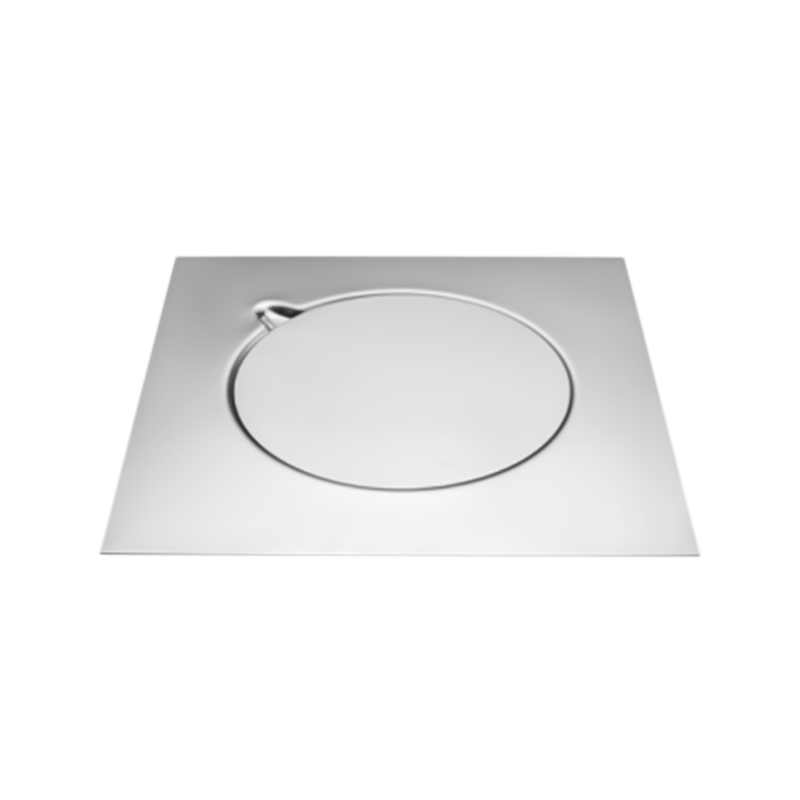
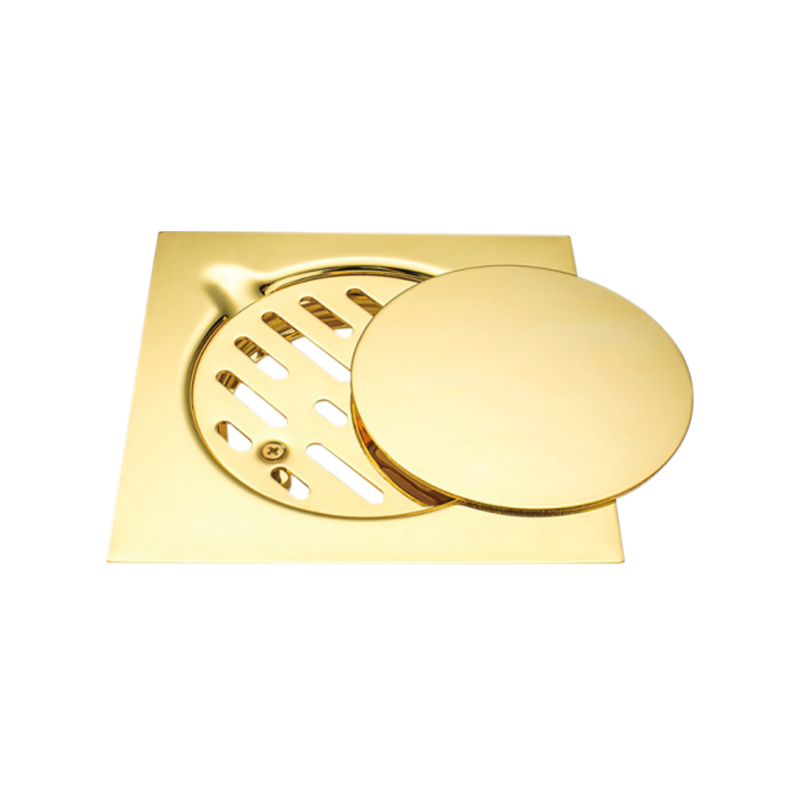
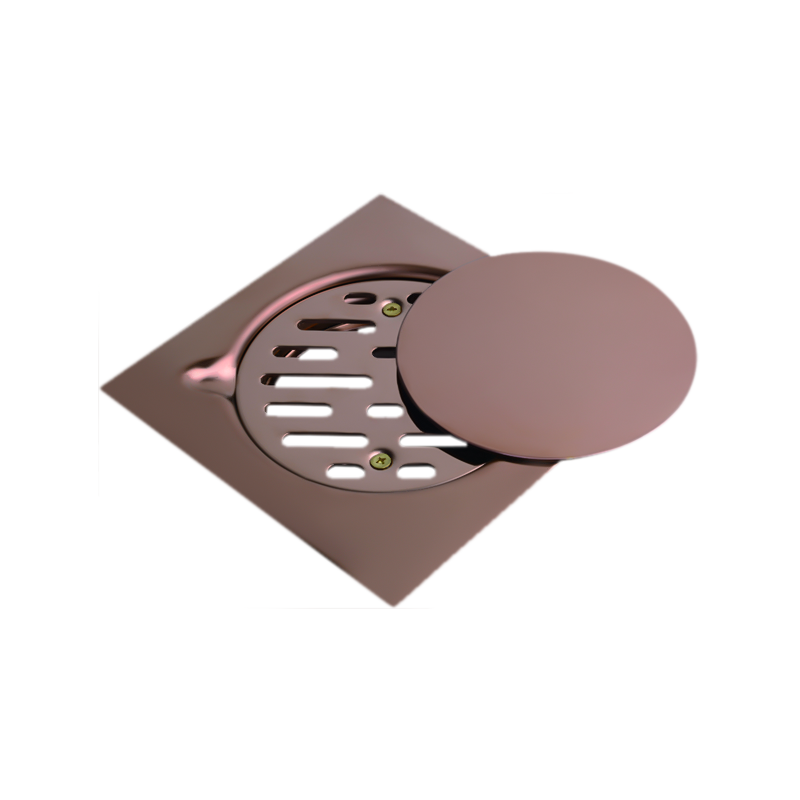
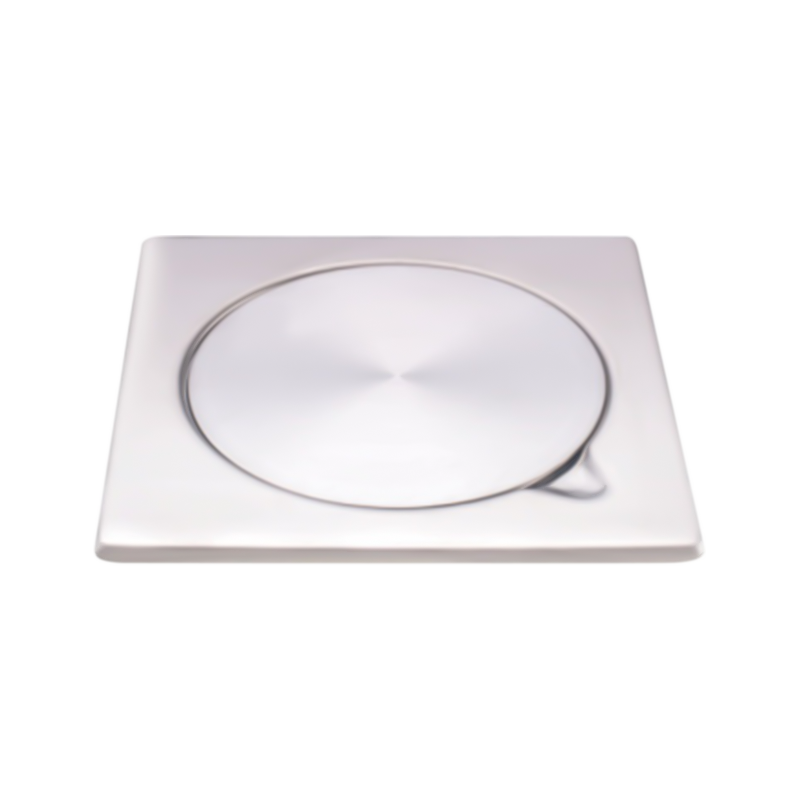
Floor drains have become a standard feature in modern residential bathrooms. The days of plain metal grates in the middle of the floor have given way to designs that blend with the surrounding tile. A Bathroom Tile Insert Drain sits flush with the floor surface, with tile covering the top flange. A Long Linear Floor Drain runs along one edge of the shower, capturing water across its entire length.
The thickness of the drain matters for several reasons. Thickness affects how the drain supports the tile. It influences how the drain integrates with the waterproofing layers. It determines whether the drain sits at the correct height relative to the finished floor. A drain that is too thin may not provide adequate support. A drain that is too thick may not fit within the available floor depth.
Renovation projects often have limited depth to work with. The existing subfloor, mortar bed, and tile all occupy space. Adding a drain that requires more depth than available creates problems. The thickness choice needs to fit within the overall floor assembly. That fit affects every aspect of the installation.
The relationship between thickness and performance shows up in several ways. A thicker drain body resists bending and deformation. When someone steps on the drain, the thickness distributes the load across a wider area. The drain stays in place without flexing.
The subfloor material influences the thickness needed. Wood subfloors have different structural properties than concrete. A drain installed in a wood-framed floor may need different thickness characteristics than one set in concrete. The support conditions affect how much thickness is required.
Tile type also matters. Large-format tiles behave differently than smaller mosaic tiles. The drain needs to support the tile edge without cracking or chipping. A Bathroom Tile Insert Drain must provide adequate support for whatever tile gets installed over it.
| Performance Factor | Effect of Greater Thickness | Effect of Lesser Thickness |
|---|---|---|
| Load resistance | Better distribution | Reduced capacity |
| Deformation resistance | Higher stiffness | Potential flexing |
| Tile edge support | More support area | Limited support |
| Installation height | Requires more depth | Fits shallow floors |
| Long-term stability | More stable | May shift over time |
Selecting the right thickness depends on the specific conditions of each installation. There is no single answer that works for every bathroom. The thickness choice needs to match the project requirements.
The drain in these areas needs to handle constant moisture. The thickness should support the tile while maintaining proper drainage slope. Shower drains often require specific thickness to integrate with the slope.
High-traffic areas see more foot traffic. Bathrooms that serve multiple family members experience more wear. The drain needs to handle the increased load without deforming. Greater thickness in these areas provides additional support.
The tile being installed affects the thickness decision. A Long Linear Floor Drain often gets installed with larger tile formats. The linear shape requires consistent support along its entire length. The thickness needs to accommodate the tile without creating high spots or low spots.
Stability matters for any drain, though tile insert drains face unique challenges. The tile sits directly on the drain flange. The tile must remain level with the surrounding floor. Any movement of the drain translates to movement of the tile.
Proper thickness provides the foundation for stability. A drain with adequate thickness resists the forces that cause movement. Foot traffic, settling of the building, and thermal expansion all create forces on the drain. Thickness helps the drain withstand those forces.
Deformation occurs when the drain flexes under load. A thin drain may bend slightly when stepped on. That bending transfers to the tile, which can crack or become loose. A drain with sufficient thickness does not bend. The tile stays in place.
Alignment with surrounding tile depends on stability. The drain flange needs to sit at the correct height relative to the subfloor. A stable drain maintains that height over time. A Bathroom Tile Insert Drain with proper thickness stays where it gets installed.
The transition from tile to drain needs to be smooth. The tile edge meets the drain flange, and the joint gets filled with grout. That transition area sees stress from foot traffic and thermal movement. Thickness affects how well the transition holds up.
Load distribution involves how forces spread through the tile and drain. A thicker drain distributes the load over a larger area. The force from someone stepping on the tile gets spread through the tile to the drain. The drain then transfers that force to the subfloor. A properly thick drain makes that transfer more effective.
Waterproofing layers sit between the subfloor and the tile. The drain needs to integrate with those layers. A Long Linear Floor Drain provides a continuous edge for the waterproofing to bond to. The thickness of the drain flange affects how that bonding occurs.
The finished appearance depends on proper integration. The tile should sit flush with the drain without gaps. The grout line should be consistent around the drain. Proper thickness helps achieve that appearance.
Getting the thickness right starts before the drain ever gets installed. The subfloor needs to be prepared properly. The framing needs to accommodate the drain body. The waterproofing layers need to integrate with the drain flange.
The subfloor should be level and structurally sound. Any movement in the subfloor transfers to the drain. A drain installed on a flexible subfloor may shift over time. The thickness of the drain cannot compensate for a poor subfloor. The preparation work matters as much as the drain selection.
The drain gets secured to the subfloor or to the framing. A Long Linear Floor Drain often requires blocking between floor joists. The blocking provides a solid surface for the drain to attach to. The attachment needs to hold the drain in position during tile installation and beyond.
Tile setting around the drain requires attention. The tile needs to sit flush with the drain flange. The mortar bed thickness needs to match the drain height. The tile installer works around the drain, cutting tiles to fit the space. A Bathroom Tile Insert Drain requires precise tile cutting for a clean fit.
Choosing the wrong thickness creates problems that may not appear immediately. Some issues show up during installation. Others develop over months or years of use.
During installation, a drain that is too thick may sit above the finished floor level. The tile cannot sit flush because the drain sticks up too high. The installer may try to adjust the mortar bed thickness to compensate. That adjustment can create other problems with slope and drainage.
A drain that is too thin sits below the floor level. The tile overhangs the drain flange. That overhang leaves the tile edge unsupported. The unsupported edge can chip or crack under foot traffic. The grout around the overhang may fail because there is nothing underneath to support it.
Over time, incorrect thickness leads to more serious issues. The drain may shift or settle. The waterproofing may separate from the drain flange. Water may find its way through gaps in the tile-to-drain transition. The problems that start with thickness become problems that affect the whole bathroom.
| Issue | Too Thick | Too Thin |
|---|---|---|
| Drain height | Above finished floor | Below finished floor |
| Tile support | Drain too high | Tile overhangs |
| Grout joint | Inconsistent thickness | No support underneath |
| Waterproofing | May not reach flange | May not bond properly |
| Long-term result | Trip hazard | Tile edge damage |
Fixing thickness problems depends on when the problem gets discovered. During installation, adjustments can still be made. After the tile gets set, corrections become more difficult.
If the drain sits too high, the installer may need to remove the drain and adjust the subfloor. That means cutting out the existing installation and starting over. The delay adds time to the project, though the result will be correct.
If the drain sits too low, the tile installer may need to build up the mortar bed around the drain. The tile gets set at the correct height relative to the drain. The mortar bed thickness varies to accommodate the difference.
The easier approach is to avoid the problem from the start. Confirming the drain thickness before installation prevents the need for corrections. The installer should measure the available depth and select a drain that fits. A Long Linear Floor Drain manufacturer provides specifications that show the required depth.
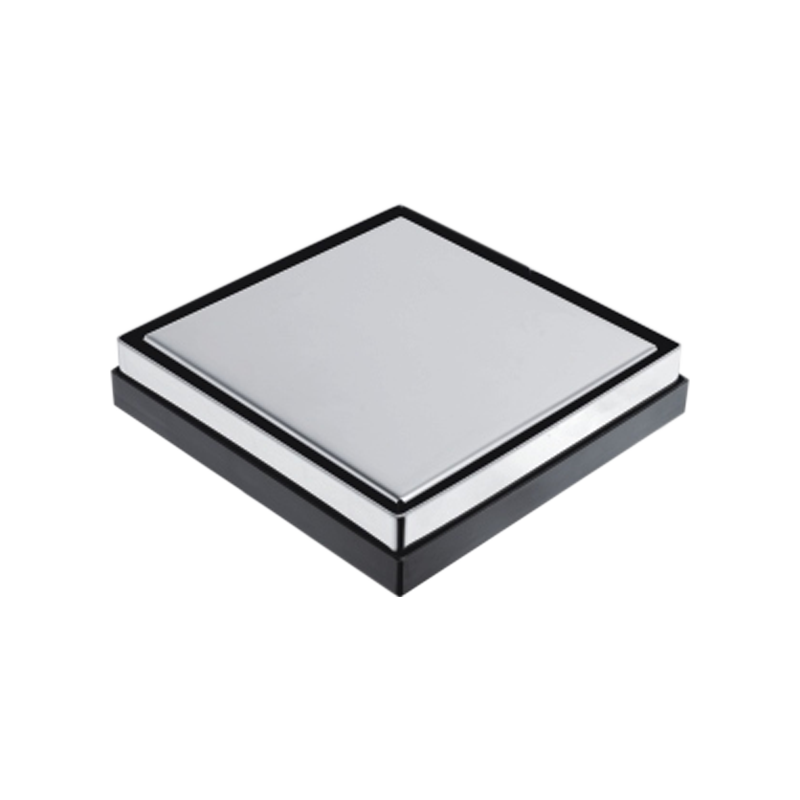
The thickness of the drain affects more than just the drain itself. The whole bathroom functions differently based on that one decision. The slope of the floor, the waterproofing, and the tile all interact with the drain thickness.
Slope design depends on the drain location. A center drain requires slope from all sides toward the center. A linear drain requires slope from one direction toward the wall. A Long Linear Floor Drain allows the slope to be simpler and more consistent. The thickness of the linear drain needs to integrate with that slope.
Water flow depends on the drainage system. Water needs to move from the floor into the drain without pooling. The thickness of the drain affects where that low point sits relative to the floor.
Long-term durability depends on the whole system working together. A well-designed bathroom lasts for many years. The drain thickness contributes to that durability. A Bathroom Tile Insert Drain with appropriate thickness supports the tile and maintains the waterproofing for the long haul.
Several factors come together in the final thickness decision. The renovator needs to consider all of them before making a purchase.
The available floor depth often provides the starting point. Bathroom floors have limited space between the subfloor and the finished surface. The drain needs to fit within that space. The thickness of the drain affects how much space remains for other components.
The tile being installed affects the thickness decision. Thin tiles require less support at the edge. Thick tiles need more support because they carry more weight. The drain thickness should match the tile thickness being used.
The location of the drain matters. Shower drains experience more water exposure than floor drains. The thickness should be adequate for the location. A Long Linear Floor Drain in a shower may need different thickness than a small drain in a powder room.
The expected traffic in the bathroom influences the decision. A bathroom that sees heavy use needs more durability. The drain thickness contributes to that durability. Heavier traffic may justify greater thickness.
The cost of the drain should be reasonable for the project. Thicker drains often cost more, though the additional cost may be justified for better performance. The selection should balance performance with cost.

 Add: No 3 District Xiaowufen Industrial Zone, Pengjie Town, Luqiao District, Taizhou City, Zhejiang Province, China.
 Tel: +86-576-89203599
 Fax: +86-576-89203598
 Email: [email protected],[email protected],[email protected]
Copyright © Taizhou Shenzhou Sanitary Ware Co., Ltd. All Rights Reserved.


 عربى
عربى 0
0
