Production direction inside a Stainless Steel Floor Drain Factory often grows from real installation needs rather than fixed design rules. Drain systems used in bathrooms, wet rooms, or mixed flooring environments require different structural responses, so factory planning usually follows how water behaves in real space rather than abstract design ideas.
Work begins from drainage flow and how water enters and exits a surface area. That simple movement affects how internal channels are shaped and how outer covers are formed. In many cases, factory design is not only about making a metal component, it is also about matching floor structure and water movement inside compact spaces.
Bathroom environments introduce another layer of variation. Tile height, slope direction, and installation depth all influence how drain structure is formed. A Shower Floor Drain Factory often adjusts production logic to match these differences, since one fixed structure rarely fits every layout.
Material choice influences almost every stage of production. Stainless steel is commonly used because it reacts in a stable way under long exposure to moisture and cleaning agents. Inside a Stainless Steel Floor Drain Factory, material handling becomes part of early planning, not only final assembly.
Different surface treatments also change final behavior. Some finishes focus on reducing visible marks after water contact, while others aim to maintain a neutral surface appearance under repeated use. These decisions usually come from expected usage conditions rather than visual preference alone.
Material selection also connects with structural stability. A drainage component must hold shape under pressure from flooring layers above it, so thickness and forming method are chosen with long-term balance in mind.
Drain structure changes depending on where it will be installed. A Bathroom Shower Floor Drain used in small enclosed spaces often follows a simpler internal path, while larger wet areas may require broader water entry channels.
Flow direction inside the product determines how quickly water leaves the surface. When structure is too narrow, accumulation may appear. When structure is too open, surface balance may become unstable. Factory design sits between these two conditions, adjusting internal space to match usage flow.
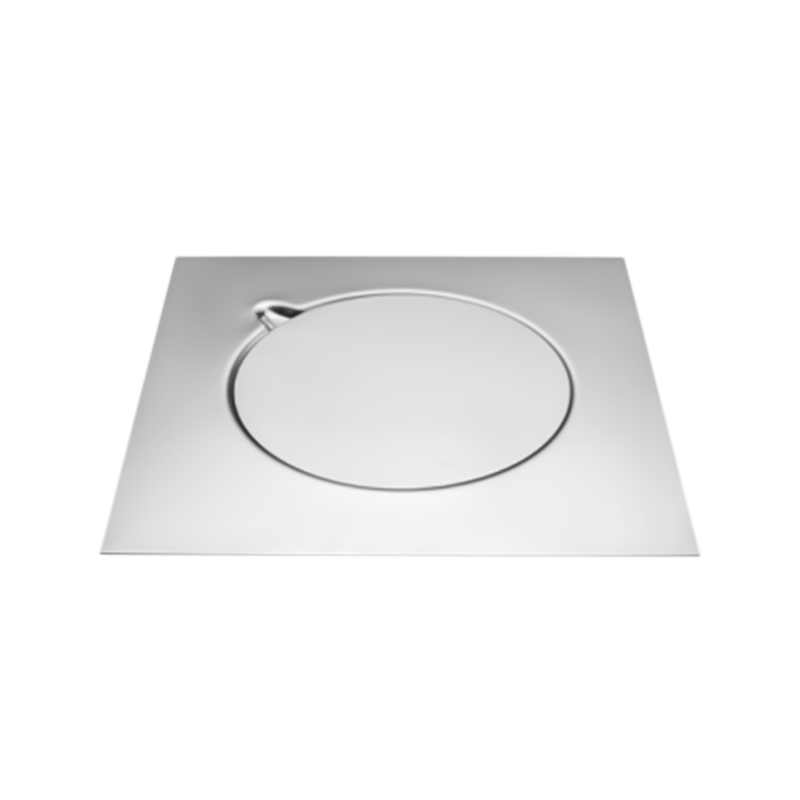
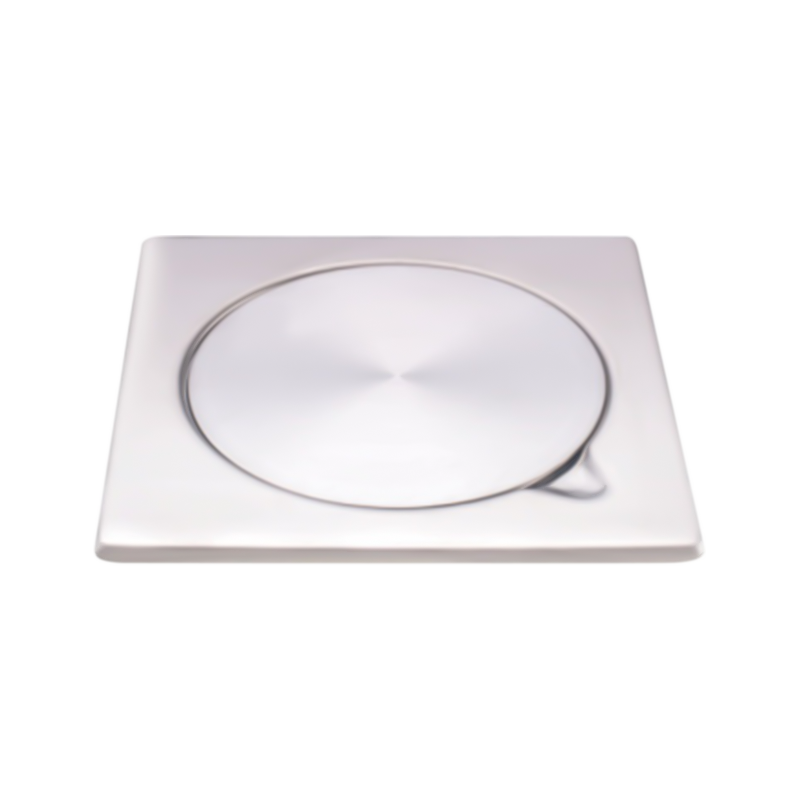
Invisible Shower Floor Drain design follows another approach. Instead of exposing the drainage surface, external appearance blends into flooring material. Internal structure remains similar in function, yet outer presentation changes how it fits into bathroom design.
| Drain Type | Surface Style | Internal Flow Path | Installation Behavior |
|---|---|---|---|
| Bathroom Shower Floor Drain | Visible cover surface | Direct downward channel | Standard floor integration |
| Modern Shower Floor Drain | Refined surface finish | Controlled flow path | Flexible layout matching |
| Invisible Shower Floor Drain | Hidden surface integration | Compact internal channel | Blends with floor material |
Precision inside production directly affects how water moves through the system. Even small changes in forming accuracy can influence drainage speed or how evenly water spreads across the entry surface. A Modern Shower Floor Drain often depends on stable forming processes to maintain consistent internal alignment.
Cutting and shaping processes must align closely with installation requirements. If edges are uneven, fitting inside floor openings becomes more difficult, and sealing performance may shift during long-term use. That is why production control often focuses on maintaining uniform structure across multiple units.
Precision also connects with surface interaction. When metal edges are smooth, water entry becomes more stable, reducing uneven flow patterns during use. This effect is subtle, yet it influences overall drainage behavior in daily environments.
Installation compatibility shapes many design decisions inside a Stainless Steel Floor Drain Factory. Floor height, tile thickness, and surrounding structure all influence how the drain is positioned inside a room.
Bathroom construction often includes layered materials, and drainage components must fit within those layers without disrupting surface alignment. If installation depth is mismatched, water flow may be affected or surface leveling may become uneven.
A Bathroom Shower Floor Drain designed for flexible installation usually includes adjustable structure elements. These allow minor adaptation during fitting, helping align drainage entry with surrounding floor levels.
Water movement inside a shower space rarely stays uniform. Flow speed changes depending on surface slope, soap residue, and usage frequency. Inside a factory, functional design usually follows these natural changes rather than fixed theoretical flow patterns.
A stable drainage structure aims to guide water toward a central exit point without creating uneven pooling. That means internal channels must stay open enough for continuous flow, while still maintaining control so water does not move in unpredictable directions. Balance between openness and control becomes a key design direction.
Invisible Shower Floor Drain structures often use compact internal routing. External surface blends into flooring, while internal passage keeps water movement directed downward. Even when appearance becomes minimal, internal function still relies on steady flow guidance to avoid accumulation at surface level.
Long-term use also brings another factor into design thinking. Soap residue and fine particles may slowly affect flow movement, so internal geometry is shaped to reduce sudden blockage points and support smoother passage over time.
Maintenance behavior influences how a drain performs after installation. A Shower Floor Drain Factory usually considers cleaning access during early design stages, since internal buildup can affect water flow if structure is difficult to reach.
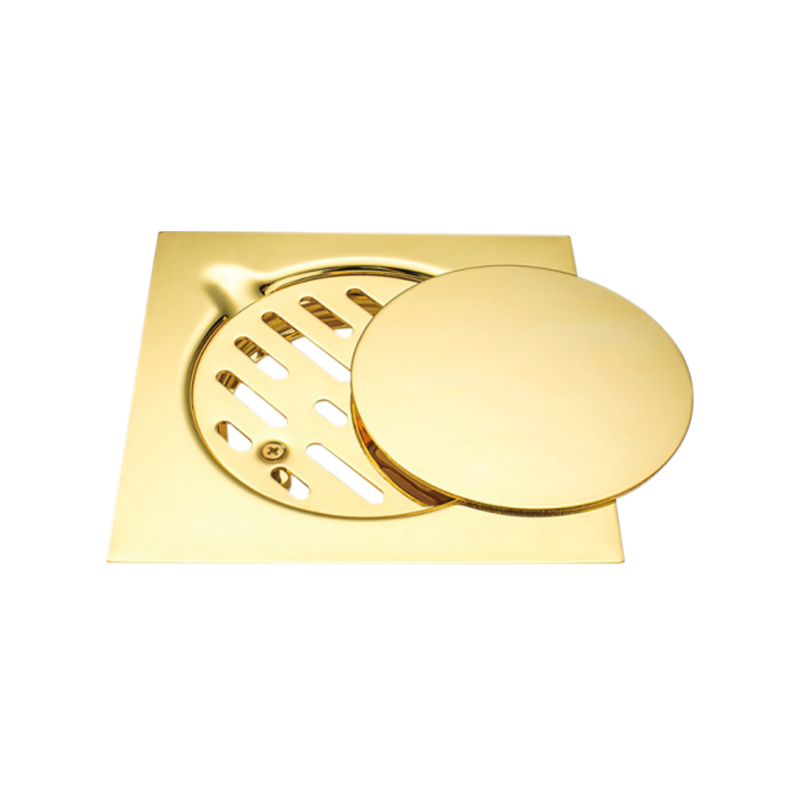
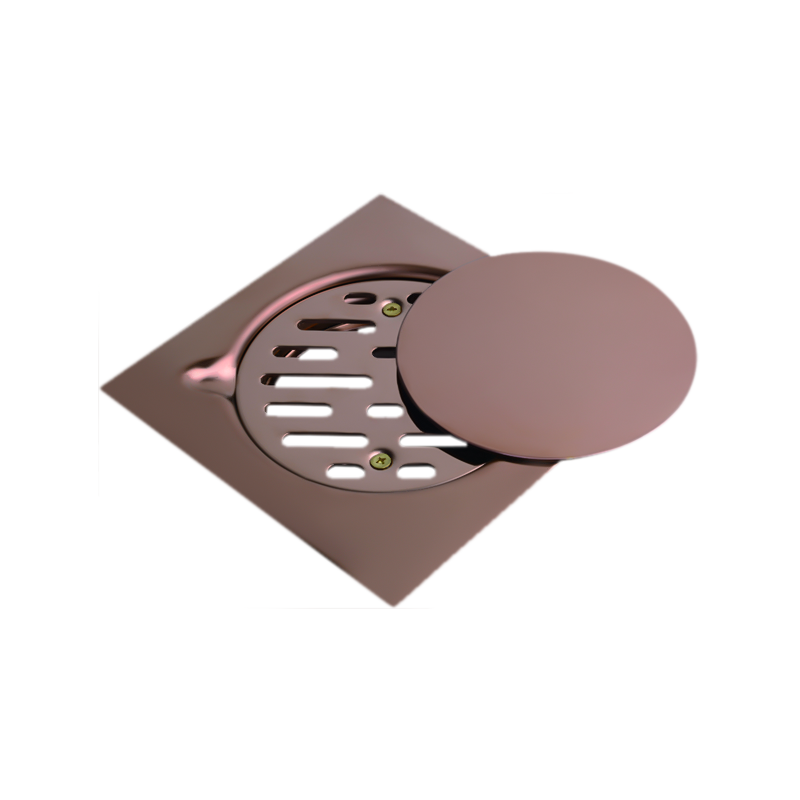
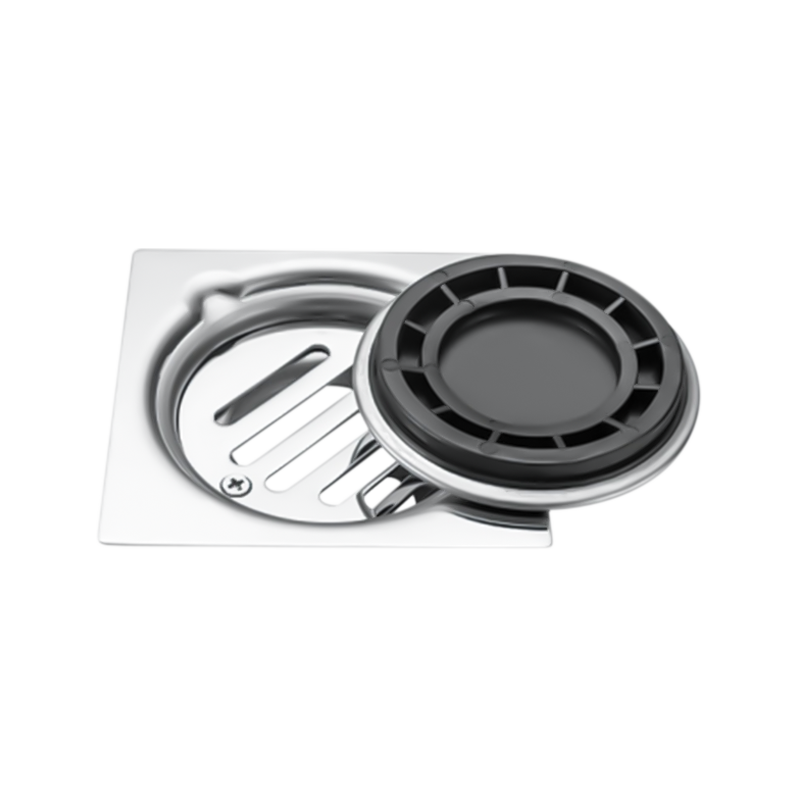
Removable cover design is one common approach. It allows access to inner channels without disturbing surrounding flooring. This makes routine cleaning more practical, especially in spaces with frequent water use.
Inside internal structure, open transition areas are often used to reduce tight corners where residue can collect. Smooth internal surfaces help maintain flow consistency even after repeated exposure to water and impurities.
Bathroom Shower Floor Drain systems often rely on this balance between sealed installation and accessible maintenance structure. Once installed, long-term usability depends not only on drainage speed, but also on how easily internal parts can be maintained.
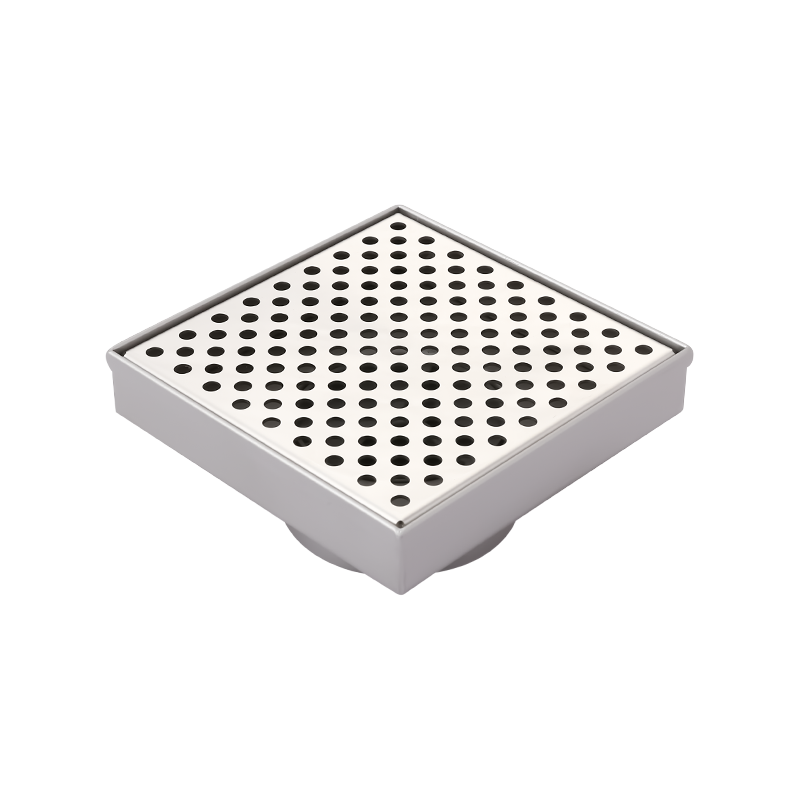
Different spaces create different drainage expectations. A residential bathroom usually has moderate water flow, while public or shared spaces may experience continuous usage cycles. These differences guide how a Factory adjusts internal structure and surface design.
Wet rooms with frequent water exposure require stronger flow consistency. That means internal channels are often shaped to handle repeated water entry without slow-down in performance. In contrast, lower-frequency environments may focus more on appearance integration with flooring material.
Invisible Shower Floor Drain systems often appear in spaces where visual simplicity is important. In these cases, drainage function remains central, but external presence is reduced to match floor design continuity.
| Usage Environment | Flow Demand Level | Structural Focus | Design Priority |
|---|---|---|---|
| Residential bathroom | Moderate | Balanced flow and maintenance | Surface integration |
| Shared wet space | Continuous | Stable drainage channel | Durability of flow path |
| Minimal visual space | Variable | Hidden internal routing | Invisible appearance design |
Factory production does not exist separately from installation reality. A Bathroom Shower Floor Drain must align with how bathroom floors are built, including slope direction, tile arrangement, and waterproof layers.
When planning bathroom space, drainage position often determines how water spreads across the surface. If placement is not aligned with slope direction, water may collect in unintended areas. For this reason, factory structure design often anticipates multiple installation patterns instead of a single fixed layout.
Modern Shower Floor Drain systems are often designed with flexible positioning in mind. That means internal structure can support different installation angles without losing drainage stability. This flexibility helps match varied bathroom layouts without requiring structural changes on-site.
Invisible Shower Floor Drain design adds another layer of connection between factory and bathroom planning. Since surface integration becomes part of flooring design, coordination between tile layout and drain placement becomes more important than visual separation.
Production logic inside a Factory is shaped by a combination of material behavior, structural stability, installation needs, and long-term maintenance conditions. Each factor influences how drainage systems are formed and adjusted during manufacturing.
Material provides structural base, ensuring stability in wet environments. Internal design shapes how water moves through the system. Installation compatibility ensures proper fitting into real floor conditions. Maintenance behavior supports long-term usability after installation.
When these elements work together, drainage systems become more aligned with real bathroom environments rather than isolated components. Shower Floor Drain Factory planning therefore follows a practical path, where each structural choice connects back to how water behaves in daily use rather than abstract design direction.
In many production approaches, focus remains on keeping structure simple enough for reliable flow, while still flexible enough to match different bathroom layouts. That balance defines how modern drainage systems are shaped inside factory environments.

 Add: No 3 District Xiaowufen Industrial Zone, Pengjie Town, Luqiao District, Taizhou City, Zhejiang Province, China.
 Tel: +86-576-89203599
 Fax: +86-576-89203598
 Email: [email protected],[email protected],[email protected]
Copyright © Taizhou Shenzhou Sanitary Ware Co., Ltd. All Rights Reserved.


 عربى
عربى 0
0
