Water reaches the floor in many ordinary situations throughout the day. A shower ends, a floor gets cleaned, laundry work is finished, equipment is rinsed, or a bucket is emptied. None of these activities seem unusual, yet they all create the same requirement: water needs somewhere to go.
Once water remains on a floor longer than expected, the surrounding environment begins to change. Dry surfaces become damp surfaces. Corners that normally receive little attention start holding moisture. Cleaning work often takes longer because water must be pushed toward a drainage point instead of flowing there naturally.
In residential spaces, prolonged moisture may appear around shower areas, utility rooms, and washing zones. Commercial environments face similar situations, although water may appear more frequently throughout the day because cleaning tasks occur repeatedly.
Good drainage rarely attracts attention when it works properly. Water simply disappears from the floor, leaving the space ready for the next activity. Problems become noticeable only after drainage slows down and moisture starts remaining where it was never intended to stay.
For that reason, floor drainage functions as a practical part of daily building operation rather than a hidden accessory placed beneath the floor surface.
A floor drain spends its working life in contact with moisture. Water passes through it every day. Cleaning solutions reach it regularly. Small particles carried by water move across its surface and into its internal structure.
Under those conditions, material characteristics become part of daily performance.
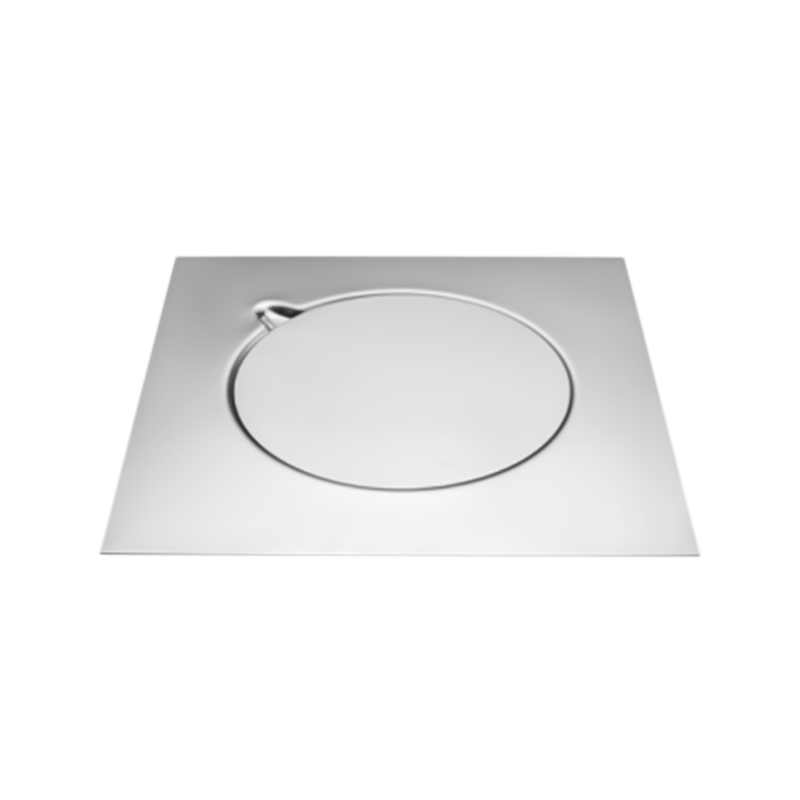
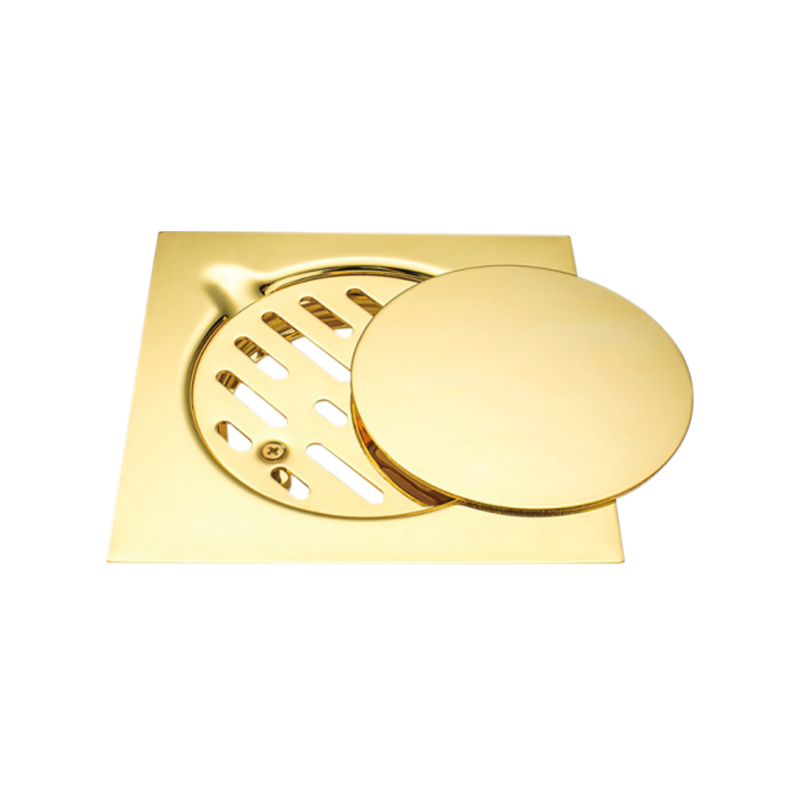
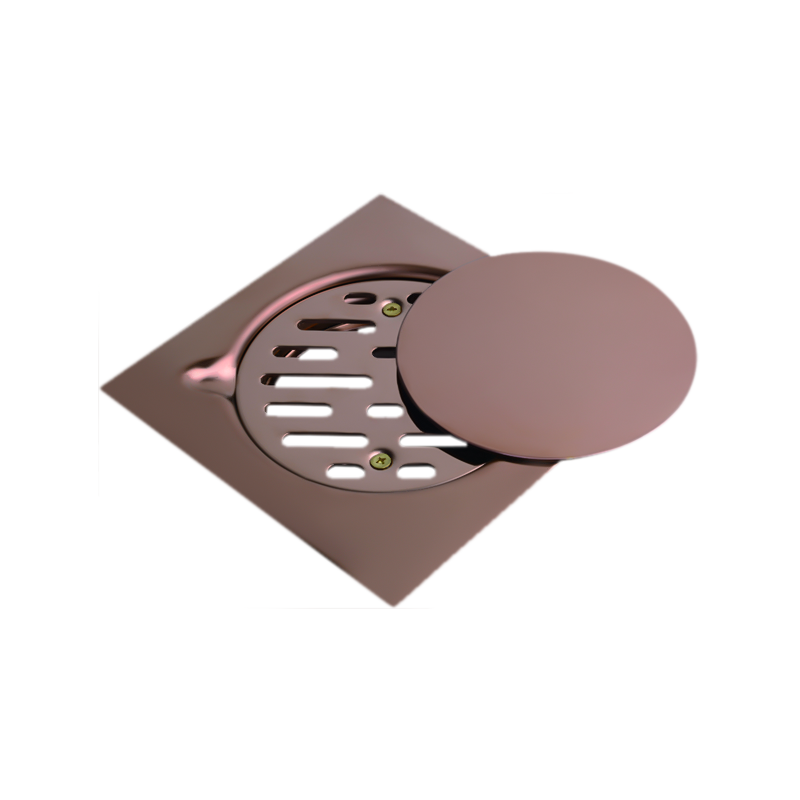
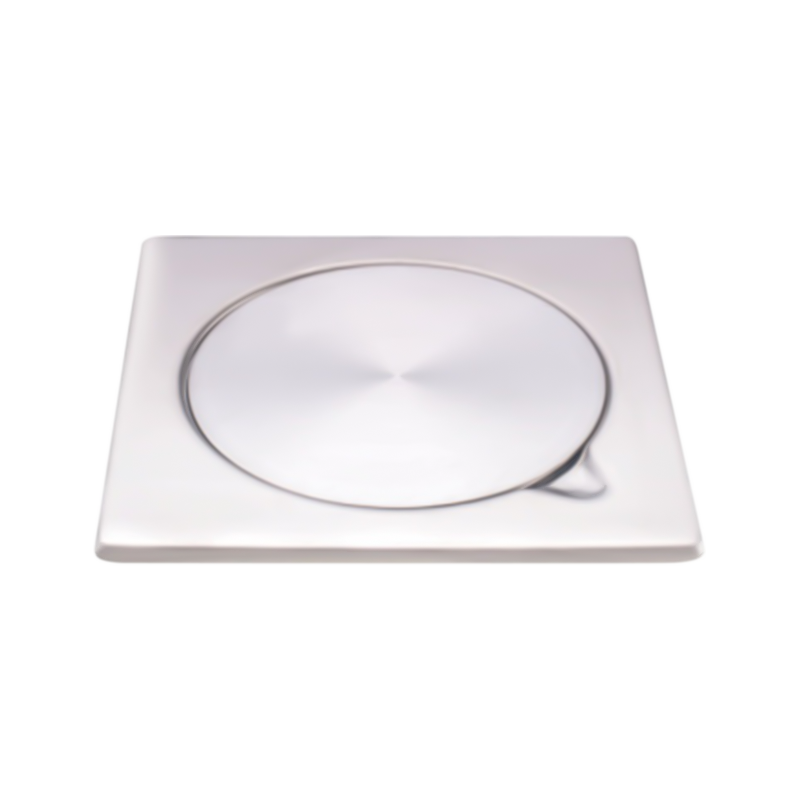
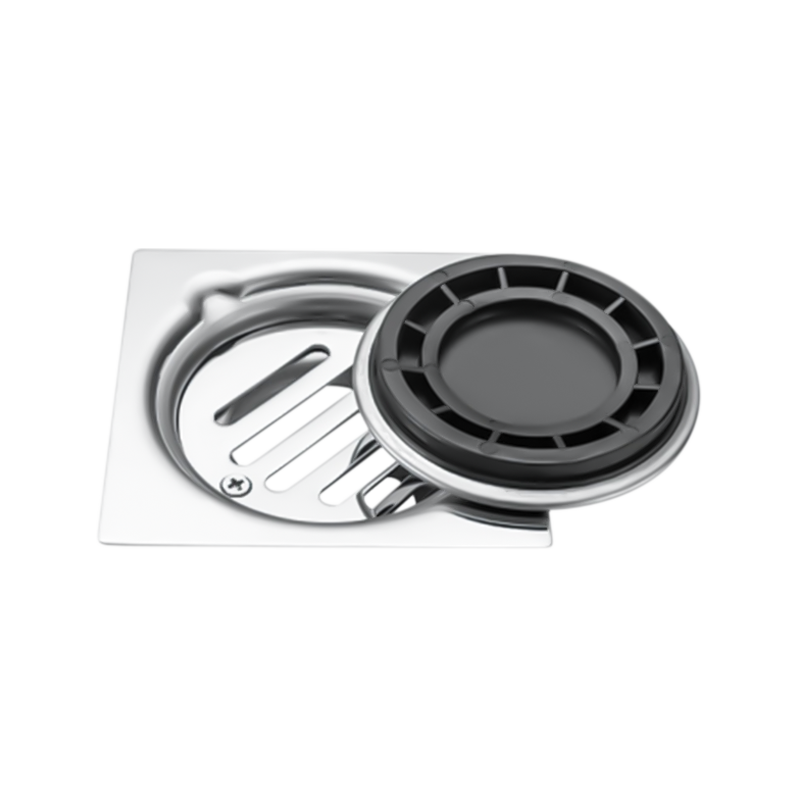
Floor Drain SS 304 is often used in environments where repeated exposure to moisture is expected. The material provides a stable structure while supporting routine cleaning and regular use. Unlike components that remain untouched for long periods, a floor drain operates continuously whenever water reaches the floor.
From a practical perspective, a drainage component may encounter:
Each of those conditions places demands on the drain body. Material stability helps maintain consistent operation while reducing concerns associated with constant moisture exposure.
In both homes and commercial buildings, the drain becomes part of a larger system whose purpose is straightforward: collect water and move it away from occupied areas.
Water follows the easiest available route. Floor drainage systems are designed around that simple behavior.
A floor surface is normally arranged so water moves toward a lower point where the drain is installed. Once water reaches that area, it passes through the drain cover and enters the drainage pathway below.
Several elements influence how smoothly that process occurs.
Location matters. A drain positioned where water naturally collects requires less effort from the surrounding surface. Floor slope matters as well because water cannot move efficiently toward the drain without proper direction.
The design of the drain opening also contributes to flow behavior. Water needs enough access to enter quickly, especially during periods when larger amounts reach the floor at the same time.
A simplified flow path usually follows this sequence:
Every stage depends on the one before it. When one section slows, overall drainage performance changes as well.
Standing water develops gradually. A thin layer remains after cleaning. A small amount gathers near a corner. Moisture that should have moved toward the drain stays behind.
Over repeated cycles, however, small accumulations become a routine condition rather than an occasional one.
Bathrooms offer a familiar example. Water spreads across the floor during normal use. A functioning drainage system guides that water away until the surface begins drying. When drainage slows, water remains longer and drying takes more time.
Commercial spaces often face similar situations. Floors may be washed regularly throughout the day, creating repeated water exposure across larger areas. Efficient drainage helps prevent moisture from remaining between cleaning cycles.
Water Movement Comparison In Different Conditions
| Condition | Water Movement | Daily Effect |
|---|---|---|
| Effective Drainage | Continuous flow toward drain | Faster drying and easier maintenance |
| Restricted Drainage | Slow or uneven movement | Longer moisture retention |
| Standing Water Areas | Limited or blocked flow | Additional cleaning effort |
Water that keeps moving leaves fewer opportunities for accumulation.
Looking at a floor drain from above reveals only part of the structure. Beneath the visible cover sits a flow path responsible for directing water into the drainage system.
The cover performs two jobs at the same time. Water needs to enter easily, while larger debris should remain outside whenever possible. Balancing those functions influences everyday performance.
Opening arrangement affects how quickly water enters the drain. Internal geometry affects how smoothly water continues moving after entry. Cleaning accessibility affects how easily maintenance can be performed later.
In practical use, several design features influence results:
Small differences in structure often become noticeable during regular use rather than immediately after installation.
Commercial environments place different demands on drainage systems because water exposure tends to occur more frequently and across larger areas.
Cleaning crews may move water across wide floor surfaces. Equipment maintenance may introduce additional moisture. Entry zones exposed to outdoor conditions may also bring water indoors during daily operation.
As water travels across larger spaces, drainage pathways become increasingly important. Moisture that cannot reach collection points efficiently often remains scattered across the floor.
Another practical challenge involves debris movement. Water rarely travels alone. Dust, small particles, and cleaning residue often move with it. Over time, some of that material reaches drainage openings and gradually accumulates.
Common conditions found in commercial settings include:
For that reason, drainage performance depends not only on the drain itself, but also on how the surrounding environment directs water toward it.
Drainage work rarely shows problems at once. Changes usually build up slowly, small pieces of hair, dust, and soap residue staying near the cover opening, water still passing through, only a bit slower than before. That slight change often goes unnoticed in daily routines.
Once surface openings begin to narrow, water spreads a little before entering the drain. Floors stay wet for longer periods, especially after repeated cleaning or shower use. Flow does not stop, yet movement loses its smooth rhythm.
Maintenance in practice stays simple. Cover removal, quick rinsing, and clearing visible buildup already bring noticeable difference in water movement. No complex steps involved, only repeated attention at intervals that match usage level.
Typical routine actions include:
What matters more is timing rather than intensity. Small cleaning done earlier often prevents deeper blockage later.
Drain performance is not only about the drain itself. Surrounding floor structure quietly shapes how water reaches it.
A slight slope often decides whether water moves naturally or spreads outward. Even when slope is small, direction of flow changes. Water tends to follow the easiest path, not the intended one on paper.
Drain position also affects behavior. When placed in a natural collection point, water arrives gradually and consistently. When positioned away from that path, water may pause in scattered areas before reaching the outlet.
Connection below the surface matters as well. Smooth transition from drain body into pipe allows continuous flow. Any mismatch inside structure can slow movement slightly, especially when water volume increases during cleaning.
Factors that often influence real use:
Installation quality often shows its effect over time rather than immediately after setup.
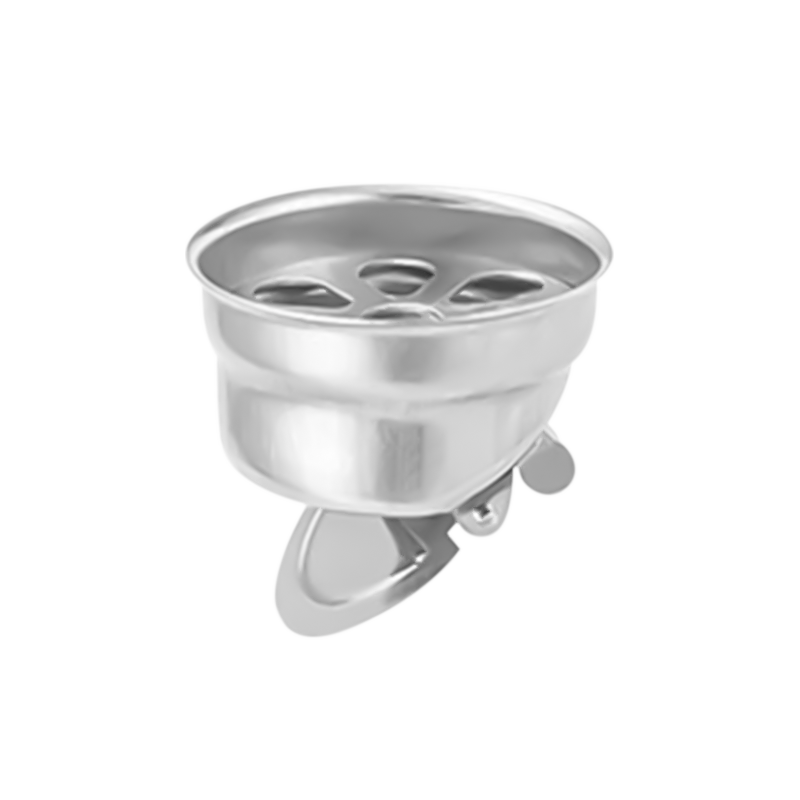
Drain behavior in daily use often traces back to how the component was formed. A Stainless Steel Floor Drain Factory focuses on keeping shape, thickness, and opening structure stable across repeated production cycles.
Small variations in forming or finishing may not be visible, yet water movement reacts to those differences during use. Smooth inner walls allow water to pass without interruption. Slight irregularities can slow flow in subtle ways.
Production attention usually stays on several areas:
Once installed into flooring, replacement becomes less frequent, so initial build consistency carries long-term importance in daily water handling.
Different environments place different pressure on drainage behavior. A bathroom in a home deals with regular but predictable water flow. A commercial space may face repeated cleaning cycles and wider wet areas within the same day.
Selection usually starts from understanding how water enters the space rather than only focusing on the drain itself. Frequency of use, type of water exposure, and surrounding surface layout all influence suitability.
Key considerations often include:
A balanced selection often supports easier maintenance later, since drainage and cleaning routines tend to work together rather than separately.
Water presence on the floor affects how a space feels and functions. When drainage moves water away without delay, surfaces return to normal condition faster, and cleaning routines do not need extra effort to push water across the floor.
In residential spaces, this often means shower areas and utility zones stay usable shortly after cleaning. In commercial environments, repeated cleaning cycles can continue without long waiting time for drying.
Drainage does not work as a visible feature, yet it supports almost every activity involving water inside a building. Its role becomes noticeable only when flow slows down, and moisture begins to stay longer than expected.
A stable drainage system allows water to move quietly away, keeping floor surfaces closer to dry conditions throughout daily use cycles.

 Add: No 3 District Xiaowufen Industrial Zone, Pengjie Town, Luqiao District, Taizhou City, Zhejiang Province, China.
 Tel: +86-576-89203599
 Fax: +86-576-89203598
 Email: [email protected],[email protected],[email protected]
Copyright © Taizhou Shenzhou Sanitary Ware Co., Ltd. All Rights Reserved.


 عربى
عربى 0
0
