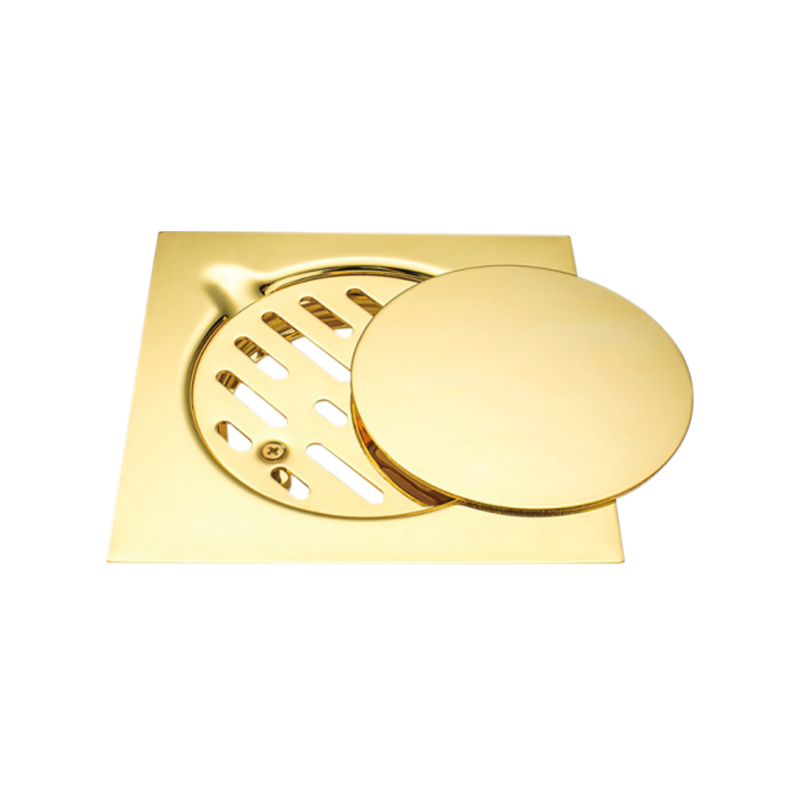
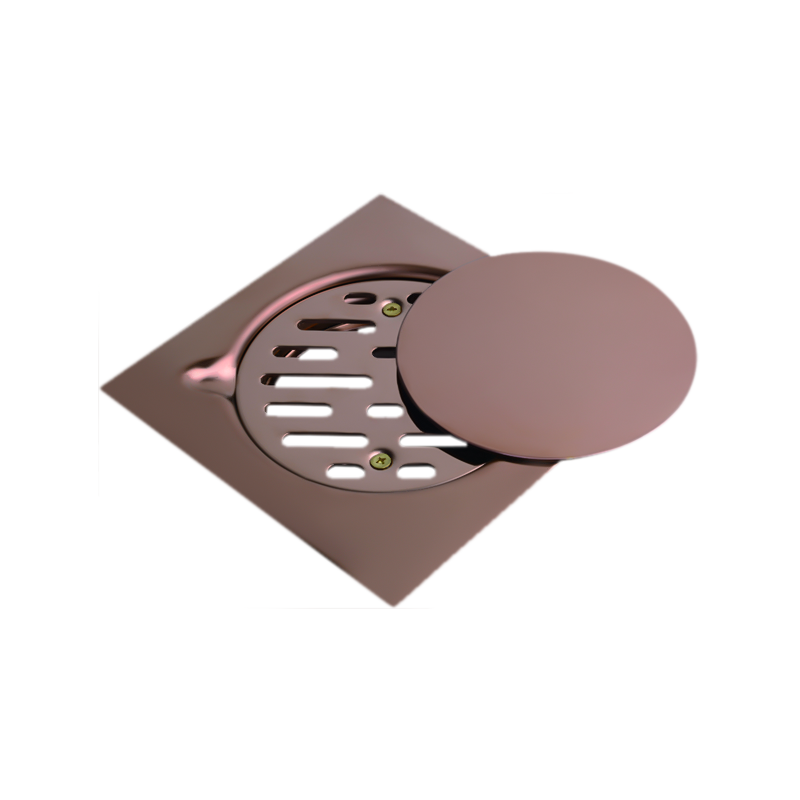
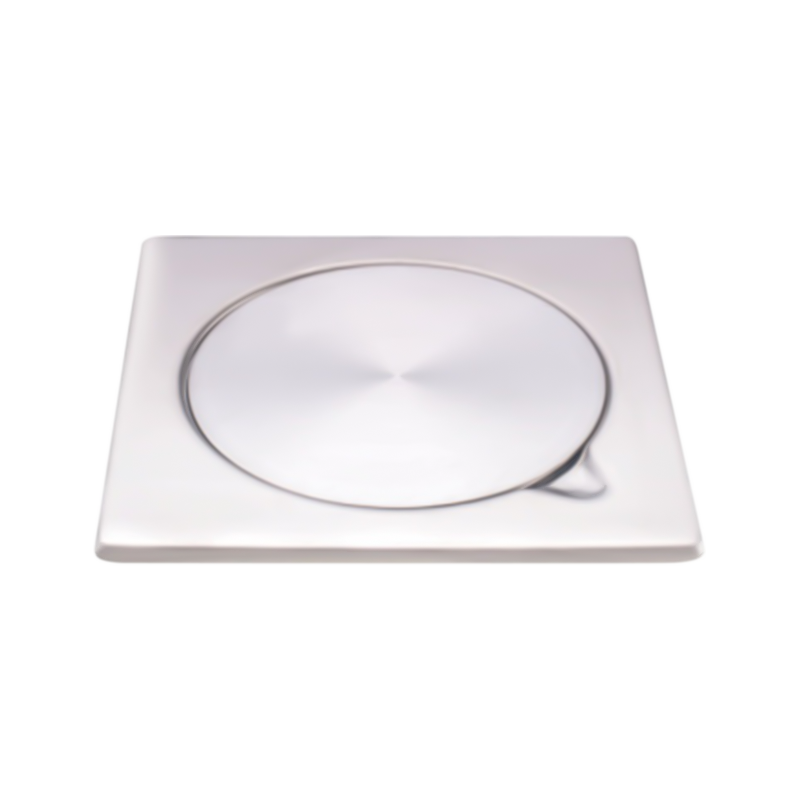
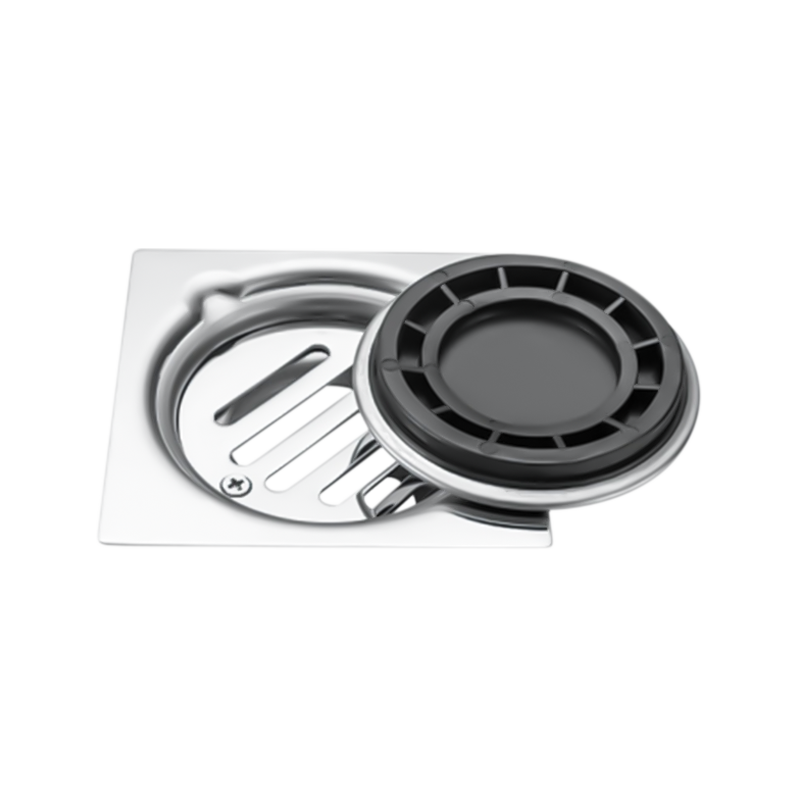
Modern bathroom design pays increasing attention to visual continuity. Tile insert drainage systems are often chosen because they blend into the floor and reduce visual interruption across the shower area. From a distance, many products appear similar. Once installation is complete, differences in material become far more important than differences in appearance.
A Bathroom Tile Insert Drain remains in direct contact with water throughout its service life. Moisture, soap residue, cleaning agents, and daily foot traffic create an environment that constantly challenges the drain body. Under such conditions, material affects much more than appearance. It influences structural stability, surface condition, maintenance requirements, and long-term performance.
During renovation planning, people often spend considerable time comparing tile colors, wall finishes, and fixture styles. Drain selection may receive less attention because it occupies a relatively small area of the floor. Yet drainage components operate every day, making material quality a practical consideration rather than merely a decorative one.
A drain cover can look attractive on the day of installation. After months or years of exposure to water and cleaning routines, material characteristics begin to play a larger role in how the product continues to function and how easily it can be maintained.
For many projects, the more useful question is not how the drain looks initially, but how the chosen material responds to everyday bathroom conditions.
Bathrooms create a unique environment for metal components. Water enters the drain repeatedly, surfaces remain damp for long periods, and cleaning products are often applied directly onto the floor.
Everyday use introduces several conditions that influence material behavior:
None of these factors appear dramatic when viewed individually. Combined over long periods, they create a demanding environment for drainage products.
A shower floor experiences constant change throughout the day. Water temperature varies, moisture levels rise and fall, and cleaning habits differ from one household to another. Such variation places continuous stress on exposed surfaces.
Drainage components installed in family homes often face different conditions from those installed in shared facilities. A guest bathroom may remain dry for extended periods, while a frequently used shower may remain damp for much longer. Material suitability often depends on how closely it matches actual usage conditions rather than design appearance alone.
When discussing Bathroom Tile Insert Drain construction, stainless steel remains one of the commonly selected materials. Even within stainless steel products, however, differences exist.
Two material options often seen in drainage manufacturing are SS201 and SS304. At a glance, both may appear similar. Their surfaces can share a comparable appearance, especially after polishing or finishing treatments. The distinction becomes more noticeable when long-term exposure to moisture enters the discussion.
SS304 is often selected for environments where regular contact with water is expected. Moisture exposure forms part of normal operation, and the material is generally associated with stable performance under such conditions.
SS201 can still be used in many interior applications, particularly where environmental demands are less severe. Performance often depends on installation location, ventilation conditions, cleaning habits, and frequency of water exposure.
Rather than treating one material as universally suitable, many professionals evaluate several practical questions:
Answers to those questions usually provide more useful guidance than material labels alone.
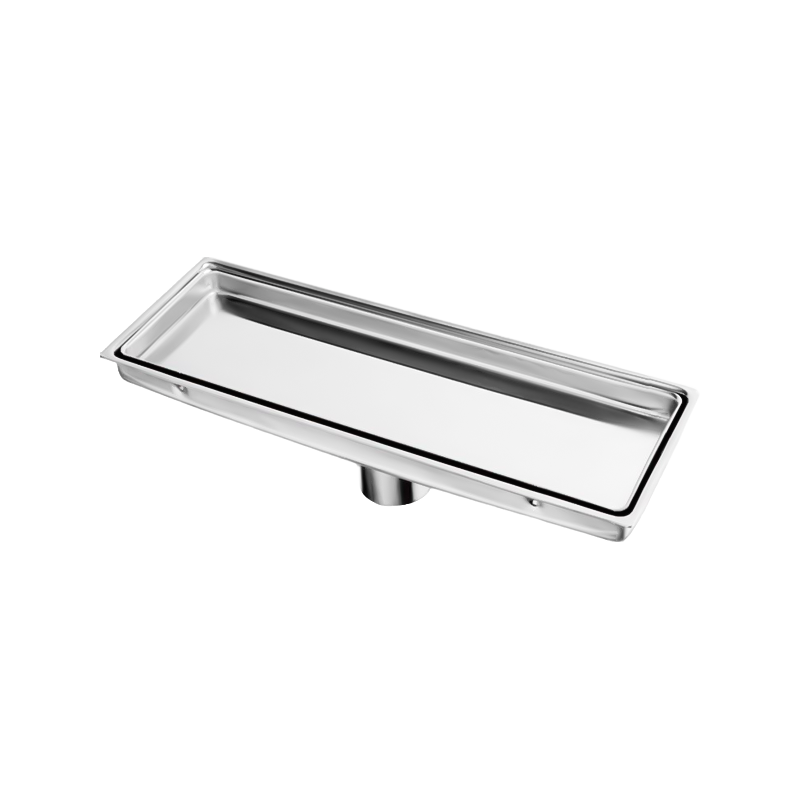
Bathrooms represent one of the areas in a building where water exposure remains relatively constant. Floors become wet during shower use, moisture can linger after cleaning, and humidity often remains elevated for extended periods.
Because of those conditions, SS304 frequently appears in Bathroom Tile Insert Drain manufacturing.
One reason involves its ability to maintain a stable surface when exposed to moisture over time. Since drainage systems are expected to remain functional without frequent replacement, material consistency becomes important.
Another factor relates to maintenance. Homeowners generally prefer products that integrate smoothly into existing cleaning routines. Surfaces that remain easier to clean often contribute to a more predictable maintenance experience.
Design flexibility also plays a role. SS304 can be paired with different drain styles, including tile insert configurations intended to create a continuous floor appearance. Whether the project emphasizes minimal visual impact or more visible drainage elements, the material can support a range of design approaches.
From a practical perspective, users often focus on several expectations:
Material selection becomes one part of meeting those expectations.
Discussions about stainless steel sometimes create the impression that only one material can be considered. Real projects are often more nuanced.
SS201 continues to appear in various drainage applications because project conditions differ significantly from one installation to another.
Some indoor environments remain relatively dry outside periods of active use. Ventilation may be effective, cleaning routines may be consistent, and moisture may dissipate quickly after showering. Under such circumstances, material requirements can differ from spaces exposed to heavier humidity.
Budget planning may also influence decisions. Material selection often involves balancing environmental conditions, expected service demands, and project objectives.
Questions frequently considered during evaluation include:
Material selection becomes more meaningful when connected to actual operating conditions rather than assumptions.
The relationship between environment and material often matters as much as the material itself.
After installation, a Bathroom Tile Insert Drain is exposed to repeated daily contact. Water flow, cleaning pressure, and small impacts from foot traffic all act on the surface over time. Thickness becomes a quiet factor that shapes how the structure reacts to those repeated forces.
A thinner structure usually feels easier during installation and can fit into tighter floor conditions where space is limited. In some renovation work, that flexibility helps when the existing drainage base cannot be changed much.
A thicker structure behaves differently. The surface feels more solid under pressure and tends to keep its shape more steadily in places where use is frequent. In environments where cleaning tools or stronger water flow are common, that added rigidity can influence how the drain holds up over long periods.
Instead of treating thickness as a single direction choice, it is often viewed together with actual bathroom usage.
| Thickness Level | Installation Feel | Daily Use Condition | Structural Response |
|---|---|---|---|
| Thinner panel | Easier placement | Light usage space | More flexible movement |
| Medium panel | Balanced handling | Regular bathroom use | Stable behavior |
| Thicker panel | Heavier feel | Frequent-use areas | Strong shape retention |
Thickness works together with material grade and surface treatment, forming a combined structure rather than a separate decision point.
Surface finish changes how a drain behaves visually and practically inside a bathroom. Even when the same stainless steel material is used, finish creates a different interaction with light, water, and cleaning habits.
Mirror polish reflects surrounding tiles and lighting more strongly. In a bright bathroom, the drain can blend into glossy surroundings and appear visually clean. However, water spots and marks may become easier to notice after repeated use, especially in areas where drying is slower.
Satin polish has a softer surface reflection. The texture reduces strong glare and helps small marks appear less visible in daily conditions. In bathrooms where cleaning is not constant, this surface tends to feel more forgiving.
Both finishes are commonly used on Bathroom Tile Insert Drain systems, and selection often depends on room style and maintenance habits rather than functional drainage capacity.
Behind every drain product, manufacturing process shapes how stable the final result becomes. A Stainless Steel Floor Drain Factory does not only form metal into shape, it also controls alignment, welding precision, and surface finishing quality.
In tile insert systems, small dimensional differences can affect how well the drain aligns with surrounding floor tiles. Even slight unevenness may interrupt the visual continuity that tile insert designs aim to achieve.
Surface treatment is another important step. Polishing consistency determines how uniform the drain appears once installed. In projects where multiple drains are used, differences in finish can become noticeable if production control is not stable.
Several production-related factors influence final performance:
Manufacturing consistency does not change the basic function of drainage, yet it influences installation smoothness and long-term appearance stability.
Bathroom conditions are not identical across all buildings. Some spaces remain dry for long periods, while others deal with constant moisture and frequent cleaning cycles. Material selection often follows those real usage differences.
In residential bathrooms with moderate use, both SS201 and SS304 may appear depending on ventilation and cleaning habits. Where moisture remains longer on the floor, SS304 is often used because of its more stable response in wet environments.
In shared or high-traffic bathrooms, material behavior becomes more noticeable over time due to repeated exposure. In such cases, more stable stainless steel grades are often preferred to handle continuous wet conditions.
Typical application environments include:
Each environment places different expectations on how the drain responds to water, cleaning, and time.
Choosing a Bathroom Tile Insert Drain rarely depends on a single feature. Material grade, thickness, and surface finish work together and influence how the product behaves in real use.
Steel grade determines how the material responds to moisture. Thickness affects how the structure handles pressure and repeated contact. Surface finish changes how the drain interacts with light, cleaning routines, and visual design.
When viewed separately, each factor gives partial understanding. When combined, they form a more complete picture of suitability for a specific bathroom space.
A practical way of viewing selection:
In real installation environments, drainage systems operate continuously under changing water conditions. Because of that, selection tends to focus on long-term behavior rather than appearance at the moment of installation.


 Add: No 3 District Xiaowufen Industrial Zone, Pengjie Town, Luqiao District, Taizhou City, Zhejiang Province, China.
 Tel: +86-576-89203599
 Fax: +86-576-89203598
 Email: [email protected],[email protected],[email protected]
Copyright © Taizhou Shenzhou Sanitary Ware Co., Ltd. All Rights Reserved.


 عربى
عربى 0
0
