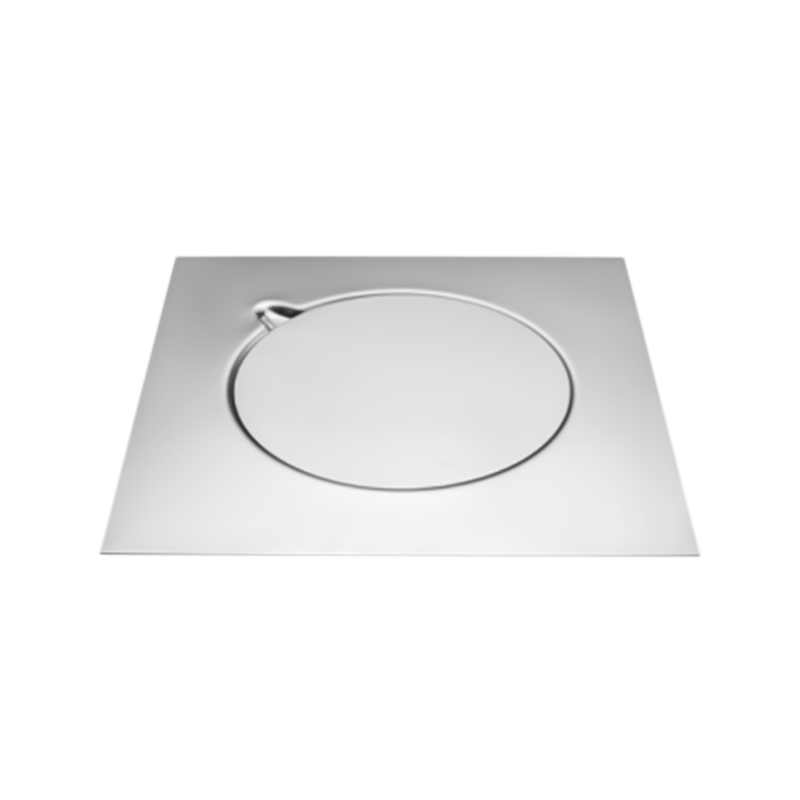
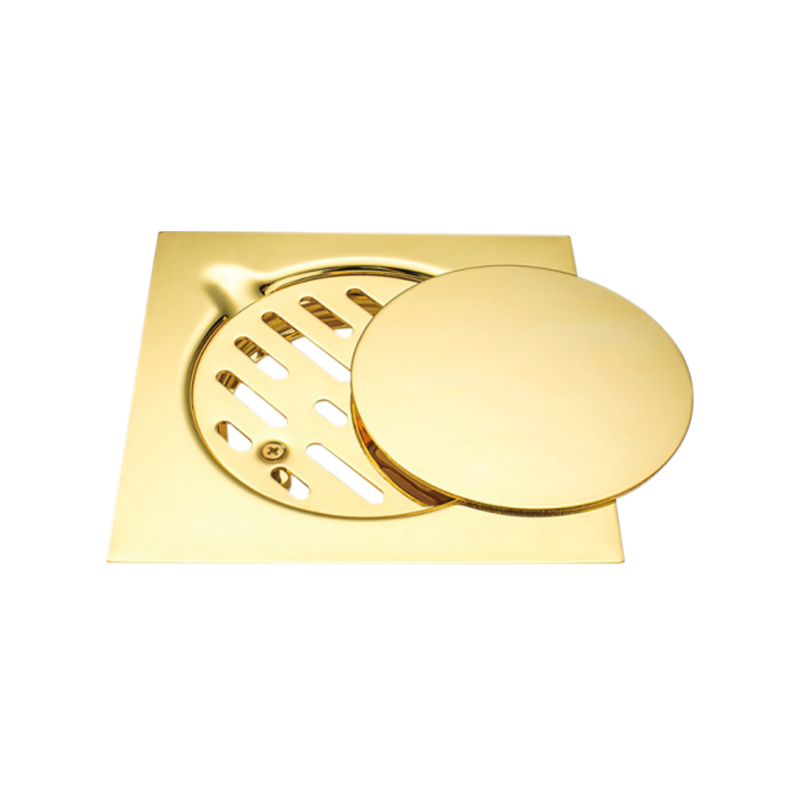
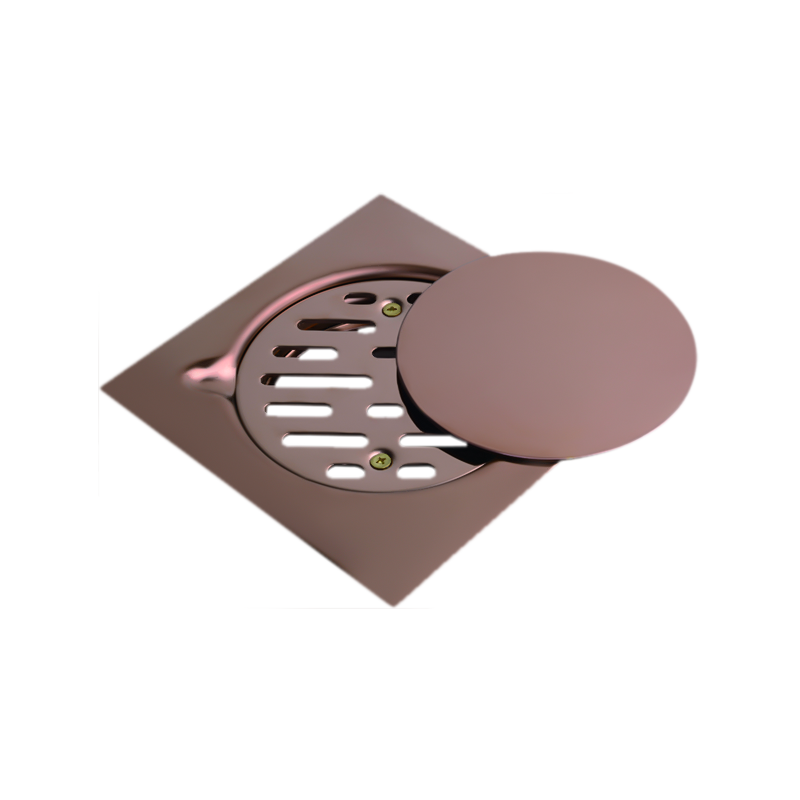
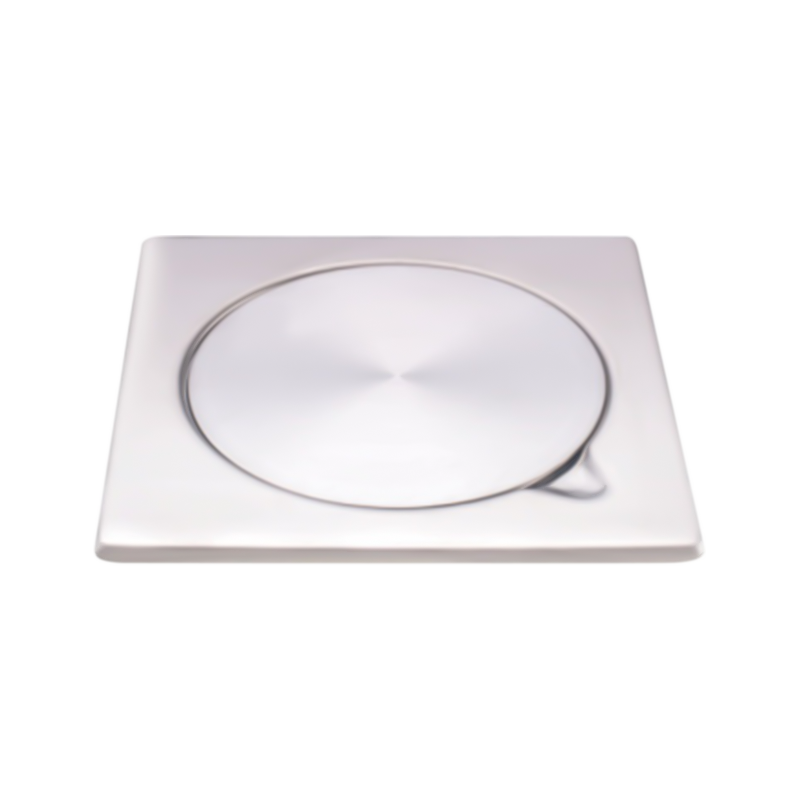
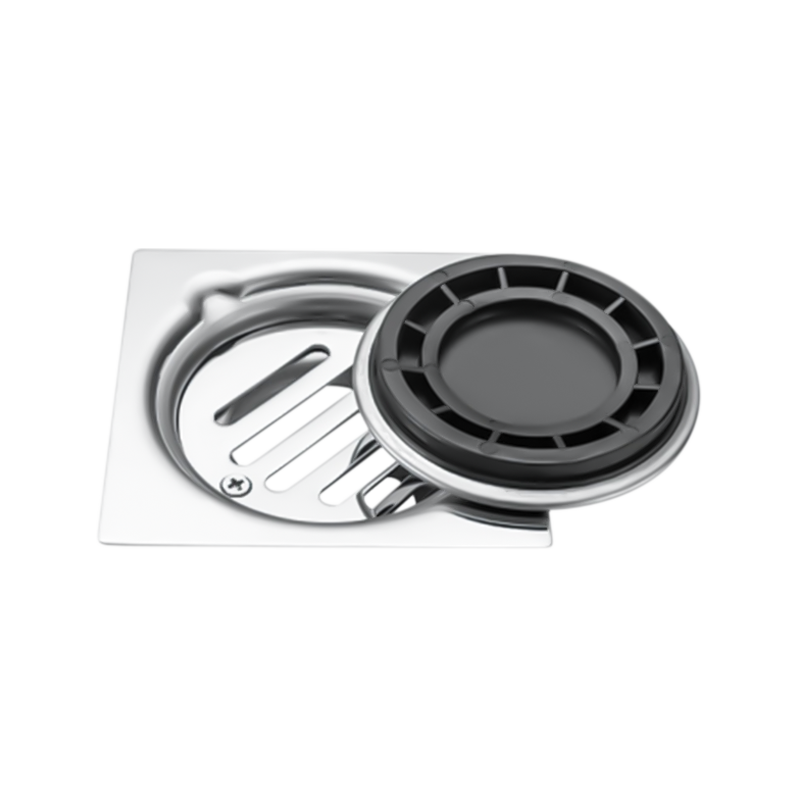
The cover design of a Stainless Steel Tile Drain plays a significant role in both functionality and aesthetics. Covers are typically available in square, round, or linear (long-strip) designs, each influencing water flow, debris management, and visual integration with flooring. Selecting the appropriate shape and configuration is crucial for ensuring suitable drainage performance while maintaining a pleasing appearance in residential, commercial, or industrial spaces.
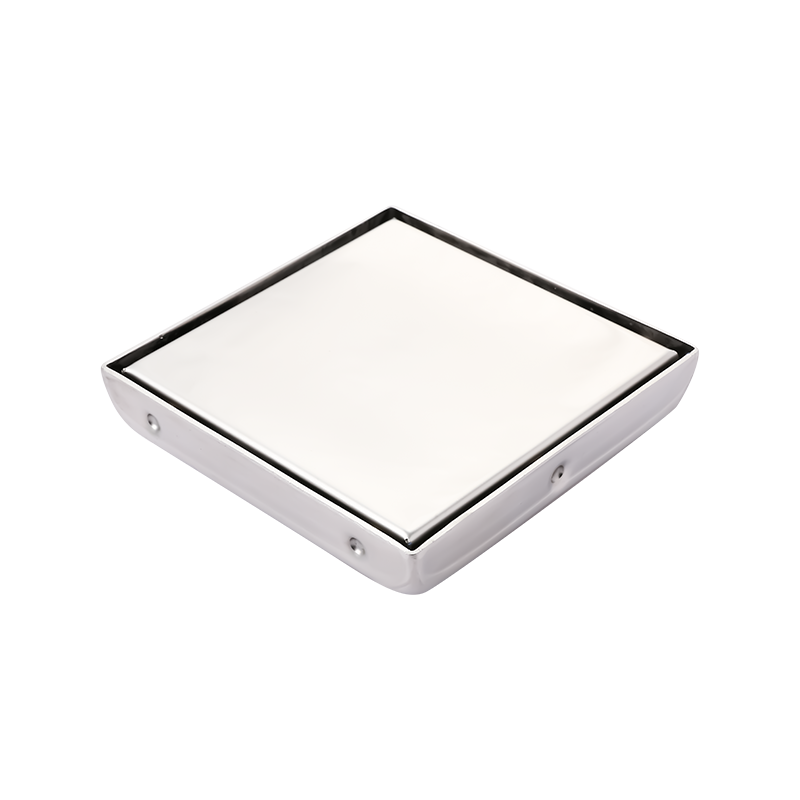
Square covers are among the common options for tile drains. Their geometric symmetry makes installation straightforward, especially in tiled floors where alignment with grout lines is important. Square covers often provide a larger open area relative to their size, allowing water to enter the drain efficiently. This design also facilitates modular placement in multiple configurations, such as in shower areas or small outdoor patios. However, the edges of square covers can sometimes accumulate debris, requiring regular cleaning to maintain efficiency.
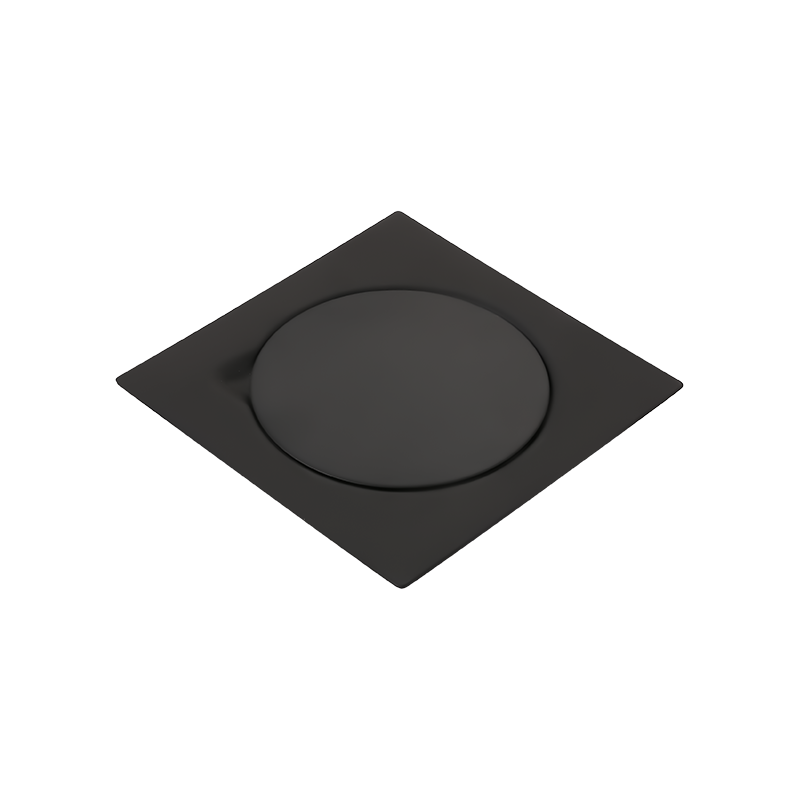
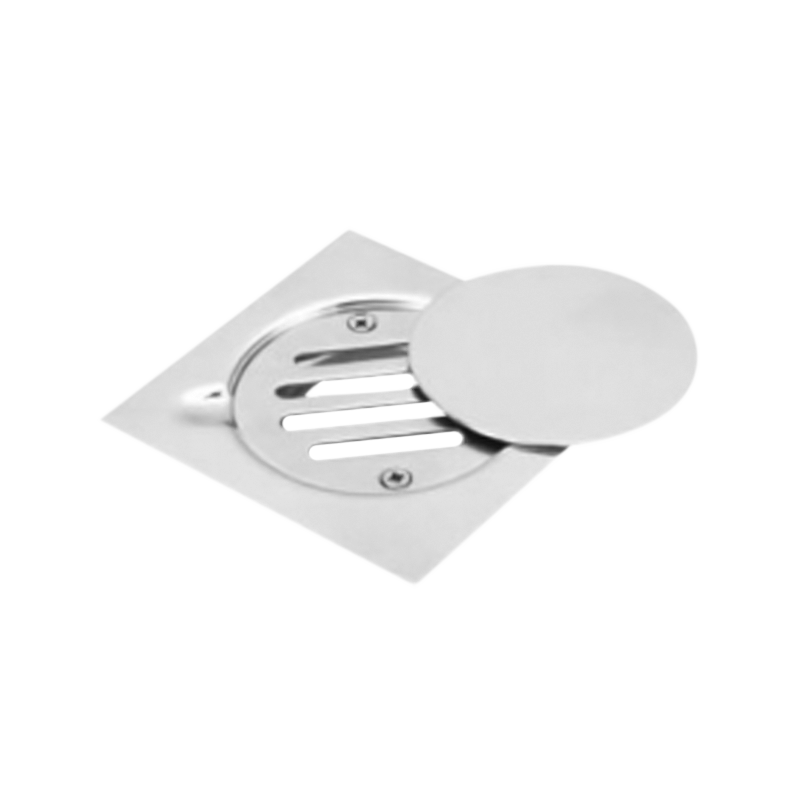
Round covers are valued for their streamlined aesthetic and ability to distribute load evenly. The circular design reduces stress concentrations, making it ideal for areas with higher foot traffic. From a drainage perspective, round covers can channel water uniformly toward the center opening, reducing localized pooling. This design is often used in shower drains, garden patios, or areas with decorative stone layouts. While visually appealing, round covers may require careful alignment with surrounding tiles or flooring patterns to avoid awkward gaps.
Linear or long-strip covers are designed to provide continuous drainage along a defined path. These covers are particularly effective in spaces such as shower floors, pool decks, or industrial wet areas where water accumulates over a larger surface. By offering an elongated opening, linear covers allow rapid water flow and reduce the risk of standing water. Aesthetically, they can blend seamlessly with flooring patterns, creating a minimalist and modern appearance. Proper placement and slope design are essential to ensure that water flows efficiently toward the drain.
Beyond shape, the design of slots, holes, or perforations on the Stainless Steel Tile Drain cover affects both drainage efficiency and appearance. Wider slots allow more water to pass through quickly, but may permit debris to enter the drainage system. Narrow or decorative slots reduce clogging risk while enhancing visual appeal. Manufacturers often balance these factors to optimize performance, ensuring that the drain handles expected water volumes without compromising cleanliness or aesthetics.
The choice of cover shape also impacts how well the drain integrates with the surrounding flooring. Square covers align naturally with tiles, round covers complement circular or stone patterns, and linear covers emphasize clean lines in modern interiors. Thoughtful selection enhances overall visual harmony, providing a functional yet attractive solution for wet areas. Stainless Steel Tile Drains must therefore consider both hydraulic efficiency and design aesthetics when determining cover configurations.
The cover design of a Stainless Steel Tile Drain—whether square, round, or linear—significantly influences drainage performance and visual appeal. Square covers offer modularity and alignment with tiles, round covers provide even load distribution and smooth aesthetics, and linear covers enable rapid water flow across extended areas. Slot design, material quality, and integration with flooring further affect efficiency and durability. By carefully selecting the cover type and configuration, manufacturers and designers ensure that drains deliver reliable functionality while enhancing the overall aesthetic of the space.

 Add: No 3 District Xiaowufen Industrial Zone, Pengjie Town, Luqiao District, Taizhou City, Zhejiang Province, China.
 Tel: +86-576-89203599
 Fax: +86-576-89203598
 Email: [email protected],[email protected],[email protected]
Copyright © Taizhou Shenzhou Sanitary Ware Co., Ltd. All Rights Reserved.


 عربى
عربى 0
0
