A floor drain works quietly in the background, carrying away water while collecting small amounts of dirt, hair and residue along the way. Regular cleaning helps keep the drainage path open and reduces the chance of buildup affecting everyday use.
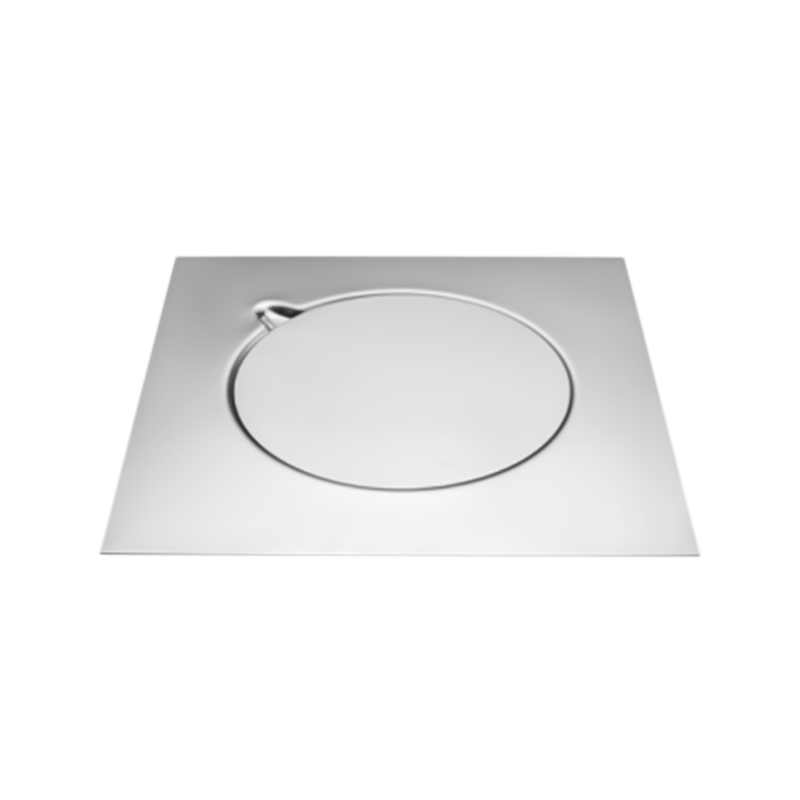
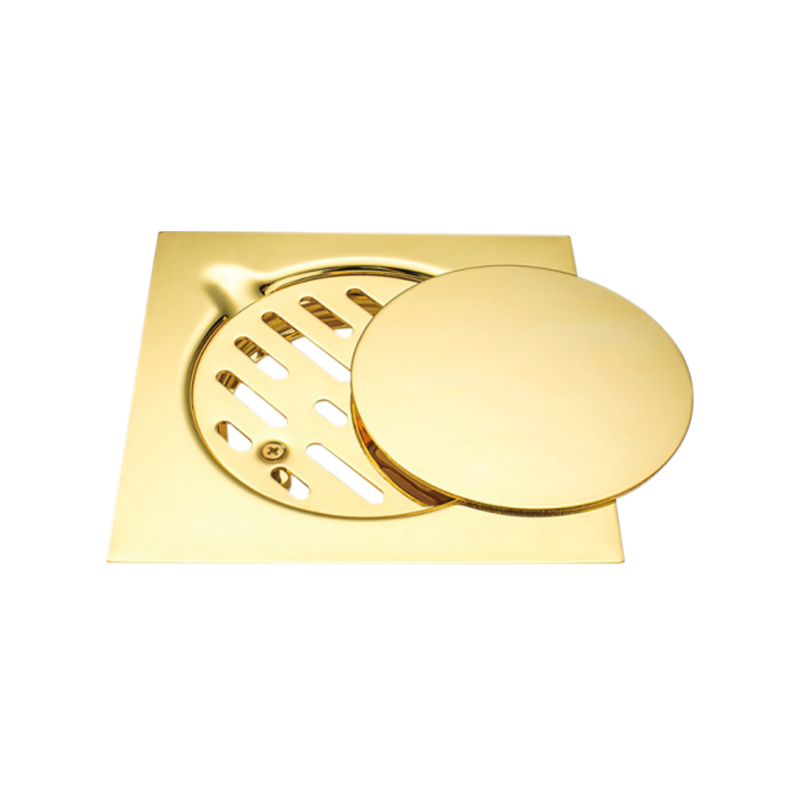
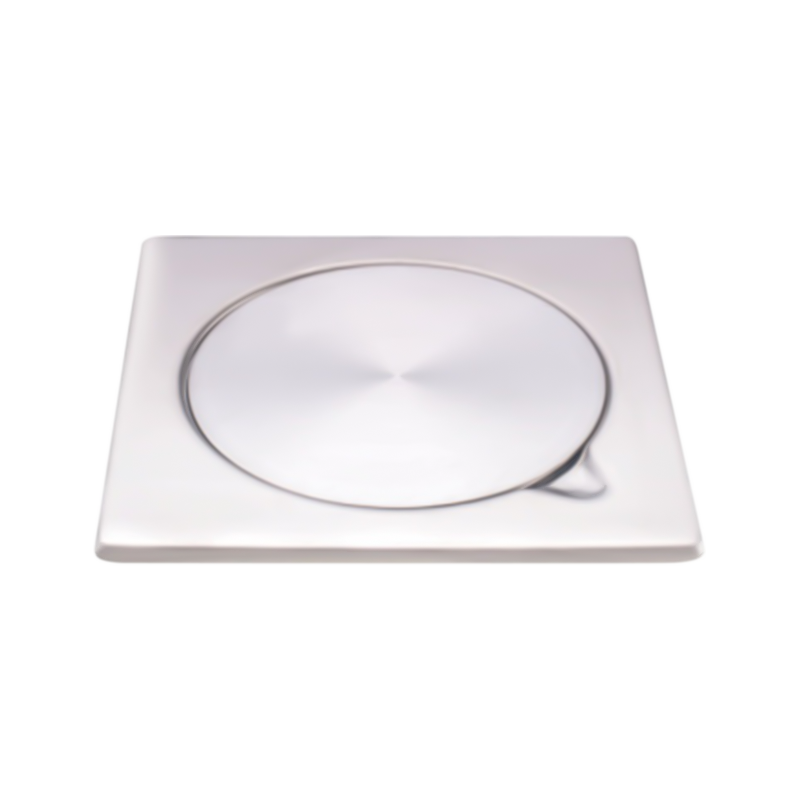
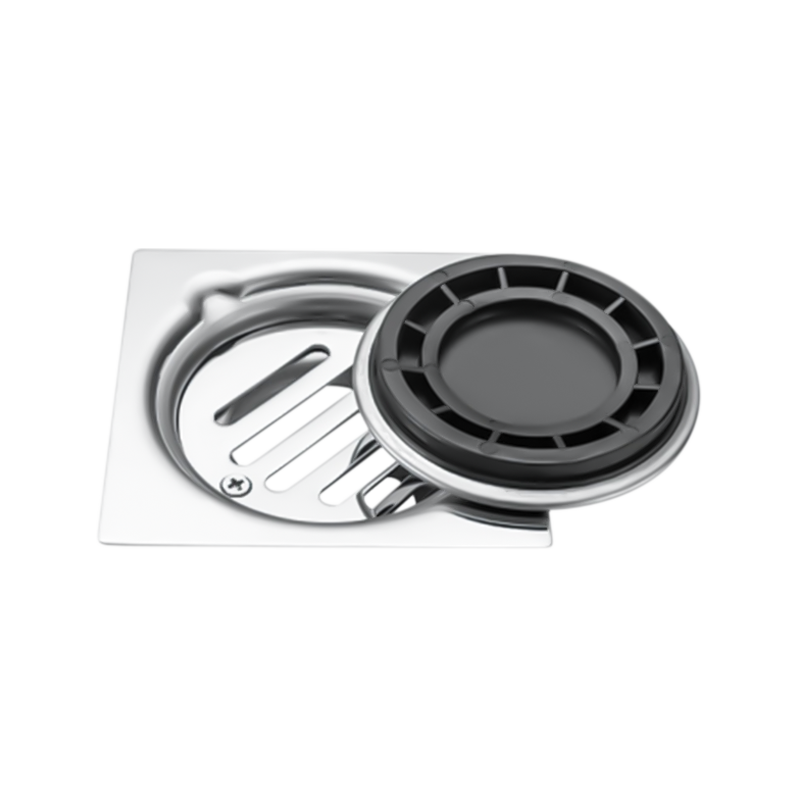
For a Floor Drain SS 304, material condition and cleaning habits work together. Stainless steel can handle regular exposure to moisture, although resistance to corrosion does not mean that the surface requires no care. Soap residue, mineral deposits and trapped debris can remain around the cover or drain opening when cleaning is delayed.
Daily maintenance does not need to involve complicated procedures. A simple routine can include removing visible debris, rinsing the surface and checking whether water flows away normally.
Several areas deserve attention:
A clean surface also makes it easier to notice changes. Discoloration, unusual deposits, loose parts or slower water flow can provide an early indication that closer inspection may be useful.
Stainless steel is commonly selected for drainage components because its surface can withstand regular contact with water and normal household conditions. Still, the surrounding environment has an effect on how the surface looks and behaves over time.
Bathrooms often remain humid, while kitchen drains may receive soap, food residue, grease and other substances. Continuous exposure can leave deposits even when the underlying material remains in usable condition.
Surface cleanliness therefore matters. Residue left around edges or beneath a cover can hold moisture against the surface for longer periods. Removing such buildup helps keep the drainage area cleaner and makes routine inspection easier.
Material resistance should not be confused with maintenance-free operation. Even a suitable stainless steel surface benefits from ordinary cleaning.
Hair and solid particles are common sources of blockage around a drain opening. Small pieces may collect beneath the cover before gradually restricting water movement.
Removing visible debris at an early stage is generally easier than waiting until a noticeable drainage problem develops. A removable cover can be lifted carefully where the design permits, allowing trapped material to be cleared from accessible areas.
A simple cleaning sequence can involve:
Sharp or unsuitable objects should not be forced deep into the drainage path. Such handling may damage internal surfaces or disturb connected parts.
Stainless steel surfaces can develop marks when exposed to rough cleaning methods. A suitable cloth or soft cleaning tool can remove ordinary residue without placing unnecessary pressure on the surface.
Soap deposits may appear around the drain cover, while mineral residue can build up when water repeatedly dries on the metal. Gentle cleaning followed by thorough rinsing can help remove such deposits.
Cleaning direction can also matter for visible stainless steel surfaces. Wiping along the existing surface pattern rather than repeatedly rubbing across it may help maintain a more even appearance.
After cleaning, remaining residue should be rinsed away. Where moisture tends to remain around the drain cover, wiping the accessible surface can reduce the amount of water left behind.
Aggressive treatment is rarely needed for ordinary maintenance. Strong scraping, rough abrasive pads or unsuitable cleaning substances can create scratches that make later cleaning more difficult.
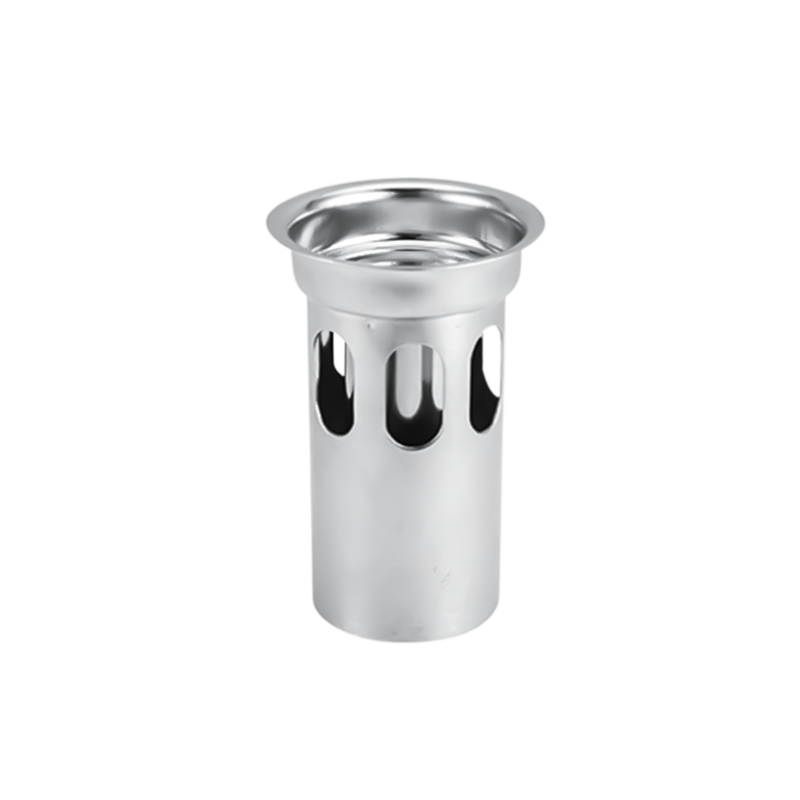
A clean drain opening allows water to move away without unnecessary obstruction. Drainage performance can change gradually, so early signs deserve attention rather than being ignored.
Slower water movement may come from debris near the opening, buildup inside the accessible passage or an issue farther along the drainage route. Surface cleaning can address simple buildup, while deeper problems may require additional inspection.
Regular observation can focus on a few practical signs:
A drain does not need to be disassembled routinely when normal cleaning is sufficient. Unnecessary removal of connected components can create fitting problems or damage sealing areas.
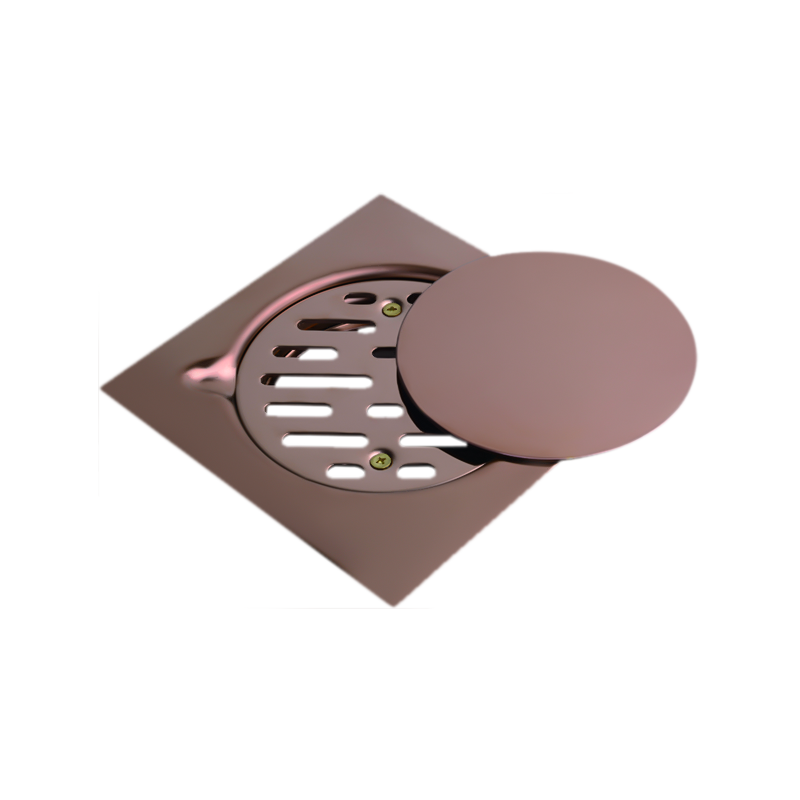
A drain cover receives regular contact with water, footwear and cleaning tools, so its condition can change through everyday use. Checking the cover during cleaning provides an opportunity to identify loose fitting, bending or accumulated debris underneath.
Removable baskets, screens or internal pieces, where included, can collect hair and solid particles before material reaches a deeper section of the drainage system.
Each part should be cleaned separately when the design allows removal. Afterward, components need to be positioned correctly. A poorly fitted cover can affect appearance, stability or water movement around the opening.
Inspection does not need to be complicated. Look for:
Correct positioning after cleaning is just as important as removing the debris itself.
Household cleaning products can leave their own residue when they are not rinsed away properly. Soap, detergent and mineral deposits may gradually collect around corners, joints and less accessible areas.
For stainless steel surfaces, cleaning products should be selected according to the surface condition and intended use. Unnecessary exposure to harsh substances can create changes in appearance or affect surrounding components.
A practical cleaning process is relatively simple: apply a suitable cleaner when needed, wipe the surface, rinse away remaining product and inspect the area afterward.
Different household environments also create different maintenance needs. A bathroom drain may mainly encounter soap and hair, while a kitchen drain can receive grease and food particles. Cleaning habits should reflect actual use rather than follow an identical routine in every location.
Water quality can influence how quickly deposits appear. Hard water may leave mineral marks around a drain, particularly where droplets remain on the surface and evaporate repeatedly.
Humidity also affects the surrounding environment. A bathroom with frequent water exposure can leave the drain wet for long periods, while a kitchen drain may experience a mixture of moisture and organic residue.
Such conditions do not necessarily indicate material failure. Surface deposits can often be addressed through appropriate cleaning, while persistent discoloration or unusual changes may justify closer inspection.
A practical maintenance approach considers the environment around the drain rather than focusing only on the metal itself. A heavily used wet area may require more frequent cleaning than a location with limited water exposure.
Surface marks can appear through regular cleaning, contact with hard objects or repeated movement of removable parts. A light mark may mainly affect appearance, while deeper damage can create a rough area where residue becomes easier to collect.
For a Floor Drain SS 304, avoiding unnecessary abrasion helps preserve a smooth and easy-to-clean surface. Rough pads, hard scraping tools and forceful cleaning can create additional marks during an attempt to remove ordinary residue.
Inspection can focus on areas that receive frequent contact:
Discoloration should also be considered in context. Soap deposits, minerals and surface residue can produce changes that are removable through cleaning. Persistent changes that remain after normal cleaning may require closer examination.
Regular inspection is useful because small surface changes are easier to assess when the drain is clean. A layer of dirt can hide scratches, deposits or loose components.
Maintenance begins with a stable installation. A drain that sits correctly within the floor can direct water toward the opening without unnecessary pooling around the surrounding surface.
Alignment matters because uneven positioning can influence how water reaches the drain. Gaps around the surrounding area may also allow moisture or dirt to collect where it is harder to clean.
During routine inspection, several points can be checked:
Movement or looseness should not be ignored when it affects drainage or surrounding surfaces. Unnecessary adjustment should also be avoided when the cause is unclear, since forcing connected parts may create additional problems.
A stable installation supports easier maintenance because the cover, opening and surrounding floor remain in their intended positions.
Manufacturing decisions influence how convenient a drain is to clean and inspect. A Stainless Steel Floor Drain Factory may consider material selection together with surface finishing, cover structure, removable components and internal drainage access.
A drainage product used in wet areas needs a structure that accommodates repeated contact with water and routine cleaning. Surface finishing can influence how easily visible residue is removed, while the shape of the cover can affect where hair and other particles collect.
Removable components can provide easier access to areas that would otherwise be difficult to reach. At the same time, each additional component needs suitable fitting so that cleaning does not create problems during reassembly.
| Area | What Can Be Checked | Maintenance Relevance |
|---|---|---|
| Drain Cover | Shape and fitting | Supports stable placement |
| Surface | Finish and visible condition | Helps with routine cleaning |
| Drain Opening | Clear passage | Supports water movement |
| Removable Parts | Fit and accessibility | Makes debris removal easier |
| Sealing Area | Position and condition | Helps manage surrounding moisture |
| Internal Path | Accessible structure | Supports inspection and cleaning |
A design that allows ordinary cleaning to reach common debris collection points can make routine care more practical. Manufacturing and maintenance are therefore connected through the physical structure of the drainage component.
A useful routine does not need to involve frequent deep disassembly. Ordinary cleaning can handle visible residue, while closer inspection can be reserved for signs of slower drainage or unusual surface changes.
A simple approach can include:
Daily care can remain simple when small amounts of residue are removed regularly. Hair and visible particles are easier to collect from an accessible cover than from a deeper drainage passage.
A deeper cleaning session becomes more relevant when water begins to drain slowly or when residue remains after ordinary surface cleaning. Such a situation can indicate buildup below the visible opening.
Cleaning should match the actual condition of the drain. Excessive disassembly can place stress on removable parts, while ignoring visible buildup can allow a minor issue to become harder to address.
For a frequently used bathroom, checking the drain during ordinary floor cleaning can be practical. Kitchen applications may require additional attention because grease and food residue can behave differently from hair and soap deposits.
Long-term stable use depends on several connected conditions rather than material selection alone. Stainless steel provides a suitable base for many drainage applications, while surface care helps preserve its condition during regular exposure to water.
A clear drainage path supports normal water movement. Proper cleaning reduces the amount of hair, dirt and residue entering deeper areas. Correct installation keeps the drain stable and helps surrounding water move toward the intended opening.
A balanced maintenance approach can therefore focus on four areas:
For Floor Drain SS 304, regular care is mainly about controlling residue, protecting the accessible surface and noticing changes early. A Stainless Steel Floor Drain Factory can support practical maintenance through suitable material selection, accessible structure and stable component fitting, while everyday cleaning remains an important part of continued use.

 Add: No 3 District Xiaowufen Industrial Zone, Pengjie Town, Luqiao District, Taizhou City, Zhejiang Province, China.
 Tel: +86-576-89203599
 Fax: +86-576-89203598
 Email: [email protected],[email protected],[email protected]
Copyright © Taizhou Shenzhou Sanitary Ware Co., Ltd. All Rights Reserved.


 عربى
عربى 0
0
