A floor drain that sits in a shower, balcony, or utility room looks like a simple fixture. Water falls through the grate, passes into the drain body, and flows into the plumbing below. The size of that drain determines how quickly water leaves the surface. A drain that is too small for the space will leave water standing on the floor. One that fits the space will clear water quickly and without trouble.
The consequences of incorrect sizing show up over time. Standing water creates a slipping hazard. Moisture that lingers on the surface can damage tile or grout. A slow-draining shower makes the space less pleasant to use. The size choice made at installation affects every use of that space.
The material also plays a role in long-term performance. A Floor Drain SS 304 offers corrosion resistance and durability, but even a well-made drain will not perform if the size is wrong. The right material and the right size work together.
The drainage area and expected water volume drive the size decision. A shower stall that gets used by one person twice a day has different requirements than a commercial kitchen floor that gets hosed down multiple times each shift. The water volume determines how much drainage capacity is needed.
The type of space matters. A shower needs a drain that handles water without pooling. A balcony needs a drain that handles rain and runoff. A laundry room needs a drain that handles water from washing machines and occasional spills. Each space has its own drainage demands.
Whether the drain serves a single fixture or multiple water sources affects the size. A drain that takes water from just one shower head needs less capacity than one that takes water from multiple fixtures or a large roof area.
Residential floor drains come in a range of sizes. The common sizes work well for standard showers and laundry rooms. The width and length of the drain body must match the space available in the floor.
A larger drain opening makes sense for spaces that receive more water. A wide grate allows water to enter the drain quickly. A narrow grate may create a bottleneck that slows drainage.
Linear drains work well for long, narrow spaces like curbless showers. The elongated shape collects water along one edge of the shower floor. Point drains work better for compact shower stalls where the floor slopes to a single central point.
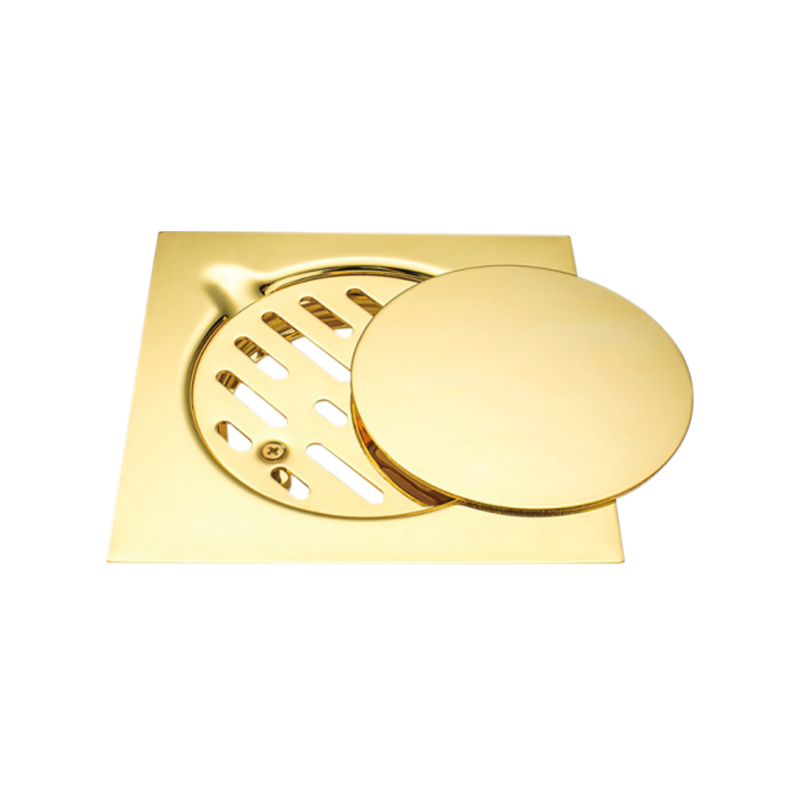
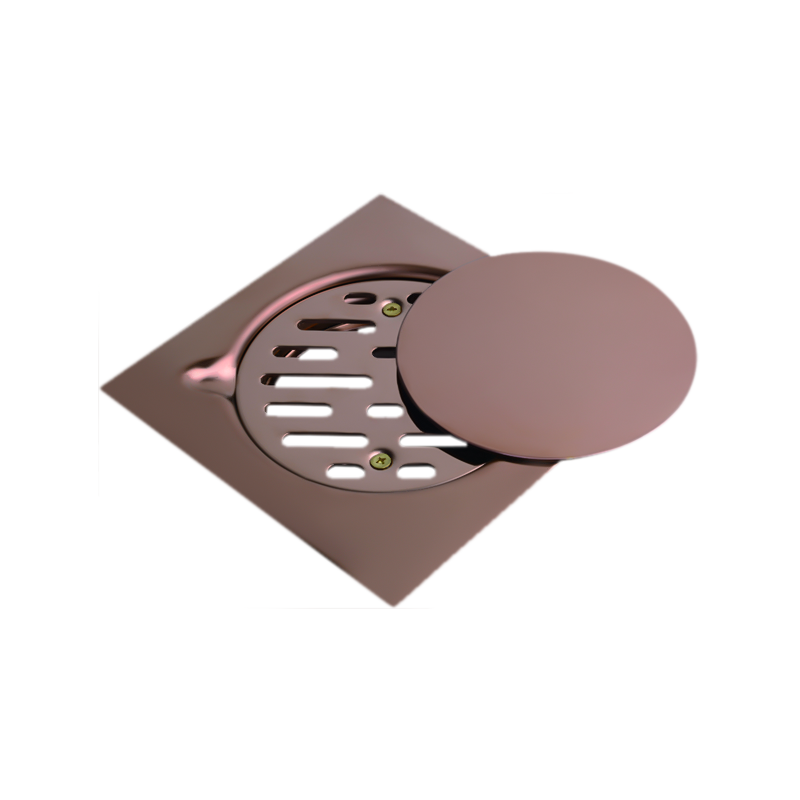
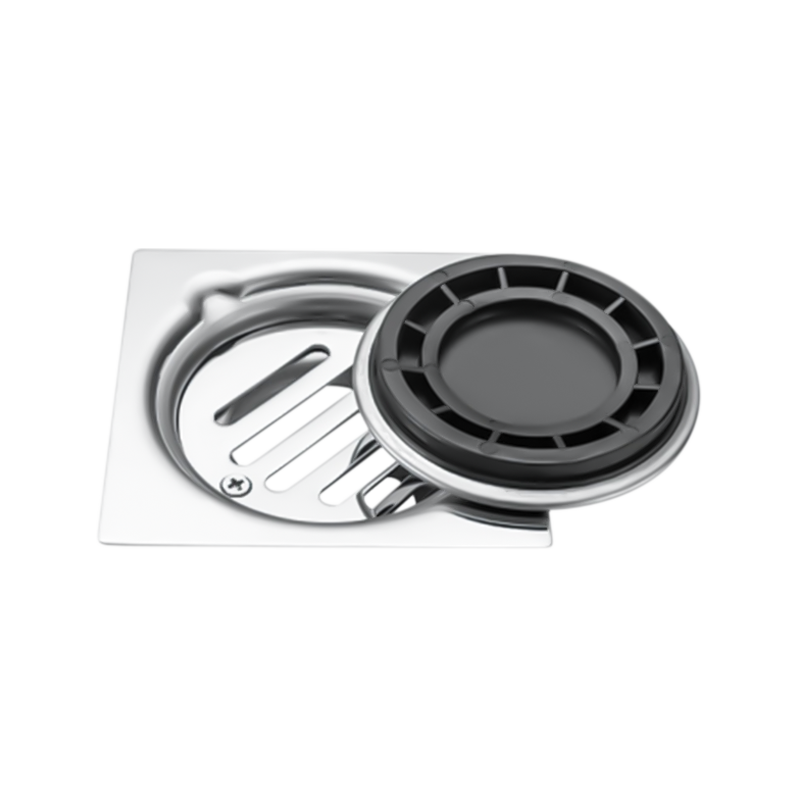
The grate sits on top of the drain body and covers the opening. The size of the grate must match the size of the drain body. A grate that is larger than the body will not fit properly. One that is smaller will leave gaps around the edges.
Different grate styles affect how much water the drain takes in. A grate with small holes slows the water flow. A grate with larger openings allows more water to pass through. The space between the grate bars influences how quickly the drain clears water.
Decorative grates can affect the usable size of the drain opening. The appearance of the grate matters in visible locations, but the function should not be sacrificed for looks. A grate that looks good but restricts water flow defeats the purpose of the drain.
Manufacturers offer standard sizes that cover the majority of applications. These sizes have been developed over years of production and installation experience.
Customization options exist for non-standard installation spaces. A space that does not fit the standard sizes can be accommodated with a custom drain. The customization process allows the drain to match the specific dimensions of the installation.
The range of sizes available from a Stainless Steel Floor Drain Factory covers both residential and commercial needs. The factory can provide guidance on which size will work for a given application. The guidance helps avoid the trial-and-error approach that helps to wrong choices.
Space under the floor puts a limit on how deep the drain body can go. A deep drain needs room between the floor surface and the pipes below. A shallow drain works where clearance is tight. The depth should match what the space allows.
Tile layout affects where the grate ends up. A grate that lands across a tile joint often means cutting tiles to fit around it. Centering the grate within a single tile makes installation easier. The position of the grate relative to the tile pattern should be thought through before the drain size gets locked in.
Existing plumbing connections set boundaries on drain size. The drain outlet has to match the pipe diameter. A drain larger than the pipe will not work. A smaller drain that adapts to the pipe may reduce flow.
A few space-related points to check before settling on a size:
The opening size of the drain determines how fast water leaves the surface. A bigger opening lets more water enter at once. A smaller opening restricts flow and can cause water to stand on the floor.
Showers produce a steady stream of water while running. A drain that is too small for that stream will let water pool around the shower floor. A drain that matches the flow rate clears water as fast as it arrives.
Outdoor spaces like balconies and terraces get water from rain. The volume depends on the area of the space and how hard it rains. The drain size should handle the expected rainfall without letting water sit on the surface.
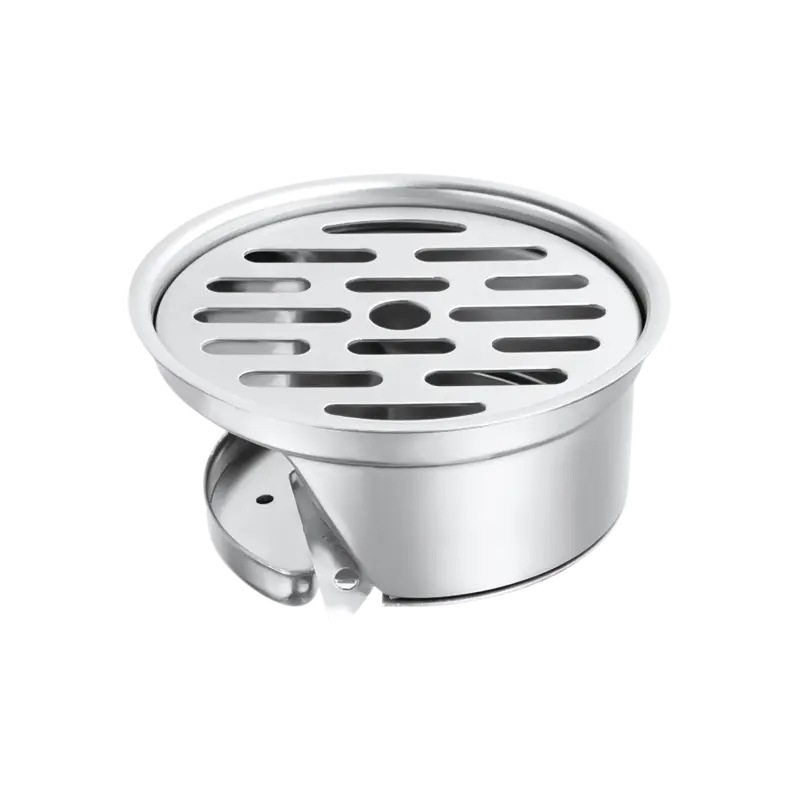
Picking a drain that looks right but does not handle enough water is one of the more frequent errors. The grate may look good, but if the drain body is too small, water will not drain quickly. Function should guide the choice, not just appearance.
Installing a drain that does not fit the existing plumbing creates problems during installation. A drain with the wrong outlet size needs adapters or modifications. The installation takes longer and may not be as reliable.
Overlooking the space needed for grate removal and cleaning is another mistake. A grate that cannot be lifted easily will not get cleaned. A dirty grate slows drainage and can help to standing water.
A few signs that a drain size might be wrong:
Shower areas need drains that handle the water volume from the shower head. A point drain with a moderate opening works for a standard shower stall. A linear drain at the edge of a curbless shower collects water across a wider area.
Balconies and terraces need drains that handle rain and runoff. A larger drain or multiple drains may be needed for outdoor spaces. The size should match the area and expected rainfall.
Commercial kitchens need floor drains that handle water from washing equipment and floor cleaning. The drains also need to handle small amounts of debris. A larger grate helps prevent clogging.
| Room Type | Water Volume | Recommended Drain Type | Size Consideration |
|---|---|---|---|
| Shower stall | Moderate | Point drain | Standard size works well |
| Curbless shower | Moderate | Linear drain | Size matches shower width |
| Balcony | Variable (rain) | Point or linear | Larger size for outdoor exposure |
| Laundry room | Moderate | Point drain | Standard size with lint trap |
| Commercial kitchen | High | Heavy-duty point drain | Larger grate for debris handling |
A Stainless Steel Floor Drain Factory offers technical advice drawn from experience with many different installations. The factory knows which sizes work for which spaces. That knowledge helps avoid common mistakes.
Contractors and plumbers have hands-on experience with drain installation in different spaces. They can advise on what will fit and what will work. Their knowledge of local building practices adds a useful layer of perspective.
The decision about drain size should balance function and installation constraints. A drain that is too small will create problems every time the space gets used. One that fits the space and handles the water volume will do its job without drawing attention. The time spent getting the size right pays off in the long run.


 Add: No 3 District Xiaowufen Industrial Zone, Pengjie Town, Luqiao District, Taizhou City, Zhejiang Province, China.
 Tel: +86-576-89203599
 Fax: +86-576-89203598
 Email: [email protected],[email protected],[email protected]
Copyright © Taizhou Shenzhou Sanitary Ware Co., Ltd. All Rights Reserved.


 عربى
عربى 0
0
