Indoor drainage systems tend to play a fairly important role in maintaining a comfortable living and working environment. Although floor drains are usually installed in less noticeable areas, their structure and material can still influence daily hygiene conditions quite a bit. Bathrooms, kitchens, laundry rooms, and utility areas often require drainage components that can handle fairly continuous exposure to water, moisture, and residue.
Odor problems related to indoor drainage tend to connect with the movement of air from drainage channels, the accumulation of organic residue, or improper water flow. When drainage components can't quite maintain a suitable barrier between indoor spaces and pipe systems, unpleasant smells may find their way into rooms and affect the overall environment.
A properly designed floor drain tends to help manage wastewater while reducing the chances of odor returning from drainage paths. Material selection also tends to play a role here, since drainage surfaces stay in contact with water and cleaning conditions for fairly long periods.
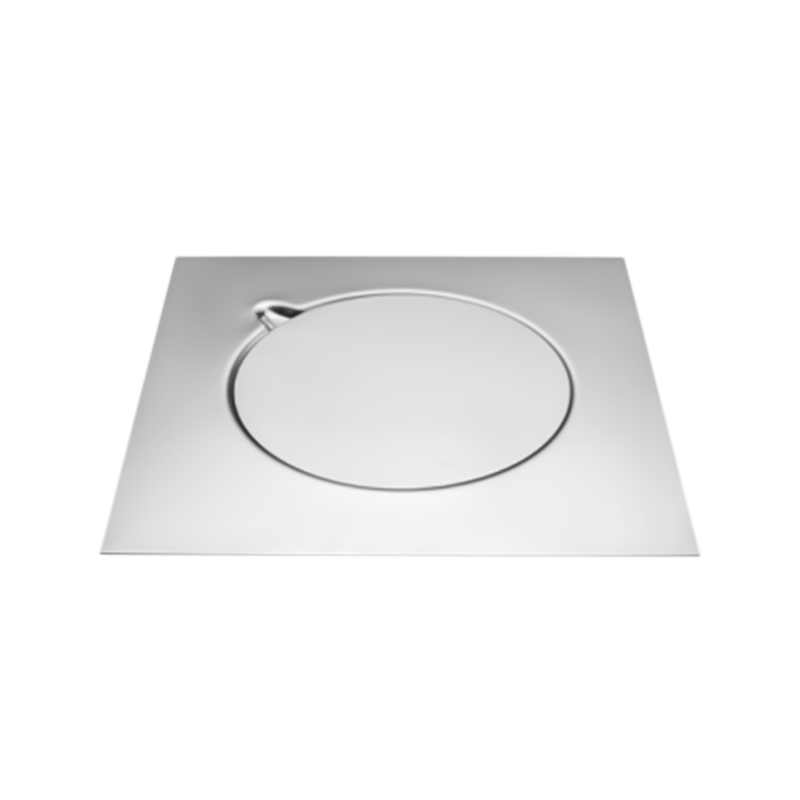
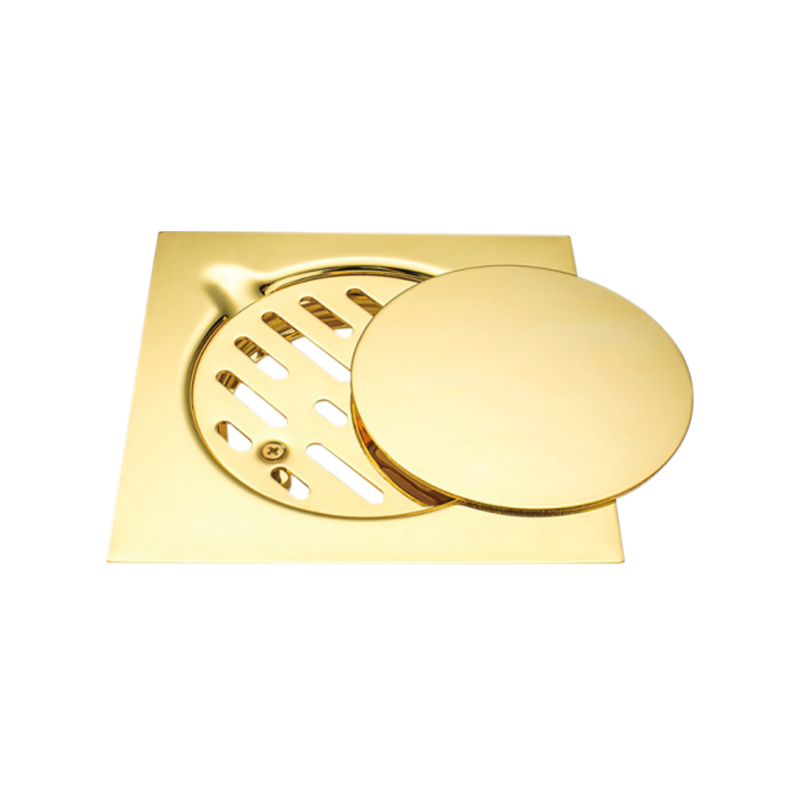
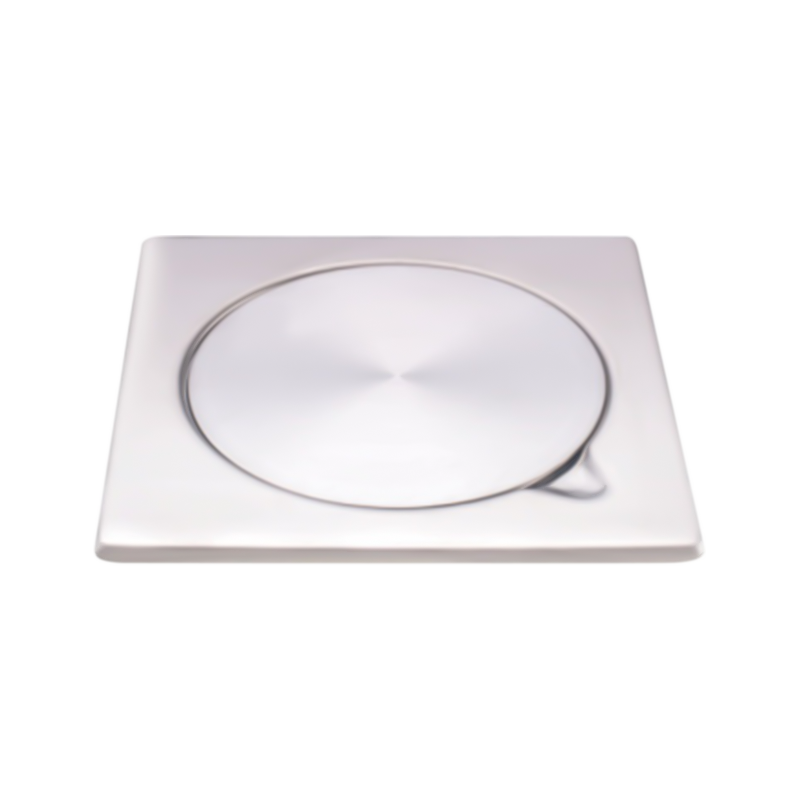
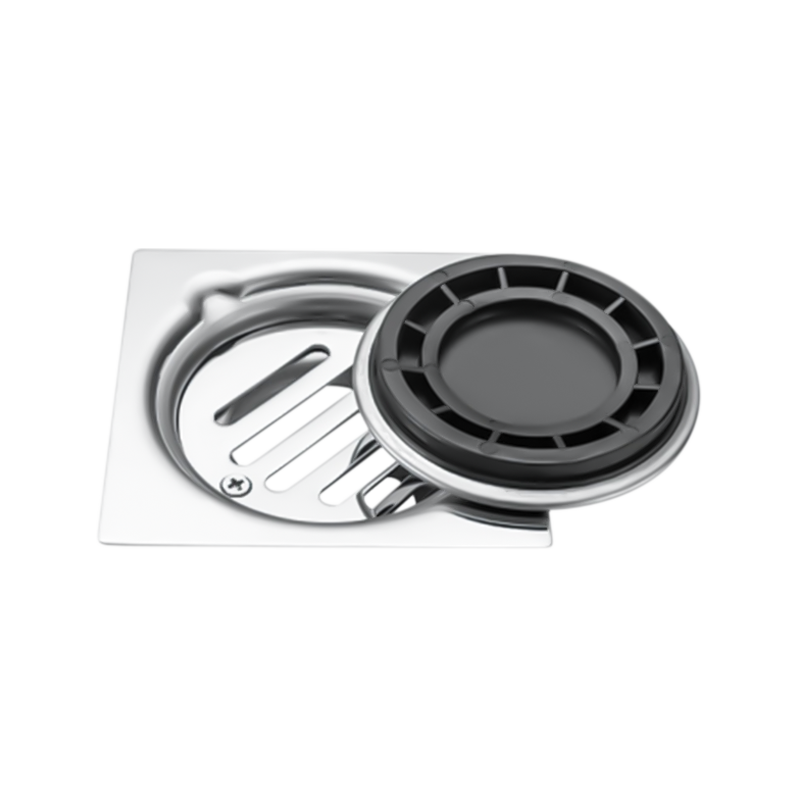
Floor Drain SS 304 has become a fairly commonly discussed option in indoor drainage applications, largely because stainless steel material tends to offer characteristics that suit humid environments reasonably well. Its surface structure, resistance to corrosion, and compatibility with regular cleaning methods tend to make it a reasonable fit for areas where drainage hygiene needs attention.
Understanding the relationship between drainage design and odor control can help property owners, designers, and buyers make somewhat more informed choices when planning indoor drainage systems.
Floor drains are designed to remove wastewater from indoor areas, yet they also tend to create a connection between rooms and underground drainage channels. Without proper design, that connection may allow unpleasant odors to travel upward over time.
A few factors that can influence odor conditions around floor drains:
Water and residue often tend to collect in drainage areas that are hard to access. Over time, organic materials from daily activities may remain inside the drain structure, creating conditions where unpleasant smells can develop.
A drainage system probably needs more than just a simple opening for water removal. The internal structure should ideally support smooth wastewater movement while reducing direct air exchange between indoor areas and drainage pipes.
A water barrier is commonly used in drainage designs to help block odors. When the barrier becomes dry, damaged, or poorly maintained, air from drainage channels may travel back into the room. For this reason, drainage design, material quality, and maintenance habits all tend to factor into odor management together.
Indoor spaces such as bathrooms and kitchens tend to be especially sensitive, since moisture levels there are usually higher. Suitable drainage components can help create a somewhat cleaner connection between water removal and indoor air conditions.
Material selection tends to relate fairly closely to drainage performance. Floor drains stay exposed to water, cleaning agents, and changing humidity conditions, which tends to make material characteristics a fairly important consideration.
Stainless steel is widely used in drainage products because of its fairly stable surface properties. Within indoor drainage applications, Floor Drain SS 304 tends to be recognized for its ability to maintain surface quality in wet environments reasonably well.
A few material features that tend to influence its use in odor-related applications:
| Material Feature | Influence on Drainage Use |
|---|---|
| Corrosion resistance | Helps maintain surface condition during long-term exposure to moisture |
| Smooth surface structure | Supports easier cleaning and reduces residue attachment |
| Stable physical properties | Allows the drain structure to remain suitable for indoor use |
| Easy maintenance characteristics | Supports regular cleaning routines |
A smoother internal and external surface tends to make cleaning work a bit more convenient. When residue is less likely to stick around, drainage areas tend to become easier to maintain overall. Regular cleaning combined with suitable material selection tends to help reduce the conditions that may contribute to odor formation.
Corrosion resistance is another fairly important factor. Drainage products installed in wet areas frequently encounter water, detergents, and cleaning materials. Materials that hold up reasonably well under those conditions tend to support more stable long-term usage.
The role of stainless steel probably isn't just about appearance. Surface condition, cleaning requirements, and long-term use all tend to influence how drainage products actually perform in indoor environments.
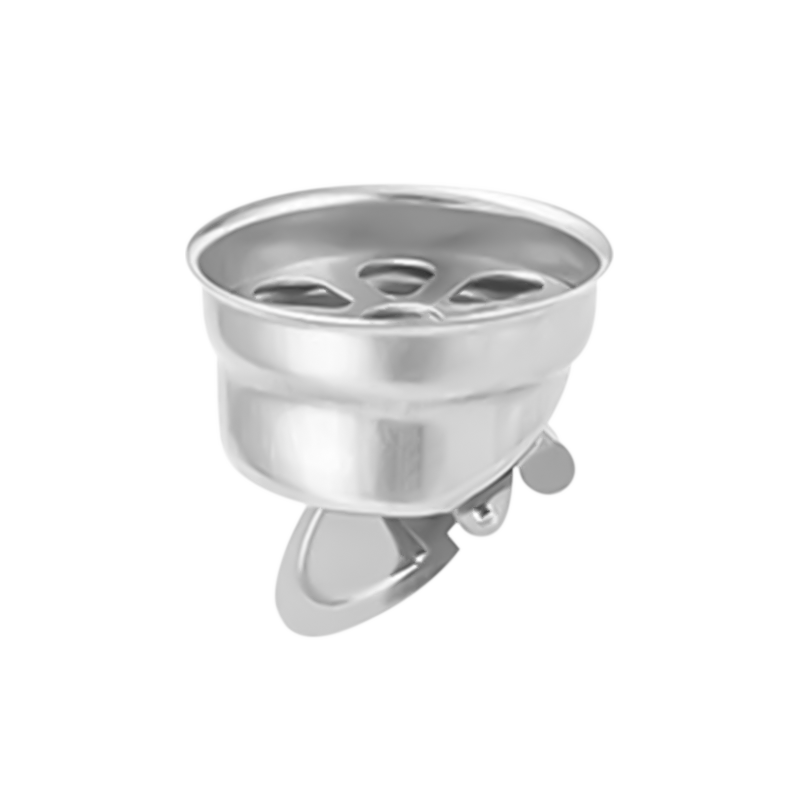
Drainage hygiene tends to depend on both product structure and daily maintenance together. A floor drain with a suitable surface and practical design can make cleaning tasks a bit easier while supporting better water management overall.
Stainless steel structures are commonly selected for indoor drainage because they tend to adapt reasonably well to areas where moisture exposure is frequent. Bathrooms, shower areas, kitchens, and commercial spaces often require components that can handle regular contact with water.
A few structural factors that tend to influence drainage hygiene:
Smooth Internal Surfaces
Drainage channels with smoother surfaces tend to reduce the areas where dirt and residue can remain. Easier cleaning tends to help maintain a cleaner drainage environment during regular use.
Stable Drainage Flow
A suitable internal design tends to let wastewater move through the system more effectively. Reduced stagnant water conditions may help lower the chances of unpleasant smells developing inside the drainage area.
Convenient Maintenance
Drainage components tend to need occasional inspection and cleaning. Structures that allow easier access can support routine maintenance work and help users spot potential issues a bit earlier.
A well-designed drainage system tends to combine material performance with practical maintenance. Even a fairly durable material still requires proper cleaning and installation to maintain suitable performance in daily environments.
Material alone probably doesn't fully determine odor control. The design of a floor drain also tends to affect how effectively it separates indoor spaces from drainage channels.
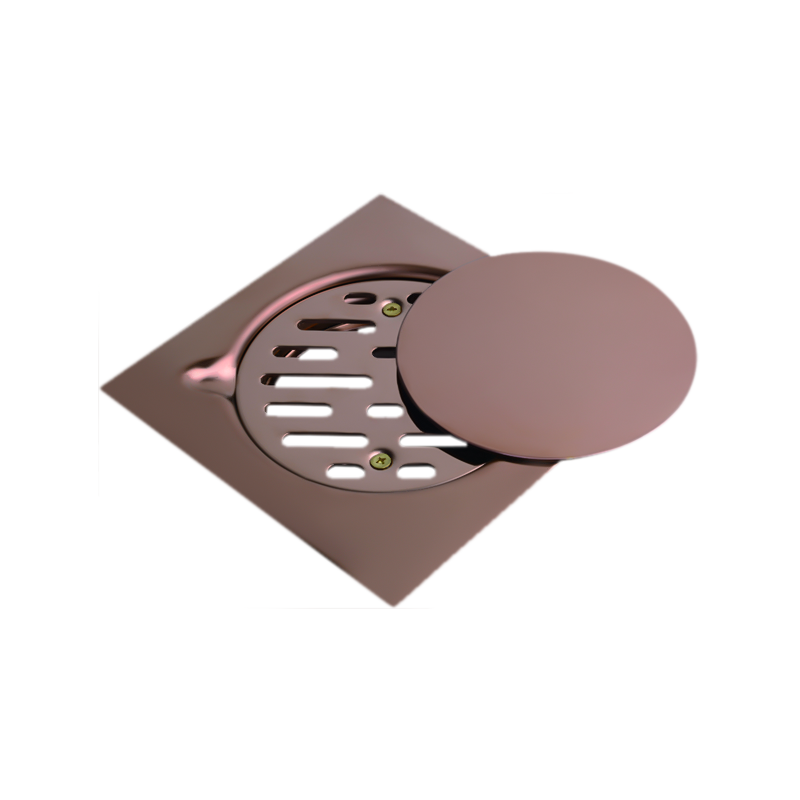
A floor drain usually includes several structural elements that tend to influence its operation:
Each part tends to contribute to how water moves and how odors get controlled. A drain cover can help prevent larger particles from entering the system, while internal structures tend to assist with maintaining a cleaner drainage path.
Water sealing functions tend to matter quite a bit here, since they create a separation between indoor rooms and drainage pipes. When enough water remains in the sealing area, it can help reduce the movement of unwanted air from below.
Different indoor spaces may call for somewhat different drainage designs. A bathroom floor drain may need to handle fairly frequent water flow, while a kitchen application may face more residue from daily activities. Choosing a structure that suits the actual usage conditions tends to help maintain better drainage performance overall.
Indoor drainage areas tend to face moisture almost every day, which creates fairly specific requirements for the materials used in floor drain production. Bathrooms, kitchens, laundry rooms, and other wet areas tend to need drainage components that can maintain stable surface conditions while supporting regular cleaning.
Stainless steel is commonly selected for indoor drainage applications because its material characteristics tend to fit environments where water exposure is frequent. Among different stainless steel options, SS 304 is often considered during product selection since it tends to offer a fairly reasonable balance between durability, surface maintenance, and practical application needs.
A drainage component made from suitable material can influence daily maintenance routines quite a bit. When a floor drain surface stays fairly smooth and less affected by moisture exposure, cleaning tends to become easier, and residue accumulation can usually be reduced through regular care.
For bathroom applications, drainage performance tends to depend on more than just wastewater removal. A floor drain also needs to manage moisture, help prevent unwanted smells from entering the room, and stay functional during repeated use. Material stability tends to support these requirements by helping the drainage structure maintain its condition over time.
Kitchen areas tend to create somewhat different challenges, since food particles, grease, and cleaning materials may enter the drainage system. A suitable stainless steel surface can make maintenance procedures a bit more manageable, letting users keep drainage areas cleaner overall.
Commercial spaces such as hotels, offices, and public facilities also tend to have fairly specific drainage needs. Frequent use tends to require products that can handle regular water contact while remaining reasonably easy to maintain. Material selection tends to become a fairly important part of planning indoor drainage systems.
Selecting a suitable supplier tends to involve more than just checking product appearance. Drainage products generally need to match installation requirements, usage conditions, and project expectations.
A Stainless Steel Floor Drain Supplier usually provides different product structures and material options according to various application needs. Buyers often tend to consider a few factors before making a decision.
Material Information
Clear material information tends to help buyers understand whether a product fits the intended environment. Stainless steel grade, surface treatment, and manufacturing process can all influence drainage performance to some degree. A suitable supplier should ideally provide fairly accurate product details so buyers can compare different solutions based on actual requirements.
Product Structure
Floor drains come in different designs, including various cover styles, drainage channels, and internal structures. Different spaces may call for somewhat different solutions.
For example:
Understanding application conditions tends to help buyers choose products that better match their projects.
Manufacturing Consistency
Drainage components tend to need fairly stable production processes, since small differences in structure may influence installation and usage down the line. Consistent manufacturing tends to help maintain similar product performance across different orders.
For buyers working with suppliers on longer-term cooperation, communication about product requirements, packaging methods, and quality inspection procedures also tends to matter.
Custom Requirements
Some projects may require specific dimensions, surface finishes, or drainage structures. A supplier with fairly flexible production capability can usually communicate with buyers about different application conditions. Custom requirements often tend to depend on building design, installation space, and user preferences. Clear communication tends to help avoid mismatches between products and project needs.
Even a well-designed drainage system tends to need regular maintenance. Daily use may introduce dust, hair, soap residue, or other materials into the drain area. Without proper cleaning, these materials may gradually affect drainage conditions.
A few simple maintenance practices tend to support better indoor hygiene:
Regular cleaning tends to help prevent residue from remaining inside drainage channels for extended periods. A cleaner drainage path tends to let wastewater move more smoothly and can reduce conditions that may contribute to unpleasant smells.
Water sealing components also tend to need attention. A dry or blocked sealing area may reduce the drain's ability to separate indoor air from drainage pipes. Checking water levels and cleaning internal sections can help maintain more normal operation.
Maintenance frequency tends to depend on the environment quite a bit. A family bathroom may require somewhat different care compared with a busy commercial facility. Understanding usage conditions tends to help users create more suitable cleaning routines.
Product design and maintenance tend to work together here. A suitable material such as Floor Drain SS 304 can support easier cleaning, while proper maintenance tends to help preserve the intended function of the drainage system over time.
Indoor spaces tend to have somewhat different drainage requirements, and floor drain selection generally needs to consider the environment where the product will get installed.
Residential Bathrooms
Bathrooms tend to be common locations for floor drain applications. Water from showers, washing areas, and daily cleaning activities tends to require drainage systems that can handle fairly continuous moisture. In residential environments, users often tend to focus on drainage speed, cleaning convenience, and odor control. A stainless steel floor drain with a suitable structure can support these daily needs reasonably well.
Kitchens
Kitchen drainage systems tend to face somewhat different conditions, since grease, food particles, and cleaning substances may enter the drain. Proper design tends to help reduce residue buildup and supports easier maintenance. Material selection tends to become especially important in areas where water and cleaning activities happen frequently.
Commercial Buildings
Commercial facilities usually tend to have higher usage frequency compared with private spaces. Drainage systems in these locations tend to need support for regular operation and fairly convenient maintenance. Hotels, restaurants, and public facilities may select stainless steel drainage products because they tend to fit environments where moisture management and cleaning routines matter quite a bit.
Industrial and Utility Areas
Some utility spaces tend to require drainage solutions for equipment cleaning, floor washing, or moisture control. In such environments, drainage structure and material compatibility probably deserve fairly careful consideration.
Different applications tend to show that floor drain selection probably isn't just about removing water. It also tends to involve maintaining a cleaner connection between indoor areas and drainage systems.
Indoor odor problems related to drainage systems tend to be influenced by several factors together, including material selection, product structure, installation methods, and maintenance habits. A suitable floor drain tends to help create a cleaner connection between indoor spaces and drainage channels.
Floor Drain SS 304 tends to support indoor drainage applications through its fairly stable surface characteristics and suitability for moisture-related environments. When combined with proper design and regular maintenance, stainless steel drainage products can help reduce conditions that may contribute to unpleasant smells over time.
From residential bathrooms to commercial facilities, drainage systems generally need to balance water removal, hygiene management, and long-term usability. Careful selection of materials and cooperation with a reliable Stainless Steel Floor Drain Supplier can help create drainage solutions that fit different indoor environments reasonably well.

 Add: No 3 District Xiaowufen Industrial Zone, Pengjie Town, Luqiao District, Taizhou City, Zhejiang Province, China.
 Tel: +86-576-89203599
 Fax: +86-576-89203598
 Email: [email protected],[email protected],[email protected]
Copyright © Taizhou Shenzhou Sanitary Ware Co., Ltd. All Rights Reserved.


 عربى
عربى 0
0
